
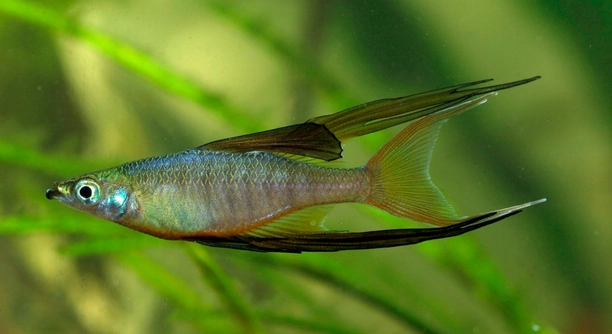
Do your threadfin rainbowfish often linger near the surface, leaving you worried about their comfort and overall well-being in your aquarium setup?
Threadfin rainbowfish often stay at the top due to low oxygen levels, poor water quality, or stress. These conditions affect their health and behavior, causing them to seek oxygen-rich surface areas for relief and survival.
Learning about these reasons will help you create a healthier environment and ensure your rainbowfish thrive with balanced energy and comfort.
Common Reasons Threadfin Rainbowfish Stay at the Top
Threadfin rainbowfish may gather at the top of the tank for several reasons, most often linked to oxygen availability and water quality. When oxygen levels in the water drop, fish instinctively move upward where oxygen exchange is strongest. Poor water conditions, including ammonia or nitrite spikes, can stress them, driving this behavior further. Another factor is temperature—warmer water holds less oxygen, forcing fish to remain near the surface. Stress from overcrowding or sudden changes in their environment may also contribute. Observing their behavior carefully is essential for identifying whether this is a short-term adjustment or a sign of distress.
Some rainbowfish also stay at the top during feeding times. They quickly learn where food enters the tank, making the behavior normal in this context. It’s important to recognize when the behavior is natural and when it signals a deeper problem in the aquarium environment.
Inconsistent tank maintenance can often be the root of issues. Skipping water changes or neglecting filter cleaning allows harmful substances to accumulate, gradually affecting your fish. By maintaining steady routines and monitoring conditions, you can reduce stress and keep your rainbowfish active throughout all levels of the tank with ease.
How to Fix the Problem
Improving oxygen levels is the first step to resolving this issue. You can add an air stone or adjust the filter to increase surface agitation, both of which improve oxygen exchange. Reducing the tank temperature slightly within the species’ safe range also helps water hold more oxygen. Keeping a lightly stocked tank ensures each fish has access to the resources it needs. Testing water regularly for ammonia, nitrite, and nitrate will alert you to imbalances before they become harmful.
A stable environment is key to preventing your rainbowfish from constantly staying at the top. Perform partial water changes weekly, making sure to remove waste and uneaten food. Clean the filter regularly without stripping away beneficial bacteria, which are essential for stability. Adding live plants not only enhances the tank visually but also contributes to oxygen levels. Monitoring behavior after each adjustment will show whether conditions are improving. Over time, consistent care restores balance, allowing your rainbowfish to swim comfortably throughout the tank instead of hovering at the surface.
Signs of Stress in Threadfin Rainbowfish
Staying at the surface is often the first visible sign of stress. Other indicators include rapid gill movement, loss of appetite, faded coloration, or sudden darting motions. Noticing these changes early helps you address the issue before it worsens.
Stress in threadfin rainbowfish can be triggered by unstable conditions in their environment. Ammonia spikes, fluctuating pH, or poor filtration place constant pressure on their bodies. Overcrowding is another common factor, leaving little space for natural swimming patterns. If aggression from tankmates occurs, it may cause your fish to retreat near the surface more often. Understanding these triggers allows you to adjust their surroundings and improve their comfort levels, helping them regain normal, balanced activity.
Maintaining consistency is crucial in preventing stress. Avoid sudden water changes in temperature or chemistry. Provide a calm setting with reliable lighting cycles and enough plants or decorations to give shelter. When conditions remain steady, rainbowfish become more confident swimmers. Consistent monitoring and proper adjustments not only reduce stress but also ensure your fish thrive in a more natural, healthy manner. Keeping track of small details can make a lasting difference in their behavior and overall vitality.
Preventive Care for a Healthy Tank
Prevention is the most effective way to keep rainbowfish comfortable and stress-free. Regular water changes, proper filtration, and routine testing all ensure stability. Adding gentle aeration, live plants, and controlling stock levels creates a balanced environment that supports their health long-term.
A clean tank environment helps reduce the chances of oxygen depletion or toxic buildups. Aim for weekly partial water changes to remove waste before it accumulates. Test water parameters consistently, and address any imbalances quickly to avoid harmful conditions. Introduce tankmates carefully, ensuring they are peaceful and compatible with threadfin rainbowfish. Keep the aquarium covered and stable to avoid sudden environmental shifts that might disturb them. By focusing on stability and balance, you provide the foundation for your rainbowfish to thrive. Their vibrant colors and natural swimming behavior are best displayed when they feel secure and supported in a well-maintained tank.
Water Quality Checks
Testing water regularly prevents unseen issues from harming your rainbowfish. Ammonia and nitrite should always remain at zero, while nitrates must stay low. Using a reliable test kit ensures you identify problems early before they affect your fish’s health.
Consistency is key in water management. Perform partial water changes weekly and avoid overfeeding, as excess food decays quickly. Cleaning filters without destroying beneficial bacteria keeps your aquarium balanced. Small, steady adjustments create a stable environment where threadfin rainbowfish can thrive without stress or constant surface hovering.
The Role of Tank Temperature
Tank temperature has a direct impact on oxygen availability. Warmer water holds less oxygen, leading rainbowfish to remain at the surface where oxygen exchange occurs. Keeping the tank within their safe range of 75–81°F prevents these issues. Using a reliable heater and thermometer ensures stability, while avoiding drastic changes reduces stress and maintains comfort.
Feeding Habits and Behavior
Threadfin rainbowfish often associate the surface with feeding, making it normal for them to gather there during meals. However, if this behavior continues long after feeding, it usually points toward environmental concerns that need to be corrected.
FAQ
Why are my threadfin rainbowfish always staying near the surface?
Threadfin rainbowfish usually stay near the surface when oxygen levels in the tank are too low. This area has the most gas exchange, so they gather there to breathe more easily. Poor water quality, overcrowding, or sudden temperature increases can also push them toward the top.
Can poor water quality cause this behavior?
Yes, poor water quality is a major factor. Elevated ammonia, nitrite, or nitrate levels can harm gill function and force fish to seek more oxygen near the surface. Regular testing, water changes, and careful feeding habits are important to prevent these harmful spikes.
What role does oxygen play in this problem?
Oxygen levels directly influence how fish behave in the tank. When oxygen levels are too low, rainbowfish instinctively swim closer to the surface where oxygen enters the water. Adding aeration, surface agitation, or live plants helps maintain healthier oxygen balance throughout the aquarium.
Could tank temperature be causing this issue?
Yes, warmer water holds less oxygen, which can make fish remain at the surface. If the tank is consistently above their recommended range, oxygen depletion becomes more likely. A reliable heater and thermometer keep the temperature stable, reducing stress on your rainbowfish.
Are my rainbowfish stressed when they stay at the top?
In many cases, yes. Constant surface swimming often signals stress caused by poor conditions, aggressive tankmates, or overcrowding. Stress can also show through rapid gill movement, faded colors, or loss of appetite. Correcting environmental problems helps restore normal behavior and overall well-being.
Can feeding habits explain why they are at the surface?
Yes, feeding habits often play a role. Rainbowfish quickly learn where food is added and may hover near the surface in anticipation. If they remain at the top well after feeding, the behavior usually indicates a problem with water quality or oxygen levels.
What tank size is best for threadfin rainbowfish?
A larger tank helps reduce stress and oxygen shortages. A minimum of 20 gallons is recommended for a small group, but bigger is always better. More water volume creates stability, prevents overcrowding, and provides plenty of swimming space for their active nature.
How can I improve oxygen in the tank?
Improving oxygen can be done by increasing surface agitation, using air stones, or adjusting the filter output. Live plants also provide natural oxygenation. Avoid overstocking and keep water temperatures within a safe range to maximize oxygen retention and fish comfort.
Should I be worried if only one rainbowfish stays at the surface?
Yes, even if only one fish is staying near the top, it can signal early signs of distress. This individual might be weaker or more sensitive to changes in the tank. Monitoring all fish closely helps you catch problems before they worsen.
Can overcrowding make this problem worse?
Definitely. Overcrowding increases waste, reduces oxygen availability, and creates competition for resources. This environment is highly stressful for threadfin rainbowfish. Keeping stocking levels appropriate ensures each fish has space, oxygen, and access to food, reducing the likelihood of surface-dwelling behavior.
Is it normal for rainbowfish to stay near the top sometimes?
Yes, sometimes it is normal. During feeding or when exploring, they may swim near the surface. The problem arises when the behavior is constant or paired with stress signs. In that case, it points toward a problem with tank conditions.
What should I do if my rainbowfish are gasping for air?
If gasping occurs, act immediately. Increase aeration, perform a partial water change, and test the water for harmful spikes. Lower the temperature slightly if it is above their safe range. Addressing the root cause quickly helps prevent long-term health damage.
Do live plants help prevent this behavior?
Yes, live plants improve oxygen levels and contribute to water stability. They also create hiding spaces, lowering stress. However, plants alone may not fix severe issues. They should be part of a balanced approach, including filtration, regular cleaning, and water testing.
Can aggressive tankmates cause rainbowfish to stay at the top?
Yes, aggression from tankmates can cause stress and force rainbowfish into less comfortable areas of the tank. If they feel threatened, they may retreat near the surface. Choosing peaceful companions helps maintain a calm, stable environment where rainbowfish feel secure.
Why do my rainbowfish show faded colors when near the top?
Faded colors often signal stress or poor health. Staying at the surface, combined with fading, points toward discomfort caused by low oxygen or poor water quality. Restoring stable conditions usually helps their natural colors return more vibrantly over time.
What maintenance routine helps prevent this issue?
Weekly partial water changes, consistent testing, and regular filter maintenance form the foundation of good care. Avoid overfeeding and clean up uneaten food promptly. Stability is key—small, steady adjustments keep your rainbowfish active and prevent them from constantly staying at the surface.
Final Thoughts
Threadfin rainbowfish are beautiful and delicate, which makes their care both rewarding and challenging. When they begin staying at the surface, it is almost always a sign that something in the tank is unbalanced. The most common reasons include low oxygen levels, poor water quality, or high stress caused by overcrowding or unsuitable tankmates. While it can be worrying to see them constantly at the top, the good news is that this behavior gives you an early warning. By paying attention and making changes, you can correct the problem before it affects their long-term health. These fish are highly responsive to their environment, and even small improvements can restore their natural swimming patterns and vibrant energy. Taking the time to learn about their needs is the best way to ensure they remain active, colorful, and thriving.
Addressing the root causes involves careful maintenance and a steady routine. Regular water testing is the simplest way to stay ahead of problems. Keeping ammonia and nitrite at zero, while ensuring nitrates remain low, protects their gills and reduces stress. Weekly partial water changes refresh the environment, while cleaning filters maintains balance without removing the beneficial bacteria your tank relies on. Aeration also plays a major role. Adding an air stone, adjusting the filter outflow, or introducing live plants can help maintain healthy oxygen levels. Consistency in temperature is equally important, as warmer water holds less oxygen. Making sure your heater and thermometer are accurate will prevent dangerous fluctuations. By focusing on stability, you create an environment where rainbowfish do not feel the need to hover at the surface for relief.
The well-being of threadfin rainbowfish depends on a mix of environmental care and observation. Their behavior is often the first sign that something has shifted in the tank. If they begin showing stress—such as faded colors, rapid breathing, or loss of appetite—these are signals worth acting on immediately. Taking small but steady steps, such as improving water flow or reducing stock levels, will make a noticeable difference. Over time, this approach creates a more natural and balanced home where your rainbowfish can thrive. These fish reward attentive care with their graceful swimming and shimmering colors. By staying consistent and keeping their needs in focus, you not only prevent surface-dwelling behavior but also support their health and longevity. Caring for threadfin rainbowfish is about patience, observation, and balance, all of which allow them to flourish in your aquarium for years to come.

Hello,
If you enjoy the content that we create, please consider saying a "Thank You!" by leaving a tip.
Every little bit helps us continue crafting quality advice that supports the health, happiness, and well-being of pets around the world, for pets of all shapes, sizes, and species.
We really appreciate the kindness and support that you show us!