
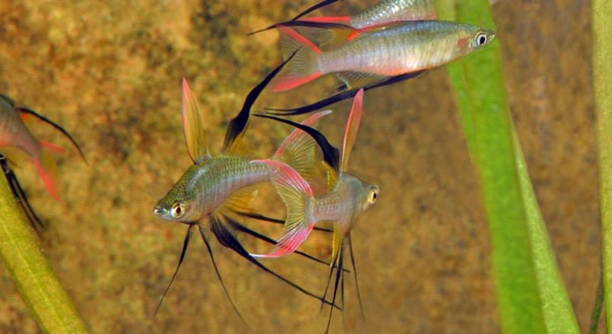
Threadfins are fascinating fish that often move quietly through their environment. Observing them in groups can reveal surprising behaviors. Many aquarists notice subtle changes when threadfins interact socially with other fish in their tank.
Threadfins display social behavior through synchronized swimming, close grouping, and gentle nudging of each other. These actions indicate a complex social structure, helping maintain cohesion within schools and facilitating communication, feeding efficiency, and overall group stability in their natural and captive habitats.
Recognizing these social cues can help you better understand your threadfins’ interactions. Observing these behaviors offers insight into their natural tendencies and how they adapt to their surroundings.
Synchronized Swimming Patterns
Watching threadfins glide together is mesmerizing. They often move in tight formations, matching speed and direction almost perfectly. This coordination helps them feel safer and signals a strong social bond. When one fish changes direction, the others adjust instantly. I’ve noticed that in larger tanks, this behavior becomes more pronounced. Even subtle changes in the environment, like light or current, can influence how closely they swim together. Observing these patterns over time gives a clearer sense of their group dynamics. This behavior isn’t random; it’s a natural instinct to maintain cohesion. For anyone keeping threadfins, recognizing these swimming patterns is rewarding. It’s a sign the fish are comfortable and interacting naturally. The consistency of their movements shows how well they understand each other’s actions. When threadfins swim in harmony, it reflects health, alertness, and a stable environment. I always find myself captivated by these small, synchronized dances that feel almost intentional.
Synchronized swimming is a reliable sign of social bonding among threadfins. It shows comfort and group coordination in their environment.
Watching them carefully, you can see subtle leadership roles. Certain threadfins often lead turns while others follow. Over time, patterns emerge, highlighting individual tendencies and social hierarchy. These behaviors also enhance feeding efficiency. Fish at the front often find food first, signaling others to follow. Cohesion reduces stress, making the group more resilient. In tanks, providing enough space allows natural movement and interaction. Observing these details gives insight into their personalities. Threadfins are not just passive swimmers; their social coordination demonstrates awareness, communication, and instinctual cooperation, which is fascinating to witness day after day.
Gentle Nudge Interactions
Threadfins often make small nudges toward each other. This contact is a subtle form of communication within the group.
These gentle nudges can indicate curiosity, comfort, or an attempt to guide movement. It’s a quiet but clear sign of social behavior.
During my observations, I noticed that nudging often occurs near feeding areas. One fish might lightly touch another to encourage movement or explore an object together. This behavior shows trust and recognition among individuals. Nudging is rarely aggressive; it’s more of a social signal that helps maintain group cohesion. In smaller tanks, the frequency can increase since space is limited, making interactions unavoidable. Understanding these nudges can improve tank management. It can help prevent stress and ensure the fish remain engaged. I’ve learned that when threadfins nudge each other often, it reflects comfort and stability within the group. These subtle gestures are easy to miss but provide valuable insight into their natural social tendencies, making observation both rewarding and informative.
Close Grouping Behavior
Threadfins often stay close together while swimming. This tight grouping helps them feel safe and reinforces social bonds within the school.
When threadfins group closely, it reduces stress and protects them from sudden movements or perceived threats. I’ve seen them shift positions to stay near the center of the group, showing a natural preference for safety in numbers. This behavior also helps maintain order during feeding, as fish in the middle are often calmer while those on the edges stay alert. The consistency of this behavior highlights their instinctual need for cohesion. In tanks with ample space, they maintain small, flexible clusters, while in tighter spaces, the entire school may form a single compact group. Observing these interactions gives a deeper understanding of how threadfins balance safety, comfort, and social engagement throughout the day.
Close grouping is a sign of comfort, safety, and structured social behavior within threadfin schools.
The dynamics of close grouping are fascinating. Certain individuals often take central positions, while others patrol the outer edges. These positions are not random but reflect social roles and hierarchy within the school. Dominant fish may occupy the center more frequently, while younger or smaller threadfins stay near the edges, learning from more experienced members. During feeding, the group adjusts positions to maintain balance, allowing each fish access while minimizing conflict. I find it interesting how even minor environmental changes, like new decorations or altered currents, can shift these positions temporarily. Watching threadfins navigate these changes demonstrates their adaptability and awareness, highlighting how deeply ingrained social structure is in their behavior.
Feeding Synchrony
Threadfins often eat together, timing their bites with nearby fish. This shared behavior strengthens group cohesion and reduces competition.
Feeding synchrony is easy to observe. Fish watch neighbors closely, adjusting movements and timing to match the group’s rhythm.
In my tank, I notice that synchronized feeding creates a calmer atmosphere. Threadfins tend to spread out slightly, mimicking each other’s approach to food. The leading fish often discovers new food sources, and others follow almost immediately. This behavior minimizes disputes and ensures more efficient consumption for all. Even during sudden feeding changes, the group quickly adapts, maintaining coordination. Feeding synchrony is more than just eating together; it reflects communication, trust, and learning within the school. Watching them coordinate makes me appreciate their social intelligence and how they naturally cooperate to thrive in both captive and natural environments.
Resting Together
Threadfins often rest in small clusters. Staying close while inactive provides a sense of security and keeps the group connected.
I’ve noticed that resting together helps them recover energy while remaining aware of each other’s presence. It’s a quiet, social way to maintain bonds without active movement.
Light Interaction Cues
Threadfins use small fin touches and body movements to communicate gently. These subtle signals show acknowledgment, interest, or coordination with nearby fish.
During my observations, I’ve seen threadfins respond quickly to these cues, adjusting position or speed. Even brief touches can redirect the group or signal readiness to move. They rarely seem aggressive, making the interactions feel like an unspoken agreement. These cues are essential in maintaining group harmony, especially during feeding or swimming in tighter spaces. Over time, I’ve learned to recognize which fish often initiate these interactions and which tend to follow. Understanding these cues helps me appreciate the complexity of their social behavior, even in a calm tank environment.
Playful Swims
Threadfins sometimes engage in short bursts of fast swimming, often circling or darting together. This energetic display strengthens social bonds and promotes coordination.
FAQ
How can I tell if my threadfins are socializing properly?
You can observe their movements, grouping, and interactions. Social threadfins swim together, synchronize their movements, nudge each other gently, and often feed in unison. If they rest in close clusters and respond to one another’s cues, these are clear signs of normal social behavior. I often watch them at feeding times or during quieter periods to notice these patterns. Even small adjustments, like aligning direction or mirroring speed, show that they are aware of each other and maintaining social bonds. Over time, the consistency of these behaviors becomes easier to spot.
Why do threadfins nudge each other so often?
Nudging is a form of communication. It can indicate curiosity, gentle guidance, or reassurance. In my tank, I’ve noticed that nudges often occur near food or when the group changes direction. These touches are rarely aggressive; they signal coordination and trust. Fish that nudge frequently are often leading or signaling movement, helping the group stay cohesive. Nudging helps establish subtle social hierarchies without conflict and keeps the school functioning smoothly. Observing these interactions shows how even minor gestures have important social meaning for threadfins.
Do threadfins need large groups to act socially?
Threadfins show stronger social behavior in groups of three or more. Smaller groups may limit interactions, while larger schools enhance synchronized swimming, nudging, and feeding behaviors. I’ve found that even in medium-sized tanks, keeping several threadfins together encourages natural social dynamics. These interactions are essential for mental stimulation and stress reduction. When isolated, fish may act less engaged or display unusual behavior, highlighting how much they rely on peers for social cues. The more natural their environment, including space and company, the healthier their social behaviors become.
Is synchronized swimming important for their health?
Yes, it is both a social and physiological behavior. Swimming together reduces stress and reinforces the group’s hierarchy, promoting balance and cooperation. I’ve noticed that when the group swims in harmony, their overall energy levels seem more consistent, and they remain alert without panic. This behavior also aids in feeding efficiency and predator awareness in the wild. Even in tanks, observing synchronized swimming indicates that fish are comfortable, coordinated, and adapting well to their environment. It is a key sign that the school is functioning normally.
Can environmental changes affect social behavior?
Absolutely. Lighting, current, decorations, and tank size can influence how threadfins interact. I’ve seen sudden rearrangements or new objects temporarily disrupt swimming patterns and nudging behaviors. Over time, most fish adapt, but consistent observation helps ensure they maintain social cohesion. Even small adjustments, like adding a plant or altering water flow, can encourage natural movement and interactions. Environmental stability supports trust and reduces stress, while changes can prompt curiosity, exploration, or minor conflicts that reveal their social hierarchy. Proper care of their surroundings directly impacts their social engagement.
Why do some threadfins lead while others follow?
Leadership roles emerge naturally. Certain fish are more confident or experienced, guiding the group’s movements. I often see the same individuals initiate direction changes, feeding approaches, or playful swims. Followers adjust their positions to stay aligned, reinforcing social structure. This system reduces chaos, enhances feeding efficiency, and maintains group stability. Leadership is subtle and constantly negotiated, with fish occasionally switching roles depending on context, energy, or environmental factors. Observing these patterns offers insight into personalities, social skills, and how threadfins maintain cohesion over time.
Are playful swims a sign of social health?
Yes. Short bursts of fast swimming or circling together show energy, coordination, and social engagement. I find that these playful bursts often follow feeding or group resting periods. They help maintain bonds, encourage movement, and stimulate curiosity. Playful swims indicate comfort within the group and provide an outlet for energy while reinforcing awareness of other fish. Fish that rarely participate may be stressed, ill, or uncomfortable, which is a cue for closer observation. These moments, though brief, are vital for both social and physical well-being.
How do I encourage social behavior in my threadfins?
Provide adequate space, multiple companions, and regular feeding routines. I’ve noticed that predictable schedules, safe hiding spots, and gentle water currents encourage swimming together, nudging, and synchronized feeding. Minimizing sudden disruptions or overcrowding supports natural behaviors. Observation and gradual adjustments, like introducing new companions slowly or adding enrichment, can strengthen social bonds and overall group cohesion. Healthy social behavior thrives in stable, stimulating, and safe environments.
How can I tell if social behavior is abnormal?
Signs include excessive aggression, isolation, lack of synchronized swimming, or reluctance to feed with the group. I’ve observed that stressed or sick threadfins often stay on the tank edges, ignore cues, or fail to rest near others. Monitoring consistency in swimming, nudging, and feeding patterns helps identify deviations early. If abnormal behavior persists, it may indicate environmental stress, illness, or inappropriate group size. Adjusting the environment, checking water quality, or consulting a specialist can restore normal social interactions.
Does tank size affect social dynamics?
Yes, larger tanks allow natural movement, better spacing, and more subtle social interactions. In smaller tanks, behaviors may become more compact, leading to frequent nudging or minor stress signals. I’ve learned that providing enough room for synchronized swimming, rest clusters, and feeding interactions helps maintain natural patterns. Even small changes in tank layout can shift group positions, influence leadership roles, and alter playful swims. Proper sizing directly supports healthy, observable social behavior.
What role does feeding play in socialization?
Feeding time is a key moment for social interaction. Threadfins often synchronize bites, follow leaders, and respond to nudges during feeding. I find that maintaining consistent feeding schedules encourages cohesion, reduces competition, and reinforces group coordination. Feeding is more than nourishment—it’s an opportunity for communication, trust-building, and displaying natural hierarchy. Observing these patterns provides insight into both social and environmental needs.
How can I observe these behaviors without disturbing the fish?
Keep a calm presence and avoid tapping the glass or sudden movements. I often sit quietly nearby or use indirect observation from a distance. Using consistent feeding times or minimal lighting adjustments helps capture natural behavior. Patience is key; subtle gestures like nudges, synchronized turns, or playful swims become more apparent over repeated observation. Recording short sessions can also help identify patterns without interfering. Over time, watching quietly reveals the depth of social interaction, hierarchy, and individual personalities.
Final Thoughts
Threadfins are social fish that display a variety of behaviors showing their connections with each other. Watching them interact can be fascinating. Their synchronized swimming, gentle nudges, playful bursts, and resting clusters all reflect how naturally social they are. I’ve noticed that when threadfins are comfortable, these behaviors are consistent and easy to spot. Small changes in their environment, like water flow, lighting, or tank layout, can influence how they interact, but overall, they tend to maintain a rhythm that shows trust and cohesion. Observing these behaviors over time can give a clear sense of the group’s dynamics and individual personalities. Each fish has a role, whether leading in a swimming pattern or nudging another to follow, and these roles can shift depending on context. Recognizing these subtle cues helps in understanding both their social needs and their overall well-being in a tank.
Providing threadfins with the right environment is crucial for supporting their social nature. Adequate space, multiple companions, and regular feeding routines allow them to express natural behaviors. In smaller tanks, they may cluster more tightly or display increased nudging, which is normal but can indicate limited space. Adding enrichment, such as plants or gentle currents, encourages movement and playful interactions, keeping them engaged and active. Observing feeding times is especially useful, as synchronized eating shows how the group communicates and coordinates. When threadfins are given stable conditions, their social behavior becomes more pronounced and easier to appreciate. Over time, it’s possible to identify patterns, notice leaders, and understand which fish are more active or cautious. This awareness allows for better care and ensures they remain comfortable, healthy, and socially fulfilled.
It’s rewarding to pay attention to threadfins and learn from their interactions. Social behaviors are not just for survival—they also show comfort, trust, and adaptability. Even small gestures, like a nudge or a quick playful swim, have meaning in the context of their group. Watching them closely reveals how they cooperate, share space, and respond to each other’s movements. Maintaining the right tank conditions encourages these natural behaviors and supports both mental and physical health. As someone who observes threadfins regularly, I’ve found that recognizing and respecting their social tendencies makes caring for them more engaging and enjoyable. Paying attention to these details helps ensure that they thrive, and it highlights the complexity and intelligence of these often-overlooked fish.

Hello,
If you enjoy the content that we create, please consider saying a "Thank You!" by leaving a tip.
Every little bit helps us continue crafting quality advice that supports the health, happiness, and well-being of pets around the world, for pets of all shapes, sizes, and species.
We really appreciate the kindness and support that you show us!