
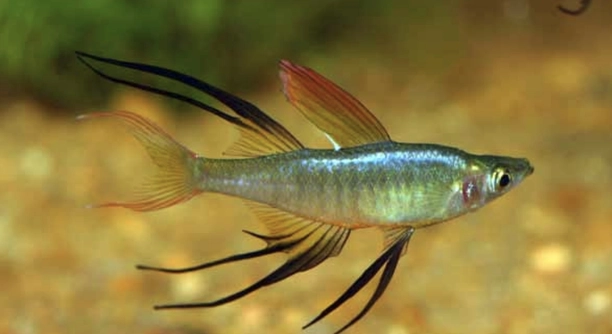
Threadfins are peaceful fish, but they can show surprising behaviors in a shared tank. Observing their reactions during other fish spawning events can reveal a lot about their instincts and social interactions in captivity.
Threadfins often monitor and sometimes interfere when tankmates spawn. They may observe closely, swim around the area, or even nudge the spawning pair. This behavior is generally driven by curiosity and instinct rather than aggression, reflecting natural territorial and social tendencies.
Understanding these actions can help you manage a community aquarium more effectively. Learning how threadfins respond ensures a calmer environment for all species sharing the tank.
How Threadfins React During Spawning
Threadfins display a range of behaviors when other fish spawn. They often become more alert, swimming closer to observe the activity. Some may circle the spawning pair or follow the eggs as they settle. In many cases, threadfins show curiosity rather than aggression. They seem to react to movement and changes in the tank rather than the act of spawning itself. Their behavior can vary depending on the size of the tank, number of tankmates, and individual temperament. Larger threadfins may appear more confident, while smaller ones might hesitate to approach. Watching closely, you may notice them positioning themselves near hiding spots to maintain a sense of security. Over time, repeated exposure to spawning events often leads to more predictable responses. Understanding these reactions can help you anticipate potential stress in other tank species and adjust the environment to reduce tension. Proper observation and small adjustments can make a noticeable difference in tank harmony.
Observing threadfins closely during spawning helps identify patterns and anticipate potential disruptions in a shared tank environment.
Keeping track of their reactions allows aquarists to plan tank layouts more effectively. Placing hiding spots and open swimming areas can reduce stress for both the threadfins and the spawning fish. Over time, threadfins often settle into predictable routines, providing a calmer, more stable tank atmosphere.
Managing Threadfin Behavior Around Spawning
Providing adequate space and visual barriers reduces stress and limits interference.
It is important to design the tank so that spawning fish have access to safe areas. Threadfins are naturally curious and may attempt to approach eggs or fry. Using plants, rocks, or artificial caves can give the spawning fish room to complete the process without constant disturbance. Observing the threadfins’ usual movement patterns can help determine where to place these barriers. If a threadfin shows repeated interest in a specific area, adjusting the environment or temporarily relocating them can prevent unnecessary stress to other fish. Nutrition and overall health also influence behavior, as well-fed and content threadfins are less likely to aggressively investigate. Understanding tank dynamics and providing sufficient space ensures that all species can thrive while maintaining natural behaviors. Over time, this approach encourages a balanced environment where threadfins coexist with spawning tankmates without causing harm or disruption.
Preventing Disturbances During Spawning
Threadfins often investigate new activity, so placing visual barriers or plants can reduce interference. Providing clear separation between spawning areas and general swimming zones helps maintain calm among all tank inhabitants.
Threadfins’ natural curiosity can sometimes disrupt spawning, especially in smaller tanks. Introducing hiding spots or dense vegetation allows spawning fish to move and deposit eggs safely without constant attention from nearby threadfins. Observing tank patterns and positioning decorations strategically can prevent unnecessary stress. In some cases, temporary relocation of the threadfins during critical spawning periods ensures eggs or fry remain undisturbed. Consistent routines and structured environments help minimize accidental interference.
Feeding schedules and adequate nutrition also play a role. Well-fed threadfins are less likely to fixate on spawning events, reducing the chance of chasing or disturbing eggs. Gradual adjustments to tank layout help threadfins adapt to separation areas naturally, making the tank safer for spawning fish over time.
Observing Post-Spawning Behavior
Threadfins may linger near spawning sites, showing mild interest in eggs or fry. Monitoring their behavior helps gauge stress levels in the tank.
After spawning, threadfins often display investigative behavior, swimming around the area and sometimes nudging loose eggs. This behavior is usually harmless but can be stressful for the fry if left unchecked. Temporary partitions or rearranging plants can help protect young fish during this critical period. Tracking threadfins’ patterns after spawning provides insight into their natural instincts and ensures all species coexist peacefully.
Maintaining a stable environment is key to reducing post-spawning disruptions. Consistent feeding, proper tank spacing, and careful observation encourage threadfins to resume normal routines without obsessing over eggs or fry. Over time, threadfins learn to tolerate the presence of young fish while remaining curious but non-threatening. This balance promotes healthy growth and reduces stress across all tank inhabitants, making the aquarium environment safer and more predictable.
Signs of Stress in Threadfins
Threadfins may show restlessness, hiding more often, or reduced appetite when spawning activity occurs nearby. Watching for these subtle signs can help maintain tank harmony.
Behavioral changes like fin clamping, erratic swimming, or frequent darting indicate tension. Recognizing these early allows for quick adjustments in tank setup or feeding routines.
Creating Safe Zones
Providing dense plants, rocks, or artificial caves offers threadfins and spawning fish areas to retreat. This separation reduces accidental interference and stress. Maintaining multiple safe zones ensures both species can coexist peacefully, encouraging natural behavior without constant monitoring or intervention.
Feeding Strategies
Regular feeding schedules and adequate nutrition reduce over-curiosity. Well-fed threadfins are less likely to disturb spawning fish or eggs.
FAQ
How do threadfins typically behave when tankmates spawn?
Threadfins often show curiosity rather than aggression. They may swim closer to observe, circle the spawning area, or gently nudge eggs or fry. Their reactions depend on tank size, number of tankmates, and individual temperament. Some threadfins may remain in hiding, while others actively monitor the activity.
Will threadfins harm the eggs or fry?
In most cases, threadfins are not aggressive enough to intentionally harm eggs or fry. However, accidental disturbances can occur, especially in smaller tanks. Nudging or swimming through a spawning area may displace eggs or stress fry, so creating safe zones is recommended.
How can I reduce interference from threadfins?
Placing plants, rocks, or artificial caves near spawning sites provides visual barriers. Multiple hiding spots allow threadfins and spawning fish to retreat. Observing their movement patterns helps identify areas where temporary relocation or partitions may be necessary during critical spawning periods.
Do threadfins become less curious over time?
Yes, repeated exposure to spawning events often leads to more predictable behavior. Threadfins gradually learn which areas are off-limits and may spend less time investigating. Structured tank layouts and consistent feeding routines encourage calmer, more stable behavior.
Does tank size affect threadfin behavior during spawning?
Smaller tanks tend to increase interaction and accidental disturbances because threadfins cannot avoid spawning sites easily. Larger tanks allow more separation, reducing stress for both threadfins and spawning fish. Observing tank dynamics helps determine ideal layouts and placements for safe zones.
How does feeding impact threadfins’ spawning behavior?
Well-fed threadfins are less likely to fixate on spawning activity. Hunger can increase curiosity and roaming behavior, leading to higher chances of interference. Maintaining consistent feeding schedules and balanced nutrition supports calmer and less disruptive behavior.
Should I move threadfins during spawning?
Temporary relocation can be helpful in tanks where eggs or fry are at risk. Moving threadfins to a separate area for a short period ensures spawning fish have space to complete the process without stress. Afterward, they can be returned once fry or eggs are safer.
Can threadfins coexist with other species that spawn frequently?
Yes, with careful tank management. Providing sufficient hiding spots, safe zones, and structured layouts allows threadfins to coexist with active spawners. Over time, all species adapt to each other’s presence, minimizing disruptions and promoting natural, healthy behavior.
How do I know if threadfins are stressed during spawning?
Signs include hiding more often, erratic swimming, fin clamping, or reduced appetite. Observing these behaviors early allows you to adjust the environment or feeding schedule to reduce tension and maintain a balanced tank.
Are there specific decorations that help reduce conflict during spawning?
Dense plants, rocks, and artificial caves are ideal. These provide visual separation and areas for retreat. Arranging multiple safe zones throughout the tank ensures both threadfins and spawning fish have access to areas where they feel secure, preventing accidental interference.
Do threadfins’ personalities affect their reactions?
Yes, individual temperament plays a large role. Some threadfins are naturally more curious or bold, while others are shy and cautious. Understanding each fish’s behavior allows better tank planning and helps reduce stress during spawning events.
How long does it take for threadfins to adjust to spawning activity?
Adjustment varies depending on the individual and tank environment. Some threadfins adapt within a few days, while others may take weeks. Consistent observation, structured layouts, and feeding routines accelerate the adjustment process and promote calmer behavior.
Is it necessary to monitor threadfins constantly during spawning?
Monitoring is important at first, especially in small tanks or with vulnerable fry. Once patterns are established and safe zones are in place, threadfins can be left largely unattended. Occasional checks are sufficient to ensure ongoing harmony.
Do threadfins ever display aggression toward spawning fish?
Aggression is rare and usually mild. Most interactions are curiosity-driven. Any aggressive behavior often decreases once safe zones are introduced and threadfins become familiar with spawning routines, creating a more stable and peaceful tank environment.
Can rearranging the tank help threadfins and spawning fish coexist?
Yes, strategic rearrangement of plants, rocks, and decorations can reduce interference. Creating distinct areas for spawning and general swimming allows both threadfins and spawning fish to move freely without conflict, encouraging natural behavior while minimizing stress.
What is the best way to protect eggs and fry from threadfins?
The most effective approach combines multiple strategies: visual barriers, safe zones, temporary relocation if needed, and proper feeding schedules. Observing behavior and making small adjustments ensures fry and eggs remain safe while threadfins continue their natural curiosity without causing harm.
How important is observation in managing threadfin behavior?
Observation is crucial. Noticing subtle changes in swimming patterns, hiding behavior, or feeding habits allows timely intervention. Continuous monitoring during and after spawning ensures that threadfins coexist peacefully and that spawning fish remain stress-free, maintaining a healthy aquarium ecosystem.
Do environmental factors like lighting and water flow affect behavior?
Yes, lighting and water flow can influence threadfins’ curiosity and activity. Moderate lighting and consistent water flow create a stable environment, reducing stress and promoting calmer interactions during spawning events. Adjusting these factors can improve overall tank harmony.
Are threadfins more active during certain times of the day?
Threadfins often show peak activity during daylight hours when visibility is higher. This natural rhythm can influence how they interact with spawning events. Scheduling feeding and observing patterns during these periods helps manage behavior and reduce potential disturbances.
Can multiple threadfins increase interference during spawning?
Yes, multiple threadfins may amplify curiosity-driven behavior. Providing sufficient space, hiding spots, and visual barriers becomes even more important to prevent stress and accidental disruption of eggs or fry. Proper tank planning ensures all fish can coexist peacefully.
Do threadfins’ reactions change with age or size?
Larger and older threadfins often display more confidence and approach spawning areas more boldly, while smaller or younger fish may hesitate. Adjusting safe zones and monitoring behavior based on size and age helps maintain a calm tank environment for all species.
How do I encourage natural behavior without risking fry or eggs?
Balancing curiosity and safety involves creating structured spaces, maintaining feeding routines, and observing behavior. Allowing threadfins to explore safely while protecting vulnerable areas ensures that natural instincts are expressed without jeopardizing spawning success.
What role does tank layout play in reducing stress during spawning?
Tank layout is critical. Separating spawning sites from high-traffic areas, adding visual barriers, and placing hiding spots strategically reduces stress for all species. Thoughtful arrangement encourages threadfins and other fish to interact naturally without constant supervision, promoting a harmonious aquarium.
Are there long-term benefits to managing threadfins carefully during spawning?
Yes, careful management reduces stress, promotes natural behaviors, and ensures healthier fry and adults. Over time, threadfins learn boundaries, coexist peacefully, and the tank becomes more predictable, fostering a stable environment for all species and enhancing overall aquarium success.
Final Thoughts
Threadfins are naturally curious fish, and their behavior around spawning tankmates reflects this trait. They are rarely aggressive but can unintentionally disturb eggs or fry if the environment is not arranged carefully. Observing threadfins during these events is essential to understanding how they interact with other species. Some may linger near spawning sites, swimming around or nudging eggs without realizing the potential risk. Others may keep their distance, choosing to watch from hiding spots or quieter areas of the tank. Their reactions are influenced by factors like tank size, the number of tankmates, available hiding spots, and individual temperament. Paying attention to these patterns helps aquarists make informed decisions about tank layout, feeding routines, and overall care. Proper management reduces the chances of accidental disturbances and ensures a safer environment for all fish.
Creating safe zones in the aquarium is one of the most effective ways to maintain peace. Dense plants, rocks, and artificial caves allow spawning fish to carry out their activities without constant interference from threadfins. These safe areas also provide threadfins with retreats where they feel secure and less stressed, which reduces curiosity-driven behavior near delicate eggs or fry. Visual separation and clear swimming zones help both groups of fish coexist without constant tension. Additionally, adjusting feeding schedules and maintaining proper nutrition can further calm threadfins, as well-fed fish are less likely to obsess over spawning activity. Temporary relocation may be necessary in some cases, particularly in smaller tanks where space is limited. Observing the tank during critical periods and making small adjustments can prevent harm and encourage natural behavior across all species.
Over time, threadfins tend to adapt to repeated spawning events. They learn where they can safely explore and which areas to avoid, resulting in more predictable and calmer behavior. This adjustment benefits the entire tank, creating a balanced and harmonious environment. Thoughtful planning, careful observation, and small interventions are all part of managing a successful mixed-species aquarium. By paying attention to how threadfins react, aquarists can minimize stress, protect eggs and fry, and foster natural behaviors. In the long run, these practices help maintain a healthier, more stable tank where threadfins and other fish can coexist peacefully, contributing to a thriving aquarium ecosystem.

Hello,
If you enjoy the content that we create, please consider saying a "Thank You!" by leaving a tip.
Every little bit helps us continue crafting quality advice that supports the health, happiness, and well-being of pets around the world, for pets of all shapes, sizes, and species.
We really appreciate the kindness and support that you show us!