
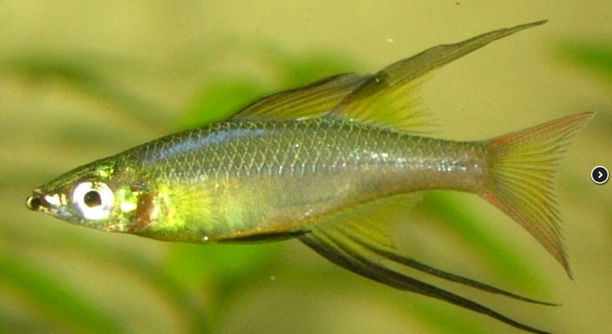
Have you ever noticed how new fish entering a school can change the whole mood underwater? Watching threadfins join their peers is a gentle reminder of how social life flows beneath the waves. Their presence stirs small, interesting changes.
New threadfins entering a school trigger a range of responses from established members, including curiosity, cautious observation, temporary displacement, and slight aggression. These reactions help the school reorganize social hierarchies and ensure coordinated movement and feeding efficiency.
These subtle adjustments may seem minor, yet they reveal the complex social world fish navigate every day. Observing these behaviors offers insight into underwater interactions and group dynamics.
Curiosity and Observation
When new threadfins join a school, the older fish often watch them closely. At first, there is a mix of interest and caution. The newcomers may swim slightly apart, testing the reactions of others. Established members sometimes circle around, keeping distance but staying alert. This careful observation helps both groups adjust to each other. Over time, the newcomers begin to mirror the movements of the school. Their presence challenges the older fish to adapt slightly, changing the rhythm of swimming and feeding patterns. Even subtle behaviors, like a small hesitation before following a turn, show how the group negotiates space and movement. Watching this interaction can feel almost personal, as if the school is quietly deciding how to include the newcomers. These moments of adjustment are essential for maintaining harmony, and they reveal the natural instincts that keep fish safe and coordinated. Curiosity drives this process, blending caution with gentle acceptance as the school finds its balance.
Observation helps fish assess newcomers and determine whether they pose a threat or can be integrated into the school smoothly.
The careful attention older threadfins give to newcomers often lasts only a few hours. Soon, both groups begin moving in sync. Each fish learns the pace and spacing needed for coordinated swimming. These adjustments are crucial for feeding efficiency, predator awareness, and overall survival. Small shifts in position or speed can ripple through the group, showing how even minor changes affect social structure.
Cautious Aggression
Some older fish may show brief aggression toward new threadfins to establish boundaries.
This aggression usually involves quick movements, slight nips, or chasing, but it rarely escalates into serious injury. It serves as a signal to newcomers, clarifying personal space and social ranking. Over time, this behavior decreases as the new fish learn the limits of the group. The intensity of these interactions can depend on the size and number of newcomers, as well as the overall temperament of the school. Interestingly, aggression is not constant; it tends to occur during the first encounters and diminishes as the newcomers integrate. By understanding these moments, observers can see how threadfins negotiate social order naturally, balancing caution with eventual acceptance.
Once the initial aggression fades, the school begins to function as a more unified unit. The new fish are gradually accepted, their movements synchronized with the older members. Coordination improves feeding efficiency and reduces the risk of predation. Social bonds develop subtly through shared movement patterns, and the entire school benefits from the presence of new members. Integration is a gradual process, guided by observation, minor conflicts, and adjustments in spacing. By the end of this period, the newcomers are no longer outsiders but active participants in the school’s collective behavior.
Temporary Displacement
New threadfins can cause small shifts in the positions of established members. Older fish may move slightly to make room, creating temporary gaps or changes in the school’s shape. These movements are usually brief, lasting until everyone finds a comfortable arrangement and the newcomers settle into the group.
The arrival of new fish often leads to subtle adjustments in swimming patterns. Older threadfins may shift to the edges or move slightly behind to allow the newcomers space to join. These changes help maintain the school’s overall cohesion while minimizing stress. During this period, the school may seem less synchronized, but these shifts are temporary. Once the new members are familiar with group behavior, positions stabilize, and normal patterns resume. The process reflects a balance between inclusion and maintaining established order. Even small fish movements carry meaning, showing how social structure is negotiated quietly but effectively.
Temporary displacement also affects feeding and response to threats. Older fish may pause or slow down to avoid collisions with newcomers. This slight disruption allows the school to adjust without compromising safety. Over time, these movements become seamless, and the school operates as a unified entity again. Watching this transition highlights how sensitive fish are to changes in their social environment and how quickly they adapt. The subtle shifts demonstrate cooperation and flexibility within the school.
Mutual Recognition
Fish often recognize newcomers through visual cues and behavior patterns, gradually building familiarity over time. Recognition is not immediate but develops as fish observe and interact with one another consistently.
Mutual recognition plays a crucial role in how the school functions. As older threadfins notice the swimming style, size, and responsiveness of new members, they adjust their movements to maintain coordination. Newcomers, in turn, learn to follow the cues of established members, matching speed and spacing. This ongoing observation helps prevent collisions, ensures smoother feeding, and strengthens group cohesion. Recognition reduces tension, minimizes aggression, and promotes a sense of stability within the school. Over days, the newcomers become integrated, and their presence feels natural rather than disruptive. This process reflects both instinct and adaptability, showing how threadfins rely on social cues to maintain harmony.
By the time recognition is complete, both new and older fish exhibit synchronized behavior that appears almost effortless. Their collective swimming patterns show a shared understanding, with fish responding instantly to changes in direction or speed. This harmony reduces stress and increases survival chances, as predators are more easily detected and avoided. The integration of newcomers strengthens the school’s structure, illustrating the importance of social learning and repeated interaction in maintaining group stability.
Slight Hesitation
New threadfins may pause briefly before following the school’s movements. This hesitation allows them to gauge the group’s behavior and avoid collisions while adjusting to the rhythm of the school.
Older fish sometimes slow down slightly to accommodate newcomers. This shared patience helps maintain cohesion and reduces stress during the early integration period.
Gradual Acceptance
As time passes, the school begins to treat newcomers as part of the group. Older threadfins no longer react aggressively or with excessive caution. Movement patterns become more synchronized, and feeding behavior stabilizes. Social spacing is respected naturally, with each fish understanding its role within the school. Integration leads to a smoother flow, reducing disruptions and enhancing group efficiency. By observing these changes, it’s clear that acceptance is a gradual process, shaped by repeated interactions and subtle adjustments. The newcomers’ presence becomes normalized, and the school functions as a cohesive unit with minimal tension or hesitation.
Harmonized Swimming
Once fully integrated, all fish move in near-perfect unison, creating a balanced and coordinated school that responds efficiently to changes in direction or threats.
FAQ
Why do threadfins react differently to newcomers?
Threadfins are social fish with instincts that guide their interactions. Some react with curiosity, some with caution, and a few may show slight aggression. These reactions are natural ways to assess the newcomers’ behavior, size, and swimming patterns. Observing these differences can help understand group dynamics and safety strategies.
How long does it take for new threadfins to be accepted?
Integration varies depending on the number of newcomers and the school’s size. Small groups may adjust in a few hours, while larger schools may take days. Gradual acceptance occurs as fish learn to synchronize movements, respect spacing, and respond predictably to each other.
Do older fish ever reject newcomers permanently?
Permanent rejection is rare. Most threadfins eventually integrate, although dominant fish may continue subtle monitoring or occasional nips. Complete exclusion only happens if newcomers show threatening or unusual behavior, or if the school is already crowded and cannot maintain safe spacing.
Can aggression harm the newcomers?
Minor aggression, such as nips or short chases, usually does not cause serious injury. It serves as a boundary-setting mechanism. Severe harm is uncommon because the fish instinctively avoid conflict that could disrupt the school’s cohesion or endanger themselves.
Do new threadfins change the school’s feeding patterns?
Yes, temporarily. Newcomers may cause older fish to adjust positions or slow down to avoid collisions. These changes are brief, and feeding efficiency returns as the newcomers learn timing and spacing, allowing the school to function smoothly.
How do threadfins recognize each other?
Recognition relies on visual cues, swimming patterns, and responses to movement. Older fish observe newcomers’ size, speed, and behavior to determine how to integrate them. Newcomers, in turn, match the cues of established members, creating coordinated swimming and reducing stress in the group.
Is it normal for threadfins to hesitate before following the group?
Yes. Hesitation is part of the adjustment process. It helps newcomers gauge spacing, movement, and potential threats. Older fish often slow slightly to accommodate this pause, which minimizes collisions and helps the school maintain harmony during the early integration period.
Do all schools react the same way to new members?
No, reactions vary based on group size, temperament, and previous experiences with newcomers. Some schools are more tolerant and integrate fish quickly, while others show more cautious observation or brief aggression. Patterns may change over time as fish become familiar with new members.
Can repeated introductions of newcomers stress the school?
Frequent additions can temporarily increase tension. Older fish may display repeated aggression or heightened vigilance. However, schools adapt over time, and repeated introductions usually result in faster integration as fish recognize social cues and adjust more efficiently.
What are signs that newcomers are fully accepted?
New threadfins swim in sync with the school, maintain consistent spacing, and are no longer targeted by minor aggression. Feeding is smooth, and the group responds collectively to threats. Full integration is marked by a sense of harmony and coordinated movement throughout the school.
Do threadfins ever form subgroups within a school?
Yes, temporary subgroups can form, especially during feeding or exploring. These are usually short-lived and dissolve as the school returns to synchronized movement. Subgroups help newcomers learn quickly by observing smaller clusters before merging fully with the entire school.
How important is observation in integrating new fish?
Observation is key. Older fish learn about the newcomers’ behavior and temperament, while newcomers watch established members to match movements and social norms. This mutual observation ensures smooth integration, reduces aggression, and strengthens the school’s cohesion over time.
Can environmental factors affect integration?
Yes. Factors such as space, availability of hiding spots, and water conditions influence how easily newcomers are accepted. Crowded or stressful environments can prolong hesitation or aggression, while calm and spacious areas allow quicker adaptation.
Do new threadfins influence the school long-term?
Newcomers can subtly shift the school’s social structure and swimming patterns. Their size, speed, or behavior may lead to minor changes in group hierarchy or spacing. These changes are usually beneficial, promoting adaptability and resilience within the school.
Is it normal for older fish to still monitor newcomers after acceptance?
Yes. Even after full integration, some older fish continue to observe newcomers, ensuring predictable behavior and maintaining social order. This ongoing monitoring helps prevent conflicts and keeps the school functioning efficiently.
How can observing these reactions help fish keepers?
Watching these interactions provides insight into fish health, temperament, and social needs. It helps ensure proper group size, prevents stress, and guides introductions of new fish, promoting a balanced and harmonious aquatic environment.
Are there signs that integration is failing?
Signs include persistent aggression, isolation of newcomers, refusal to feed together, or constant chasing. These indicate stress or social imbalance. Interventions, such as adjusting group size or providing hiding spaces, can help resolve issues and encourage integration.
Do threadfins remember previous newcomers?
Yes, fish have memory of social interactions. Previous experiences influence how older fish react to new members, often resulting in quicker acceptance and less aggression when patterns are familiar. This memory supports smoother integration in the long term.
How do size and number of newcomers affect the school?
Larger or more numerous newcomers may cause more hesitation, displacement, or aggression initially. Smaller, fewer fish are integrated more quickly. The school adapts spacing and movement patterns accordingly, balancing the need for cohesion with the presence of new members.
Can integrating newcomers improve school behavior?
Yes. New fish introduce slight variations in movement and timing, which can increase overall adaptability. Older fish learn to adjust, enhancing coordination, responsiveness to threats, and social flexibility, ultimately strengthening the group’s collective efficiency.
Do threadfins form bonds with newcomers?
While not in the human sense, fish show familiarity and reduced aggression toward specific newcomers. Repeated interactions lead to predictable behavior and trust, making coordinated movement smoother and reducing stress in the group over time.
Final Thoughts
Watching new threadfins join a school shows how even the smallest changes can create ripples in group behavior. At first, their arrival may seem like a disruption. Older fish circle, observe, and sometimes react with quick movements or brief nips. Newcomers hesitate, pause, or shift slightly to adjust. These early stages may appear tense, but they reveal the natural instincts that guide threadfins to balance curiosity, caution, and patience. What seems like conflict is often just communication, a way of setting boundaries and understanding one another. Over time, these interactions give way to smoother patterns, showing that acceptance is not rushed but learned gradually. It highlights how patience, repetition, and subtle adjustments build stability within the school.
Once the first barriers are overcome, the changes become easier to notice. Feeding improves as the newcomers learn timing and spacing, and older fish no longer need to slow down to accommodate hesitation. Aggression fades into occasional monitoring, more symbolic than hostile. Temporary displacement disappears, replaced by coordinated movement that looks seamless and natural. Threadfins mirror each other’s swimming styles until the differences between old and new blur completely. What started as separate groups merges into one, responding instantly to threats and moving with remarkable harmony. This process is not just practical but also fascinating to watch. It shows how survival depends on cooperation, with each fish adapting for the benefit of the whole school. In their behavior, there is a balance of individuality and unity, reminding us that even small creatures rely deeply on social order.
Integration is more than acceptance; it is the foundation of the school’s strength. New members do not weaken the group but add to its resilience. They bring fresh energy, new movement rhythms, and subtle variations that help the school remain flexible in unpredictable environments. The reactions we see—curiosity, hesitation, aggression, recognition, and eventual harmony—form a cycle that keeps the group adaptable and cohesive. Observing this cycle can feel personal because it mirrors patterns found in many forms of social life. Every shift, from initial tension to full synchronization, carries meaning. It proves that adjustment is not immediate, but with time, it becomes lasting. In the end, the school thrives not because differences disappear, but because those differences are absorbed into the rhythm of the group. That simple truth captures the beauty of how threadfins live, connect, and survive together.

Hello,
If you enjoy the content that we create, please consider saying a "Thank You!" by leaving a tip.
Every little bit helps us continue crafting quality advice that supports the health, happiness, and well-being of pets around the world, for pets of all shapes, sizes, and species.
We really appreciate the kindness and support that you show us!