
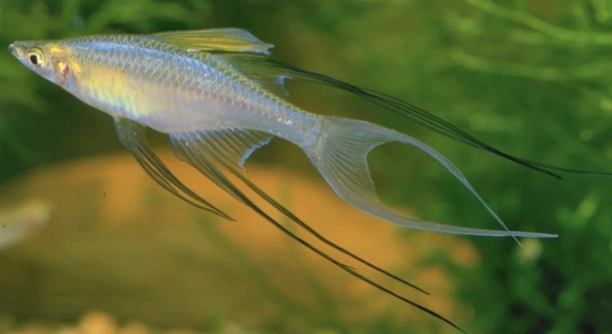
Threadfins are fascinating fish that inhabit coastal waters and estuaries. Observing their daily behavior reveals patterns that help them survive. Their routines are shaped by environmental factors, predators, and food availability, influencing what they avoid.
Threadfins tend to avoid areas with strong currents, shallow waters exposed to predators, bright daylight, sudden disturbances, excessive human activity, low oxygen zones, and regions with high competition for food. These behaviors enhance their survival and reduce stress.
Learning about these habits can improve awareness of their needs. Knowing what threadfins avoid helps in conserving their habitats and understanding their natural behavior more clearly.
Avoiding Strong Currents
Threadfins are not built to fight strong water flows for long periods. They usually stay in calmer waters where they can conserve energy while searching for food. Strong currents make it difficult to maintain position, leading to exhaustion and increased risk of predation. These fish prefer areas near river mouths, estuaries, or shallow bays where water movement is slower. Staying in calmer areas allows them to hunt small invertebrates and plankton efficiently. Juvenile threadfins are particularly vulnerable, as they cannot swim strongly against swift currents. During the day, they often hide near structures like rocks or submerged vegetation to avoid being swept away. Their schooling behavior also helps them navigate mild currents safely. By staying in these protected zones, threadfins reduce the likelihood of being separated from their group. Understanding these patterns is crucial for habitat management, especially in regions affected by tides or human activity. Conservation efforts should account for water flow preferences.
Strong currents limit threadfins’ ability to feed and rest safely. They favor calmer waters to maintain energy and reduce stress.
Observing threadfins in moderate currents shows a clear preference for sheltered areas. They tend to gather near estuary edges or behind natural barriers. Schools move cautiously, often following subtle shifts in water flow. These fish adjust their depth to avoid strong waves, sometimes swimming closer to the bottom. Environmental disturbances such as boating or dredging can disrupt these behaviors. Even temporary exposure to rapid currents may force them into riskier zones with more predators. Protecting slow-moving areas ensures their survival. Monitoring water flow patterns helps predict movement and feeding sites, supporting sustainable fishing practices. Educators and marine guides often point out that calm waters are essential for juvenile growth and adult energy conservation. Overall, avoiding strong currents is a daily survival strategy that shapes where threadfins are found and how they interact with their environment.
Steering Clear of Bright Daylight
Threadfins often avoid bright daylight to reduce visibility to predators.
During daytime, light exposure makes them easy targets. They prefer shaded or deeper areas where sunlight is filtered. This behavior ensures safety while allowing them to feed discreetly and remain alert to changes in their surroundings.
Avoiding Shallow Waters
Threadfins stay away from very shallow areas where predators can easily reach them. They prefer moderate depths that offer cover and safety while still allowing them to find food efficiently.
Shallow waters expose threadfins to birds and larger fish. They often move toward slightly deeper zones where light is less intense and where there are hidden nooks, like submerged roots or rocks. Staying slightly below the surface also helps them avoid sudden temperature changes that can be stressful. Juveniles are particularly cautious, often clustering in small groups to reduce risk. These patterns are instinctive and consistent, ensuring their survival in diverse habitats. Threadfins adapt by moving vertically and horizontally to maintain protection while still accessing enough plankton and invertebrates for nourishment.
In addition to predator avoidance, shallow zones often have less oxygen during the heat of the day. Threadfins avoid these areas to maintain proper respiration. Strong sunlight can heat shallow water quickly, which can increase metabolic stress. By staying in slightly deeper areas, they conserve energy, remain safer, and maintain optimal physiological conditions. Their preference for moderate depth balances food access and protection, showing a clear survival strategy.
Steering Clear of Sudden Disturbances
Threadfins react quickly to sudden movements or loud noises in their environment.
Unexpected disturbances trigger rapid escape responses. This behavior reduces the risk of predation and ensures group cohesion. Sudden shifts in water caused by human activity or other animals make them scatter, often moving toward safer, more stable areas.
When disturbances occur, threadfins exhibit synchronized swimming to stay together. Schools of fish adjust direction instantly to avoid perceived threats. Over time, they learn which areas are prone to frequent disruptions and gradually avoid those zones during daylight hours. This pattern reduces stress and increases feeding efficiency in calmer locations. Such behavior also indicates high awareness of surroundings, highlighting their adaptive survival mechanisms. Human activities, such as boating or fishing, can unintentionally trigger these reactions, showing the importance of monitoring coastal habitats. Observing threadfins in undisturbed areas demonstrates a calmer, more natural behavior that supports growth and reproduction.
Avoiding Excessive Human Activity
Threadfins generally stay away from areas with heavy human presence. Boats, swimmers, and fishing activity disturb their natural behavior, making them seek quieter zones for safety.
These fish are sensitive to noise and vibrations. Consistent human activity can force them to move to less optimal feeding areas, affecting growth and energy levels.
Low Oxygen Zones
Threadfins avoid water with low oxygen levels, which can occur in stagnant or overly warm areas. Low oxygen reduces their ability to breathe efficiently and maintain energy for swimming or hunting.
High Competition for Food
In areas where many species feed on the same resources, threadfins often retreat. High competition increases stress and lowers their chances of accessing sufficient food, prompting them to seek less crowded zones.
Avoiding Predatory Hotspots
Threadfins instinctively avoid regions where predators are frequently present. Staying in safer areas reduces risk and allows them to feed and move with less stress during the day.
FAQ
What do threadfins eat during the day?
Threadfins primarily feed on small invertebrates, plankton, and tiny crustaceans. They often hunt in shallow to moderate depths where food is abundant but safety is maintained. Their feeding is usually more active during early morning or late afternoon when light is less intense, helping them avoid predators.
Why do threadfins avoid bright daylight?
Bright daylight increases visibility to predators, making threadfins more vulnerable. They often stay in shaded areas, under structures, or in slightly deeper water to reduce exposure. This behavior allows them to feed discreetly and remain alert without expending unnecessary energy escaping threats.
How do threadfins react to strong currents?
Threadfins avoid strong currents because swimming against fast-moving water requires excessive energy. They prefer calmer zones, like estuary edges or bays, which allow them to feed efficiently without being swept away. Juveniles are particularly cautious, often staying near protective structures in these calmer waters.
Do threadfins avoid areas with human activity?
Yes, areas with frequent human presence, such as boating or fishing zones, are often avoided. Loud noises and sudden disturbances trigger escape behavior, forcing them to move to quieter, safer waters. Avoiding humans reduces stress and preserves natural feeding patterns.
Why do threadfins stay away from shallow waters?
Shallow waters expose threadfins to predators and fluctuating temperatures. They prefer moderate depths where they can find food safely. Juveniles often cluster in small groups to further reduce risk, while adults may adjust depth to balance safety with access to resources.
How do threadfins handle low oxygen zones?
Low oxygen levels make swimming and feeding difficult. Threadfins instinctively avoid stagnant or overly warm areas with reduced oxygen. Moving to zones with better oxygen content ensures they maintain proper respiration and energy levels throughout the day.
What is the impact of high competition on threadfins?
In crowded feeding zones, threadfins often struggle to access enough food. High competition increases stress and can affect growth. They respond by relocating to less crowded areas where resources are more plentiful, allowing them to feed safely and efficiently.
How do predators influence threadfin behavior?
Predatory presence directly affects where threadfins choose to swim and feed. They avoid hotspots with frequent attacks or high predator density. This avoidance reduces risk, conserves energy, and supports survival while maintaining group cohesion during daytime movement.
Do threadfins form schools for protection?
Yes, schooling is a key survival strategy. Groups provide safety in numbers, making it harder for predators to target individuals. Schools also help them locate food efficiently and respond quickly to environmental disturbances, like sudden changes in water flow or human activity.
Can threadfins adapt to changing environments?
Threadfins are adaptable to moderate environmental changes. They adjust depth, location, and feeding times to avoid threats, low oxygen, or competition. However, significant disruptions, such as pollution or large-scale habitat loss, can limit their ability to survive, highlighting the need for careful habitat management.
How do juvenile threadfins behave differently from adults?
Juvenile threadfins are more cautious than adults. They tend to stay in sheltered zones, often near vegetation or rocks, and form tighter schools. This behavior reduces exposure to predators and ensures safer feeding while they grow and strengthen before venturing into more open areas.
Are threadfins active at night?
Threadfins are generally more active during low-light periods. Nighttime activity allows them to feed with reduced predator risk and less human disturbance. Their daytime avoidance of bright light and high-risk areas supports survival by conserving energy for safer feeding times.
How can understanding threadfin behavior help conservation?
Recognizing their avoidance patterns—like bright light, strong currents, shallow zones, and human activity—helps design protected areas. Conservation strategies can focus on maintaining calm, well-oxygenated waters with minimal disturbances, ensuring threadfins have safe feeding and growth environments.
Do environmental changes affect their feeding patterns?
Yes, factors like water temperature, oxygen levels, and human activity impact feeding behavior. Threadfins may adjust their location, depth, or feeding schedule to cope with these changes. Protecting stable habitats ensures they maintain consistent access to food.
Why is observing threadfins important for fisheries?
Fisheries benefit from understanding threadfin behavior because it helps predict movement patterns, feeding zones, and seasonal distribution. Observing their avoidance of disturbances and predators allows for more sustainable fishing practices while minimizing ecological impact.
How do threadfins respond to sudden disturbances in their habitat?
Sudden changes, such as loud noises or rapid water movements, trigger immediate escape responses. Schools scatter, often moving toward sheltered areas. Frequent disturbances can alter their daily patterns, so minimizing human activity in key zones supports calmer and safer environments for these fish.
What areas are considered safe zones for threadfins?
Safe zones are typically moderate-depth waters with adequate cover, low predator density, and minimal human interference. These areas provide enough food while reducing stress, allowing threadfins to feed efficiently and maintain energy throughout the day.
Can threadfins coexist with other fish species?
Yes, but they avoid areas with high competition. Coexistence works best in regions where resources are abundant and predation risk is low. Threadfins balance feeding efficiency and safety by selecting zones that accommodate both their needs and those of other species.
How do temperature changes influence threadfin behavior?
Sudden temperature shifts in shallow waters can stress threadfins, prompting them to move deeper or seek shaded areas. Maintaining stable, moderate temperatures is crucial for feeding, energy conservation, and overall health.
Are threadfins affected by water pollution?
Pollution negatively impacts threadfins by reducing oxygen levels, contaminating food sources, and increasing stress. Avoiding polluted zones is instinctive, but long-term exposure can reduce survival rates, emphasizing the importance of clean and healthy aquatic habitats.
Final Thoughts
Threadfins display consistent daily habits that help them survive in coastal and estuarine environments. Their behavior is shaped by natural instincts that guide them to avoid areas that pose risks, such as strong currents, shallow zones, and regions with frequent predator activity. By staying in calmer, moderate-depth waters, threadfins can conserve energy while feeding on plankton, small crustaceans, and other invertebrates. These patterns are not random; they are critical for their survival. Juveniles are especially cautious, often clustering in groups to reduce the chance of being singled out by predators. Adults, while slightly bolder, still follow these avoidance strategies, adjusting their depth and location as needed to find safe feeding grounds. Understanding these tendencies provides insight into how threadfins manage daily challenges and maintain energy balance while minimizing threats.
Human activity also plays a role in shaping the daily habits of threadfins. Areas with frequent boating, swimming, or fishing activity are often avoided because the noise and vibrations can trigger stress responses. Sudden disturbances cause threadfins to scatter, interrupting feeding and increasing energy use. Similarly, environmental factors such as low oxygen levels, temperature fluctuations, and competition for food influence their movement patterns. By observing how threadfins respond to these factors, researchers and conservationists can identify key habitats that require protection. Preserving areas with calm water, adequate cover, and stable environmental conditions ensures threadfins have access to the resources they need without unnecessary risk. This knowledge also supports sustainable fishing practices, as understanding their preferred zones helps reduce overfishing and habitat disruption.
Overall, the daily avoidance behaviors of threadfins highlight the importance of their environment in supporting survival and growth. By staying away from bright daylight, strong currents, shallow waters, predatory hotspots, and areas with low oxygen or high human activity, threadfins maintain safety, energy, and feeding efficiency. These patterns are an essential part of their natural behavior, showing adaptability and instinctive decision-making. Observing threadfins in their natural habitat can provide valuable information about ecosystem health and the balance of coastal food webs. Protecting their preferred habitats ensures that threadfins, from juveniles to adults, can continue to thrive and maintain their role in the ecosystem. Understanding these behaviors not only deepens our appreciation for this species but also highlights the need for thoughtful management of coastal and estuarine environments to support their long-term survival.

Hello,
If you enjoy the content that we create, please consider saying a "Thank You!" by leaving a tip.
Every little bit helps us continue crafting quality advice that supports the health, happiness, and well-being of pets around the world, for pets of all shapes, sizes, and species.
We really appreciate the kindness and support that you show us!