
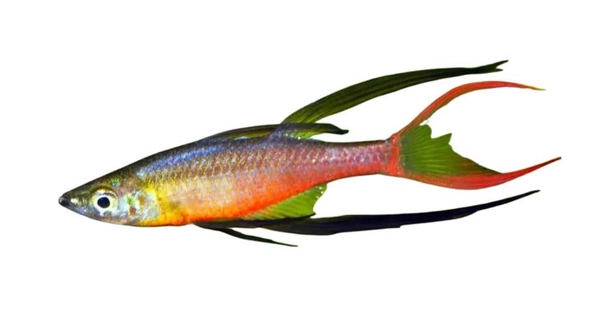
Have you ever noticed your threadfin rainbowfish darting suddenly across the tank or hiding behind plants without warning? Many owners find these small, colorful fish can be surprisingly quick to react to movement or changes in their environment. Their sudden bursts of activity often seem unpredictable and can be concerning for aquarists seeking calm, peaceful behavior. Observing these patterns is a key step in understanding why they act this way and how to provide a more comfortable tank environment.
Threadfin rainbowfish often act skittish due to environmental stressors, sudden movements, and changes in lighting or water conditions. These factors trigger natural flight responses, as the species is evolutionarily adapted to react quickly to potential threats in the wild.
Learning to recognize the subtle signs of stress and understanding their natural instincts can help owners create a safer, calmer habitat for their fish.
Common Triggers for Skittish Behavior
Threadfin rainbowfish are naturally alert and sensitive to changes in their environment. Sudden movements near the tank, loud noises, or even a shadow passing by can startle them. Bright or fluctuating lighting may also contribute to their skittish behavior. In some cases, overcrowding or incompatible tank mates can increase stress, causing them to dart around or hide frequently. Water quality plays a significant role as well; even minor shifts in temperature, pH, or ammonia levels can make them uneasy. Observing these triggers closely helps owners understand why the fish behave nervously and allows them to adjust their setup to promote a calmer habitat. Providing stable conditions, gentle handling, and adequate hiding spaces encourages the fish to feel safe. Over time, this reduces sudden panic responses and helps them display more natural, relaxed behaviors, which makes watching them much more enjoyable for any aquarist.
Environmental changes, noise, and water instability are the main reasons these fish become skittish.
By keeping the tank consistent and predictable, owners can help their threadfin rainbowfish feel secure. Adding plants or decorations for hiding can reduce stress, while avoiding sudden light changes or loud disturbances allows them to swim confidently. Even small adjustments to feeding routines and tank maintenance can significantly improve their sense of safety, gradually minimizing frantic darting behavior. Observing how each fish reacts to these changes provides insight into their comfort level. Properly spaced tank mates prevent territorial disputes, while regular water testing ensures conditions remain stable. Understanding these needs lets owners foster a supportive environment, leading to calmer, healthier fish. Ultimately, attention to detail and patience can transform a skittish tank into one where threadfin rainbowfish move gracefully and predictably, making their bright colors and elegant fins more enjoyable to watch.
Strategies to Reduce Skittishness
Providing stable conditions and gentle handling can make a noticeable difference in fish behavior.
Regular observation, careful tank arrangement, and consistent routines help threadfin rainbowfish feel safe. Adjusting water parameters gradually and minimizing disturbances supports their natural instincts and promotes calmer swimming patterns over time.
Maintaining a Calm Environment
Consistent lighting and minimal sudden movements are essential for reducing skittish behavior. Threadfin rainbowfish respond positively to quiet surroundings and gentle handling. Avoid tapping the glass or rearranging decorations abruptly, as these actions can trigger stress responses and make them dart or hide more often.
Creating a stable and peaceful tank environment starts with proper planning. Position the aquarium away from high-traffic areas and loud appliances. Use a consistent lighting schedule to mimic natural day and night cycles. Adding live plants, driftwood, or rock formations gives the fish secure hiding spots. Regular, gentle feeding routines also provide comfort and predictability. Each small adjustment contributes to an overall sense of safety, which helps reduce skittishness and encourages more natural, relaxed swimming behaviors over time.
Water quality is just as crucial as the physical environment. Regular monitoring of temperature, pH, and ammonia levels prevents stress caused by sudden changes. Even minor fluctuations can trigger skittish responses. Performing partial water changes on a consistent schedule maintains stability. Additionally, ensure that filtration is effective but not creating strong currents that may frighten the fish. Observing how your rainbowfish respond to each adjustment allows for tailored care, making the tank more comfortable. Combining these environmental and water management practices significantly improves the well-being and calm behavior of threadfin rainbowfish.
Feeding Practices That Encourage Calm Behavior
Feeding at regular times and avoiding sudden food drops can help fish feel secure and reduce panic swimming. Consistent feeding routines support predictable behavior patterns and overall comfort in the tank.
Introducing food gradually and in small portions prevents stress and aggressive competition among tank mates. Observing how fish react to feeding can reveal underlying anxiety or health issues. Overfeeding or dropping large amounts of food at once may startle the fish, leading to frantic movements or hiding. Using sinking pellets or slow-release flakes encourages calm foraging without creating turbulence. Rotating food types while maintaining consistency ensures proper nutrition and keeps feeding predictable. Paying attention to each fish’s response allows owners to refine routines, supporting calmer, healthier, and more confident rainbowfish.
Tank Decorations and Hiding Spots
Providing plenty of plants, rocks, and driftwood gives threadfin rainbowfish safe spaces to retreat. These hiding spots reduce stress and make the fish feel secure, which lowers sudden darting or skittish behavior in the tank.
Even small decorations or artificial plants can help create boundaries and private areas. Arranging them thoughtfully ensures open swimming areas while giving the fish options to hide when startled.
Compatible Tank Mates
Choosing peaceful tank mates prevents stress and aggressive interactions. Avoid fast or territorial species that may chase or intimidate threadfin rainbowfish, as this can increase nervous behavior and hiding tendencies.
Gradual Acclimation
Introducing new fish or equipment slowly helps rainbowfish adapt without panic. Sudden changes can trigger skittish responses and disrupt their comfort level.
FAQ
Why do threadfin rainbowfish dart suddenly even when the tank seems calm?
Threadfin rainbowfish are naturally alert and sensitive to their surroundings. Even small movements, shadows, or changes in lighting can trigger instinctive flight responses. This behavior is a survival mechanism inherited from their wild ancestors, allowing them to react quickly to potential threats.
How can I tell if my rainbowfish is stressed or just active?
Stress in threadfin rainbowfish often shows as constant hiding, erratic swimming, or loss of color. Active, healthy fish may swim quickly at times but generally explore the tank, feed well, and interact with other fish without prolonged hiding or frantic movements.
Can tank size affect skittish behavior?
Yes, smaller tanks or overcrowded conditions can increase stress levels. Limited swimming space and territorial conflicts make the fish feel unsafe. Providing adequate space and a proper number of fish per tank helps them feel secure and reduces sudden panic movements.
Do lighting changes cause skittishness?
Sudden changes in light, especially bright overhead lights, can startle rainbowfish. They respond best to gradual lighting transitions or consistent light cycles that mimic natural day and night patterns. Dim or flickering lights should be avoided to maintain calm behavior.
How important are hiding spots in the tank?
Hiding spots are essential for rainbowfish to feel secure. Plants, rocks, and driftwood give them refuge when startled. Without sufficient hiding areas, fish are more likely to dart, bump into decorations, or become overly stressed. Even small or artificial decorations help provide comfort.
Will compatible tank mates reduce skittishness?
Absolutely. Peaceful, non-territorial tank mates prevent aggressive interactions that increase stress. Fast, territorial, or large fish may chase or intimidate rainbowfish, triggering panic behavior. Observing interactions and adjusting species selection can make the tank environment calmer for all inhabitants.
Does feeding routine impact their behavior?
Yes, consistent feeding schedules reduce anxiety. Rainbowfish benefit from small, gradual feedings rather than sudden large portions. Overfeeding or dropping food abruptly can startle them. Rotating food types while keeping feeding times predictable supports calmer, more confident behavior in the tank.
Can water quality changes make them nervous?
Even minor changes in temperature, pH, or ammonia levels can stress rainbowfish. Regular testing and consistent water maintenance are key. Gradual adjustments to water conditions prevent sudden panic responses and help the fish remain relaxed and healthy.
Is it normal for them to hide a lot at first?
Yes, new or relocated rainbowfish often hide while adjusting to a new tank. Gradual acclimation, consistent environment, and plenty of hiding spots help them feel secure and eventually swim more confidently around the tank.
Do decorations or plants affect skittishness?
Yes, thoughtful decoration placement helps reduce stress. Hiding spots give the fish options for retreat and create a sense of territory. Overcrowding or poorly arranged decorations may increase panic swimming, while balanced setups support calmer, more natural behavior.
How long does it take for them to become comfortable?
Adjustment periods vary by individual fish and tank conditions. With consistent environment, proper hiding spaces, and gentle care, threadfin rainbowfish typically become calmer within a few weeks. Monitoring their reactions and making gradual improvements accelerates the process.
Can loud noises outside the tank affect them?
Yes, vibrations and loud sounds can startle rainbowfish. Placing the tank in a quieter area and avoiding tapping or banging near the tank reduces stress and minimizes sudden darting behavior.
Are skittish movements a sign of illness?
Not always, but persistent erratic swimming, color loss, or refusal to eat may indicate health problems. Monitoring water quality, feeding, and overall activity helps distinguish normal nervous behavior from signs of disease.
Do temperature fluctuations trigger skittish behavior?
Yes, sudden increases or drops in temperature can make rainbowfish anxious. Maintaining stable water temperature and using a reliable heater or chiller prevents stress-induced darting or hiding tendencies.
How can I help new additions adapt without stress?
Acclimate new fish slowly using drip methods or gradual water mixing. Introduce them to the tank carefully, provide hiding spots, and minimize sudden changes. This reduces panic and helps them feel safe while adjusting to their new environment.
Can I reduce stress with background decorations or tank covers?
Yes, adding background decor or partially covering the tank can reduce external visual disturbances. This creates a more secure environment and helps rainbowfish feel less exposed, lowering sudden skittish reactions.
Do social interactions within a school affect behavior?
Yes, threadfin rainbowfish feel more confident in groups. A proper school size reduces fear and promotes natural, relaxed swimming. Isolated fish may be more nervous and prone to hiding or darting, highlighting the importance of social dynamics for calm behavior.
Is it normal for them to react to my movements near the tank?
Yes, rainbowfish are sensitive to nearby activity. Moving slowly, avoiding sudden gestures, and minimizing tapping on the glass reduces stress and allows them to swim confidently without frequent startle responses.
What signs indicate my adjustments are working?
Calmer swimming, reduced hiding, brighter colors, and regular feeding behavior are indicators. Observing gradual improvements helps confirm that stable environment, proper tank mates, and consistent routines are effective in reducing skittish behavior.
How do I balance natural instincts with a calm tank environment?
Provide hiding spots, stable water, compatible tank mates, and predictable routines. Respect their natural alertness while minimizing external stressors. This balance allows threadfin rainbowfish to express healthy instincts without excessive panic or skittishness.
Can adding slow-flow water features help?
Yes, gentle currents or air-driven features can encourage relaxed swimming. Strong or turbulent flow may stress the fish, but controlled water movement simulates natural conditions and supports calmer behavior over time.
Are some individuals naturally more skittish than others?
Yes, personality differences exist. Some rainbowfish may always be more cautious or reactive. Understanding individual tendencies and adjusting care accordingly helps maintain a comfortable and stress-free tank for all fish.
Does tank location in a room matter?
Yes, placing the tank away from high-traffic areas, loud appliances, and sudden light changes reduces stress. A quieter location allows rainbowfish to feel safe and limits sudden skittish reactions, promoting consistent, relaxed swimming habits.
Can enrichment activities reduce nervous behavior?
Yes, adding plants, decorations, and varied feeding methods provides mental stimulation. Enrichment reduces boredom and anxiety, encouraging confident, natural movements and less frequent panic responses.
What is the best overall approach to prevent skittishness?
Maintain stable water conditions, provide hiding spots, use compatible tank mates, follow consistent feeding routines, and minimize sudden disturbances. Observing behavior and making gradual adjustments ensures a calm, comfortable environment, supporting healthy, confident threadfin rainbowfish.
How often should I monitor their behavior?
Daily observation is ideal. Regular monitoring allows you to notice subtle signs of stress or discomfort, address environmental issues promptly, and ensure that adjustments are effective in reducing skittish movements.
Can skittish behavior ever be completely eliminated?
Not entirely, as it is a natural survival instinct. However, consistent care, stable conditions, and proper tank management can significantly reduce panic responses and help rainbowfish feel secure in their environment.
Are certain tank setups better for skittish fish?
Yes, tanks with moderate decorations, calm water flow, and stable lighting reduce anxiety. Balanced school sizes, adequate space, and secure hiding areas all contribute to a less skittish, more confident group of rainbowfish.
Do seasonal changes affect their behavior?
Yes, changes in room temperature, lighting, or water conditions during seasonal shifts can influence skittishness. Monitoring these factors and adjusting gradually helps maintain a stable environment and prevents unnecessary stress for the fish.
How long should acclimation take for new equipment?
Introduce new filters, heaters, or decorations slowly. Gradual changes prevent sudden startle responses and allow rainbowfish to adapt without increased nervousness or hiding tendencies. Consistency is key to minimizing stress during equipment updates.
Is it normal for rainbowfish to stay hidden after maintenance?
Yes, minor hiding after water changes or tank cleaning is normal. They may need time to feel safe again. Providing hiding spots and minimizing sudden movements during maintenance supports a smoother adjustment period.
Can noise from household activities affect their comfort?
Yes, vibrations, loud footsteps, and nearby appliances can startle rainbowfish. Placing the tank in a quiet area and avoiding tapping or banging on the glass reduces skittish responses and helps maintain calm swimming behavior.
What is the role of plant density in reducing stress?
Dense planting offers multiple hiding spots and creates a secure environment. Well-planned plant placement reduces panic swimming and provides natural boundaries, making rainbowfish feel safer and more confident in the tank.
Are threadfin rainbowfish more nervous than other species?
They tend to be more sensitive than some other freshwater fish. Their alertness and quick flight responses are natural traits. Understanding this helps owners provide an environment that accommodates their instincts while reducing stress.
How can I tell if my care adjustments are effective?
Look for calmer swimming, less hiding, brighter colors, and regular feeding. Positive changes indicate that environmental, social, and feeding adjustments are successfully reducing skittish behavior. Regular observation ensures ongoing effectiveness.
Do temperature swings from heaters or windows affect behavior?
Yes, sudden temperature changes can cause stress and erratic swimming. Using reliable heaters and avoiding direct sunlight on the tank helps maintain stable conditions and reduces nervous responses.
Can gradual introduction of new fish help reduce stress?
Yes, slow acclimation allows rainbowfish to adjust to newcomers without panic. Drip acclimation, providing hiding spots, and minimal initial interaction support smoother integration and calmer behavior for all fish.
Is monitoring behavior more important than water testing?
Both are important. Observing behavior identifies stress or discomfort, while water testing ensures environmental stability. Combining careful observation with regular testing provides a comprehensive approach to minimizing skittishness and promoting healthy fish.
How much space do threadfin rainbowfish need to feel secure?
Adequate swimming space is essential. Crowded tanks increase stress and trigger nervous behavior. Providing open areas along with hiding spots supports natural movement, reduces panic responses, and improves overall comfort for the fish.
Can decorations alone reduce skittishness?
Decorations help, but they are most effective when combined with stable water, compatible tank mates, consistent feeding, and minimal disturbances. Together, these factors create a secure environment that encourages calm, confident behavior.
Do rainbowfish remember stressful events?
Yes, they can associate certain disturbances or movements with stress. Minimizing repeated stressors, such as sudden light changes or rough handling, helps them feel safer over time and reduces panic responses.
Is skittish behavior more common in younger fish?
Yes, juveniles are generally more cautious and reactive. Providing hiding spots, gentle care, and gradual acclimation helps younger fish adjust more comfortably and reduces frequent darting behavior.
Can adding a background or cover calm the fish?
Yes, a solid background or partial cover limits visual disturbances and reduces anxiety. This makes rainbowfish feel less exposed and encourages calmer swimming throughout the tank.
Are there long-term effects of frequent skittish behavior?
Chronic stress can affect growth, immune response, and overall health. Minimizing panic triggers and maintaining a stable environment supports long-term well-being and healthier, more confident rainbowfish.
How do I know if my fish are comfortable with tank mates?
Calm swimming, minimal hiding, and peaceful interactions indicate compatibility. Aggressive behavior, chasing, or frequent darting signals incompatibility, requiring adjustments to tank mate selection to reduce stress.
Do diet and nutrition affect nervousness?
Proper nutrition supports overall health and resilience to stress. A balanced diet reduces anxiety, improves energy, and encourages confident swimming, making fish less prone to skittish behavior.
Can slow-moving currents improve comfort?
Yes, gentle water flow mimics natural conditions and encourages relaxed swimming. Strong currents may increase stress, while moderate, consistent flow promotes calmer, more predictable behavior.
Is consistency more important than variety in care routines?
Both matter, but consistency is crucial for reducing skittishness. Predictable feeding, lighting, and maintenance routines provide stability, while occasional variety in enrichment or diet supports overall well-being without causing stress.
Can repeated exposure to certain stimuli reduce nervousness?
Gradual, controlled exposure can help rainbowfish habituate to non-threatening stimuli. Over time, they may react less dramatically to predictable movements or mild disturbances, reducing skittish behavior while maintaining natural alertness.
What is the best way to monitor improvement?
Regular observation and recording behavior changes help track progress. Noting reduced hiding, calmer swimming, and more consistent feeding patterns confirms that care adjustments are effective and that rainbowfish are adapting well.
Do older fish become less skittish?
Often, yes. Mature rainbowfish are more confident due to experience and acclimation. However, they may still react to sudden changes, so maintaining stable conditions is always important.
Are threadfin rainbowfish naturally jumpers?
They can leap if startled. A secure lid or cover prevents accidents and reduces panic responses caused by sudden fright or environmental disturbances.
Can breeding behavior increase nervousness?
Yes, spawning periods may heighten alertness and activity. Providing ample hiding spots and maintaining stable conditions helps minimize stress and allows the fish to exhibit natural breeding behaviors calmly.
Do seasonal light changes affect behavior?
Yes, fluctuations in daylight or artificial lighting can impact activity levels and nervousness. Gradual light transitions and consistent schedules help rainbowfish remain calm and reduce sudden darting movements.
Can introducing enrichment too quickly cause stress?
Yes, abrupt changes in decorations or new objects may startle rainbowfish. Gradual introduction of enrichment allows adaptation and promotes calmer interactions with the tank environment.
How long should I observe behavior after changes?
Observe daily for at least one to two weeks after adjustments. This allows time to gauge reactions, assess comfort, and ensure that new conditions are effectively reducing skittish behavior.
Is it better to adjust multiple factors at once or gradually?
Gradual adjustments are more effective. Changing one factor at a time, such as water parameters or lighting, allows fish to adapt without stress and helps identify which adjustments improve comfort.
Can calming decorations like caves or plants reduce startle responses?
Yes, these provide security and break visual lines that may otherwise trigger panic. Balanced placement supports natural behavior and reduces nervous, darting movements.
Are threadfin rainbowfish more nervous than other rainbowfish species?
They are generally more sensitive due to their natural alertness and quick flight instincts. Understanding their tendencies helps tailor care to reduce skittish behavior and promote calmer swimming.
Does tank cleaning affect behavior?
Routine cleaning can temporarily increase hiding or darting. Gentle handling, partial maintenance, and maintaining stable water parameters help minimize stress and ensure fish return to normal activity quickly.
How do I know if the water flow is too strong?
If rainbowfish consistently struggle to swim or hide frequently near calm areas, the current may be too strong. Adjusting filters or air stones can create a more comfortable, gentle flow.
Can visual barriers between tank sections help reduce stress?
Yes, partial barriers or plants create separate zones, reducing territorial disputes and visual overstimulation. This encourages calm swimming and minimizes sudden, skittish movements.
What role does tank depth play in skittish behavior?
Shallow tanks may feel more exposed, increasing nervous behavior. Moderate depth, combined with hiding spots and decorations, provides security and encourages relaxed swimming patterns.
Do rainbowfish respond to human presence?
Yes, they notice nearby movements. Slow, predictable actions near the tank reduce panic responses, while sudden gestures or tapping can startle and increase nervous behavior.
How do I prevent panic during water changes?
Introduce water slowly, maintain similar temperature and pH, and avoid sudden movements. Providing hiding spots during maintenance helps rainbowfish feel secure and reduces stress-related darting.
**Are neon or bright-colored decorations better for calming
Final Thoughts
Taking care of threadfin rainbowfish requires attention to both their environment and their natural instincts. These fish are naturally alert, and their skittish behavior is part of who they are. It is important to provide a stable environment where they feel secure. Proper tank size, water quality, and temperature all play a role in keeping them comfortable. Overcrowded tanks or sudden changes in their surroundings can increase stress. Observing their behavior daily helps identify when they are comfortable and when adjustments are needed. Small, consistent changes in care are usually more effective than abrupt shifts, which can further stress the fish.
Providing hiding spots and decorations in the tank is essential for their sense of security. Plants, rocks, and caves give rainbowfish areas to retreat when startled or when they simply want to feel safe. Even artificial decorations or simple shelters can make a big difference in reducing panic swimming and nervous darting. Lighting should also be considered carefully. Sudden changes in light or overly bright illumination can startle them. Maintaining a gentle, consistent light cycle and avoiding abrupt transitions helps rainbowfish adjust more easily to their environment.
Social dynamics are another key factor in their comfort. Threadfin rainbowfish are schooling fish and usually feel more confident when kept in groups. Properly sized schools prevent loneliness while reducing excessive nervous behavior. Compatible tank mates also matter; peaceful species help maintain a calm atmosphere, whereas aggressive or territorial fish can increase stress. Feeding routines should be predictable, and a balanced diet supports their overall health. By combining stable water conditions, appropriate tank mates, adequate hiding spots, and consistent care, owners can create a comfortable environment where rainbowfish feel secure. Over time, they often become calmer and display more natural, confident swimming behavior, making them enjoyable and rewarding fish to care for.

Hello,
If you enjoy the content that we create, please consider saying a "Thank You!" by leaving a tip.
Every little bit helps us continue crafting quality advice that supports the health, happiness, and well-being of pets around the world, for pets of all shapes, sizes, and species.
We really appreciate the kindness and support that you show us!