
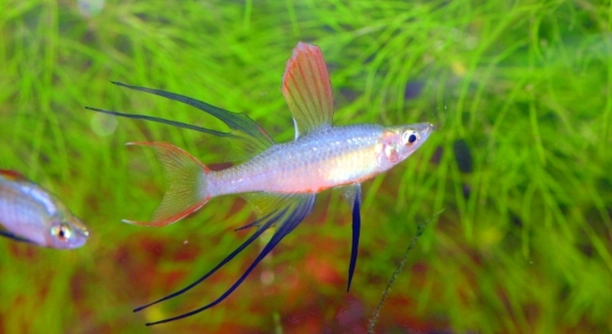
Have you ever watched threadfin swim in calm waters and noticed their patterns shift without warning? Their movements can seem simple, yet many hidden factors quietly influence how and where they glide throughout their environment.
Threadfin swimming patterns are primarily affected by environmental conditions, water temperature, food availability, social interactions, predation risk, habitat structure, and seasonal changes. Each factor interacts with the fish’s physiology and behavior, shaping how they navigate and utilize their surroundings.
Understanding these influences can help you better observe and support threadfin in natural or controlled habitats. Small changes in the environment can have noticeable effects on their swimming behavior.
Water Temperature
Water temperature plays a crucial role in threadfin swimming patterns. When the water is warmer, their metabolism increases, making them more active and agile. Cooler temperatures slow them down, leading to shorter movements and less frequent gliding. Seasonal shifts can also change temperature, forcing threadfin to adapt. These fish prefer a narrow temperature range that allows them to move efficiently while conserving energy. Rapid temperature changes can stress them, causing erratic swimming or hiding behaviors. In some cases, prolonged exposure to unsuitable temperatures can impact their health, making them more prone to disease. Maintaining a stable water temperature in aquaculture or observation tanks is important. Even small differences, just a few degrees, can alter how threadfin interact with their environment and each other. Observing their swimming speed and patterns can give clues about the water conditions. Experienced caretakers often notice subtle changes in behavior before obvious signs of stress appear, helping them take preventive measures quickly.
Temperature shifts directly affect threadfin activity levels and swimming behavior, with warmer waters increasing movement and cooler waters reducing overall activity and speed.
Monitoring water temperature consistently ensures threadfin remain healthy, active, and able to display natural swimming patterns. Temperature management can prevent stress and maintain predictable behavior.
Food Availability
Food availability strongly impacts threadfin movement. When food is plentiful, they swim more freely and explore larger areas. Limited food can make them conserve energy, reducing overall activity.
Threadfin adjust their swimming based on how and where they find food. They often gather in areas where feeding is consistent, developing predictable movement routes. In natural habitats, seasonal changes can influence food sources, prompting them to change patterns to optimize feeding. For instance, plankton blooms can increase swimming activity as they search actively for nourishment. In tanks or ponds, feeding schedules also shape how threadfin move. Fish may become conditioned to swim to certain spots at feeding times. Over time, consistent food availability encourages healthy activity and balanced exercise, while erratic feeding can stress them and lead to unpredictable patterns. Understanding how food drives movement helps observers predict behavior and provide conditions that support their natural rhythms, promoting overall health and comfort in both wild and controlled environments.
Social Interactions
Threadfin often change swimming patterns depending on their group dynamics. When in schools, they move in coordinated ways, but isolated individuals swim differently, sometimes more cautiously or slowly.
Being around other fish affects threadfin behavior significantly. In a group, they follow collective cues, matching speed and direction to stay together. Schooling offers safety from predators, and fish adjust their position constantly, creating a fluid pattern. In contrast, a lone threadfin may explore less or stay near shelter, minimizing exposure. Social hierarchy also plays a role, with dominant individuals sometimes controlling movement within the group. Observing their interactions can reveal who leads and how the group responds to threats or opportunities. In managed environments, keeping an appropriate number of threadfin together encourages natural swimming behavior.
These social cues are essential for their navigation and survival. Schooling behavior enhances efficiency in foraging and predator avoidance, showing how deeply social interactions guide movement in threadfin populations.
Predation Risk
Threadfin adjust swimming speed and direction based on perceived threats. Sudden movements or hiding are common when predators are nearby.
Predation shapes not only immediate swimming behavior but long-term habits. Threadfin often prefer areas with cover or places that allow quick escape. In open waters, they may stay closer to the bottom or near structures that provide safety. These fish are constantly assessing their surroundings, balancing the need to feed with the need to avoid danger. Even minor signs of predators can trigger rapid, erratic swimming to confuse attackers. Over time, repeated exposure to threats can create more cautious and deliberate movement patterns, influencing how they use space and interact with each other. In aquaculture or observation settings, minimizing stress from potential threats ensures more natural swimming behavior, as constant perceived danger can lead to fatigue and impaired growth.
Habitat Structure
Threadfin swimming patterns are strongly influenced by their environment. Rocks, plants, and underwater structures provide guidance and shelter, shaping how they move.
Open spaces encourage longer, faster swimming, while dense vegetation or complex structures slow them down and create more intricate patterns.
Seasonal Changes
Seasonal shifts impact water temperature, food availability, and breeding behavior, all of which alter swimming patterns. Threadfin often move differently during wet and dry periods, adjusting activity levels to match environmental conditions. Changes in daylight and water flow also influence their timing and routes of movement, showing a clear link between seasons and swimming behavior.
Water Flow
Current strength and direction shape threadfin movements. They often swim with or against currents, adjusting speed and energy use accordingly.
FAQ
How does water temperature affect threadfin swimming?
Threadfin are very sensitive to changes in water temperature. Warmer water speeds up their metabolism, causing faster and more frequent swimming. Cooler water slows them down, making movements more deliberate and conserving energy. Sudden shifts in temperature can stress the fish, leading to irregular swimming or hiding behavior. Maintaining a stable temperature helps threadfin stay active and healthy. Observing their speed and activity can give insight into whether the water conditions are suitable for them.
Do threadfin swim differently when food is scarce?
Yes, food availability directly impacts swimming patterns. When food is plentiful, threadfin explore wider areas and swim more actively. When food is limited, they conserve energy, staying in smaller areas or near shelter. In natural habitats, seasonal variations in food supply influence their routes and activity levels. In tanks or ponds, regular feeding schedules encourage predictable movement and exercise, while inconsistent feeding may stress them, causing slower or irregular swimming.
How do social interactions influence threadfin behavior?
Threadfin respond strongly to group dynamics. In schools, they move in coordinated patterns to stay together, which enhances safety and efficiency. Lone individuals swim more cautiously and may stick closer to shelter. Dominance hierarchies within groups also affect positioning and movement speed. Observing social behavior helps predict swimming patterns and ensures a balanced environment in controlled habitats.
Does predation risk change how threadfin swim?
Predation has a major impact on swimming behavior. Threadfin react with sudden bursts, erratic movements, or hiding when they sense threats. Even minor cues of predators can cause rapid changes in direction. Over time, repeated exposure makes them more cautious, influencing how they navigate and choose feeding areas. Reducing stress from perceived threats in captivity helps maintain natural swimming behavior.
Can habitat structure influence threadfin movement?
Yes, the arrangement of rocks, plants, and other structures strongly shapes their swimming. Dense vegetation or complex terrain slows movement and creates more intricate patterns, while open areas allow for longer, faster swimming. Proper habitat design encourages natural behavior, improves exercise, and supports safety by providing shelter and escape routes.
Do seasonal changes affect swimming patterns?
Seasonal shifts affect temperature, food, and breeding, all influencing movement. Wet and dry periods can alter swimming activity and preferred areas. Daylight and water flow changes also guide when and where threadfin swim. Observing seasonal variations helps understand their natural rhythms and supports better care in managed environments.
How does water flow impact threadfin behavior?
Currents and flow strength directly shape swimming. Threadfin adjust speed and direction to navigate currents efficiently. Strong currents may encourage more energy-efficient swimming, while still water allows slower, more relaxed movement. Understanding water flow helps provide suitable habitats, ensuring they can exhibit natural swimming patterns and maintain healthy energy levels.
Do threadfin show different swimming patterns during breeding?
Yes, breeding periods can change activity. Males and females may increase movement for courtship or find specific areas for spawning. These periods often lead to more concentrated activity in smaller areas, while outside breeding seasons, swimming is more exploratory and spread out. Recognizing these patterns helps in monitoring health and reproduction.
Can feeding methods alter swimming behavior?
The way threadfin are fed can influence movement. Surface feeding encourages upward swimming and bursts of speed, while bottom feeding promotes slower, more deliberate exploration of the substrate. Regular and consistent feeding patterns support predictable swimming habits and overall well-being, while inconsistent methods may stress the fish and lead to erratic movement.
Is it possible to predict threadfin swimming behavior?
Observing environmental factors, social dynamics, and seasonal changes allows a reliable prediction of swimming patterns. Careful monitoring of water conditions, food availability, and group behavior helps understand likely movement, making it easier to manage both wild and captive populations effectively.
This FAQ provides practical insight into the main factors affecting threadfin swimming, helping maintain their health, safety, and natural behavior in any environment.
Threadfin are fascinating fish whose swimming patterns reveal a lot about their environment and behavior. Observing them closely shows how sensitive they are to changes in water temperature, food availability, social interactions, and habitat structure. Even small adjustments in these factors can have noticeable effects on how they move. For example, slightly warmer water can increase their activity, while cooler water may slow them down. Similarly, the presence or absence of other fish influences how confidently they swim, as schooling behavior offers safety and coordination. These fish adapt quickly to changes, and their movements provide clues about their health and comfort levels. Paying attention to these patterns can help anyone managing or observing threadfin create conditions that support natural behavior.
Understanding threadfin swimming also involves recognizing how external factors like predation risk and seasonal changes influence their behavior. When predators are nearby, threadfin may swim more erratically or hide among plants and structures. Seasonal shifts in temperature, water flow, and food availability also change how and where they swim. During times of abundant food, they are more active and explore larger areas, while scarce food can lead them to conserve energy. Similarly, breeding seasons often result in more concentrated swimming in specific areas, with males and females actively seeking mates or preparing spawning sites. These patterns show that threadfin behavior is closely tied to their environment and daily needs, highlighting the importance of careful observation and consistent care in controlled habitats.
Providing the right conditions for threadfin requires a combination of stable water temperature, adequate food, appropriate social groupings, and structured habitats. By maintaining consistent water conditions and providing spaces that allow both open swimming and shelter, it is possible to support their natural movement. Observing how threadfin respond to these conditions can guide improvements in tank or pond management, ensuring that they remain healthy, active, and comfortable. Recognizing the subtle cues in their swimming patterns allows caretakers and observers to adjust environmental factors before problems arise. Overall, paying attention to the interplay of temperature, food, social dynamics, habitat, predation, and seasonal changes offers valuable insight into threadfin behavior and well-being, making it easier to support their natural instincts while providing a stable and safe environment.

Hello,
If you enjoy the content that we create, please consider saying a "Thank You!" by leaving a tip.
Every little bit helps us continue crafting quality advice that supports the health, happiness, and well-being of pets around the world, for pets of all shapes, sizes, and species.
We really appreciate the kindness and support that you show us!