
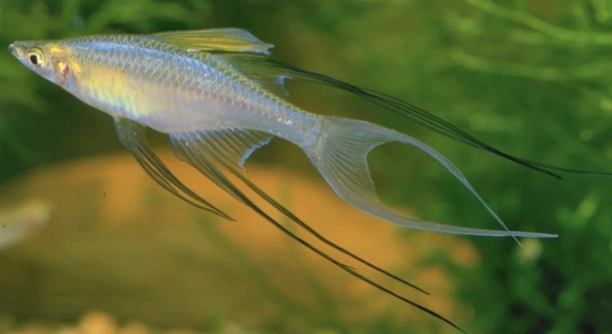
Do you ever notice threadfins disappearing more than usual in familiar waters? These fish have unique behaviors that make them elusive at certain times. Observing them closely can reveal patterns that are not always obvious at first glance.
Threadfins may hide more than usual due to changes in water temperature, increased predator activity, reproductive cycles, food scarcity, human disturbance, environmental stress, or seasonal migrations. These factors influence their behavior, causing them to seek shelter or remain concealed.
Understanding these patterns can help anglers and enthusiasts better anticipate threadfin movements and interactions. Recognizing when and why they hide provides insight into their habits and the ecosystems they inhabit.
Changes in Water Temperature
Threadfins are very sensitive to water temperature. When the water becomes colder or warmer than usual, they often move to deeper or shaded areas to maintain comfort. I’ve noticed that during sudden temperature shifts, threadfins vanish from their usual spots, leaving the surface seemingly empty. They prefer stable temperatures, and even small changes can make them hide. In shallow waters, warming sun or cooling winds can affect their behavior quickly. Temperature influences not only their location but also their activity levels. During colder periods, their movement slows, and they stay hidden to conserve energy. Warmer waters can make them more active but also cautious, prompting them to seek cover under vegetation, rocks, or submerged structures. Observing these patterns over time gives a clear indication of how sensitive they are to environmental changes. Consistency in temperature often results in more predictable sightings.
Temperature changes can lead threadfins to seek shelter in deeper or shaded areas to maintain optimal living conditions.
Watching the way threadfins respond to water temperature changes has taught me patience. Even small shifts can make them hide for hours. Understanding this helps me plan when to observe or fish them without disturbing their routines.
Increased Predator Activity
Threadfins tend to stay hidden when predators are nearby. Birds, larger fish, and other animals make them cautious. Even if the water seems calm, they can detect threats through movement or vibrations. I’ve seen threadfins disappear instantly when a shadow passes overhead. Their natural instinct is to blend with the surroundings, hiding among weeds, submerged logs, or rocks. This behavior ensures survival but makes them harder to find for anyone trying to observe them. Predation risk is higher in shallow waters, where cover is limited. In areas with lots of human activity, threadfins may also mistake boats or swimmers for predators and retreat. Consistent predator presence changes their feeding times, often pushing them to feed during low-light periods. Noticing these subtle changes helps track their behavior patterns. Over time, it becomes clear that safety drives most of their hiding.
Threadfins adjust their behavior around predators, often feeding during safer, quieter periods and using natural cover to remain concealed.
When predators are active, threadfins rely heavily on camouflage and timing. They may move slowly, stay close to structures, or feed only in sheltered areas. For example, in rivers with frequent bird activity, I’ve observed them shifting from open water to shaded banks. This affects not only their feeding but also social behavior. Schools may spread out more to reduce risk, and some individuals stay hidden longer than others. Even slight disturbances, like a fishing line or a passing kayaker, can trigger hiding responses. Over weeks of observation, it becomes clear that predator presence directly shapes where and when threadfins appear. Recognizing these patterns is useful for anyone spending time near their habitats, as it allows for more respectful observation and understanding of their natural responses to threats.
Reproductive Cycles
Threadfins often hide during spawning periods. They choose secluded areas with cover to protect eggs and fry from predators. Observing them, I’ve noticed a shift from open waters to sheltered spots when reproduction begins. This behavior is consistent each year.
During reproduction, threadfins become more cautious and selective about their movements. Males may patrol specific territories while females stay hidden among vegetation or submerged debris. These hiding spots reduce the risk of losing eggs or young to predators. Feeding patterns may also change, with less time spent in open water. The energy spent on reproduction means they are less visible and less active during the day. Noticing these changes helps me predict where they might be concentrated without disturbing their nesting sites.
I’ve seen firsthand how protective threadfins are during reproductive cycles. They often retreat to areas with strong cover, such as dense weeds or rocky ledges. Even when the water is calm, these hiding spots provide security for eggs and young fish. During this time, they may only come out briefly to feed, quickly returning to concealment. Their behavior emphasizes the importance of safe habitats for successful reproduction. For anyone observing them, it’s a reminder to respect these periods and avoid interference, as disturbances can cause stress and reduce survival rates for the next generation.
Food Scarcity
When food is scarce, threadfins hide more to conserve energy and avoid unnecessary exposure. They spend time in sheltered areas instead of moving openly in search of food, which I’ve noticed during dry seasons or after storms.
Limited food resources force threadfins to change feeding habits. They may rely on smaller, more hidden prey and stay close to protective cover. Schools may shrink as individuals spread out to reduce competition. Hiding reduces energy expenditure and keeps them safe from predators while they forage strategically. Over time, their movements become more deliberate and less frequent. Observing these periods teaches me patience, as the fish are focused on survival rather than activity.
During scarcity, threadfins carefully balance energy use and feeding opportunities. They move slowly, sticking to areas where small prey is likely. Even minor disturbances can make them retreat further into cover. I’ve seen them avoid open spaces for days, only venturing out when food is abundant or when it is safest to do so. Understanding this behavior helps in predicting their locations and feeding windows. It also highlights how environmental changes, such as droughts or overfishing, directly affect their visibility and habits. Their response is a reminder that survival often dictates when and how they appear.
Human Disturbance
Threadfins often retreat when there is increased human activity. Boats, swimmers, or even loud noises make them cautious. I’ve noticed that areas near popular fishing spots see fewer visible fish.
Even small disturbances, like shadows or vibrations, can cause threadfins to hide. They prefer quiet, undisturbed waters where they feel safe.
Environmental Stress
Pollution, silt, or sudden changes in water quality cause threadfins to seek shelter. Poor water conditions affect their breathing and feeding, making hiding essential. They often move to cleaner pockets or areas with strong cover to cope with stress. Observing these changes reminds me how sensitive they are to their surroundings.
Seasonal Migrations
Threadfins hide more during migrations to conserve energy and avoid threats. Moving between habitats, they spend time in cover along rivers or coastal areas. These periods require rest, safety, and food, making hiding a natural part of their migration routine.
Social Behavior
Threadfins sometimes stay hidden when schools split or when dominance shifts occur. Shy or subordinate fish often remain out of sight, avoiding confrontations and maintaining safety within the group.
Why do threadfins hide more in certain seasons?
Threadfins adjust their behavior depending on seasonal changes. Temperature, water levels, and food availability all fluctuate, which influences their need for shelter. I’ve noticed during warmer months they often move to shaded or deeper areas to avoid overheating, while in colder months they conserve energy by staying in sheltered spots. Seasonal patterns also coincide with breeding and migrations, so their hiding behavior is linked to multiple factors. Observing these patterns over time makes it easier to predict where they might be at different times of the year.
Do predators cause threadfins to hide?
Yes, predators are a significant reason for their cautious behavior. Birds, larger fish, and other animals create a constant threat. I’ve seen threadfins disappear instantly when shadows pass over the water or when vibrations hint at nearby movement. This instinct to hide is essential for survival, and it drives where and when they move. Even subtle disturbances, like a kayak or fishing line, can trigger hiding behavior. Their natural responses highlight the delicate balance they maintain between feeding and avoiding threats.
Does water quality affect threadfins’ visibility?
Threadfins are highly sensitive to changes in water quality. Pollution, silt, and oxygen depletion make them retreat to cleaner, more stable areas. I’ve observed them hiding near submerged vegetation or under ledges when water appears murky or disturbed. Poor water conditions can also reduce feeding activity, so they conserve energy in safer spots. Monitoring water quality provides insight into when and where threadfins will be visible, and it shows just how closely they respond to environmental changes.
How do reproductive cycles influence hiding?
During breeding, threadfins prioritize protecting eggs and young. Females and males both seek sheltered areas with cover to reduce the risk of predation. I’ve seen them move from open waters to dense vegetation or rocky areas. Reproductive periods make them less active and more secretive, and even minimal disturbances can cause them to retreat further. Observing these cycles allows me to respect their nesting areas while still learning about their behaviors.
Does food scarcity make threadfins hide more?
Yes, limited food availability changes their activity and location. When prey is scarce, threadfins conserve energy by staying in sheltered areas, only venturing out to feed briefly. I’ve noticed this during dry seasons or after storms when food sources are disrupted. Their hiding helps reduce exposure to predators while optimizing energy use, and it also shifts feeding patterns and school dynamics temporarily. Understanding this helps predict when they might appear in safer, food-rich areas.
Do human activities impact threadfin behavior?
Human activity significantly affects their hiding habits. Boats, swimmers, and fishing can all cause threadfins to retreat from usual areas. I’ve observed them vanish from popular spots almost instantly when disturbances occur. Even minor sounds or vibrations trigger hiding, and prolonged human presence can change feeding schedules and movement patterns. Their behavior shows how sensitive they are to disruption and emphasizes the importance of minimizing interference in habitats where they live.
Can threadfins’ social behavior cause hiding?
Yes, their interactions within schools affect hiding. Shy or subordinate fish often remain concealed to avoid conflicts or dominance displays. I’ve seen individuals stay under cover while others forage in open areas. Social dynamics influence which fish are visible and when, showing that hiding isn’t always about predators or environment—it’s also about maintaining social balance within the group.
How long do threadfins stay hidden?
The duration depends on the reason for hiding. Temperature changes, predators, reproduction, or scarcity can keep them in cover for hours or even days. I’ve noticed that after disturbances, they may remain hidden until conditions feel safe again. Observing patience is key, as their return is gradual and influenced by multiple factors interacting simultaneously.
Do threadfins hide differently in shallow versus deep water?
Yes, their hiding strategies vary by depth. In shallow water, they rely more on vegetation or debris for cover. In deeper water, they may use shadows, ledges, or the riverbed to remain concealed. I’ve observed them adapt their tactics depending on surroundings, showing flexibility in how they protect themselves while still maintaining access to food and movement routes.
Can weather influence threadfins’ hiding behavior?
Weather changes, like storms, wind, or heavy rain, increase hiding. Sudden shifts in water flow, clarity, or temperature make them seek shelter. I’ve noticed threadfins retreating during windy days or after heavy rainfall, often staying under cover until conditions stabilize. Weather impacts both their visibility and activity, reinforcing their reliance on safe areas during uncertain conditions.
Threadfins are interesting fish to observe because their behavior can change depending on many different factors. Over time, I have noticed that they tend to hide more than usual when conditions around them are not ideal. Changes in water temperature, food availability, predator activity, or even human presence can all make threadfins seek shelter. They often stay close to vegetation, rocks, or submerged structures to feel safe. This instinctive hiding behavior is important for their survival. By paying attention to their movements, it is possible to understand how sensitive they are to their environment and how carefully they manage their energy and safety.
Their reproductive cycles also influence their tendency to hide. During spawning, threadfins look for areas that provide protection for eggs and young fish. Both males and females often move from open waters into secluded spots where cover is available. Even minor disturbances can cause them to retreat further, showing how cautious they become when reproduction is involved. Observing these periods reveals a lot about their habits and priorities. Threadfins are naturally cautious and deliberate in their behavior. They balance feeding, social interactions, and protection of offspring in ways that may not be immediately obvious but are essential to their survival.
Understanding threadfins’ hiding habits can be useful for anyone who spends time near rivers, estuaries, or coastal areas where these fish are found. Their behavior is shaped by a combination of environmental factors, social dynamics, and seasonal needs. Being patient and respectful of their space can make it easier to observe them without causing stress. Over time, watching their patterns can also reveal insights into the health of the ecosystem. Threadfins show how even small changes in water quality, temperature, or human activity can impact wildlife. Paying attention to these subtle behaviors not only helps in appreciating the fish but also in understanding how delicate and interconnected aquatic life really is.

Hello,
If you enjoy the content that we create, please consider saying a "Thank You!" by leaving a tip.
Every little bit helps us continue crafting quality advice that supports the health, happiness, and well-being of pets around the world, for pets of all shapes, sizes, and species.
We really appreciate the kindness and support that you show us!