
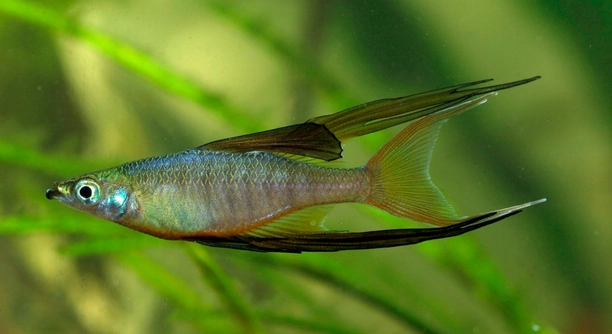
Threadfins are lively fish that enjoy warm waters and plenty of movement. When the power goes out for a long time, their routines can change, and they may need adjustments in their environment to stay safe and comfortable.
During a long power outage, threadfins may reduce their activity, seek cooler or deeper areas in the tank or pond, and rely on stored oxygen and natural water flow. Monitoring their environment helps prevent stress and health issues.
Understanding these responses will help you care for your threadfins properly. Observing subtle changes in behavior can make a big difference in keeping them healthy.
Preparing Their Environment
When the power goes out, threadfins need a stable and safe environment to avoid stress. I always make sure the tank or pond has enough oxygen, as water movement decreases without a filter. Adding battery-operated aerators can help maintain oxygen levels, while covering the tank lightly prevents sudden temperature drops. Keeping the water clean is also important, since waste can accumulate faster during outages. I often move portable thermometers around to check for cold or hot spots, especially in small tanks. Shaded areas in outdoor ponds help protect them from direct sunlight, which can raise water temperatures quickly. Reducing feeding during long outages is helpful, because leftover food can spoil and affect water quality. Planning ahead with extra water and aeration tools makes a noticeable difference. Even small adjustments, like moving the tank slightly away from a draft or adding floating plants, can keep threadfins calmer and healthier when electricity is down.
Monitoring temperature and water flow closely prevents sudden stress for threadfins. Regular checks reduce risks of illness or oxygen depletion.
Small changes in environment have a big effect on threadfins. I noticed they swim more calmly and show less rapid gill movement when oxygen levels are stable. Floating plants provide cover, while temporary aeration ensures they don’t become lethargic. Adjusting feeding and checking water clarity helps avoid contamination, keeping them healthier over long outages. Even subtle temperature changes can affect behavior, so consistent observation is key. Over time, these habits have made managing threadfins during outages much easier, reducing stress and improving overall survival. Planning ahead, even with simple tools, ensures they stay comfortable and active until power returns. Consistent care during outages can prevent long-term health issues and keeps threadfins thriving despite challenging conditions.
Adjusting Feeding Practices
Threadfins naturally slow their metabolism when conditions change, so overfeeding during an outage can harm them.
I usually cut back on feeding when the power goes out, offering smaller portions less often. Their digestion slows, and uneaten food can spoil quickly, leading to water contamination. In my experience, feeding lightly in the morning and evening, or skipping a day depending on water temperature, helps maintain stability. Frozen or prepared foods can be rationed carefully to reduce waste. Keeping a small schedule also makes it easier to observe behavioral changes. Some threadfins may become less active, so watching their response to food helps determine whether they need extra nutrition. This approach prevents sudden spikes in ammonia or other toxins. Proper feeding adjustments, combined with oxygen management, keep threadfins healthier and calmer until normal conditions return. Planning these steps in advance takes some effort but results in less stress for both the fish and the caretaker.
Observing Behavior Changes
Threadfins may swim slower or gather in shaded areas during a power outage. Their gill movements can become more noticeable, signaling mild stress.
I often notice subtle changes in my threadfins’ behavior when the power goes out. Some fish stay near the bottom, while others hover near the surface where oxygen is higher. They may flick their fins less or explore the tank more cautiously. These behaviors tell me to check water temperature, oxygen levels, and water clarity more frequently. Recording observations daily helps me detect patterns, like which fish handle outages better or if certain areas of the tank need more aeration. This consistent attention prevents small issues from becoming serious health problems.
Watching their behavior closely also helps me adjust feeding and aeration. For example, if they cluster near an aerator, I know oxygen levels are low elsewhere. Moving plants or adjusting lighting can encourage them to spread out, reducing stress. I’ve found that keeping a calm, predictable environment makes a noticeable difference in how they cope with long outages. Even small changes in tank layout or water circulation can improve their comfort, and this careful observation builds confidence in managing their care during unpredictable conditions.
Managing Water Quality
Maintaining clean water is crucial, especially when filters aren’t running. Uneaten food and waste can quickly affect water quality.
During long power outages, I pay close attention to ammonia and nitrate levels in my tanks. Without filtration, waste accumulates faster, so partial water changes are essential. Using a siphon, I remove debris from the bottom daily, replacing it with clean, dechlorinated water. Floating plants and aeration help distribute oxygen and reduce toxins. I also avoid overfeeding, since leftover food can cloud the water. Testing kits give me a clear picture of the tank’s health, allowing adjustments before problems arise. Careful water management keeps threadfins active and reduces disease risk during power interruptions.
Adding temporary aeration and partial water changes improves water quality significantly. I’ve seen fish recover from mild stress when water conditions are corrected promptly. Even simple measures, like stirring the water gently or adding plants, support oxygen levels and natural filtration. By observing color, activity, and breathing patterns, I can quickly respond to changes. These small, consistent efforts make a difference in survival rates and overall health during extended outages, ensuring threadfins remain strong until normal conditions return.
Providing Temporary Lighting
Threadfins may become less active in low light, so temporary lighting helps maintain their normal behavior. Using battery-powered or solar lights can keep the tank gently illuminated.
I often place a dim light over the tank during outages. This prevents sudden darkness, which can stress the fish. Even a small, soft light encourages movement and feeding without overheating the water.
Reducing Stress
Minimizing sudden changes is key. Avoid moving the tank, tapping the glass, or introducing new items during outages.
Keeping the environment calm helps threadfins adapt to unstable conditions. I make sure noise levels around the tank are low and maintain a steady routine. Consistent temperature, gentle water movement, and careful observation all reduce stress. Over time, small habits like this make a noticeable difference in their well-being, helping them stay healthy and active until power returns.
Preparing Emergency Supplies
Having extra water, aerators, and food ready ensures threadfins survive extended outages. Proper preparation is essential.
FAQ
How long can threadfins survive without a filter?
Threadfins can survive for a few days without a filter if oxygen levels are sufficient and water is clean. I always make sure there is aeration and remove debris daily. Watching their behavior closely helps me know if water quality is dropping too quickly.
Can I feed my threadfins normally during a power outage?
No, feeding should be reduced. Their metabolism slows, and leftover food can spoil fast. I offer smaller portions once or twice a day, sometimes skipping a day if water temperature is low. This prevents ammonia spikes and keeps them healthier.
What should I do if the water temperature drops?
Threadfins are sensitive to temperature changes. I use battery-powered heaters or move tanks to warmer areas. Covering the tank lightly or insulating it helps retain heat. Monitoring with a thermometer ensures the water stays in a safe range.
Are temporary aerators necessary?
Yes, especially during long outages. I use battery-operated or solar aerators to maintain oxygen. Even a small air stone can make a difference, keeping the fish calmer and preventing gill stress. Watching where they gather in the tank helps identify low oxygen spots.
Can I add more plants during a power outage?
Adding floating or oxygenating plants is helpful. I place plants where they won’t overcrowd the tank. They improve water quality naturally, provide shade, and create calmer areas for threadfins to rest, reducing stress while the filtration is offline.
How often should I check water quality?
Daily checks are best. I monitor ammonia, nitrites, nitrates, and oxygen levels using test kits. Even small spikes can affect threadfins quickly. Adjusting aeration, water changes, or plant placement based on these results keeps the environment safer.
Will threadfins hide more during a power outage?
Yes, reduced activity and hiding are normal. I observe their behavior without disturbing them. Hiding doesn’t always mean illness; it often reflects stress or changes in oxygen levels. Adjusting light and aeration usually encourages more normal swimming patterns.
Is it safe to move the tank during an outage?
No, moving the tank can stress threadfins further. I avoid rearranging decorations or relocating the tank until normal conditions return. Stability is more important than aesthetics when power is out.
How do I know if a threadfin is stressed?
Signs include rapid gill movement, lethargy, clumping near aerators, or refusing food. I track these behaviors daily. Stress can escalate quickly, so small interventions like water changes, adding aeration, or adjusting temperature can prevent illness.
What emergency tools should I keep handy?
I always have extra water, a battery-operated aerator, test kits, a small siphon, and some food rationed for outages. These tools allow me to maintain oxygen, cleanliness, and feeding without relying on electricity. Proper preparation reduces stress for both the fish and me.
Can I let the water level drop to reduce waste?
Slightly lowering the water can reduce waste concentration, but it must be done carefully. I never drop it too much, keeping enough depth for swimming and maintaining temperature stability. Partial water changes are often safer and more effective.
Should I reduce lighting completely?
Dim or soft lighting is better than complete darkness. I use battery or solar lights to mimic normal day cycles. Sudden darkness can stress threadfins, while gentle illumination encourages movement and feeding without overheating the water.
Can threadfins recover fully after a long outage?
Yes, if stress is managed. I’ve seen threadfins return to normal behavior once aeration, temperature, and water quality are restored. Consistent observation and small adjustments during the outage make recovery smoother and faster.
Is it necessary to quarantine after a power outage?
Not always, but if water quality dropped significantly or some fish were stressed, I monitor closely for illness. Any showing signs of disease are isolated, and careful care is maintained until all fish are healthy again.
How can I prevent future stress during outages?
I keep emergency supplies ready, monitor water quality daily, and maintain a calm, stable environment. Simple routines like adjusting feeding, checking temperature, and using aeration reduce stress during any future interruptions, keeping threadfins healthier in the long term.
Can I use tap water for partial changes?
Yes, but it must be dechlorinated first. I add a water conditioner to remove chlorine and chloramine before topping off or doing partial water changes. This prevents chemical stress while maintaining oxygen and water balance.
How do I keep track of changes during a power outage?
I maintain a small log, noting temperature, oxygen, water clarity, and behavior. This helps me notice trends and respond quickly. Even short notes each day can prevent minor issues from becoming serious problems.
Are some threadfins more resilient than others?
Yes, individual fish handle stress differently. I’ve noticed that younger or more active fish sometimes cope better, while older or weaker ones need extra attention. Observing each fish helps target care and prevent complications during outages.
What’s the most important thing to focus on during an outage?
Maintaining oxygen, stable temperature, and clean water are the top priorities. I focus on these first, then monitor feeding and behavior. Keeping these factors steady helps threadfins survive and recover quickly, even during long outages.
Can I use temporary filters or pumps?
Yes, small battery-operated pumps can help circulate water. I use them to maintain movement and oxygenation. Even minimal circulation reduces stagnant areas and supports healthier, calmer fish. Temporary solutions are usually enough until power returns.
Is it okay to crowd multiple tanks together during an outage?
No, overcrowding can increase stress and waste buildup. I keep tanks separate and manage each individually. This ensures oxygen levels and water quality remain safer for all threadfins.
How long should I keep emergency routines in place?
I maintain reduced feeding, aeration, and careful observation until power returns and water conditions stabilize. Usually, normal routines resume within a day or two, depending on tank size and fish behavior. Patience is key for a smooth transition.
What mistakes should I avoid during outages?
Overfeeding, moving tanks, ignoring oxygen, and skipping water checks are common mistakes. I focus on consistent, gentle care. Avoiding sudden changes reduces stress and prevents health problems during extended power interruptions.
Are battery backups effective for long outages?
Yes, battery backups for aerators or small filters can sustain fish for several days. I always check battery life in advance and have spares ready to ensure continuous operation and safer conditions.
Can stress from an outage affect reproduction?
Yes, stress can temporarily halt breeding. I avoid adding new fish or breeding conditions during outages. Once stability returns, threadfins usually resume normal reproductive behavior if overall health is maintained.
How do I know when conditions are fully safe again?
I check water quality, temperature, oxygen levels, and fish behavior. Once everything returns to normal and fish swim actively with regular feeding, I resume normal routines. Careful observation ensures full recovery and prevents lingering issues.
What is the best way to handle outdoor ponds during outages?
I ensure shade, add temporary aeration if possible, and remove debris daily. Observing where fish cluster helps me adjust water movement or shade placement. Simple measures prevent stress and maintain oxygen without relying on electricity.
How important is patience during a power outage?
Patience is critical. I avoid rushing changes or reacting to minor fluctuations. Careful, steady observation and small adjustments keep threadfins calmer and healthier until normal conditions return.
Are some emergency supplies optional?
Some, like extra food or plants, are optional but helpful. I focus first on oxygen, water quality, and temperature. Extras improve comfort and reduce stress but are not always essential if core needs are met.
How do I handle sudden illness during an outage?
Isolation and water management are key. I remove affected fish carefully, maintain clean water, and monitor other fish closely. Early intervention prevents spread and supports recovery until full filtration and normal conditions are restored.
Can I resume normal feeding immediately after power returns?
I gradually return to normal feeding. I observe fish appetite and water clarity before increasing portions. This prevents sudden ammonia spikes and helps fish adjust comfortably to restored routines.
Do threadfins show long-term effects from outages?
If stress and water conditions are managed well, long-term effects are minimal. I’ve seen fish return fully to normal behavior. Consistent care during outages prevents lasting health issues, making preparation and observation worthwhile.
How often should I practice outage preparedness?
I review supplies and equipment every few months. Regular checks of batteries, aerators, and water treatments ensure readiness. Being proactive reduces stress for both fish and caretaker when outages occur unexpectedly.
Can multiple small outages affect threadfins differently than one long outage?
Yes, frequent short outages can stress fish cumulatively. I monitor behavior and water quality carefully during repeated interruptions. Maintaining oxygen and minimizing sudden changes helps reduce cumulative stress effects over time.
Is it necessary to document every outage?
It’s helpful but not mandatory. I keep notes for patterns and responses, which guides care for future outages. Even simple logs improve observation and preparedness.
What signs show threadfins are fully recovered?
Active swimming, regular feeding, calm gill movement, and normal interaction indicate recovery. I watch carefully for several days to confirm stability before resuming standard care routines.
Can I prevent all stress during outages?
No, some stress is unavoidable. I focus on reducing major risks through oxygen, water quality, temperature, and minimal disturbances. Careful preparation and observation make the stress manageable and safe for threadfins.
How do I decide when to intervene?
Observation guides intervention. I act when water quality drops, oxygen seems low, or fish show clear stress signs. Small, timely actions prevent bigger problems and support recovery effectively.
Are there tools to make monitoring easier?
Yes, digital thermometers, oxygen meters, and water test kits simplify tracking. I rely on these tools to quickly assess conditions and make adjustments, reducing stress on both fish and caretaker.
What is the most common mistake people make during outages?
Ignoring oxygen and water quality is the biggest mistake. I always prioritize these first. Even small lapses can have serious consequences, so monitoring and small adjustments are essential throughout the outage period.
Can threadfins tolerate low light for a few days?
Yes, short periods of dim or no light are generally safe. I avoid total darkness for more than a couple of days to prevent stress and maintain some normal activity patterns.
Should I adjust tank decorations during outages?
I keep decorations stable. Sudden changes can stress threadfins, so I only move items if absolutely necessary for aeration or water flow adjustments. Stability helps them remain calmer until normal conditions return.
Is it okay to combine multiple strategies at once?
Yes, combining aeration, water changes, and feeding adjustments works best. I use a holistic approach to reduce stress, maintain water quality, and keep threadfins comfortable during power interruptions.
How do I manage young or weaker threadfins differently?
I pay extra attention to their location, oxygen access, and feeding. They may need smaller portions or areas with calmer water. Observing them separately ensures they survive alongside stronger fish during outages.
Can threadfins sense long outages in advance?
They may react to environmental changes like reduced water movement or light fluctuations. I’ve noticed more cautious swimming and clustering near aerators, signaling subtle awareness of changing conditions.
What is the best way to support threadfins during unexpected outages?
Quick assessment, immediate aeration, partial water changes, and reduced feeding help maintain health. I focus on stabilizing the environment and monitoring behavior until power is restored, preventing unnecessary stress or health problems.
How long should I continue careful monitoring after power returns?
I monitor for several days to ensure water quality, oxygen, and fish behavior normalize. This period allows me to detect lingering stress or minor health issues early, ensuring a smooth transition back to normal routines.
Are there any signs of permanent damage from outages?
Permanent damage is rare if water quality, oxygen, and temperature are maintained. I’ve seen full recovery even after multi-day outages. Timely observation and proper care minimize long-term effects.
Can I use portable power solutions during outages?
Yes, battery backups or small generators for aerators and heaters work well. I ensure safety and check devices regularly to maintain oxygen and temperature, keeping threadfins comfortable.
Is it helpful to consult a professional?
Yes, especially for extended outages or signs of illness. I reach out to local aquaculture experts when unsure about oxygen levels, water chemistry, or unusual behavior, ensuring threadfins receive proper care.
How often should I practice these emergency routines?
I run drills or review supplies periodically. Practicing helps me respond quickly during real outages, reducing stress for both fish and caretaker and improving survival chances.
Do threadfins recover appetite quickly after outages?
Generally, yes, once oxygen and water quality are restored. I gradually increase feeding while observing them closely, which supports full recovery without overwhelming the water system.
Can small behavioral changes indicate serious issues?
Yes, even subtle signs like slower swimming or gill movement changes can warn of low oxygen or water quality problems. I respond early to prevent escalation, keeping threadfins healthier throughout outages.
Are all threadfins equally affected by power outages?
No, individual resilience varies. I observe each fish, adjusting care for weaker or more stressed individuals to ensure survival and minimize long-term health risks.
What is the most effective long-term strategy for outages?
Preparation, monitoring, and calm, consistent care. I keep emergency supplies ready, check water and oxygen regularly, and maintain stable conditions, reducing stress and supporting threadfins through any power interruptions.
Is partial water change always necessary?
It depends on waste buildup. I perform partial changes when ammonia or nitrites rise, removing debris and replenishing oxygen. Combined with aeration, this keeps threadfins healthy until filtration resumes.
How do I prioritize care during a prolonged outage?
Oxygen first, then temperature, then water quality, followed by feeding. I focus on what impacts fish health most immediately. Step-by-step care prevents stress from escalating, ensuring threadfins remain active and healthy.
Can threadfins become aggressive during outages?
Stress can increase competition, especially in crowded tanks. I monitor interactions closely and adjust hiding spots, aeration, or space to reduce conflict and keep fish calmer.
How do I handle multiple stress factors at once?
I address the most urgent first—oxygen, temperature, and water quality—then adjust feeding, lighting, and tank layout. A structured approach keeps threadfins stable and prevents compounded stress effects.
Is it okay to leave them unattended for a short outage?
Short outages of a few hours are usually safe if water quality and oxygen were stable beforehand. I ensure emergency aeration is in place for any absence longer than a few hours.
Can I use natural aeration methods?
Yes, gently stirring water or adding plants can support oxygenation temporarily. I combine this with battery aerators when possible, maintaining a calmer environment for threadfins.
Do threadfins require more attention in smaller tanks?
Yes, small tanks are less forgiving. I check water quality and oxygen more frequently, as waste accumulates faster and oxygen drops more quickly, making monitoring essential.
How do I reduce ammonia spikes during outages?
I feed sparingly, perform partial water changes, and maintain aeration. Floating plants help absorb minor toxins. These steps prevent dangerous ammonia levels and reduce stress.
Is it okay to crowd aeration devices?
No, too many devices can create strong currents that stress threadfins. I space aerators evenly, ensuring gentle water movement without overwhelming them.
Can stress from outages trigger disease?
Yes, stress lowers immunity. I focus on stable conditions and monitoring behavior to prevent illness. Early intervention reduces risks and supports faster recovery.
What daily routine works best during a long outage?
I check oxygen, temperature, and water clarity first, remove debris, adjust aeration, and offer reduced feeding. Consistent observation prevents surprises and keeps threadfins healthier.
Are there signs of long-term damage I should watch for?
Persistent lethargy, slow growth, or irregular swimming may indicate lasting stress effects. I monitor over several weeks and adjust care to support full recovery.
Can I use alternative water sources during outages?
Yes, but always dechlorinate and match temperature. I prepare extra water in advance to avoid sudden changes that stress threadfins.
Should I change tank setup during outages?
Only if necessary for aeration or shade. I avoid unnecessary changes, keeping environment stable to reduce stress and maintain normal behavior patterns.
Can I combine water treatments during outages?
Yes, but carefully. I use dechlorinators, mild conditioners, and beneficial bacteria supplements as needed, ensuring compatibility and preventing sudden chemical stress.
How do I prioritize which fish need attention first?
I watch for weaker, smaller, or less active fish. They often show stress first, so I adjust aeration, feeding, or shelter for them before addressing stronger individuals.
Are there ways to make recovery faster after power returns?
Gradual restoration of feeding, careful water changes, and stable temperature help. I also maintain aeration for a day or two to support oxygen levels and reduce lingering stress.
Can threadfins handle repeated minor outages better than one long one?
Yes, if each event is managed properly. I ensure oxygen, temperature, and water quality are maintained consistently, which helps fish tolerate multiple interruptions without serious stress.
What’s the simplest step to take during an unexpected outage?
Turn on temporary aeration and check water temperature. I remove any obvious waste and monitor fish closely. These basic steps prevent immediate danger while planning further care.
How do I keep track of multiple tanks during an outage?
I create a checklist for each tank: oxygen, temperature, water clarity, and feeding. This keeps monitoring organized and ensures no tank is neglected.
Can stress from an outage affect behavior long-term?
Occasionally, fish may be more cautious or hide more often. I observe daily, and most return to normal behavior once conditions stabilize. Early attention minimizes lasting effects.
Is it necessary to reduce feeding before an outage?
Yes, offering smaller meals or slightly less food beforehand helps prevent waste buildup. I adjust based on expected outage duration and tank size.
Can threadfins sense changes in water flow?
Yes, they often respond to slower movement or reduced currents. I observe clusters near aerators and adjust circulation to maintain comfort.
Are temporary solutions sufficient for very long outages?
They can sustain fish for several days. I combine aeration, partial water changes, and temperature management to maintain a safe environment until full power returns.
What’s the best way to maintain calm in the tank?
Final Thoughts
Threadfins are resilient fish, but they rely on a stable environment to stay healthy. Long power outages can be challenging because water movement, temperature, and oxygen levels change. During these times, small adjustments can make a big difference in their well-being. I have learned that keeping an eye on behavior and water quality is more important than trying to maintain every aspect of their normal routine. Observing where they swim, how fast they move, and whether they are feeding normally provides valuable information about their condition. Even small changes, like adding temporary aeration or moving floating plants, can help maintain a safer environment and reduce stress. Consistency is key. The more predictable and stable the environment, the better threadfins cope with the interruption.
Managing feeding during outages is another important factor. Threadfins naturally slow their metabolism when conditions are unstable, so overfeeding can create more harm than good. I have found that offering smaller portions once or twice a day is usually sufficient. Sometimes, skipping a day of feeding is necessary if oxygen levels or water quality are dropping. Leftover food can spoil quickly, increasing toxins in the water and putting fish at risk. Keeping track of how much they eat and how they respond to food allows for careful adjustment. In my experience, a controlled feeding schedule not only maintains water quality but also helps threadfins feel more secure. Maintaining this balance is a simple yet effective way to support their health until power is restored.
Preparation and monitoring are the most effective ways to protect threadfins during long outages. I always make sure emergency supplies like extra water, battery-operated aerators, and test kits are on hand. Daily observation of water temperature, oxygen levels, and behavior can prevent minor problems from becoming serious. Simple actions like partial water changes, adjusting lighting, and checking for debris help maintain a stable environment. Even if an outage lasts several days, careful attention ensures the fish remain healthy and active. Over time, these routines become natural and less stressful for both the fish and caretaker. By staying patient, observant, and proactive, it is possible to support threadfins through extended outages without long-term issues. With consistent care and small adjustments, threadfins can thrive despite temporary challenges, and the lessons learned make future outages easier to manage.

Hello,
If you enjoy the content that we create, please consider saying a "Thank You!" by leaving a tip.
Every little bit helps us continue crafting quality advice that supports the health, happiness, and well-being of pets around the world, for pets of all shapes, sizes, and species.
We really appreciate the kindness and support that you show us!