
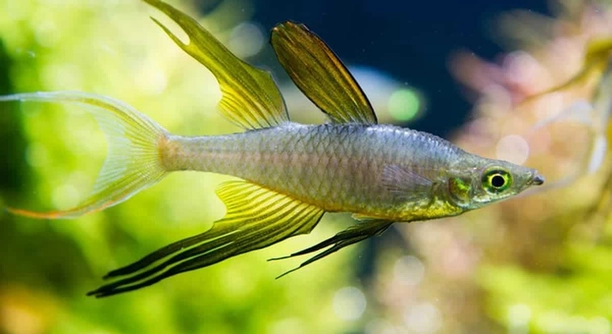
Do you enjoy keeping a variety of fish but find yourself wondering if different species can coexist peacefully in the same tank? Threadfins and Dwarf Gouramis are popular choices, and their care requirements sometimes overlap.
Threadfins can be kept with Dwarf Gouramis under controlled conditions. Compatibility depends on tank size, water parameters, and the temperament of individual fish. Ensuring sufficient space and hiding spots reduces aggression and promotes a balanced, stress-free environment.
Understanding these factors will help you create a harmonious aquarium setup and maintain healthy, thriving fish for years to come.
Understanding Threadfins and Dwarf Gouramis
Threadfins are slender, active fish that require open swimming space and stable water conditions. They prefer slightly acidic to neutral water with moderate current. Dwarf Gouramis, on the other hand, are more territorial and enjoy dense plants or hiding spots. Balancing these needs is key to a peaceful tank. Both species are sensitive to poor water quality, so regular maintenance and monitoring of parameters like pH, temperature, and ammonia levels are essential. Feeding habits differ slightly as well. Threadfins often prefer live or frozen foods such as brine shrimp, while Dwarf Gouramis enjoy flake or pellet diets. Observing interactions is critical, especially during feeding times, as competition can trigger minor aggression. Proper tank decoration with plants and open swimming zones can reduce stress and encourage natural behaviors. Understanding their behaviors and requirements ensures both species thrive together without compromising health or temperament.
Keeping them together is possible if their needs are carefully balanced and the tank is well-prepared.
With proper care, feeding, and observation, these fish can coexist peacefully. Adjustments in tank setup and monitoring interactions make a big difference in maintaining harmony.
Tank Setup and Environment
Providing the right tank environment is essential for both species to feel secure. Dense plants and open swimming areas should be balanced to accommodate differing activity levels.
The tank should be spacious enough to prevent overcrowding, with at least 30 gallons recommended for a small community. Threadfins require clear swimming lanes, while Dwarf Gouramis benefit from hiding spots created by plants or decorations. A gentle filtration system ensures water movement without stressing the fish. Lighting should mimic natural conditions and support plant growth if live plants are included. Regular water changes help maintain clean conditions, reducing the risk of disease and stress. Careful attention to temperature, pH, and water hardness ensures both species remain healthy. Observing how fish interact can help identify any signs of stress or territorial disputes early. Proper feeding routines and hiding spots reduce conflicts and encourage natural behaviors. Adjusting tank layout over time may be necessary as fish grow and establish territories, maintaining balance and a peaceful environment.
Feeding and Diet Considerations
Both Threadfins and Dwarf Gouramis need a balanced diet for health and vitality. Threadfins prefer live or frozen foods, while Dwarf Gouramis can thrive on flakes and pellets.
Feeding schedules should accommodate both species. Offering small portions multiple times a day prevents overfeeding and reduces stress. Live foods like brine shrimp or daphnia can boost Threadfin energy, while high-quality flake or pellet foods support Dwarf Gouramis’ nutrition. Separating feeding areas can help reduce competition and aggression during mealtime. Observing their eating habits ensures all fish receive adequate nutrition without leaving excess food that may pollute the tank. Variety in diet also supports vibrant colors, healthy growth, and strong immune systems, keeping your fish active and lively.
Supplementing with occasional vegetables or frozen treats benefits Dwarf Gouramis and promotes natural foraging behavior. Maintaining a consistent feeding routine reduces stress and encourages a harmonious coexistence, making it easier to monitor their health.
Monitoring Behavior and Health
Aggression or unusual behavior can indicate stress or illness and should be addressed promptly. Watch interactions closely.
Signs of aggression include chasing, nipping fins, or hiding excessively. Stress can weaken immune systems, making fish more susceptible to disease. Maintaining clean water and consistent parameters minimizes stress. Providing hiding spots and sufficient space allows Dwarf Gouramis to establish territories without constant confrontation. Threadfins’ active swimming requires open lanes to prevent accidental harassment of slower or more timid fish.
Regular observation helps detect early signs of illness, such as faded colors, labored breathing, or lack of appetite. Quick response, including isolation or adjusting tank conditions, prevents problems from spreading. Monitoring growth rates and physical changes ensures both species develop healthily. Keeping a journal of water parameters, feeding, and behavior makes long-term maintenance easier. A well-maintained tank and careful observation help both species coexist peacefully while thriving in a shared environment.
Compatible Tank Mates
Threadfins and Dwarf Gouramis can coexist with other peaceful fish. Avoid aggressive or overly active species that may stress them.
Suitable tank mates include small tetras, rasboras, and peaceful bottom dwellers. Maintaining harmony depends on choosing fish with similar temperament and care needs.
Water Parameters
Both species thrive in slightly acidic to neutral water, with a temperature range of 74–80°F. Maintaining stable conditions is essential for their health. Regular testing of pH, ammonia, nitrites, and nitrates ensures a safe environment. Consistent water changes prevent buildup of harmful substances and reduce stress.
Tank Maintenance
Frequent cleaning and monitoring are essential to prevent water quality issues. A well-maintained tank supports healthy and active fish.
FAQ
Can Threadfins and Dwarf Gouramis live together long-term?
Yes, they can live together long-term if their tank is set up properly. Providing enough space, hiding spots, and open swimming areas helps reduce stress. Monitoring behavior and adjusting the environment as needed ensures both species coexist without frequent conflicts or health issues.
How big should the tank be for both species?
A minimum of 30 gallons is recommended for a small community with Threadfins and Dwarf Gouramis. Larger tanks allow more space for territories and swimming lanes, which helps prevent aggression. Decorations and plants should be arranged to balance hiding spaces and open areas.
What type of filtration is best?
A gentle filter that maintains water quality without creating strong currents is ideal. Threadfins prefer moderate water movement, while Dwarf Gouramis can be stressed by excessive flow. Sponge filters or adjustable canister filters are practical options.
How often should I feed them?
Feeding small portions two to three times daily works well. Threadfins enjoy live or frozen foods, while Dwarf Gouramis do well on flakes or pellets. Offering varied foods keeps both species healthy and encourages natural behaviors.
Are there any signs of aggression to watch for?
Chasing, nipping fins, hiding constantly, or refusing food are key signs. Minor squabbles can occur, but persistent aggression indicates stress or overcrowding. Adjusting the tank layout or separating fish temporarily can help resolve issues.
Can they share the same water conditions?
Yes, both thrive in slightly acidic to neutral water with temperatures between 74–80°F. Regular monitoring of pH, ammonia, nitrites, and nitrates is important to prevent stress and disease. Stable conditions support long-term health.
Do I need to quarantine new fish?
Quarantining new fish for at least two weeks is recommended. This reduces the risk of introducing disease or parasites into the main tank. Observing behavior and ensuring proper acclimation makes the transition smoother.
How do I encourage peaceful behavior?
Providing plants, hiding spots, and open swimming lanes reduces territorial disputes. Feeding in multiple areas and ensuring enough space allows both species to display natural behaviors without constant competition.
Can I keep other fish with them?
Yes, but only peaceful species are recommended. Small tetras, rasboras, and bottom dwellers usually coexist well. Avoid aggressive or highly active species that may stress either Threadfins or Dwarf Gouramis.
What are the most common health concerns?
Poor water quality, stress from aggression, and improper diet are common issues. Regular water changes, balanced nutrition, and monitoring interactions prevent illness. Early signs include faded colors, lack of appetite, or labored swimming.
How often should I perform water changes?
Weekly water changes of 20–30% are ideal. This helps maintain stable water conditions and reduces harmful buildup of ammonia or nitrates. Regular maintenance keeps fish active, colorful, and healthy.
Is breeding possible in a community tank?
Dwarf Gouramis may breed in a community setup if they feel secure. Threadfins generally require more space and specific conditions for breeding. Providing separate breeding areas or tanks ensures the safety of fry and reduces stress on adults.
Can I use live plants with both species?
Yes, live plants benefit both species by providing hiding spots and improving water quality. Floating plants work well for Dwarf Gouramis, while rooted plants create territories and break up open swimming space for Threadfins.
How do I reduce stress in the tank?
Maintaining consistent water parameters, providing adequate space, arranging hiding spots, and feeding a varied diet all reduce stress. Observing behavior regularly allows for adjustments before issues escalate.
Are Threadfins and Dwarf Gouramis compatible with juveniles of other species?
Compatibility depends on the size and temperament of the juvenile fish. Small, peaceful species usually coexist well, but aggressive or fast-growing juveniles may trigger conflicts or stress. Close observation is necessary.
What equipment is essential for a combined tank?
A filter suitable for moderate water flow, a heater to maintain stable temperature, and testing kits for water parameters are essential. Decorations and plants provide structure, while feeding tools help manage portions and reduce competition.
How do I handle an aggressive fish?
Isolate aggressive individuals if conflicts persist. Rearranging the tank layout or adding more hiding spots can reduce territorial disputes. Avoid overcrowding and ensure feeding areas are separate to minimize tension.
Is it necessary to monitor water temperature daily?
Yes, daily checks help prevent sudden fluctuations that can stress both species. Using a reliable thermometer ensures consistency and allows prompt adjustments when needed.
Can Threadfins and Dwarf Gouramis live in the same tank from the start?
Yes, introducing them to a well-prepared tank simultaneously works best. Both species adapt more easily when they establish territories at the same time. Proper setup and observation prevent initial conflicts and help establish a balanced environment.
What is the ideal pH range for both species?
A pH range of 6.5–7.5 is ideal. Maintaining stable pH prevents stress and promotes healthy behavior. Sudden shifts can lead to aggression, reduced appetite, or illness.
How do I manage feeding in a community tank?
Feed in multiple locations to prevent competition. Small portions and varied foods ensure all fish receive nutrition. Observing eating habits helps identify if any fish are being excluded or stressed during feeding times.
Are Threadfins sensitive to water changes?
Threadfins can be sensitive to sudden water changes. Gradual changes with conditioned water help prevent shock. Maintaining stable temperature and parameters during water replacement is crucial.
Do Dwarf Gouramis need floating plants?
Floating plants create secure areas and reduce stress for Dwarf Gouramis. They also provide resting spots near the surface, mimicking natural conditions.
Can I keep both species in a planted tank?
Yes, a planted tank benefits both species. Plants provide hiding spots, improve water quality, and create a natural environment. Balancing open swimming lanes with plant coverage supports Threadfins’ activity and Dwarf Gouramis’ territorial needs.
How often should I check water parameters?
Weekly testing of pH, ammonia, nitrites, and nitrates is sufficient for a stable tank. More frequent checks are recommended if issues or new fish are introduced. Consistency keeps both species healthy.
Can I introduce other fish later?
Yes, but introduce one species at a time. Monitor behavior closely and adjust tank layout if aggression occurs. Gradual introduction reduces stress for both existing and new fish.
What is the best way to acclimate new fish?
Float the bag in the tank for 15–20 minutes to equalize temperature. Gradually mix tank water into the bag over 30–60 minutes before release. This prevents shock and allows smoother adaptation.
Are these species compatible with shrimp or snails?
Threadfins may attempt to eat very small shrimp, while Dwarf Gouramis usually ignore snails. Larger or armored shrimp and snails are safer options in a community tank.
Can overcrowding cause aggression?
Yes, overcrowding increases stress and triggers territorial disputes. Providing adequate space, hiding spots, and careful stocking prevents conflicts and maintains peaceful coexistence.
What are the signs of stress in these fish?
Signs include hiding excessively, refusing food, rapid breathing, or faded colors. Early intervention with water changes, hiding spots, or adjustments in tank mates helps prevent illness and aggression.
How can I maintain a healthy community tank?
Consistent water quality, appropriate feeding, careful observation, and proper tank layout support a healthy environment. Addressing issues early ensures Threadfins and Dwarf Gouramis thrive together.
Can I use artificial plants?
Yes, but ensure they are smooth and do not have sharp edges. Artificial plants can provide hiding spots, though live plants offer additional benefits like water filtration and natural behavior stimulation.
Is it important to monitor fish interactions daily?
Yes, daily observation helps detect early signs of stress, aggression, or illness. Timely intervention prevents escalation and maintains a harmonious tank environment.
How do I encourage natural behaviors?
Providing varied foods, hiding spots, open swimming areas, and plants encourages natural foraging, territorial, and social behaviors. Observing and adjusting the tank helps maintain activity and reduces stress.
Can sudden changes in environment affect them?
Yes, sudden changes in temperature, water chemistry, or layout can cause stress. Gradual adjustments help fish adapt and maintain health and activity levels.
Is it safe to mix juveniles with adults?
Mixing juveniles with adults can work if the tank is spacious and hiding spots are sufficient. Monitor interactions closely to prevent bullying or accidental injury.
How long can these fish live together?
With proper care, balanced tank conditions, and monitoring, Threadfins and Dwarf Gouramis can coexist for several years, maintaining health and natural behaviors.
Do they need specific lighting conditions?
Moderate lighting that supports plant growth and mimics natural cycles is ideal. Avoid overly bright lights, which may stress Dwarf Gouramis or encourage aggressive behavior.
Can I keep both species in a community with fast swimmers?
Fast or aggressive swimmers may stress Dwarf Gouramis and outcompete Threadfins for food. Choose species with similar activity levels to maintain harmony.
How do I prevent disease outbreaks?
Maintain clean water, avoid overcrowding, quarantine new fish, and provide balanced nutrition. Promptly address any signs of illness to prevent spread in the tank.
Is temperature fluctuation a major concern?
Yes, both species are sensitive to sudden temperature changes. Maintaining consistent water temperature supports immunity, feeding, and peaceful behavior.
How do I ensure proper growth for both species?
Balanced diet, sufficient space, clean water, and observation help both species grow healthily. Adjust tank setup as needed to accommodate growth and reduce stress.
Can I use a tank divider if aggression occurs?
Yes, a divider provides temporary separation to prevent fighting. It allows both species to acclimate or recover while maintaining the same tank environment.
How do I know if the tank is too small?
Signs include constant chasing, hiding, reduced feeding, or stress-related illness. Upgrading to a larger tank or reducing fish numbers helps restore balance.
Are there special considerations for breeding?
Dwarf Gouramis may need floating plants for bubble nests, while Threadfins require open space. Separating species during breeding ensures fry survival and reduces stress.
Can both species adapt to slightly different water hardness?
Yes, minor differences are usually tolerated. Avoid sudden shifts and maintain gradual changes to prevent stress or aggression.
How can I enrich the tank environment?
Adding plants, hiding spots, varied substrates, and decorations encourages natural behavior, reduces stress, and provides security for both species.
Is it necessary to observe nighttime behavior?
Yes, observing at night helps identify hiding patterns, stress, or aggression that may not appear during the day. Proper adjustments ensure peaceful coexistence.
Can I keep them with algae eaters?
Small, peaceful algae eaters like Otocinclus or Nerite snails are compatible. Avoid larger or aggressive cleaners that may disturb Threadfins or Dwarf Gouramis.
Do they require air pumps?
Air pumps are optional if the filter provides sufficient oxygenation. Gentle bubbles can improve water circulation and oxygen levels, especially in densely planted tanks.
How do I prevent fin damage?
Avoid sharp decorations and aggressive tank mates. Providing adequate space and observing interactions reduces fin nipping or accidental injury.
Are there seasonal concerns?
Seasonal temperature fluctuations may affect water conditions. Use heaters or coolers to maintain stable conditions throughout the year.
Can stress affect coloration?
Yes, stressed fish often lose vibrant colors. Stable water, proper diet, and peaceful coexistence maintain natural coloration and vitality.
Is overcrowding the leading cause of aggression?
Yes, overcrowding limits space for territories and hiding spots, increasing stress and conflicts. Proper stocking levels prevent aggression.
How can I create territories in a shared tank?
Use plants, rocks, or decorations to create visual boundaries. Threadfins benefit from open lanes, while Dwarf Gouramis require small shelters to feel secure.
What should I do if a fish becomes sick?
Isolate the affected fish, adjust water conditions, and provide appropriate treatment. Early intervention prevents disease from spreading and protects tank harmony.
Are water conditioners necessary?
Yes, conditioners remove chlorine, chloramine, and heavy metals from tap water. Treated water protects delicate gills and supports overall health.
Can they tolerate minor water parameter fluctuations?
Yes, minor fluctuations are generally tolerated if gradual. Sudden or extreme changes increase stress and risk of illness.
How do I maintain long-term compatibility?
Consistent monitoring, proper diet, balanced tank layout, and attention to behavior ensure both species thrive together for years. Regular adjustments support peaceful coexistence.
Is it important to keep a feeding log?
Yes, tracking feeding times and amounts helps prevent overfeeding, ensures nutrition, and allows observation of potential issues like aggression or selective eating.
Can both species live in slightly cooler water?
They tolerate small deviations but prolonged cooler temperatures slow metabolism, reduce appetite, and may increase susceptibility to disease. Maintain optimal range for health.
How do I prevent bullying of weaker fish?
Provide hiding spots, maintain adequate space, and avoid overcrowding. Observing interactions and separating aggressive fish temporarily prevents long-term stress or injury.
Are there special considerations for winter care?
Keep heaters stable, maintain water quality, and monitor behavior. Reduced daylight or cooler room temperatures can stress fish if adjustments aren’t made.
What is the best way to introduce new plants or decorations?
Rinse thoroughly and ensure no sharp edges. Introduce gradually to prevent sudden stress, and observe fish reactions to new elements in the tank.
Can Dwarf Gouramis dominate feeding times?
Yes, they may outcompete Threadfins if food is limited. Feeding in multiple spots ensures all fish get proper nutrition and reduces aggression.
How do I prevent fungal or bacterial infections?
Maintain clean water, avoid overcrowding, quarantine new fish, and provide a balanced diet. Early detection and treatment prevent outbreaks.
Is a quarantine tank necessary for every new fish?
Yes, it’s the safest way to prevent disease introduction and allows observation of behavior before adding them to the main tank.
Can I mix male and female Dwarf Gouramis?
Yes, but males can become territorial during breeding. Providing hiding spots and adequate space minimizes aggression and stress.
How often should I rearrange the tank?
Occasional rearrangement helps reduce territorial disputes but avoid frequent changes that can stress the fish. Gradual adjustments work best.
What are signs of water quality issues?
Cloudy water, algae overgrowth, unusual fish behavior, or foul odor indicate potential problems. Prompt water testing and maintenance resolve issues quickly.
How do I manage different swimming speeds?
Provide open swimming lanes for Threadfins and areas with plants or shelters for Dwarf Gouramis. This reduces accidental harassment and allows both species to thrive.
Can I combine them with other Gourami species?
Some peaceful Gouramis may coexist, but monitor closely for aggression or territorial disputes. Avoid keeping multiple males in a small tank.
Is it safe to keep both species in a planted tank long-term?
Yes, with proper maintenance, plants benefit both species. Balancing open space and coverage ensures a healthy and peaceful environment for years.
How do I handle sudden aggression incidents?
Isolate the aggressive fish, add hiding spots, or adjust tank layout. Monitoring after changes ensures the conflict does not recur.
Can I keep juveniles with adults safely?
Yes, but monitor closely. Provide ample hiding spaces to prevent bullying and ensure both age groups get adequate nutrition.
How important is water temperature consistency?
Very important. Sudden fluctuations stress fish, reduce appetite, and can trigger aggression or illness. Use a reliable heater to maintain stable conditions.
Do they need supplementary vitamins or supplements?
Occasional supplements support color and immunity, especially when using mostly processed foods. Balanced diet is generally sufficient for healthy growth.
What is the best way to acclimate fish to new water conditions?
Gradually mix tank water with transport water over 30–60 minutes. Slowly introducing fish prevents shock and supports smooth adaptation.
Can they adapt to slightly different pH levels over time?
Yes, slow acclimation allows minor adjustments. Avoid abrupt changes to prevent stress, aggression, or health issues.
Are Threadfins more sensitive than Dwarf Gouramis?
Threadfins are more sensitive to water quality and stress from overcrowding. Careful observation and gradual adjustments help maintain balance and health.
How do I encourage natural foraging behavior?
Scatter small foods, use floating or sinking foods, and provide plants or decorations to simulate a natural environment and encourage exploration.
What is the best approach to prevent overfeeding?
Feed small portions, observe consumption, and remove uneaten food promptly. Keeping a feeding schedule helps maintain water quality and fish health.
How do I manage a community tank with mixed species?
Choose compatible, peaceful species, provide sufficient space, hideouts, and open areas. Regular observation and adjustments ensure harmony and reduce stress for all fish.
Are Dwarf Gouramis territorial?
Yes, particularly males during breeding or in smaller tanks. Providing hiding spots and sufficient space reduces aggression and stress.
Can Threadfins tolerate minor water parameter changes?
Yes, but gradual changes are crucial. Sudden shifts can cause stress, illness, or increased aggression, especially in a community tank.
How often should I observe fish behavior?
Daily observation helps catch early signs of stress, illness, or aggression. Timely intervention ensures a balanced and healthy tank environment.
What measures prevent fin nipping in a community tank?
Provide hiding spots, maintain adequate space, avoid aggressive species, and feed in multiple areas to reduce competition and accidental injuries.
Are they compatible with bottom dwellers?
Yes, peaceful bottom dwellers like Corydoras or small loaches coexist well. Ensure adequate space and avoid overcrowding to maintain harmony.
How do I balance open space and plant coverage?
Open lanes support Threadfin activity, while dense plant areas provide Dwarf Gouramis shelter. Arranging decorations carefully maintains both species’ needs.
What are early signs of disease?
Faded colors, clamped fins, reduced appetite, erratic swimming, or labored breathing indicate potential illness. Early detection allows timely treatment.
How do I reduce stress during tank maintenance?
Perform gradual water changes, avoid sudden temperature shifts, and move decorations carefully. Providing hiding spots allows fish to feel secure during maintenance.
Can they live with fast-moving schooling fish?
Fast swimmers may outcompete Dwarf Gouramis or stress Threadfins. Choosing similar-paced, peaceful species maintains a calm and balanced tank.
**Is gradual acclimation necessary for new fish
Keeping Threadfins and Dwarf Gouramis together is possible when careful planning and proper care are applied. Both species have unique needs that must be considered to maintain harmony in a shared tank. Threadfins are active swimmers that require open spaces and clean water, while Dwarf Gouramis prefer hiding spots and calmer areas. Understanding these differences allows for a tank setup that accommodates both species’ natural behaviors. Proper water parameters, such as a slightly acidic to neutral pH and a stable temperature, are essential to prevent stress. Using a filter that provides moderate water movement ensures Threadfins have enough current without overwhelming the more delicate Gouramis. Including plants and decorations in a balanced layout helps each species feel secure and supports natural behaviors. Over time, monitoring interactions and making minor adjustments in tank arrangement can maintain a peaceful environment, allowing both fish to thrive.
Feeding practices also play a significant role in keeping these species together successfully. Threadfins benefit from live or frozen foods like brine shrimp or daphnia, while Dwarf Gouramis do well on flakes or pellets. Feeding small portions multiple times a day ensures that all fish receive proper nutrition without creating competition. Providing multiple feeding areas helps reduce aggression and stress, especially during mealtime. Offering occasional variety, such as frozen or vegetable-based foods, supports overall health and keeps the fish engaged. Observing their eating habits allows for adjustments if one species appears to be struggling to get food or showing signs of stress. A consistent feeding routine combined with careful attention to diet ensures that both Threadfins and Dwarf Gouramis maintain strong immune systems, vibrant colors, and healthy growth.
Regular maintenance and observation are key to long-term success with a combined tank. Monitoring water parameters, performing weekly water changes, and keeping track of fish behavior prevent problems before they escalate. Signs of stress or aggression, such as chasing, fin nipping, or hiding, should be addressed promptly by adjusting tank layout or providing additional hiding spaces. Quarantining new fish and introducing them gradually helps prevent the spread of disease. Overcrowding should be avoided, as it increases tension and can lead to injury or illness. A well-maintained environment with sufficient space, balanced decor, and careful feeding practices supports natural behavior and reduces stress. By remaining attentive to the needs of both species and making small adjustments when necessary, Threadfins and Dwarf Gouramis can coexist peacefully, creating a vibrant and harmonious aquarium.

Hello,
If you enjoy the content that we create, please consider saying a "Thank You!" by leaving a tip.
Every little bit helps us continue crafting quality advice that supports the health, happiness, and well-being of pets around the world, for pets of all shapes, sizes, and species.
We really appreciate the kindness and support that you show us!