
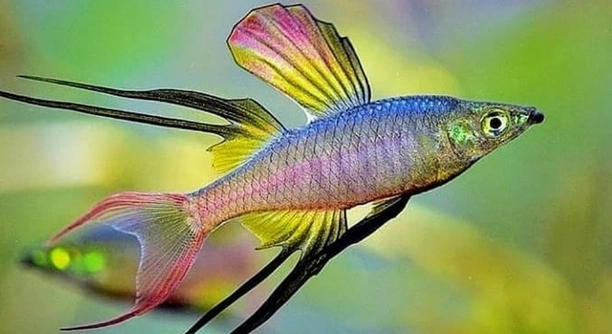
Feeding threadfins can feel tricky at first, especially when trying to balance their natural habits with regular care routines. Many hobbyists want to make sure their fish are healthy and active without overfeeding them.
The best feeding times for threadfins are spaced throughout the day to match their natural activity patterns. Providing small, consistent meals at morning, midday, and evening intervals supports optimal growth, digestion, and overall health in a controlled aquarium environment.
Following a regular schedule ensures your threadfins stay energetic and well-nourished, helping maintain a thriving and balanced tank environment for these delicate fish.
Morning Feeding: First Light Nutrition
Starting the day with a morning feeding helps threadfins wake up and adjust to their environment. I usually feed them small portions, enough for them to finish in a few minutes. Over time, I noticed that spacing out their meals in the morning reduces leftover food in the tank, keeping the water cleaner. Threadfins are more alert in the morning, which makes it the perfect time to offer high-protein items like brine shrimp or finely chopped fish. I also pay attention to how they respond, adjusting portions if some fish seem less active or slow to eat. Consistency is key. Feeding at roughly the same time each day helps them anticipate mealtime and prevents stress. Observing their behavior during these sessions also gives insight into their health. A healthy threadfin will swim confidently toward food, while a lethargic one might need extra care or observation for signs of illness.
Morning meals give threadfins energy to start the day and set a stable routine for feeding.
Feeding early supports natural activity patterns and prepares them for the day. By providing small, easily digestible portions, you minimize waste and maintain cleaner water. I like to vary protein sources slightly each morning, keeping meals interesting and nutritionally balanced. Watching them eat closely also allows me to notice changes in appetite or behavior, which could indicate health concerns. Over several weeks, I found that threadfins fed in the morning were more active and responsive throughout the day. Adjusting meal size based on tank population and individual fish size is also important to prevent overfeeding. Keeping a simple log of feeding times and amounts has been helpful for consistency and long-term planning. Proper morning feeding impacts growth, energy, and overall well-being, making it a vital part of caring for threadfins. Small changes in feeding timing can make a noticeable difference in fish behavior and tank cleanliness, which makes early feeding an essential routine.
Midday Feeding: Maintaining Energy
A midday feeding helps threadfins maintain energy during their most active hours.
Splitting meals across the day prevents overfeeding and keeps metabolism steady.
Offering a small portion at midday gives threadfins a boost to stay active in the tank. I usually provide lighter protein sources than in the morning, like chopped worms or small pellets. Observing their activity levels before and after feeding helps me fine-tune amounts. Overfeeding can cloud water quickly, so I measure portions carefully. Midday feeding also allows for quick adjustments if some fish seem slower to eat. I make sure to keep the feeding area consistent, so they learn where to gather. Watching them interact during this meal often shows social dynamics I hadn’t noticed earlier. Splitting meals into three clear times keeps digestion smooth and energy balanced. Keeping track of feeding behaviors during midday sessions helps maintain a healthy routine, ensuring each fish gets enough nutrition without excess waste. Proper timing and portioning during the middle of the day support both health and water quality.
Evening Feeding: Preparing for Rest
Evening feeding gives threadfins energy to finish the day actively and prepares them for rest. I feed smaller portions to avoid leftovers overnight, which keeps the tank cleaner and reduces stress on the fish.
I usually offer easily digestible food like finely chopped shrimp or soft pellets in the evening. Feeding too much at this time can cause uneaten food to decompose, affecting water quality. I try to keep portions small and observe how quickly each fish eats. Over time, I noticed that evening feeding helps them settle down and swim calmly before lights go out. Consistency in timing and portion size ensures digestion is complete before nighttime, preventing bloating or discomfort. Watching their behavior during this feeding gives clues about their overall health and appetite. A calm, content tank at night often means feeding routines are working well.
Splitting meals throughout the day, including the evening, balances energy levels and supports natural activity patterns. I adjust portions based on appetite and tank conditions, which helps maintain healthy fish and a clean environment. Evening feeding has become my way of ending the day on a predictable and positive note for the threadfins, allowing them to rest without leftover food causing issues.
Snack Feedings: Small Boosts
Snack feedings give threadfins small boosts of energy between main meals, keeping them active. I use tiny portions of live or frozen food that they can consume quickly.
These snacks are especially helpful for younger or more active threadfins. I offer a few brine shrimp or micro-pellets mid-morning or mid-afternoon. They respond well to these brief feedings, swimming eagerly toward the food and returning to normal activity shortly after. Snacks prevent long gaps between meals, which can reduce energy dips or aggressive behavior in the tank. I always watch to make sure no food goes uneaten, which could affect water quality. Over time, I noticed snack feedings improved their overall alertness and appetite during main meals. Measuring portions carefully ensures that snacks are supplemental, not replacements, maintaining a balanced diet.
Keeping snack feedings brief and consistent allows threadfins to maintain steady energy and encourages natural foraging behavior. I find these mini-meals help prevent sudden hunger spikes and promote healthier, more predictable activity patterns. Watching them respond to snacks also gives insight into their individual preferences, letting me adjust the type of food offered. By spacing snacks between main feedings, I keep metabolism steady and reduce stress on digestive systems. Consistency in timing and portion size has made snack feedings a reliable way to enhance their daily routine without overfeeding.
Late Morning Feeding
Late morning feedings help maintain energy levels between the early and midday meals. I usually offer small portions, making sure all fish get a chance to eat.
These feedings prevent long gaps that can make threadfins less active. I focus on easily digestible food, keeping portions consistent.
Afternoon Feeding
Afternoon feeding supports steady metabolism and keeps the tank active. I usually offer a mix of protein sources, like chopped worms and small pellets. Timing is important to avoid overfeeding before the evening meal. Watching how the fish respond helps me adjust portions for the right balance. Consistent afternoon feeding ensures energy levels remain stable, and it reduces aggressive behavior caused by hunger. I also notice that regular timing encourages them to swim and forage naturally, maintaining healthy activity. Keeping this feeding predictable helps prevent stress and promotes overall well-being in the aquarium.
Pre-Bedtime Feeding
Pre-bedtime feedings are small portions to prevent overnight hunger. I make sure the tank stays clean by avoiding excess food.
FAQ
How often should I feed threadfins each day?
Threadfins do best with multiple small meals rather than one or two large ones. I usually feed them three main meals—morning, midday, and evening—plus one or two snack feedings. This spacing matches their natural activity patterns and helps prevent overfeeding, keeping both fish and tank healthier.
What types of food are best for threadfins?
High-protein foods are ideal. I rotate between brine shrimp, finely chopped fish, small worms, and micro-pellets. Occasionally, I add vegetable-based foods to provide some fiber. Consistency matters, but variation helps prevent boredom and ensures balanced nutrition, supporting growth and energy throughout the day.
How much should I feed at each session?
Portion control is key. I feed only what the threadfins can finish in about three to five minutes. Overfeeding leads to leftover food, which can quickly dirty the tank and stress the fish. Measuring portions and observing how fast they eat helps adjust amounts over time.
Can I skip a feeding if my fish seem full?
Yes, it’s safe to skip a meal occasionally. Threadfins can tolerate short gaps without negative effects. I usually skip a feeding if they still show interest but seem less hungry. It’s better to underfeed slightly than overfeed, which can harm water quality and fish health.
Is it okay to feed them at irregular times?
Regular timing is better. Threadfins respond to a predictable routine and tend to eat more confidently when meals are consistent. I stick to roughly the same feeding windows each day, which helps maintain their metabolism and energy levels while keeping the tank clean.
Should I adjust feeding for water temperature?
Yes, temperature affects metabolism. In cooler water, threadfins may eat less frequently. Warmer water increases their activity and appetite. I monitor water conditions and adjust feeding frequency and portion sizes accordingly to prevent overfeeding or underfeeding.
How can I tell if my threadfins are overfed?
Signs include leftover food, cloudy water, and fish appearing bloated or sluggish. I pay attention to behavior during and after meals. If any of these signs appear, I reduce portion sizes or skip a snack. Maintaining a log of feeding amounts helps prevent repeated mistakes.
What about underfeeding—how will I know?
Threadfins that are underfed may swim slowly, show less interest in food, or lose weight over time. I check their body shape regularly. Gradually increasing portions during main meals or adding a small snack can help bring them back to a healthy weight without overloading the tank.
Can juveniles and adults be fed together?
Yes, but adjustments are needed. Juveniles often require more frequent feeding due to faster metabolism. I give extra small portions to younger fish while ensuring adults are not overfed. Watching feeding behavior closely helps balance nutrition between sizes.
Is it necessary to vary food types every day?
Variation is beneficial but not mandatory daily. I rotate foods every few days to prevent boredom and provide a range of nutrients. I make sure staple proteins are consistent while occasionally adding new items to stimulate appetite and encourage natural foraging behavior.
How do I prevent food from sinking and going uneaten?
I choose food appropriate for threadfins’ feeding habits. Floating or slow-sinking pellets work best for surface and mid-water feeders, while small chopped pieces settle slowly. Feeding in small batches ensures most food is eaten quickly, minimizing waste and maintaining water quality.
Can supplements improve feeding outcomes?
Occasional supplements like vitamins or mineral-enriched pellets can support overall health. I use them sparingly, ensuring the diet remains balanced. Overuse can stress the fish or affect water conditions, so careful observation after introducing supplements is important to see positive results.
How do feeding times affect tank maintenance?
Properly timed meals reduce leftover food, lowering the risk of water contamination. I’ve noticed that sticking to a feeding schedule keeps algae growth manageable and filtration systems less stressed. Clean water and healthy feeding habits go hand in hand, making daily maintenance easier.
Are there signs a fish prefers one food over another?
Yes, threadfins often swim directly to preferred food. I’ve observed that some fish consistently ignore certain pellets while eagerly eating brine shrimp or worms. Observing these preferences helps me adjust the diet to keep all fish eating well and minimize food waste.
What should I do if a fish refuses food?
Refusal can indicate stress, illness, or unsuitable food type. I try offering different options or smaller portions first. If the fish continues to refuse meals over a day or two, I check water quality and health for signs of infection or other issues that may require attention.
Final Thoughts
Feeding threadfins properly is one of the most important aspects of keeping them healthy and active. From my experience, establishing a consistent feeding routine makes a big difference in their behavior and overall well-being. Small, frequent meals spaced throughout the day, including morning, midday, afternoon, evening, and snack feedings, help threadfins maintain steady energy levels. I’ve noticed that when I stick to a schedule, the fish are more alert, swim confidently, and respond quickly to food. It also reduces the chances of overfeeding, which can create water quality issues and stress the fish. Providing high-quality, protein-rich foods like brine shrimp, chopped fish, small worms, and micro-pellets ensures they get the nutrients they need. Occasional variation in diet keeps meals interesting and supports balanced nutrition, while consistent portion control prevents waste and keeps the tank clean. Over time, following this approach has made the aquarium easier to maintain and the fish healthier.
Observing the fish during feeding is as important as the food itself. I pay attention to how quickly they eat, how active they are, and if any fish appear sluggish or disinterested. These observations give insight into their health and help me adjust portion sizes or food types when necessary. For example, juveniles may need slightly more frequent feedings than adults due to faster metabolism. Snack feedings are helpful to bridge gaps between main meals, keeping all fish active without overwhelming the tank with excess food. Even small adjustments, like changing the type of food or the size of portions, can make a noticeable difference. It’s also important to remember that water temperature and quality affect feeding behavior. Warmer water increases appetite, while cooler water slows metabolism. Monitoring these factors and adjusting feeding practices accordingly has improved the overall health and energy levels of the threadfins in my care.
Consistency and careful observation create a positive feeding routine that benefits both the fish and the tank environment. When meals are predictable, threadfins are less stressed, more energetic, and more likely to thrive. Keeping portions small, monitoring leftovers, and offering varied foods helps maintain water quality and supports healthy growth. Overfeeding or irregular feeding can lead to bloating, sluggishness, or water issues, which are easily avoided with mindful practice. Feeding threadfins is not just about giving food; it’s about understanding their needs, watching their behavior, and adjusting care to support long-term health. I’ve found that sticking to a well-planned feeding schedule, offering balanced nutrition, and observing their reactions has made a significant difference in how my fish behave and grow. Over time, this approach creates a stable, healthy environment, making aquarium care more manageable and rewarding. Regular, thoughtful feeding ensures threadfins stay strong, energetic, and healthy for years to come.

Hello,
If you enjoy the content that we create, please consider saying a "Thank You!" by leaving a tip.
Every little bit helps us continue crafting quality advice that supports the health, happiness, and well-being of pets around the world, for pets of all shapes, sizes, and species.
We really appreciate the kindness and support that you show us!