
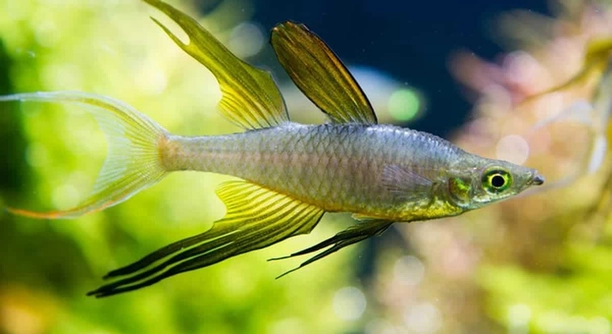
Threadfin fish are delicate creatures that need careful attention to thrive. Maintaining a healthy routine for them ensures they grow strong, remain active, and display their natural beauty in a safe, balanced environment.
A consistent feeding schedule, proper water quality, and regular health checks are essential for a threadfin routine. Ensuring adequate nutrition, clean habitats, and minimal stress promotes optimal growth, disease prevention, and overall well-being for these sensitive fish.
Learning the right care steps can make a big difference in your threadfin’s life. Small adjustments in routine create a healthier, happier fish over time.
Consistent Feeding Schedule
Feeding threadfin fish at regular intervals is crucial for their health. I’ve noticed that when the timing is inconsistent, the fish become anxious and sometimes ignore their food. Providing small, measured portions twice a day helps maintain their metabolism. Overfeeding can pollute the water and lead to digestive problems. I usually prepare their feed in advance to avoid giving too much. Fresh food, whether live or frozen, keeps them active and vibrant. Observing how quickly they eat can guide portion size. Adjustments are important as they grow, since younger fish need more frequent feeding. Using a reliable timer or routine makes care easier and reduces stress for both the fish and the caretaker.
A regular feeding schedule ensures threadfin fish get adequate nutrition while preventing overfeeding, water contamination, and stress, leading to consistent growth and vitality.
Keeping track of feeding habits also reveals health issues early. A change in appetite can indicate stress or illness, allowing timely intervention before problems escalate.
Proper Water Quality
Maintaining clean water is essential for threadfin health. Filtration and regular water changes prevent buildup of harmful substances.
Threadfin are sensitive to pH and temperature fluctuations. Regularly testing the water ensures it stays within safe parameters. Removing uneaten food and waste reduces the risk of infections. I replace about twenty percent of the water weekly, which keeps the environment stable. Using dechlorinated water is important because chemicals can irritate their gills. Adding aeration supports oxygen levels and encourages active swimming. Plants or hiding spots also help reduce stress, creating a more natural habitat. Monitoring water hardness, salinity, and temperature daily keeps the fish comfortable. Consistency is key, as sudden changes can shock them. Observing the fish’s behavior provides clues about water quality; sluggish movement or gasping at the surface signals that adjustments are needed. By combining proper filtration, regular maintenance, and careful observation, the health of threadfin fish can be maintained effectively and reliably.
Regular Health Checks
Checking threadfin fish for signs of illness prevents serious problems. I look for changes in color, unusual swimming patterns, or fin damage. Quick action helps them recover faster.
Examining gills, scales, and eyes is part of my routine. Healthy gills are bright red, and scales should lie flat without lesions. Swollen or cloudy eyes may indicate infection. Observing behavior also gives clues—lethargy, hiding, or unusual aggression can signal stress or disease. Keeping a small notebook helps track changes over time. I sometimes quarantine new fish to avoid introducing illness to the main tank. Preventive care reduces the need for medication and keeps the tank environment stable.
Routine checks allow early detection of parasites or bacterial infections. If I notice minor issues, I treat them quickly with safe remedies. This consistent attention ensures threadfin fish stay active, strong, and visually vibrant. By staying observant, I can catch problems before they escalate, protecting both the fish and the tank’s ecosystem.
Balanced Diet
Providing a balanced diet supports growth and immune function. I rotate between live, frozen, and prepared feeds to cover nutritional needs.
Including a variety of foods ensures the fish get proteins, fats, and essential vitamins. Occasionally, I add small amounts of vegetables or supplements for extra nutrients. Overreliance on one type of food can lead to deficiencies or digestive issues. I carefully monitor how they respond to each food type and adjust portions accordingly. Feeding small amounts multiple times a day prevents overeating and keeps water quality stable. Fresh, high-quality feed encourages natural foraging behavior, keeping the fish active.
I noticed that feeding the same food repeatedly can make the fish picky. Introducing variety not only keeps them healthy but also reduces stress. I maintain a feeding log to track what works best for growth and energy levels. By combining live food with high-quality prepared options, the threadfin receive a well-rounded diet that supports overall health and vibrant coloration. Observing their preference and adjusting the diet gradually ensures consistent nutrition without upsetting their digestive system.
Stress Reduction
Threadfin fish respond quickly to stress, which affects their health and appetite. I make sure their environment is calm, with gentle water flow and hiding spots. Minimal disturbance keeps them active and comfortable.
Avoiding sudden changes in light, temperature, or tank setup helps reduce stress. I also limit loud noises near the tank, as threadfin are sensitive. Creating a stable routine in feeding and cleaning ensures they feel secure, which improves their overall health and behavior.
Proper Tank Size
Threadfin require ample space to swim freely. I use a tank that allows them to move without bumping into each other. Overcrowding can cause aggression and stunted growth, so proper space is necessary for their development.
A spacious tank encourages natural activity and reduces territorial disputes. I arrange plants and decorations strategically, providing hiding spots while leaving open areas for swimming. This balance keeps the fish active and minimizes stress. Proper tank size also helps maintain water quality, as larger volumes dilute waste more effectively. By observing their movement and interactions, I adjust the setup to ensure comfort. Consistent maintenance and thoughtful placement of elements help the threadfin thrive physically and mentally.
Compatible Tank Mates
Choosing suitable tank mates prevents aggression and competition. I pair threadfin with calm, similar-sized fish to maintain harmony.
Routine Water Testing
Monitoring water parameters is essential. I check pH, ammonia, nitrites, and temperature regularly to keep the environment safe.
FAQ
How often should I feed my threadfin fish?
I feed my threadfin fish twice a day, offering small portions they can finish within a few minutes. Younger fish may need more frequent meals, while adults do well with two consistent feedings. Overfeeding can pollute the water and harm their digestion.
What types of food are best for threadfin?
I provide a mix of live, frozen, and high-quality prepared food. Live food encourages natural hunting behavior, frozen food adds variety, and prepared pellets cover essential nutrients. Occasionally, I include tiny amounts of vegetables or supplements to support their overall health.
How do I maintain proper water quality?
Regular water changes, good filtration, and monitoring pH, temperature, and ammonia levels are key. I replace about 20% of the water weekly and remove uneaten food promptly. Aeration and hiding spots help reduce stress while maintaining a stable environment.
How can I tell if my threadfin is stressed?
Signs include erratic swimming, hiding excessively, loss of appetite, or faded colors. I observe their behavior daily, making sure light, temperature, and tank conditions remain stable. Minimizing disturbances and maintaining routine care reduces stress significantly.
Do threadfin need a specific tank size?
Yes, space is important for swimming and social interaction. I keep them in a tank large enough to prevent overcrowding and aggression. Adequate swimming space encourages activity and helps maintain water quality, while thoughtful placement of plants and decorations provides shelter without restricting movement.
Can threadfin live with other fish?
They do best with calm, similar-sized species. I avoid aggressive or overly active fish that might stress them. Choosing compatible tank mates prevents fights, reduces stress, and promotes a healthier tank environment. I monitor interactions closely to make adjustments if needed.
How often should I check water parameters?
I test water at least once a week for pH, ammonia, nitrites, and temperature. Regular monitoring ensures a safe environment and helps prevent sudden problems. Keeping notes allows me to detect trends or changes early, ensuring quick action if something goes wrong.
What should I do if my threadfin looks sick?
Early detection is important. I isolate affected fish, examine gills, scales, and eyes, and treat minor issues with safe remedies. Persistent or severe symptoms may require professional advice. Preventive care, including routine checks and proper diet, reduces the likelihood of illness.
How important is tank decoration?
Decorations provide hiding spots and reduce stress. I use plants, rocks, and gentle structures that don’t crowd the swimming area. Thoughtful arrangement creates a natural-feeling environment, supports activity, and helps maintain a calm, healthy fish population.
How do I prevent overfeeding?
I prepare small portions in advance and watch how quickly the fish finish their food. I avoid leaving excess food in the tank, which can degrade water quality. Keeping a consistent feeding routine prevents overeating and digestive problems.
Can water temperature changes harm threadfin?
Yes, sudden changes can shock the fish. I maintain stable temperatures using a reliable heater or chiller as needed. Gradual adjustments are safer if changes are necessary, helping threadfin stay healthy and stress-free.
Is regular observation really necessary?
Absolutely. Daily observation allows me to catch behavioral or physical changes early. Small differences, like reduced swimming or loss of appetite, can indicate health issues. Consistent attention ensures timely care and keeps the fish thriving.
How do I handle new fish additions?
I quarantine new fish for a few weeks to prevent introducing illness. Observing them in isolation before introducing them to the main tank protects existing fish. Careful monitoring during this period reduces stress and keeps the tank ecosystem stable.
What is the ideal pH range for threadfin?
I maintain a pH between 6.5 and 7.5. Keeping water within this range supports gill function, digestion, and overall activity. Small daily or weekly fluctuations are acceptable, but large swings can be harmful, so monitoring is essential.
How do I know if the tank is overcrowded?
Signs include aggression, stress behaviors, and limited swimming space. I calculate fish numbers based on tank size and observe interactions. Adding fewer fish than the maximum capacity ensures comfort, healthy growth, and proper water quality maintenance.
Can supplements improve threadfin health?
Yes, occasional vitamins or minerals can support immune function and coloration. I use them sparingly and rotate types to avoid imbalance. A well-balanced diet is still the foundation, with supplements enhancing overall vitality.
How do I clean the tank without stressing fish?
I perform partial water changes, gently siphon debris, and avoid sudden temperature or chemical shifts. Using calm, deliberate movements minimizes disruption. Maintaining a stable routine reduces stress and keeps the environment healthy for the threadfin.
Are there signs of aging in threadfin?
Yes, older fish may swim more slowly, lose color intensity, or eat less. I adjust feeding and tank conditions accordingly, providing extra care while maintaining consistent routines to support their comfort and well-being.
What is the best way to encourage natural behavior?
Providing live food, varied diet, adequate space, and hiding spots encourages natural swimming, foraging, and social interactions. I observe and adjust the environment as needed to stimulate activity without causing stress, helping threadfin remain active and healthy.
How do I manage tank waste effectively?
I remove uneaten food, vacuum substrate during water changes, and ensure filtration is adequate. Regular maintenance prevents harmful buildup and maintains stable water conditions. Keeping the tank clean supports health and reduces the likelihood of disease.
Can threadfin tolerate temporary water fluctuations?
Minor, gradual changes are usually tolerable, but sudden swings in temperature, pH, or hardness can cause stress. I monitor carefully and make adjustments slowly to keep the fish comfortable while maintaining proper water conditions.
What daily habits support a healthy threadfin routine?
I feed on a schedule, observe behavior, remove debris, check equipment, and note water conditions. Consistent attention ensures the fish remain healthy, active, and stress-free. Small daily actions prevent problems and make long-term care manageable.
Is it necessary to track fish growth and behavior?
Yes, I maintain a simple log of size, appetite, and activity. Tracking changes helps detect illness, nutritional issues, or environmental problems early. This record supports better decision-making for feeding, tank adjustments, and overall care.
How can I prevent disease in the tank?
Regular water changes, proper diet, quarantine of new fish, and routine observation reduce the risk of disease. I maintain stable conditions and respond promptly to any signs of illness to keep the tank healthy.
Are threadfin sensitive to light changes?
Yes, sudden bright or dark shifts can stress them. I provide consistent lighting schedules and use gentle transitions if adjustments are necessary. Stable light cycles support normal behavior, feeding, and overall well-being.
What are common behavioral issues and how do I handle them?
Aggression, hiding, or lethargy are common. I adjust tank mates, check water quality, and ensure enough space. Providing enrichment, hiding spots, and maintaining routine care usually resolves minor issues without intervention.
How do I ensure long-term health for threadfin?
Consistent feeding, clean water, proper tank size, regular checks, and stress reduction are key. I maintain routines and observe carefully, making small adjustments as needed. Long-term health is supported by steady attention and thoughtful care, keeping threadfin active and thriving.
Final Thoughts
Maintaining a healthy routine for threadfin fish requires attention and consistency. These fish are sensitive to changes in their environment, so small details can make a big difference. I have found that keeping a predictable feeding schedule, monitoring water quality, and checking on their behavior regularly helps them thrive. Over time, these small steps become part of a daily routine, making care easier and less stressful for both the fish and myself. Ensuring their diet is varied and balanced keeps them strong and active, while proper tank setup and space reduce aggression and promote natural swimming behavior. Each fish responds slightly differently, so observing their preferences and adjusting care habits accordingly is important. The combination of proper nutrition, clean water, and careful observation creates a stable environment where threadfin can grow and remain healthy.
Regular health checks are crucial for early detection of any issues. I make it a habit to inspect gills, scales, fins, and eyes for any abnormalities. Changes in color, appetite, or movement often signal stress, illness, or water quality problems. Addressing these signs early prevents minor issues from becoming serious problems. Quarantining new fish before adding them to the main tank also reduces the risk of spreading disease. I have noticed that fish that receive consistent monitoring are generally more resilient and recover faster when problems arise. Observing behavior is just as important as checking physical health; for example, sluggish swimming or frequent hiding can indicate that the fish is uncomfortable or stressed. By combining preventive measures with careful observation, I can maintain a safe and supportive environment that encourages threadfin to thrive naturally over time.
Patience and consistency are the foundation of a successful threadfin routine. Rushing changes or neglecting small daily habits often leads to stress and health problems for the fish. I focus on creating a calm and stable environment with adequate space, hiding spots, and gentle water flow. Daily tasks like removing uneaten food, checking water parameters, and keeping track of feeding schedules may seem minor, but they add up to a significant impact on the fish’s well-being. A balanced diet, compatible tank mates, and attention to stress reduction contribute to overall vitality and natural behavior. Maintaining these habits requires commitment, but the rewards are clear. Threadfin that are cared for consistently show vibrant colors, active swimming patterns, and long-term health. Developing these routines also makes it easier to notice changes in behavior or condition, allowing timely interventions. Overall, thoughtful care and steady routines create a safe and healthy environment, ensuring that threadfin fish remain strong, happy, and visually striking for years.

Hello,
If you enjoy the content that we create, please consider saying a "Thank You!" by leaving a tip.
Every little bit helps us continue crafting quality advice that supports the health, happiness, and well-being of pets around the world, for pets of all shapes, sizes, and species.
We really appreciate the kindness and support that you show us!