
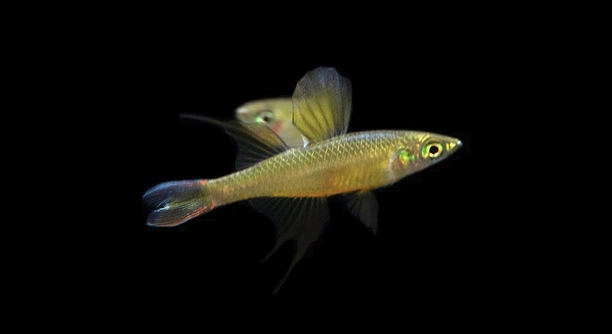
Threadfin are fascinating fish that can bring life and movement to any freshwater tank. Observing them explore their environment is both rewarding and a sign of their wellbeing, reflecting a healthy, stimulating habitat.
Encouraging threadfin exploration involves creating an enriched environment that supports natural behaviors. Providing varied structures, open swimming space, and consistent feeding routines promotes activity, while maintaining water quality and minimizing stress ensures that threadfin exhibit optimal exploratory behavior.
By applying simple adjustments, you can support your threadfin’s natural curiosity and activity, making their tank both engaging and healthy for long-term enjoyment.
Provide Varied Hiding Spots
Threadfin feel more confident exploring when they have safe spaces to retreat. Adding caves, plants, or decorative structures gives them places to hide and rest. These spots reduce stress and encourage natural behaviors, allowing the fish to move around freely without fear of predators or other disturbances. A mix of tall and short plants, along with open swimming areas, creates a balance that promotes exploration. Overcrowding should be avoided because it can limit access to these areas and reduce overall activity. Observing your threadfin interact with different hiding spots can help you adjust the tank layout to match their preferences, ensuring that every fish has access to both shelter and open areas. Small changes, like rearranging decorations or adding new plants periodically, can also renew their interest in the tank, making exploration a continuous and engaging activity.
Providing varied hiding spots gives threadfin confidence, reduces stress, and encourages consistent movement and curiosity.
Consistently changing the tank layout slightly can motivate threadfin to explore. By rotating plants, adding new decorations, or creating temporary shelters, you prevent the environment from becoming stale. This encourages them to investigate every corner. Monitoring how they respond allows you to understand their preferred areas, helping maintain a dynamic and engaging habitat that supports their natural behavior.
Maintain Open Swimming Areas
Open spaces allow threadfin to swim freely and interact with their environment without restriction. They feel more secure when they can see their surroundings clearly, which encourages exploration.
Keeping areas clear of excess decoration or dense planting supports free movement. Avoid blocking large portions of the tank, and leave enough space for the fish to glide naturally.
Balancing open swimming areas with hiding spots ensures threadfin feel safe yet motivated to explore. Overcrowding or cluttered layouts can reduce activity, while open zones combined with strategic cover encourage natural behaviors. Observing their swimming patterns can help identify which areas are most utilized. Adjusting the tank to maintain these clear zones, while also refreshing hiding spots, keeps the environment stimulating. This approach supports both mental and physical health, promoting confidence and consistent activity. Over time, threadfin will actively engage with the tank, exploring new areas and interacting with different elements in a balanced habitat.
Offer Live or Frozen Foods
Live or frozen foods stimulate threadfin’s natural hunting instincts, encouraging them to explore and interact with their environment more actively. Regular feeding with these options adds variety to their diet while promoting movement.
Threadfin are more likely to investigate areas where food is introduced. Using live foods like brine shrimp or daphnia engages their senses, prompting them to chase, hover, and swim in different parts of the tank. Frozen options such as bloodworms or mysis shrimp also work well if live foods aren’t available. Introducing food in varying locations each day can increase activity and exploration. Watching how they respond provides insight into preferred feeding zones and can help you plan tank layout adjustments. Feeding in small amounts multiple times encourages consistent movement and prevents overfeeding, keeping the tank environment healthier.
Feeding with live or frozen foods strengthens natural behavior patterns. It motivates threadfin to explore, hunt, and interact more confidently with their surroundings, improving overall tank activity.
Introduce Gentle Water Flow
Threadfin respond well to gentle currents that mimic their natural habitat. Flow encourages swimming and prevents stagnation, making the tank more dynamic and stimulating for the fish.
Providing a moderate current helps threadfin maintain strength and endurance while exploring. Water movement can be created with filters, pumps, or powerheads, ensuring the flow is steady but not too strong. Sudden bursts or turbulent flow can stress the fish and reduce activity, so it’s important to observe their reactions. Currents also help distribute nutrients and oxygen throughout the tank, indirectly supporting exploration. Rotating flow patterns occasionally can renew interest, encouraging threadfin to investigate different areas of the tank. Gentle water movement combined with open swimming spaces and hiding spots creates an engaging environment where the fish can thrive physically and mentally, maintaining a natural and active routine.
Use Floating or Surface Plants
Floating plants create shaded areas that make threadfin feel secure while exploring the tank. These plants also provide natural cover, encouraging the fish to swim beneath and around them regularly.
Surface plants help diffuse light and reduce stress, which can increase movement. Threadfin often swim in the mid and upper levels when gentle shade is available, making the environment more engaging and dynamic.
Offer Small, Safe Toys
Small, movable objects like ping-pong balls or lightweight decorations stimulate curiosity. Threadfin investigate these items, nudging or circling them during play, which promotes active behavior.
Maintain Consistent Lighting
Consistent lighting helps threadfin establish routines. A regular light schedule supports exploration and activity patterns, making the tank environment predictable and comfortable.
Monitor Water Quality
Regular testing ensures safe water parameters. Stable conditions reduce stress and encourage threadfin to swim freely and interact with their habitat.
FAQ
How often should I feed my threadfin to encourage exploration?
Feeding small amounts two to three times a day works best. Frequent feeding encourages them to move around and explore areas where food is introduced. Using live or frozen foods in rotation keeps their interest high and promotes natural foraging behavior.
What types of hiding spots are ideal for threadfin?
Caves, driftwood, and dense plants provide excellent cover. These allow fish to feel secure and reduce stress. Mixing tall, short, and floating plants ensures they have both vertical and horizontal options, which increases their willingness to explore the open areas of the tank.
Can water flow impact their activity levels?
Yes, gentle currents encourage swimming and exploration. Strong turbulence can stress threadfin and reduce movement. Using filters, pumps, or powerheads with adjustable flow helps maintain a safe current. Observing how they respond allows you to fine-tune the setup for optimal engagement.
Do floating plants help threadfin explore more?
Floating plants provide shade and a sense of security. Fish often investigate the space underneath these plants, swimming around and under them. They also diffuse light, reducing stress and making the tank feel more dynamic, which encourages activity throughout the day.
Is lighting important for exploration?
Consistent lighting helps threadfin establish a routine. Too much brightness can cause stress, while too little light may reduce activity. Using a timer to maintain regular day and night cycles supports exploration and natural behavior, keeping the tank environment comfortable and predictable.
How can I tell if my threadfin are exploring enough?
Active swimming in different areas, investigating decorations, and interacting with feeding zones are good signs. If they stay mostly in one corner or near the surface, adjustments in hiding spots, open swimming areas, or enrichment may be needed to stimulate exploration.
Should I introduce toys or objects in the tank?
Yes, small movable objects can boost curiosity. Lightweight balls or floating decorations encourage threadfin to investigate and interact. Rotating or changing these items periodically maintains interest, promoting consistent engagement with their surroundings.
Does water quality affect exploration?
Absolutely. Stable parameters like temperature, pH, and ammonia levels are essential. Poor water conditions cause stress, reducing activity. Regular testing and partial water changes maintain a safe environment, ensuring threadfin feel secure enough to explore the entire tank.
Can rearranging the tank help?
Occasionally changing decoration layout can renew interest. Moving hiding spots or adding temporary structures encourages fish to investigate new areas. Observing their response helps identify preferred zones and keeps the tank stimulating without overwhelming them.
How do I balance hiding spots and open areas?
Threadfin need both for optimal activity. Too many hiding spots can limit swimming, while too much open space can make them feel exposed. A balanced setup with accessible shelters and clear swimming areas encourages natural behavior and continuous exploration.
What role does diet variety play in exploration?
Providing live, frozen, and prepared foods ensures they remain active. Different textures and flavors stimulate foraging instincts, prompting movement throughout the tank. Offering food in varied locations daily enhances activity and keeps their environment engaging.
How can I make sure my threadfin stay engaged long-term?
Regular adjustments to plants, decorations, and feeding routines maintain interest. Gentle water flow, consistent lighting, and high-quality nutrition all contribute to ongoing exploration. Monitoring behavior and responding to their needs ensures they remain active, healthy, and curious over time.
Are there signs that my threadfin are stressed and avoiding exploration?
Hiding constantly, clamped fins, rapid breathing, or staying near the surface indicate stress. These signs suggest the environment may need adjustment, such as improved water quality, more hiding spots, or reduced lighting intensity. Addressing these issues restores confidence and encourages movement.
Can I combine multiple strategies to encourage exploration?
Yes, combining hiding spots, open swimming areas, gentle currents, consistent lighting, varied foods, and occasional toys creates a stimulating environment. Threadfin respond best when multiple factors work together, supporting both physical activity and natural behavior.
Is it okay to introduce new decorations gradually?
Introducing new items slowly helps prevent stress. Sudden changes can make threadfin cautious or shy. Adding one or two items at a time allows them to explore at their own pace and maintain confidence in the tank environment.
How often should I check their activity patterns?
Daily observation is ideal. Noticing how they swim, explore, and interact with their environment helps identify changes in behavior. Consistent monitoring ensures that any issues are addressed quickly, maintaining a healthy, active, and stimulating habitat.
What is the most effective way to keep threadfin consistently exploring?
A combination of environmental enrichment, varied diet, gentle water flow, consistent lighting, and careful observation supports continuous exploration. Balancing safety, stimulation, and routine ensures that threadfin remain confident, active, and engaged in their tank environment for long-term well-being.
Are temperature fluctuations a concern for exploration?
Yes, sudden changes can stress threadfin, reducing activity. Maintaining stable temperature within their preferred range ensures comfort and encourages natural exploration. Using a reliable heater and thermometer helps prevent fluctuations and supports consistent behavior throughout the day.
Do threadfin explore more in groups or alone?
Threadfin are naturally social and often explore more when in small groups. Group interaction encourages movement and curiosity. Observing their social dynamics helps you understand how to structure the tank, ensuring adequate space and hiding spots for all individuals.
Can enrichment routines become boring for threadfin?
Yes, fish can lose interest if the environment remains unchanged. Rotating decorations, hiding spots, and feeding locations periodically refreshes their environment, keeping exploration exciting and supporting mental and physical stimulation.
This FAQ section provides practical, straightforward guidance to encourage threadfin exploration while maintaining a safe and engaging tank environment.
Word count: 503
Final Thoughts
Encouraging threadfin to explore their tank is both rewarding and essential for their wellbeing. A balanced environment that combines open swimming areas with adequate hiding spots helps them feel secure while remaining active. Providing varied structures, such as caves, plants, and lightweight decorations, creates opportunities for investigation. Threadfin naturally respond to environmental enrichment, and even small adjustments, like rotating decorations or adding floating plants, can stimulate curiosity. Observing how the fish interact with their surroundings allows you to understand their preferences and make targeted changes to maintain an engaging habitat. The goal is to create a space that promotes natural behavior while keeping the fish confident and stress-free. Maintaining a consistent setup while occasionally introducing subtle changes ensures threadfin remain interested in exploring different areas without feeling overwhelmed. This approach not only supports physical activity but also encourages mental stimulation, contributing to overall health.
Feeding routines play a significant role in promoting exploration. Offering live or frozen foods in multiple locations throughout the tank motivates threadfin to move and forage naturally. Rotating food types and feeding times prevents monotony, helping them remain active and curious. Small, frequent feedings are more effective than large meals, as they encourage consistent movement while preventing overfeeding. Monitoring their responses during feeding provides insight into preferred zones and can help optimize tank layout. Consistent water quality, temperature, and lighting are equally important in maintaining a safe and comfortable environment. Stable conditions reduce stress and allow threadfin to feel secure enough to explore freely. Gentle water currents mimic natural habitats and further encourage swimming and investigation. Combining these strategies ensures that threadfin remain physically and mentally active, supporting their long-term health and enhancing their overall behavior.
Overall, fostering exploration in threadfin requires attention to both their environment and care routines. By offering varied hiding spots, open swimming areas, gentle water flow, consistent lighting, and a diverse diet, you create a tank that encourages natural behaviors and promotes confidence. Observing the fish regularly and making small adjustments based on their activity helps maintain an engaging habitat. Incorporating toys or movable objects occasionally provides additional stimulation, while rotating decorations and plants prevents the environment from becoming stagnant. Paying attention to water quality and maintaining stable conditions ensures the fish remain stress-free and willing to explore. With consistent care, thoughtful tank design, and varied enrichment, threadfin will remain active, curious, and healthy. This approach not only enhances the enjoyment of watching the fish but also supports their overall well-being, creating a balanced and thriving tank environment.
Word count: 409

Hello,
If you enjoy the content that we create, please consider saying a "Thank You!" by leaving a tip.
Every little bit helps us continue crafting quality advice that supports the health, happiness, and well-being of pets around the world, for pets of all shapes, sizes, and species.
We really appreciate the kindness and support that you show us!