
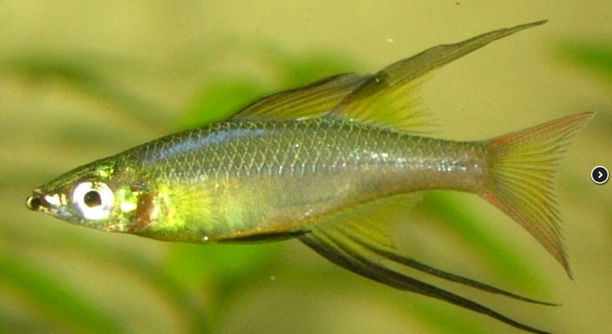
Threadfins are known for their striking colors that seem to shimmer in the water. These vibrant displays are not random but influenced by several environmental and biological factors that affect their overall appearance. Observing them closely reveals subtle changes.
The brightness of threadfin colors is primarily determined by diet, water quality, light exposure, stress levels, breeding cycles, social interactions, and seasonal changes. Each factor interacts with the fish’s physiology, enhancing or dulling pigments to create more vivid visual displays.
Understanding what influences these changes can help you appreciate threadfins more fully and recognize the conditions that bring out their most vivid colors.
Diet and Nutrition
A threadfin’s diet has a direct impact on the intensity of its colors. Fish that consume a variety of high-quality foods rich in carotenoids, vitamins, and proteins tend to display more vibrant hues. Natural foods like shrimp, plankton, and small crustaceans supply pigments that integrate into the skin and scales, enhancing reds, oranges, and yellows. In contrast, a monotonous or nutrient-poor diet can lead to duller colors and slower growth. Consistency is key, as sudden changes in diet can stress the fish and temporarily reduce color intensity. Feeding smaller portions multiple times a day helps maintain optimal health and color development. Seasonal availability of certain foods may also play a role, as some pigments are stronger when specific ingredients are consumed. Observing the feeding behavior of threadfins can reveal how diet influences not only their appearance but also their activity and vitality.
High-quality, varied foods are essential for vibrant colors and maintaining a healthy, active fish over time.
Providing the right diet requires understanding both the natural preferences of threadfins and their nutritional needs. Incorporating live foods or frozen alternatives like brine shrimp can stimulate feeding responses and encourage color development. Avoid overfeeding, which may affect water quality and reduce the fish’s vibrancy. A gradual introduction of new foods helps prevent stress. Watching how colors respond to dietary changes allows careful adjustment to achieve optimal display. Nutrient-rich supplements can also be considered if natural sources are limited. A proper feeding routine ensures that pigments are absorbed efficiently, giving threadfins their most striking appearance.
Light and Environment
Lighting plays a significant role in how threadfins display their colors, influencing both pigment production and visibility in water.
Threadfins exposed to consistent, natural-spectrum lighting often exhibit brighter and more vivid colors. The intensity and duration of light affect the synthesis of pigments and their reflection on the scales. Too little light can make colors appear muted, while excessive direct light may cause stress or fading. The surrounding environment, including the substrate, plants, and decorations, also influences how colors stand out. Light reflections and contrasts in the tank enhance the perception of vibrancy, making the fish appear more radiant. Adjusting light gradually during the day helps simulate natural conditions and reduces sudden stress. Combining appropriate lighting with clean water and a well-maintained environment maximizes the display potential.
Optimizing light conditions involves balancing intensity, spectrum, and duration to encourage natural color development and enhance visual appeal in the tank. Proper planning and observation can transform a simple setup into one that truly highlights threadfins’ beauty. Paying attention to light cycles and environmental contrasts ensures each fish shows its full potential. Natural daylight mimicry often works best, while supplementary LED lighting can enhance specific hues. Maintaining water clarity is also crucial, as murky water diminishes the reflection and absorption of light on the scales. Regular observation allows adjustment of environmental factors to achieve consistently vibrant displays. This combination of light management and habitat design supports both health and visual excellence in threadfins.
Water Quality
Clean, well-maintained water is crucial for threadfins to show their brightest colors. High ammonia or nitrate levels can stress the fish, causing colors to fade. Regular water changes and proper filtration help maintain clarity and a healthy environment. Stable temperature and pH also support vibrant displays.
Maintaining optimal water conditions requires consistent monitoring and timely adjustments. Threadfins are sensitive to sudden changes, which can dull their pigmentation and reduce activity. Using a reliable water testing kit allows you to track ammonia, nitrite, nitrate, and pH levels. Proper filtration removes debris and excess nutrients, preventing harmful buildup. Temperature stability ensures metabolic functions work correctly, supporting overall health. Incorporating live plants can help absorb excess nutrients and improve oxygen levels, creating a balanced environment that encourages color vibrancy. Clean, well-oxygenated water is a foundation for maintaining a visually striking aquarium.
Regular observation is essential, as changes in color can indicate shifts in water quality. Adjusting maintenance routines based on fish behavior and water readings ensures consistent vibrancy. Over time, you learn to recognize subtle signs of stress or nutrient deficiency. Proper water care not only supports bright colors but also enhances immunity, reduces disease risk, and promotes longevity. Balancing filtration, temperature, and chemical levels is a continual process, but it directly impacts the fish’s appearance. By prioritizing water quality, the natural beauty of threadfins can be fully expressed. Consistency in care is key to sustaining these vivid colors.
Stress and Social Interaction
Minimizing stress is vital for threadfins to display their full coloration. Crowding, aggressive tank mates, or sudden changes can lead to fading colors. A calm, stable environment encourages pigment expression.
Threadfins respond strongly to social dynamics and stress levels. Aggressive or overly dominant tank mates can intimidate them, causing them to hide or lose color temporarily. Providing enough space and hiding spots helps reduce tension. Consistent routines in feeding and light cycles also lower stress, supporting pigment development. Gentle observation of their interactions allows adjustments to group composition and tank layout, ensuring each fish feels secure.
Social interaction can influence both mood and color intensity. Threadfins kept in compatible groups often display more confident behaviors and brighter pigmentation. Conversely, constant conflict or overcrowding suppresses color expression. Establishing a well-planned community, observing hierarchies, and ensuring sufficient resources prevent dominance disputes. Even subtle environmental stressors, like sudden noise or frequent rearrangement, can affect their visual display. By prioritizing both social balance and calm conditions, you help threadfins maintain healthy, vivid colors, enhancing the overall visual appeal of the aquarium.
Breeding Cycles
Threadfins often display brighter colors during breeding periods. Hormonal changes trigger pigment intensification, making males especially vibrant. Females may also show subtle color shifts to signal readiness. Recognizing these cycles helps anticipate natural color changes in your aquarium.
Breeding behaviors can be influenced by environment, diet, and social structure. Providing proper conditions, such as slightly warmer temperatures and secluded areas, encourages natural displays. Observing these cycles allows you to support both health and pigmentation, ensuring that colors are at their peak during mating periods.
Seasonal Changes
Seasonal variations affect light, temperature, and food availability, influencing color expression in threadfins. Brighter colors are often observed during longer daylight periods when conditions mimic natural habitats. Adjusting tank conditions to reflect seasonal changes can enhance vibrancy.
Light Spectrum
Using the correct light spectrum helps pigments reflect naturally. Full-spectrum or daylight-balanced lighting enhances reds and yellows, while cooler tones support blues and silvers. Proper placement and intensity prevent stress and highlight natural coloration.
FAQ
How often should I feed my threadfins to maintain bright colors?
Feeding frequency directly impacts pigment development. Smaller portions two to three times a day help threadfins absorb nutrients efficiently without overloading the water with waste. A varied diet including live or frozen foods ensures essential carotenoids and proteins are available to support vibrant coloration.
Can changing water temperature affect color intensity?
Yes. Threadfins are sensitive to sudden temperature fluctuations. Stable temperatures within their preferred range support metabolic and pigment functions. Gradual seasonal adjustments can simulate natural conditions, often enhancing color displays during longer daylight periods. Extreme changes can stress the fish and temporarily dull their colors.
Does tank size influence how bright threadfins appear?
Larger tanks reduce stress and allow natural movement, which encourages confident behaviors and stronger color expression. Overcrowding or limited swimming space can suppress pigmentation. Providing hiding spots and a well-structured environment also reduces stress, allowing colors to remain vivid.
Will stress from tank mates cause fading?
Yes. Aggressive or dominant fish can intimidate threadfins, causing them to hide or lose color. Ensuring a balanced social group, adequate space, and calm surroundings helps maintain both health and bright coloration. Observing interactions helps you adjust the environment to reduce tension.
What role does light duration play in color brightness?
Consistent light cycles encourage natural pigment production. Threadfins benefit from approximately 10 to 12 hours of full-spectrum or daylight-balanced light daily. Too little light can mute colors, while excessive direct light may cause stress. Proper lighting placement enhances visibility and overall vibrancy.
Do supplements improve color?
Pigment-rich supplements can support coloration if natural dietary sources are insufficient. Carotenoid-based supplements are especially effective, but they should be used carefully to avoid over-supplementation. Combining supplements with a varied diet ensures balanced nutrition and optimal color development.
How can I tell if water quality is affecting colors?
Dull colors, lethargy, or unusual hiding behavior may indicate poor water quality. Regular testing for ammonia, nitrite, nitrate, and pH, combined with routine water changes and proper filtration, prevents stress and promotes bright coloration. Observation is key to recognizing subtle changes.
Does breeding affect color intensity?
During breeding cycles, hormonal changes intensify colors, especially in males. Females may also show subtle shifts. Providing secluded areas and appropriate environmental conditions encourages natural displays, supporting both reproductive success and pigment vibrancy.
Are seasonal changes important for maintaining colors?
Yes. Seasonal changes affect temperature, light, and food availability, influencing pigment expression. Simulating longer daylight periods during spring and summer or adjusting environmental factors can enhance natural color brightness throughout the year.
Can stress from environmental changes fade colors temporarily?
Sudden rearrangements, loud noises, or rapid water changes can stress threadfins and reduce color intensity. Maintaining stability and gradually adjusting conditions ensures the fish remain vibrant and healthy. Consistency in care is essential for long-term color retention.
Is diet alone enough to achieve peak coloration?
Diet is critical but not the only factor. Water quality, lighting, stress levels, social interactions, and seasonal conditions all contribute to how brightly threadfins display colors. A holistic approach combining proper nutrition with environmental care ensures the most vivid displays.
How long does it take to see color improvement after changes?
Improvements are gradual. Consistent diet, stable water, and proper lighting may show noticeable changes within weeks. Stress reduction and social adjustments also contribute, but patience is necessary to allow pigment development and overall health to stabilize.
Are all threadfins equally responsive to color enhancement?
Individual fish vary. Genetics, age, and overall health influence responsiveness to environmental and dietary adjustments. Younger, healthy fish often display faster and more intense color changes, while older or stressed individuals may take longer to show improvement.
Can I enhance colors without stressing the fish?
Yes. Small, consistent improvements in diet, lighting, water quality, and tank conditions are effective without causing stress. Sudden changes or overcrowding should be avoided. Observation allows careful adjustments that enhance coloration naturally and safely.
Is it necessary to mimic natural habitats for color development?
Mimicking natural conditions supports overall health and coloration. Proper light cycles, substrate, hiding spots, and water conditions help threadfins feel secure, which encourages natural pigment expression. A balanced and stable environment is key to sustaining bright colors over time.
What signs indicate a diet is lacking pigment nutrients?
Fading reds, oranges, or yellows, along with reduced activity or slower growth, often indicate insufficient pigment nutrients. Introducing carotenoid-rich foods, live or frozen options, and occasional supplements can restore vibrancy and support overall health.
Does age affect color brightness?
Yes. Younger fish often develop colors more rapidly, while older fish may maintain but not intensify hues as easily. Consistent care throughout life ensures the best possible color retention at every stage.
Can adding live plants influence coloration?
Live plants improve water quality by absorbing excess nutrients and providing oxygen. They also reduce stress by offering hiding spots, indirectly supporting bright pigmentation. A well-planted tank contributes to both health and visual appeal.
How often should I test water for optimal colors?
Weekly testing is ideal for monitoring ammonia, nitrite, nitrate, and pH. Consistent checks prevent harmful fluctuations, reduce stress, and maintain conditions that allow threadfins to show their full color potential.
Are certain lighting colors better for highlighting specific pigments?
Full-spectrum lighting enhances overall vibrancy. Cooler tones bring out blues and silvers, while warmer tones emphasize reds and yellows. Adjusting intensity and angle ensures the natural pigments are displayed without causing stress.
Can overcrowding permanently affect color?
Chronic overcrowding increases stress, suppresses pigment expression, and may lead to long-term dullness. Ensuring adequate space, hiding spots, and a compatible community prevents persistent color fading.
Do water hardness and pH influence coloration?
Yes. Threadfins prefer stable, slightly soft to neutral water. Fluctuations in hardness or pH can stress the fish, dull pigments, and reduce brightness. Maintaining stability is essential for optimal color development.
How quickly do threadfins recover their colors after stress?
Recovery depends on severity and duration of stress. Minor stress may allow colors to return within days, while prolonged stress can take weeks. Providing stable water, proper diet, and calm social conditions supports faster pigment restoration.
Is it normal for colors to fluctuate daily?
Mild daily fluctuations are natural, often influenced by light intensity, activity levels, and minor environmental changes. Consistent care ensures these variations remain temporary rather than permanent fading.
Can water additives improve colors?
Some additives enhance pigmentation by supplying additional minerals or carotenoids. They should complement a balanced diet and clean water rather than replace core care practices. Proper usage supports health and visible vibrancy.
Does genetics play a major role in color intensity?
Yes. Some threadfins naturally exhibit brighter pigments due to genetic factors. While environment and diet can enhance colors, genetics set the baseline potential for each fish’s display.
Are males generally more colorful than females?
During breeding and peak activity, males often display more intense colors to attract mates. Females may show subtle pigment changes, but males typically have the brightest visual impact.
How can I tell if my lighting is effective for colors?
If reds, yellows, and blues appear muted or washed out, lighting may be insufficient or improperly balanced. Adjust spectrum, intensity, and duration to match natural conditions and highlight pigments effectively.
Is frequent tank rearrangement harmful to color?
Yes. Sudden changes can stress threadfins, leading to temporary color loss. Minimal, gradual adjustments reduce impact while preserving both comfort and pigmentation.
Do live or frozen foods make a noticeable difference?
Yes. Live or frozen foods often contain higher pigment content than dry alternatives, directly supporting vibrant colors. Rotating these foods into the diet ensures nutrient variety and optimal pigmentation.
Can environmental enrichment affect coloration?
Yes. Adding plants, rocks, or hiding spaces reduces stress, encourages natural behaviors, and indirectly supports brighter colors. A stimulating environment promotes confidence and pigment expression.
Is color enhancement more effective in young fish?
Younger threadfins typically respond faster to dietary and environmental adjustments, showing more rapid and intense color development. Older fish may still improve but at a slower pace.
Are there signs that indicate colors are at their peak?
Vivid, well-defined reds, blues, and yellows, active behavior, and confident swimming are indicators. Consistency in these traits often reflects optimal care, diet, and environmental conditions.
Can stress from handling affect coloration?
Yes. Frequent or rough handling can cause temporary fading. Minimizing contact and using gentle techniques preserves pigment intensity and reduces overall stress.
Does water flow influence colors?
Moderate water flow helps maintain oxygenation and waste removal. Proper flow reduces stress and encourages healthy pigment expression. Excessive turbulence may cause fatigue and temporary color dullness.
Are there differences between wild-caught and captive-bred threadfins?
Wild-caught fish may have naturally higher baseline pigmentation but can experience stress in captivity, dulling colors. Captive-bred fish adapt more easily, allowing controlled conditions to enhance color consistently.
How do I combine diet, light, and water care effectively?
Maintain consistent water quality, provide a varied pigment-rich diet, and use full-spectrum lighting. Observe responses and adjust gradually to enhance colors without causing stress.
Can seasonal feeding adjustments improve coloration?
Yes. Increasing carotenoid-rich foods during simulated breeding or high-activity seasons supports peak color expression. Gradual changes prevent stress and ensure pigments are absorbed efficiently.
Are all colors equally influenced by diet and environment?
Different pigments respond differently. Reds and yellows are highly sensitive to carotenoid intake, while blues and silvers are more influenced by lighting and water clarity. A combination of factors is necessary for full-spectrum vibrancy.
Is patience important when enhancing colors?
Absolutely. Changes take time, often weeks, for diet, light, and environmental adjustments to fully show. Consistent, gradual improvements produce lasting results and healthier, more vibrant threadfins.
Can minor stressors cause subtle color changes?
Yes. Even minor disruptions, like brief temperature shifts or small social adjustments, can temporarily reduce vibrancy. Observing fish behavior helps identify these triggers.
Does water clarity affect pigment visibility?
Yes. Murky or cloudy water reduces light penetration, making colors appear dull. Regular maintenance and filtration ensure pigments are visible and vibrant.
Can certain substrates enhance coloration?
Contrasting substrates, like darker gravel or sand, make bright colors stand out more. While they don’t change pigment production, visual contrast enhances perceived vibrancy.
Are there natural indicators of declining color health?
Fading reds or yellows, inactivity, hiding, or reduced feeding indicate stress or nutrient deficiency. Timely adjustments in diet, environment, and water care restore color and health.
How do I balance all factors for maximum brightness?
Maintain clean water, provide varied diet, stable temperature, appropriate lighting, calm social conditions, and minimal stress. Gradual, consistent adjustments maximize pigment expression while keeping threadfins healthy and active.
Can long-term stress permanently affect color?
Prolonged stress can reduce baseline pigmentation and lead to persistent dullness. Addressing stressors promptly preserves both color and overall well-being.
Does tank decoration impact stress and color?
Yes. Providing hiding spots and structured areas reduces tension and encourages confident swimming, indirectly supporting brighter pigmentation and overall health.
Can color changes signal illness?
Fading or patchy colors can indicate disease or poor nutrition. Monitoring behavior, appetite, and water conditions helps identify and address underlying problems quickly.
Is there a way to naturally enhance blues and silvers?
Lighting and water clarity are key for blues and silvers. Full-spectrum light, clear water, and calm conditions enhance reflection and make these pigments more visible without additional supplements.
How often should I adjust lighting to maintain peak color?
Gradual, seasonal adjustments work best. Sudden changes may stress threadfins, while consistent light cycles support natural pigment expression. Observing responses guides appropriate timing and intensity.
Are diet changes more effective than environmental adjustments?
Both are essential. Diet provides pigments, while environmental factors like water quality, lighting, and stress levels determine how effectively colors are displayed. A combination ensures optimal results.
Can social hierarchy impact color intensity?
Yes. Dominant fish often appear brighter, while submissive individuals may hide or show muted colors. Balanced groups and adequate space allow all fish to express natural pigmentation fully.
How do I maintain peak coloration long-term?
Consistent diet, stable water quality, proper lighting, calm social conditions, and minimal stress support long-term pigment expression. Observation and small adjustments help sustain vibrancy over time.
Is it normal for colors to fluctuate slightly day-to-day?
Minor daily changes are natural due to light intensity, activity, and subtle environmental shifts. Consistent care ensures these variations remain temporary.
Can seasonal breeding cycles be simulated in captivity?
Yes. Adjusting light, temperature, and diet to mimic natural cycles encourages pigment intensification and natural behaviors during breeding periods.
How does handling live food affect color absorption?
Providing live food stimulates natural feeding behavior, ensuring efficient pigment uptake. Proper handling and timely feeding prevent stress while maximizing nutritional benefits.
Are there safe ways to accelerate color development?
Gradual improvements in diet, water, and light are effective. Sudden changes or over-supplementation can cause stress. Patience and observation yield the best long-term results.
Does tank position in the room affect colors?
Indirectly. Natural sunlight or drafts can alter light intensity and temperature, subtly influencing stress and pigment expression. Stable placement ensures consistent conditions for bright colors.
Can water hardness adjustments enhance color?
Yes. Stable, slightly soft to neutral water supports metabolic and pigment functions. Rapid or extreme changes can stress threadfins and reduce coloration.
Are certain foods better for males than females?
Males often benefit more visibly from carotenoid-rich foods during breeding, enhancing reds and yellows. Females also gain nutritional benefits, though pigment changes are subtler.
Does tank size influence long-term color retention?
Larger, well-structured tanks reduce stress and allow natural behaviors, supporting consistent pigment expression over time. Smaller, crowded tanks may cause chronic dullness.
Can reflective surfaces enhance visual vibrancy?
Yes. Subtle reflections from tank walls or decorations can amplify perceived color without altering pigmentation, making threadfins appear brighter.
Is monitoring behavior as important as diet for color?
Absolutely. Changes in swimming patterns, hiding, or aggression often precede color fading. Observing behavior allows timely adjustments to maintain pigment intensity.
Do water additives replace natural pigments?
No. Additives support diet but cannot replace essential nutrients. A varied diet remains the foundation for vibrant, healthy coloration.
Can seasonal plant growth in the tank affect colors?
Yes. Dense vegetation reduces stress, improves water quality, and provides contrast, indirectly enhancing the visual appearance of threadfins.
How do I know when to introduce new food types?
Gradually, observing acceptance and any behavioral or color changes. Sudden introduction may cause stress, while careful integration supports pigmentation.
Is stress recovery faster in younger fish?
Generally, yes. Younger threadfins regain pigment intensity more quickly, though older fish can still recover with consistent care.
Can light angle change perceived colors?
Yes. Adjusting the angle enhances reflection and highlights specific pigments, making colors appear more vivid without affecting actual pigmentation.
Does water movement interact with light to affect color?
Moderate flow supports oxygenation and clarity, enhancing light reflection on scales. Excess turbulence can reduce pigment visibility temporarily.
Are there natural triggers for pigment intensification?
Dietary carotenoids, light cycles, breeding hormones, and calm social conditions all naturally stimulate pigment expression in threadfins.
Can pigmentation fade after relocation?
Yes. Moving to a new tank can cause temporary stress-induced fading. Gradual acclimation helps restore color intensity.
Is there a maximum potential for color enhancement?
Genetics set a baseline for pigment potential, while environment and diet determine how fully it is expressed. Optimal care ensures the brightest possible display.
Do males and females respond differently to light changes?
Males often show more pronounced pigment changes under ideal lighting, particularly during breeding, while females’ color shifts remain subtler but noticeable.
Can color improvement be permanent?
Yes, if proper care, diet, and environment are maintained consistently. Neglect or stress can reverse gains, so ongoing attention is essential.
Are visual displays influenced by nearby fish species?
Yes. Presence of larger or aggressive species can cause stress, reducing pigment expression. A compatible community ensures all threadfins can display colors fully.
Does water chemistry directly affect pigmentation?
Stable, appropriate chemistry supports pigment production and retention. Fluctuations or imbalances can suppress color and cause temporary or long-term fading.
Can seasonal light simulation improve natural coloration?
Yes. Gradually increasing and decreasing light periods to mimic natural seasons encourages hormonal and pigment changes that enhance vibrancy.
Are live plants necessary for maximum coloration?
Not strictly, but they improve water quality, reduce stress, and provide contrast, all of which contribute to more vivid color displays.
Does social enrichment enhance color?
Yes. Proper tank mates, space, and hiding options reduce stress and allow natural pigment expression, indirectly improving brightness.
Can pigment changes indicate reproductive readiness?
Yes. Intensified coloration, especially in males, often signals breeding condition. Observing these changes helps understand natural cycles.
Is gradual improvement more sustainable than rapid enhancement?
Absolutely. Slow, consistent adjustments in diet, lighting, and environment promote lasting pigmentation without causing stress or health issues.
Does water clarity outweigh diet for blues and silvers?
For reflective pigments like blue and silver, clarity and lighting often have a greater visual impact than dietary carotenoids. Both remain important for overall vibrancy.
Can occasional fasting affect colors?
Short-term fasting may not harm pigments, but prolonged food deprivation reduces energy for pigment production, dulling colors over time.
Do seasonal water temperature changes influence long-term coloration?
Yes. Gradual temperature changes that mimic natural cycles support hormonal and pigment responses, encouraging consistent brightness throughout the year.
Are all threadfins equally sensitive to stress-induced fading?
No. Individual temperament, age, and health affect responsiveness. Some recover quickly, while others may show prolonged color dulling.
Can diet rotation improve color intensity?
Yes. Rotating different pigment-rich foods ensures balanced nutrition and prevents pigment deficiencies, maintaining consistent vibrancy.
Does observation of fish behavior indicate pigment health?
Absolutely. Active swimming, confident exploration, and consistent feeding often correlate with optimal pigmentation and overall health.
Are bright colors always a sign of health?
Generally, yes. Vibrant pigmentation usually indicates proper
Final Thoughts
Threadfins are remarkable for their vibrant colors, which can change depending on several factors in their environment. Maintaining these colors is not about a single trick or method but a combination of consistent care, proper diet, and attention to their surroundings. Clean water, stable temperature, and balanced pH are essential foundations. Without these basic conditions, even the best diet or lighting cannot fully bring out their natural vibrancy. Regular water testing and scheduled changes help keep harmful chemicals low and oxygen levels high, which directly impacts the fish’s overall health and the intensity of their colors. Observing water clarity and removing debris or excess food helps prevent dulling and supports long-term pigment retention.
Diet plays a critical role in supporting bright coloration. Carotenoid-rich foods, live or frozen items like shrimp and small crustaceans, and occasional supplements provide the necessary pigments that threadfins incorporate into their scales. Feeding smaller portions multiple times a day allows for efficient nutrient absorption and prevents overfeeding, which can affect water quality and cause stress. While diet is important, it works best in combination with other factors, such as proper lighting, minimal stress, and a calm social environment. Stress from overcrowding, aggressive tank mates, or sudden environmental changes can quickly dull their colors. Providing enough space, hiding spots, and a balanced community encourages confidence and reduces tension, helping pigments remain vibrant.
Lighting and environmental conditions are equally influential. Full-spectrum or daylight-balanced light enhances reds, yellows, and blues, while proper intensity and duration allow pigments to reflect naturally. Seasonal adjustments in light, temperature, and diet can simulate natural cycles, which further encourages peak coloration. Even small details, such as substrate contrast, live plants, or tank layout, contribute to how the colors are perceived, making the display appear brighter and more vivid. While genetics set the baseline for each threadfin’s potential, attentive care across all aspects—diet, water quality, lighting, social structure, and stress management—ensures that the fish can express their colors fully. Observing their behavior and subtle color changes helps identify when adjustments are needed, creating a stable environment that supports long-term health and visual appeal. By combining these elements thoughtfully, threadfins can maintain the bright, striking colors that make them such unique and captivating fish.

Hello,
If you enjoy the content that we create, please consider saying a "Thank You!" by leaving a tip.
Every little bit helps us continue crafting quality advice that supports the health, happiness, and well-being of pets around the world, for pets of all shapes, sizes, and species.
We really appreciate the kindness and support that you show us!