
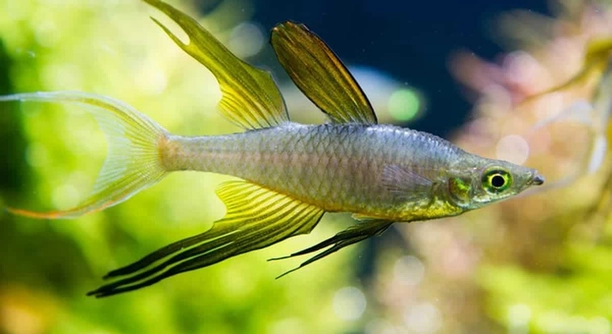
Threadfins are usually calm swimmers, moving together in tight schools across shallow waters. Their sudden scattering can seem surprising to observers, especially when they appear to be resting or feeding peacefully along the surface near sandbars or reefs.
Threadfins scatter for cover primarily as a defensive response to perceived threats. Sudden disturbances, predator presence, changes in water currents, or noise can trigger this behavior. Their rapid dispersion helps reduce individual risk and increases overall survival in vulnerable environments.
Understanding these triggers can help anglers and observers better predict threadfin behavior and reduce unnecessary stress on these delicate fish populations.
Sudden Predators in the Area
Threadfins are highly sensitive to the presence of predators. When a predatory fish, bird, or even a shadow passes overhead, the school immediately senses danger. This response is instinctive, designed to protect each individual by creating confusion and reducing the chance of capture. Rapid swimming and scattering allow threadfins to blend into the environment, making it harder for predators to single out a target. Even small disturbances, such as a fishing lure or a passing boat, can trigger the same reaction. Their heightened awareness is crucial for survival, especially in shallow waters where hiding spots are limited. Observing this behavior often reveals just how alert these fish are. Over time, threadfins learn to anticipate danger, responding almost instantly to any unusual movement or sound. Their sensitivity ensures they stay one step ahead, maintaining the integrity of the school and increasing the odds that most will survive encounters with threats.
This quick reaction is essential for their protection and keeps the school cohesive during potential attacks.
Threadfins rely on group behavior to survive. Each member watches others, reacting immediately to any sudden movement. This synchronized response spreads quickly, creating a wave of motion that confuses predators. The strategy reduces the likelihood of individual capture. Observing them scatter provides insight into their natural instincts and the effectiveness of their collective defense.
Changes in Water Conditions
Threadfins are very responsive to shifts in currents, tides, and temperature.
Even minor changes in water movement can prompt scattering. Strong currents may push them toward cover, while sudden temperature shifts cause stress. Low-oxygen zones also make them move quickly to safer areas. Their survival depends on staying within favorable conditions.
Alterations in water conditions affect threadfin behavior more than many realize. Sudden tidal changes, such as an incoming tide, often drive them from feeding grounds into protective areas. Variations in salinity, sometimes caused by rainfall or freshwater inflow, can also trigger abrupt dispersal. Threadfins detect these changes through sensory organs, responding before the environment becomes unsafe. Strong winds create surface turbulence, adding another layer of environmental pressure. When currents shift unexpectedly, schools fragment as individuals seek calmer waters or shelter behind structures. Even minor obstacles, like floating debris or shifting sand, can lead to temporary scattering. Understanding how threadfins react to water conditions helps explain much of their seemingly erratic behavior. By observing patterns over time, one can predict when and where threadfins will seek cover, highlighting the importance of environmental factors in their daily movements.
Sudden Loud Noises
Threadfins react quickly to loud or unexpected sounds. Boats, engines, and splashes can startle them, causing an immediate scattering response.
Noise causes stress and interrupts their normal patterns. Even distant sounds transmitted through water can trigger their instinctive flight response. The fish rely on sensitive lateral lines to detect vibrations. These vibrations alert them to potential danger, prompting instant movement toward cover. Repeated disturbances may make them more cautious, altering their feeding and swimming behaviors. In areas with frequent human activity, threadfins often stay closer to protective structures or deeper water. Their reactions are consistent and predictable once you understand how sensitive they are to sudden noise. This behavior emphasizes the importance of calm, low-impact observation when watching them in their natural habitat.
In some cases, even minor sounds can trigger the school to split. The threadfins’ heightened awareness ensures they stay alert, maximizing safety for the group while they navigate shallow waters.
Changes in Light and Shadows
Threadfins are highly sensitive to variations in light. Moving shadows or sudden changes in sunlight can make them scatter. Strong reflections from water surfaces or nearby objects create signals of potential danger, prompting immediate movement toward cover. Their survival relies on interpreting these visual cues accurately.
Shifts in light and shadows can be as influential as predators. Passing clouds or sudden glare can cause temporary panic within the school. Threadfins respond by quickly adjusting positions, often diving toward structures or deeper areas for protection. Their eyes detect subtle changes in illumination, allowing them to react before a threat is fully visible. Overcast conditions may make them more comfortable, while sudden brightness increases vigilance. These responses are especially noticeable near shallow reefs, sandbars, or open water, where cover is limited. Threadfins rely on both vision and movement cues from neighbors, ensuring that even a partial shadow can trigger collective action. This behavior demonstrates their reliance on environmental feedback and visual awareness for survival.
Presence of Other Fish
Threadfins often react when larger or unfamiliar fish enter their area. The presence of other species can create a sense of threat, prompting immediate dispersal toward cover.
Competition or perceived predation risk drives this behavior. Even non-predatory fish can trigger threadfins to scatter, as the school interprets their approach as potential danger.
Rapid Environmental Changes
Sudden changes in water clarity, temperature, or current flow can disrupt threadfin schools. These shifts create stress, causing them to seek safer areas quickly. Threadfins are highly sensitive to their surroundings, and even minor fluctuations can lead to abrupt scattering. Their survival depends on rapid adaptation to maintain safety and cohesion within the group.
Human Activity
Boats, swimmers, and fishing gear frequently startle threadfins. They respond instinctively, scattering to avoid potential threats or interference in their environment.
Why do threadfins suddenly scatter when I approach the water?
Threadfins are naturally cautious fish. When someone approaches the shoreline or a boat, their lateral lines detect vibrations in the water. These vibrations signal potential danger, prompting the school to scatter instantly. Their instinct is to avoid predators, and human presence often triggers the same response. Observing them closely shows just how quickly they react to changes in their surroundings. Over time, they may become more accustomed to repeated, non-threatening activity, but sudden movements or noise will still cause immediate dispersion.
Do threadfins scatter because of predators?
Yes, predators are a primary reason threadfins disperse. Fish, birds, or even larger aquatic animals can cause instant panic. Threadfins rely on group behavior to survive, and scattering reduces the chance that any individual will be caught. Their movement is highly coordinated, spreading the risk among the school and increasing survival rates. Predatory threats don’t always need to be direct. Shadows, splashes, or unusual movement often trigger the same instinct. Observing a school in these moments demonstrates their reliance on both visual and sensory cues to stay safe.
Can sudden changes in water affect threadfin behavior?
Absolutely. Threadfins are highly sensitive to water conditions, including temperature shifts, currents, and oxygen levels. Even minor changes can make them uneasy, causing the school to move quickly toward safer or more stable areas. They detect these environmental fluctuations through sensory organs and respond almost instantly. Strong currents, sudden influxes of freshwater, or temperature drops create stress that prompts scattering. This behavior is a survival mechanism, helping them maintain optimal conditions for swimming, feeding, and avoiding threats. Over time, threadfins learn which areas remain stable and adjust their daily patterns accordingly.
Does noise really make threadfins scatter?
Yes, noise is a major trigger. Engines, boats, splashes, or loud movements in the water create vibrations that threadfins interpret as danger. Their sensitivity to sound is high, and even distant noise can cause them to disperse. Schools often react as a unit, moving toward cover or deeper waters almost instantly. Repeated exposure to low-risk disturbances may lead to more cautious swimming patterns, but sudden loud sounds will always provoke immediate scattering. Their reliance on sound detection is crucial, as it helps them anticipate threats before they become visible.
How do light and shadows influence threadfin movement?
Threadfins respond quickly to variations in light. Passing clouds, reflections on the water surface, or sudden shadows can trigger scattering. Their eyes are adapted to detect subtle changes in illumination, allowing them to react to potential threats before they are fully visible. Sudden brightness or flickering light makes them more alert, prompting movement toward protective cover. This behavior is especially noticeable near shallow reefs or sandbars, where hiding options are limited. Light and shadow changes combine with other sensory cues, ensuring threadfins stay vigilant in dynamic environments.
Do other fish cause threadfins to scatter?
Yes, the presence of unfamiliar or larger fish can trigger scattering. Threadfins may interpret these fish as predators or competitors, causing immediate movement toward cover. Even non-aggressive species can create stress if they approach too closely. This reaction is part of their survival instinct, relying on both observation of other fish and rapid communication within the school. Threadfins coordinate their movements, ensuring that the entire group adjusts quickly to avoid potential threats or disruptions.
Can human activity disrupt threadfin schools?
Human activity frequently causes threadfins to scatter. Boats, swimmers, fishing lines, and other disturbances signal possible danger. The school responds instinctively, moving toward protective areas to maintain safety. Even minimal human presence may alter feeding or swimming behaviors temporarily. Repeated exposure can lead to more cautious patterns, but sudden, unexpected activity will always provoke scattering. Observing threadfins in areas with frequent human activity highlights their heightened awareness and reliance on instinctive responses for survival.
Is scattering purely a defensive behavior?
Primarily, yes. Threadfins scatter to protect themselves from potential threats. This behavior reduces the risk for individual fish and increases the school’s overall chances of survival. While environmental factors, noise, and human activity can all trigger dispersal, the underlying instinct is defensive. Their coordinated movement and sensitivity to changes in their surroundings demonstrate a complex survival strategy. Each scattering event reinforces the importance of group awareness, helping threadfins navigate dynamic, often unpredictable environments efficiently.
Do threadfins ever ignore potential threats?
Threadfins may appear less reactive in familiar, stable environments where disturbances are minimal. However, even in these situations, sudden or unexpected stimuli can trigger rapid scattering. Their instincts prioritize safety over routine activities, ensuring that they remain alert at all times. Regular patterns, like feeding or swimming in known areas, may reduce frequent dispersal, but the response to immediate danger remains sharp. Understanding these triggers helps explain why threadfins sometimes seem calm and other times move unpredictably.
How can understanding threadfin behavior help with fishing or observation?
Knowing why threadfins scatter allows anglers and observers to predict movements and reduce unnecessary stress on the school. Approaching slowly, minimizing noise, and avoiding sudden shadows or movements can prevent premature dispersal. Observing environmental triggers like currents, light, and the presence of other fish provides insight into their behavior. This knowledge supports responsible fishing practices and improves the ability to watch threadfins in their natural habitat without causing disruption. Awareness of their sensitivity ensures safer interactions and helps maintain healthy fish populations.
Word count: 504
Threadfins are fascinating fish that display a variety of behaviors to ensure their survival. Their tendency to scatter suddenly can seem surprising or confusing at first, especially when they appear calm and comfortable in shallow waters. This reaction, however, is a natural and instinctive part of their behavior. Threadfins rely on group coordination and environmental awareness to protect themselves from potential threats. Every movement, whether caused by predators, sudden changes in water conditions, or even human presence, is a reflection of their careful attention to their surroundings. Observing these reactions provides insight into how they manage risk and maintain safety within the school. Their sensitivity to external stimuli highlights the importance of subtle cues in aquatic life, and it also emphasizes how delicate their environment can be.
Understanding the reasons behind threadfins’ sudden scattering helps improve both fishing practices and observational experiences. By recognizing what triggers these responses, people can minimize stress on the fish while still enjoying their presence in natural habitats. Factors such as noise, light changes, water clarity, and other fish nearby all play a role in the school’s behavior. Even minor disturbances can cause the fish to move quickly, yet this rapid response ensures that most of the school remains safe. The more these behaviors are observed, the clearer it becomes that threadfins are highly adaptive and responsive creatures. Their movements are not random but are instead carefully coordinated to increase their chances of survival. This coordination and awareness make them both interesting to watch and important to respect in their natural environments.
Finally, appreciating threadfins involves acknowledging the balance between their instinctive responses and the conditions of their surroundings. Their scattering behavior is not only a reaction to immediate threats but also a reflection of how they interact with water, light, and other organisms. Being mindful of these factors can lead to more effective management of fishing areas and recreational spaces where threadfins are present. Observing without causing disruption helps ensure that these fish continue to thrive. Their natural instincts, combined with careful adaptation to environmental changes, make threadfins a resilient yet sensitive species. Maintaining awareness of their needs and behaviors allows both anglers and observers to enjoy the presence of threadfins while supporting their long-term health and safety.
Word count: 412

Hello,
If you enjoy the content that we create, please consider saying a "Thank You!" by leaving a tip.
Every little bit helps us continue crafting quality advice that supports the health, happiness, and well-being of pets around the world, for pets of all shapes, sizes, and species.
We really appreciate the kindness and support that you show us!