
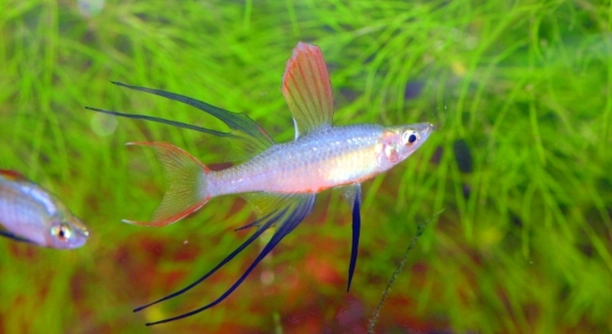
Threadfins are graceful fish often found in coastal waters, moving in schools near the surface. They are known for their long, thin bodies and delicate fins. Observing their behavior can reveal surprising choices in swimming patterns.
Threadfins might swim against bubble curtains due to their natural tendency to navigate using water currents and sensory cues. These structures can disrupt normal flow, forcing fish to adjust their movement patterns to maintain orientation and feeding efficiency.
Understanding why threadfins respond this way helps explain broader fish behavior. Observing these reactions can provide insight into aquatic ecosystems and the impact of man-made structures.
How Bubble Curtains Affect Fish Movement
Bubble curtains are streams of bubbles released into water to create barriers or reduce noise. For threadfins, these bubbles are more than just a visual obstacle. They alter the water flow around them, creating small currents that fish must navigate carefully. Threadfins rely on sensing subtle changes in water pressure and movement to stay oriented and find food. When bubbles rise, the fish experience turbulence, forcing them to adjust their swimming patterns. This adjustment can make them swim against the flow, as they attempt to maintain stability or continue in a preferred direction. Over time, this behavior may influence their feeding efficiency or migration within a local area. Observing these interactions reveals how sensitive fish are to man-made structures in their habitat. Bubble curtains are often used for environmental management, but their presence can unintentionally affect the natural movement of species like threadfins, highlighting the need for careful planning.
The bubbles interfere with normal water currents, prompting threadfins to modify their behavior to maintain control and orientation.
Watching threadfins navigate these obstacles can be fascinating. Their adaptations to turbulence show how even small environmental changes can alter movement patterns. These fish demonstrate resilience, adjusting quickly to new water conditions, which reflects both their physical skill and their reliance on sensory cues. Understanding this behavior provides insight into how aquatic animals respond to artificial structures and environmental changes. By studying their reactions, we can better design interventions that minimize disruption while still achieving desired environmental outcomes. These adjustments also illustrate the delicate balance within aquatic ecosystems, where even minor changes can ripple through local populations.
Sensory Adaptations of Threadfins
Threadfins rely heavily on lateral lines, which detect vibrations and water pressure.
These sensory adaptations allow them to detect changes caused by bubble curtains. The lateral line system runs along the side of their bodies and is highly sensitive to subtle water movements. When a bubble curtain is present, it creates micro-turbulence that the fish can sense, allowing them to respond quickly. By swimming against or around the bubbles, they maintain stability and avoid collisions. This behavior is an instinctive reaction to environmental changes, helping them feed and navigate effectively. Studies suggest that threadfins’ ability to interpret these signals is essential for their survival, especially in areas where man-made structures are common. Over time, repeated exposure to bubble curtains may even influence their swimming efficiency and energy expenditure. Considering their reliance on sensory input, any disruption to water flow, noise, or chemical signals can have broader impacts on their daily patterns. Properly understanding these adaptations ensures that interventions like bubble curtains are used thoughtfully.
Energy and Swimming Patterns
Swimming against bubble curtains requires more effort from threadfins. Their muscles work harder to maintain speed and direction, which can affect overall energy levels. This extra exertion may influence feeding behavior and time spent in certain areas, subtly shaping their daily routines.
The extra energy expenditure caused by navigating bubble curtains can impact threadfins in multiple ways. When swimming against turbulence, their bodies use more oxygen and calories, which may reduce the time available for feeding or social behaviors. Over time, these energy costs can influence growth rates and reproductive success. Threadfins often adjust by choosing safer routes or by altering the timing of their movement to conserve energy. This balance between effort and efficiency highlights how sensitive these fish are to small environmental changes.
Adjustments in swimming patterns also reflect the adaptability of threadfins. They can shift their position within a school to reduce resistance, coordinate movements to minimize effort, or exploit calmer microcurrents. These strategies show a combination of instinct and learned behavior, enabling them to cope with artificial barriers like bubble curtains. By observing these responses, we gain insight into how aquatic animals manage energy and movement, demonstrating their resilience and the importance of considering energy dynamics in habitat management.
Environmental Impacts
Bubble curtains can affect more than individual threadfins. They influence local water conditions, including oxygen distribution and small-scale currents. These changes can alter feeding and breeding areas, affecting the broader ecosystem.
The introduction of bubble curtains modifies water flow patterns, which can change sediment distribution and the availability of nutrients. These shifts impact not only threadfins but also other fish, invertebrates, and plant life. Some areas may become less hospitable for certain species, while others may benefit from reduced predation or noise. Over time, these environmental effects can ripple through the food web, influencing population dynamics and species interactions. Observing threadfins and their responses to these structures provides a window into how human interventions shape aquatic habitats. Careful monitoring ensures that bubble curtains achieve their intended benefits without causing unintended ecological stress.
Behavioral Responses
Threadfins often change their swimming speed when encountering bubble curtains. Slower movement helps them assess the currents and avoid collisions with the rising bubbles.
Some fish adjust the height at which they swim, moving higher or lower to find calmer water. This behavior helps them maintain control and conserve energy while navigating disruptions.
Schooling Adjustments
When bubble curtains are present, threadfins may tighten their schools. This coordination allows individuals to reduce resistance, maintain group cohesion, and respond more efficiently to turbulence. Schools can shift direction as a unit, minimizing confusion caused by changes in water flow and preserving safety.
Observing Patterns
Tracking threadfins over time shows consistent reactions to bubble curtains. Their adjustments reveal how they cope with altered water conditions and maintain stability in daily movement.
FAQ
Why do threadfins swim against bubble curtains?
Threadfins swim against bubble curtains primarily because these structures disrupt normal water currents. The fish sense turbulence through their lateral lines, which detect changes in pressure and vibrations. Swimming against the flow helps them maintain orientation and balance, preventing disorientation and allowing them to continue searching for food efficiently.
Do bubble curtains harm threadfins?
Bubble curtains are not directly harmful, but they can increase energy expenditure. Swimming against turbulence requires more effort, which may affect feeding and growth over time. Repeated exposure could influence overall activity patterns, but threadfins generally adapt by modifying their swimming routes and school formation.
Can threadfins adapt to long-term bubble curtain exposure?
Yes, threadfins can adjust behaviorally and physically over time. They learn to navigate around turbulent zones, alter swimming speeds, and change school positions. Adaptations may include using calmer microcurrents or adjusting their swimming height, allowing them to conserve energy while maintaining stability.
Do bubble curtains affect feeding behavior?
Bubble curtains can alter feeding efficiency. When currents are disrupted, prey movement changes, and threadfins may need extra effort to capture food. Some fish spend more time finding optimal feeding spots or coordinating with schools to reduce effort, which can subtly shift their daily routines.
How do lateral lines help threadfins with bubble curtains?
Lateral lines are sensory organs that detect vibrations, pressure changes, and microcurrents in water. When bubbles rise, threadfins use this system to sense turbulence, adjust their swimming angle, and avoid collisions. This adaptation is crucial for survival in areas with artificial structures like bubble curtains.
Are other fish affected the same way as threadfins?
Other fish experience similar effects, but species respond differently based on size, swimming style, and sensory sensitivity. Some may avoid bubble curtains entirely, while others adjust speed or school formation. Threadfins are particularly noticeable because of their reliance on lateral line sensing and schooling behavior.
Do bubble curtains impact breeding areas?
Indirectly, yes. Changes in currents and water flow can shift sediment and nutrient distribution, which affects breeding habitats. Threadfins may move to calmer zones to spawn or rest, which could alter local population patterns if bubble curtains are long-term or extensive.
Can the energy cost of swimming against bubbles affect health?
Increased energy use can influence growth, reproduction, and overall stamina. Threadfins compensate by modifying school positions or movement routes, but sustained exposure may reduce efficiency in feeding and increase fatigue, showing how subtle environmental changes impact physical performance.
Are bubble curtains used in environmental management?
Yes, they are often implemented to reduce noise, control sediment, or create temporary barriers. While the goal is ecological protection, they can unintentionally affect fish behavior, including threadfins. Understanding these impacts helps optimize design for minimal disruption.
How do researchers study these behaviors?
Scientists use underwater observation, video recording, and tracking devices to monitor swimming patterns. By noting speed, position in schools, and route changes, researchers assess how threadfins respond to bubble curtains. These studies provide insight into broader ecological consequences of man-made structures.
What can be done to reduce negative effects on threadfins?
Careful placement and timing of bubble curtains can minimize disruption. Creating gradual water flow changes rather than sudden turbulence helps fish adapt. Observing local fish behavior before installation ensures designs that balance environmental goals with aquatic health.
Do threadfins ever ignore bubble curtains?
In some cases, threadfins may pass through bubble curtains if currents are mild or food sources are present. Their responses depend on turbulence intensity, group behavior, and environmental conditions, showing flexible adaptation to changing habitats.
Can schooling behavior help reduce energy costs?
Yes. When threadfins swim together, they reduce individual resistance by coordinating movements and positioning. Tightening schools or adjusting formation in response to bubble curtains helps conserve energy while maintaining orientation and protection from predators.
Do all bubble curtains create the same effect?
No, factors like bubble size, release speed, and depth impact water flow differently. Smaller or slower bubbles create mild turbulence, while large, fast bubbles generate stronger currents. Threadfins respond according to intensity, adjusting movement and schooling behavior accordingly.
Is long-term exposure to bubble curtains studied?
Research is ongoing. Most studies focus on short-term behavioral changes, but observations over weeks or months suggest fish gradually adapt, though cumulative energy costs and shifts in feeding or breeding areas can have lasting ecological effects.
How can this knowledge help in conservation?
Understanding threadfins’ reactions allows better planning of artificial structures in aquatic habitats. Adjusting placement, bubble flow, or timing can reduce stress on fish populations while achieving environmental goals, ensuring a balance between human activity and aquatic life.
Are there natural situations similar to bubble curtains?
Yes, natural turbulence occurs around waterfalls, currents, or tidal flows. Threadfins evolved to handle these conditions, which explains their ability to navigate artificial bubble turbulence effectively. Their responses mirror natural adaptations to changing water dynamics.
Do energy costs influence migration patterns?
Potentially. If bubble curtains or similar obstacles are widespread, threadfins may alter routes to conserve energy. Avoiding high-turbulence areas ensures efficient travel and feeding but may change local distribution over time, highlighting the cumulative impact of human-made structures.
Can bubble curtains be designed to support fish safety?
Yes. Adjusting bubble size, release rate, and placement can reduce turbulence while maintaining environmental benefits. Thoughtful design minimizes disruption, allowing threadfins to swim with less effort while still achieving goals like noise reduction or sediment control.
Do environmental changes affect all life stages of threadfins equally?
Juveniles are more sensitive due to smaller size and less developed swimming strength. Adults handle turbulence better but still adjust behavior to conserve energy. Considering life stage differences is essential when evaluating bubble curtain impact on populations.
Is monitoring important after installing bubble curtains?
Yes. Continuous observation ensures that intended environmental benefits do not unintentionally stress local fish populations. Researchers track movement, energy use, and schooling patterns to adjust structures for minimal disruption, ensuring the aquatic ecosystem remains balanced and healthy.
Can understanding threadfins help with other species?
Absolutely. Their responses provide insight into how similar schooling fish and species reliant on lateral line sensing might react to artificial structures, helping improve environmental management practices for multiple aquatic populations.
Final Thoughts
Threadfins show how sensitive fish are to changes in their environment. Bubble curtains, though designed for purposes like noise reduction or sediment control, can alter water flow and create turbulence. This affects the way threadfins swim, forcing them to expend more energy and adjust their movement patterns. Observing these reactions highlights the careful balance that exists in aquatic habitats. Even small changes, like a stream of bubbles, can influence daily behavior, feeding efficiency, and school formation. Over time, repeated exposure may subtly shape the routines of these fish, showing how human interventions, even with good intentions, can have unintended consequences for aquatic life.
The energy threadfins use to swim against bubble curtains is an important factor to consider. Increased exertion can reduce the time and effort available for feeding, social interactions, and other behaviors that are crucial for survival. Fish have natural ways to cope, like adjusting their position in schools or using calmer microcurrents, but these adaptations still come at a cost. Monitoring and studying these effects can help scientists understand how artificial structures impact fish populations. When we account for these energy dynamics, it becomes possible to design bubble curtains and similar interventions in ways that minimize stress and allow threadfins and other species to maintain their natural behaviors.
Understanding the responses of threadfins also provides insight into broader ecological considerations. These fish rely on sensory systems like lateral lines to detect subtle changes in water pressure and movement. Bubble curtains interfere with these cues, prompting changes in swimming speed, direction, and school formation. By observing how threadfins adapt, researchers can gain a clearer picture of how aquatic animals respond to artificial changes in their habitat. This knowledge is valuable for conservation and environmental planning, helping ensure that interventions achieve their intended goals without disrupting daily life for the species that rely on these waters. Paying attention to these details allows for a more balanced approach that supports both human needs and aquatic health, maintaining the stability of delicate ecosystems while respecting the natural behaviors of fish like threadfins.

Hello,
If you enjoy the content that we create, please consider saying a "Thank You!" by leaving a tip.
Every little bit helps us continue crafting quality advice that supports the health, happiness, and well-being of pets around the world, for pets of all shapes, sizes, and species.
We really appreciate the kindness and support that you show us!