
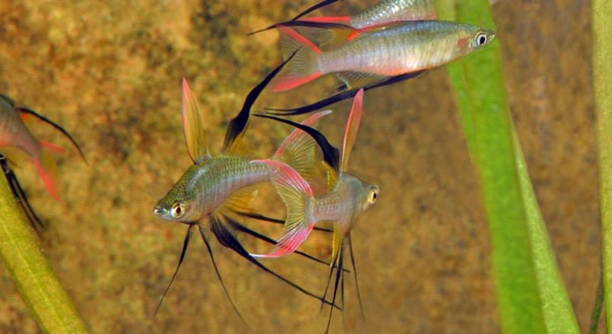
Threadfin are fascinating fish, often admired for their shimmering scales and graceful swimming. Observing their behavior can reveal patterns in mood, movement, and social interactions, offering insight into their daily lives and responses to the environment.
Threadfin mood can be understood through careful observation of body language, swimming patterns, feeding behavior, and responses to other fish. Noting these cues provides a reliable framework for assessing well-being and identifying stress or contentment in the species.
By paying attention to these simple indicators, you can better understand threadfin behavior and create an environment that supports their health and natural instincts.
Recognizing Body Language
Threadfin communicate a lot through their posture and movements. A relaxed fish swims smoothly, with fins gently extended and body slightly curved. When stressed or anxious, they may dart quickly, hold fins close to their body, or hover near hiding spots. Paying attention to tail flicks and fin positions can give clear clues about how they feel. Even subtle changes, like a sudden pause in swimming or slight trembling, can indicate discomfort. Observing these behaviors consistently helps identify patterns in mood over time. Daily observation is key; noting changes from usual behavior helps determine if the environment, food, or tank mates are affecting their state. Understanding these physical cues makes it easier to provide care that aligns with their natural habits. Threadfin are sensitive to water conditions, so body language often reflects their overall well-being. A gentle approach and quiet observation are the best ways to read their moods effectively and prevent stress-related issues.
Recognizing these visual cues allows caretakers to respond promptly and maintain a balanced, healthy environment for threadfin.
Observing body language also strengthens the bond between the observer and the fish. Noticing small changes, like fin positions or tail movements, gives insight into comfort levels and stress. Over time, these patterns become easier to interpret, improving daily care and tank management.
Feeding Patterns and Preferences
Feeding behavior is a direct reflection of mood.
Threadfin that are alert and happy show interest in food, approaching calmly and eating steadily. Picky eating, hesitation, or ignoring food can indicate stress or illness. Some threadfin may prefer certain foods over others, showing excitement for flakes, pellets, or live options. Consistent observation helps identify preferences and timing, which supports proper nutrition and mood regulation.
Tracking feeding patterns provides important clues about overall health and temperament. Changes in appetite can signal environmental issues, social stress, or dietary deficiencies. By noting how quickly and eagerly threadfin eat, caretakers can adjust feeding schedules and food types to suit their needs. Stressful tank conditions, like overcrowding or sudden changes in water parameters, often affect feeding. Maintaining a calm, stable environment encourages natural feeding behavior. Offering a variety of food while observing reactions helps ensure balanced nutrition. Over time, recognizing individual preferences enhances care routines. Proper feeding management not only supports growth but also stabilizes mood, reduces aggression, and promotes active, engaging behavior. Consistency, patience, and attention to detail are crucial in interpreting feeding patterns as indicators of well-being.
Social Interactions
Threadfin often display their mood through interactions with other fish. Calm, happy fish swim together smoothly, while stressed individuals may hide or act aggressively. Observing these behaviors reveals comfort levels and social hierarchy within the tank.
Watching how threadfin interact helps understand dominance and bonding. Some may chase or nip gently, indicating playful behavior, while prolonged aggression signals stress or overcrowding. Pairing them with compatible tank mates supports a peaceful environment. Noticing changes over time can show shifts in mood due to health, water conditions, or recent introductions. Keeping a balanced group helps maintain natural social behavior.
Encouraging positive interactions requires proper space, hiding spots, and visual barriers. Regular observation helps identify which fish need attention or separation. Over time, understanding these interactions allows caretakers to anticipate conflicts, reduce stress, and support harmonious schooling. Adjusting tank setup or grouping can prevent aggressive behavior and promote steady mood. Recognizing these cues ensures threadfin feel secure and socially comfortable.
Environmental Response
Threadfin respond strongly to changes in their surroundings. Light, water flow, and temperature affect swimming patterns and general activity levels. Sudden shifts can cause stress or hiding behavior.
Water quality and tank setup influence behavior significantly. Clean, stable water encourages normal swimming, feeding, and interaction, while poor conditions can lead to lethargy, erratic movement, or aggression. Decorations, plants, and hiding areas help fish feel safe and reduce stress. Observing how threadfin react to currents, lighting, or new items can indicate comfort levels and preferences.
Providing a stable, well-maintained environment reduces stress and supports natural behavior. Subtle adjustments, like changing flow or rearranging décor, allow fish to explore without feeling threatened. Monitoring responses ensures tank conditions meet their needs. Consistent temperature, proper filtration, and gradual changes help maintain calm, predictable moods. Understanding how environmental factors affect threadfin improves daily care, encourages natural behaviors, and prevents stress-related issues, promoting long-term health and well-being.
Activity Levels
Threadfin activity levels indicate mood clearly. Active swimming, exploring the tank, and interacting with others show contentment. Reduced movement, hiding, or lethargy can signal stress or discomfort. Observing daily activity helps gauge overall well-being.
Consistent routines support healthy energy levels. Irregular or restless movements may reflect environmental changes, illness, or social tension. Tracking these patterns allows timely adjustments to maintain balance.
Color Changes
Color intensity in threadfin often reflects mood and health. Bright, vivid colors indicate a relaxed, healthy fish, while dull or faded tones may suggest stress, illness, or poor water conditions. Regular observation helps identify these changes early.
Reaction to Feeding
Threadfin respond quickly to feeding. Eager, immediate swimming toward food shows alertness and positive mood. Hesitation or refusal can indicate stress or dietary issues, signaling the need for careful attention.
FAQ
How can I tell if my threadfin is stressed?
Stress in threadfin shows through changes in behavior, activity, and appearance. Signs include hiding frequently, reduced swimming, darting suddenly, clamped fins, or faded colors. Appetite loss is another common indicator. Observing these patterns consistently can help identify stress sources, whether from water quality, tank mates, or environmental changes. Providing stable water parameters, proper space, and compatible companions usually reduces stress.
What are the best ways to improve threadfin mood?
A calm, clean environment is essential. Regular water changes, appropriate temperature, and adequate filtration help maintain stability. Adding plants, hiding spots, or visual barriers supports comfort. Feeding on a consistent schedule with varied nutrition encourages positive activity. Monitoring interactions with other fish ensures social harmony. Avoid sudden changes in lighting, tank layout, or flow, as these can trigger anxiety. Small adjustments over time often result in noticeable improvements in behavior, coloration, and appetite.
Why does my threadfin suddenly hide for long periods?
Hiding is often a response to stress, illness, or discomfort. Environmental factors like strong currents, bright lights, or aggressive tank mates can trigger this behavior. Illnesses may also reduce activity, causing the fish to seek shelter. Consistent observation and proper water testing help identify the cause. Gradually adjusting the environment, separating aggressive fish, or adding hiding spots can encourage normal activity.
How do I know if my threadfin is happy?
Happy threadfin display smooth, steady swimming and interact naturally with tank mates. They feed eagerly, explore their environment, and maintain bright, even coloring. Relaxed fin positions, gentle tail movement, and predictable routines are signs of contentment. Regular observation of these indicators allows caretakers to confirm their fish are comfortable and healthy.
Can changes in diet affect threadfin mood?
Yes, diet significantly impacts mood and energy levels. A balanced mix of flakes, pellets, and occasional live or frozen foods provides necessary nutrients. Sudden changes in food type or frequency may cause hesitation, reduced appetite, or stress. Observing feeding behavior helps adjust diet for optimal mood and overall health.
Do water conditions influence threadfin behavior?
Absolutely. Poor water quality, incorrect temperature, or imbalanced pH levels can trigger stress responses, lethargy, or aggression. Stable, clean water supports normal activity, healthy coloration, and natural social interactions. Regular testing and maintenance prevent problems and promote well-being.
How can I encourage social interaction among threadfin?
Providing sufficient space, hiding spots, and compatible companions supports positive interactions. Avoid overcrowding, monitor for aggression, and introduce new tank mates gradually. Observation allows adjustment to tank layout or groupings, ensuring peaceful behavior and promoting natural schooling patterns.
What are early signs of illness that affect mood?
Symptoms like clamped fins, reduced swimming, loss of appetite, color fading, and erratic movements can indicate illness. Early detection through careful observation allows prompt intervention. Quarantine, proper treatment, and water maintenance are key to preventing prolonged stress and mood changes.
How important is daily observation for mood assessment?
Daily observation is crucial. Small changes in swimming, color, or feeding patterns often indicate shifts in health or mood. Keeping notes helps identify trends, anticipate issues, and maintain an environment that supports threadfin well-being over time.
Can environmental enrichment improve mood?
Yes, adding plants, rocks, or visual barriers encourages exploration and reduces stress. Enrichment promotes natural behaviors, keeps threadfin active, and improves interactions with tank mates. Gradual adjustments ensure the fish feel safe and comfortable while benefiting their mental and physical health.
How do I address sudden mood changes?
First, check water quality, temperature, and social dynamics. Identify recent changes in tank setup, diet, or companions. Gradual corrections, separation of aggressive fish, or providing additional hiding spots often restore stability. Observation and patience are key to returning threadfin to a calm, healthy state.
What role does tank size play in mood?
Adequate space allows natural swimming, schooling, and exploration. Overcrowding increases aggression, stress, and hiding. Proper tank size ensures comfort, supports social structure, and reduces mood-related problems. Monitoring behavior helps determine if the current space meets their needs.
How can I tell if feeding behavior reflects stress or preference?
Eager, consistent feeding usually reflects positive mood. Hesitation, avoidance, or selective eating may signal stress, illness, or dislike of food. Tracking patterns over time clarifies whether changes are temporary or indicate an underlying problem. Adjusting diet or environment often resolves issues.
Can lighting affect threadfin mood?
Lighting impacts activity, stress, and overall behavior. Bright or inconsistent lighting can cause hiding or erratic swimming. Stable, moderate lighting supports normal routines and encourages calm, natural movement. Observation of responses to light adjustments helps maintain comfort and well-being.
How do I balance social needs with individual comfort?
Ensure a mix of open swimming areas and hiding spots. Introduce compatible companions gradually. Monitor interactions to prevent bullying or stress. Balancing social and individual needs encourages positive interactions while maintaining safety and comfort for all threadfin.
What are long-term strategies for maintaining healthy mood?
Consistent water maintenance, proper diet, adequate space, environmental enrichment, and careful observation form the foundation. Regularly monitoring behavior, feeding, and social dynamics allows timely intervention. Stability, predictability, and attention to natural habits promote long-term well-being, contentment, and healthy activity levels for threadfin in captivity.
How can I tell if tank mates are affecting mood?
Aggressive chasing, hiding, or reduced feeding often indicates incompatible companions. Observing interactions and adjusting groupings or providing barriers helps reduce stress. Choosing compatible species and monitoring over time ensures peaceful coexistence and supports natural behavior.
Can seasonal changes influence mood?
Yes, temperature fluctuations, light cycles, or water chemistry shifts can affect activity, feeding, and coloration. Maintaining stable parameters and gradual adjustments helps minimize stress. Awareness of seasonal effects allows proactive management of tank conditions to sustain comfort and well-being.
How do I respond to prolonged inactivity?
Check water quality, tank mates, and diet first. Illness, stress, or poor conditions often cause lethargy. Addressing the cause through proper care, environmental adjustments, or treatment encourages normal activity. Consistent monitoring ensures recovery and supports long-term health.
Why is tracking behavior over time important?
Patterns reveal trends in mood, health, and social dynamics. Long-term observation identifies early warning signs of stress or illness, helps refine care routines, and ensures interventions are timely, improving overall welfare and consistency in positive behavior.
What small changes can improve mood immediately?
Adding hiding spots, adjusting lighting, correcting water parameters, or modifying flow can produce immediate positive effects. Observing reactions ensures adjustments are effective, promoting comfort, reduced stress, and improved activity levels.
How does tank layout influence interactions and mood?
Proper arrangement creates safe zones, reduces aggression, and encourages exploration. Open areas for swimming combined with sheltered spaces for retreat balance social and individual needs. Observation ensures the layout supports calm, healthy behavior and natural interaction patterns.
Can mood affect breeding behavior?
Yes, stressed or unhappy threadfin may show reduced interest in mating or nest building. A stable environment, adequate nutrition, and peaceful tank dynamics increase the likelihood of natural reproductive behaviors, supporting both mood and overall health.
How do I handle sudden aggressive behavior?
Identify triggers like overcrowding, incompatible tank mates, or environmental changes. Separating fish, rearranging decorations, or increasing hiding spots helps reduce tension. Monitoring interactions over time prevents recurrence and maintains stability in the tank.
How important is water temperature in mood regulation?
Stable, appropriate temperature supports metabolism, activity, and social interactions. Fluctuations can lead to stress, lethargy, or aggression. Maintaining consistent temperatures ensures normal behavior and promotes comfort for all threadfin.
What role does tank cleanliness play in mood?
Accumulated waste, algae, or debris can stress fish and affect feeding or activity. Regular cleaning and filtration maintenance support health, reduce stress, and encourage natural, positive behavior. Observing responses after cleaning indicates improved well-being.
How can I distinguish between boredom and stress?
Boredom often shows as repetitive swimming or mild restlessness, while stress produces hiding, clamped fins, or erratic movements. Enrichment, social adjustments, or environmental changes help address both, improving overall comfort and engagement in the tank.
Are there signs of contentment specific to threadfin?
Yes, consistent swimming, balanced coloration, steady feeding, and gentle social interactions reflect contentment. Noticing these behaviors regularly confirms the fish are comfortable, healthy, and well-adjusted to their environment.
How often should I monitor behavior for mood assessment?
Daily observation is ideal. Even short, consistent checks reveal subtle changes in activity, social interactions, feeding, and color. Tracking these patterns allows proactive care and early intervention when problems arise.
Can relocation or tank rearrangement affect mood?
Yes, sudden moves or significant layout changes may cause stress. Gradual adjustments, familiar hiding spots, and minimal disruption reduce negative impacts. Observation after changes ensures threadfin adapt comfortably to new conditions.
How does social hierarchy influence mood?
Dominance and submission affect access to food, space, and resting areas. Recognizing these roles helps prevent conflict, supports calm behavior, and ensures weaker or stressed fish receive adequate care and attention.
What is the best way to record mood observations?
Keeping a simple log of swimming patterns, feeding behavior, color changes, and social interactions helps identify trends. Consistent notes over time make it easier to detect stress, illness, or environmental issues, supporting timely interventions and better care.
How can I tell if my interventions are effective?
Improved swimming, renewed appetite, brighter colors, and positive social interactions indicate successful adjustments. Monitoring responses over days or weeks confirms that environmental, dietary, or social interventions are producing the intended benefits.
Can mood changes indicate specific health issues?
Yes, stress, lethargy, color fading, or reduced feeding can point to water quality problems, infections, or parasites. Early detection allows prompt treatment, minimizing long-term effects on health and behavior.
What are signs that a threadfin is comfortable with its environment?
Exploring freely, schooling without aggression, feeding regularly, and maintaining vibrant colors show comfort. Predictable activity and calm interactions indicate the environment supports well-being. Regular observation confirms these positive behaviors are consistent.
How do I maintain long-term stability for threadfin mood?
Consistent water quality, proper diet, adequate space, environmental enrichment, compatible companions, and regular observation form the foundation. Gradual adjustments and proactive monitoring prevent stress and support ongoing contentment, healthy behavior, and natural activity patterns.
How can I manage multiple factors affecting mood simultaneously?
Prioritize water quality, diet, social dynamics, and environmental conditions. Observe responses to each change individually. Adjust gradually and monitor consistently, ensuring interventions do not create new stress. A balanced, stable approach produces the best results in maintaining overall well-being.
What are common mistakes to avoid when assessing mood?
Assuming one observation represents overall behavior, ignoring subtle signs, or making sudden environmental changes can mislead assessments. Consistent observation, patience, and gradual adjustments provide accurate insights and support threadfin health.
How do I balance routine and enrichment for optimal mood?
Maintain predictable feeding, cleaning, and observation routines while introducing gradual environmental changes. Variety through plants, hiding spots, or subtle rearrangements keeps fish engaged without causing stress. Observation ensures changes are beneficial and do not disrupt comfort.
Can observing mood help prevent illness?
Yes, early detection of stress, color changes, or behavioral shifts allows timely intervention. Identifying problems before visible illness reduces risk, supports recovery, and promotes long-term health. Daily monitoring ensures threadfin remain comfortable and resilient.
How should I react to subtle signs of discomfort?
Adjust environment, review water parameters, and observe interactions with tank mates. Subtle changes like slight hiding or reduced feeding may indicate early stress or minor health issues. Prompt attention prevents escalation and maintains well-being.
Is it possible for threadfin to recover quickly from stress?
Yes, with stable water conditions, proper diet, adequate space, and minimal disruption, threadfin can regain normal behavior within days. Patience and observation ensure recovery is complete and long-lasting.
How do seasonal or environmental changes interact with feeding and social behavior?
Changes in temperature, light cycles, or water chemistry can alter activity, appetite, and social dynamics. Monitoring behavior during these periods helps anticipate needs and maintain consistent mood and well-being. Gradual adjustments reduce stress and support natural routines.
How can I use observation to improve long-term care?
Tracking mood patterns informs decisions about diet, tank setup, enrichment, and social arrangements. Early identification of stressors allows preventive measures, ensuring threadfin remain healthy, active, and comfortable over time. Consistent attention and small adjustments yield the best long-term outcomes.
Can multiple indicators be used together to assess mood?
Yes, combining swimming behavior, color changes, feeding patterns, and social interactions provides a comprehensive view. Observing all these factors together allows more accurate assessments and effective interventions.
How do I know if environmental enrichment is sufficient?
Positive responses such as exploration, reduced hiding, active swimming, and calmer interactions indicate enrichment is effective. Adjustments can be made based on ongoing observation to maintain engagement and comfort.
What are signs of chronic stress in threadfin?
Persistent hiding, clamped fins, lethargy, faded colors, or refusal to feed over extended periods indicate chronic stress. Identifying and addressing causes early prevents long-term health issues and improves mood.
How can daily observation prevent sudden problems?
Routine checks catch minor changes in behavior, feeding, or social interactions before they escalate. Timely adjustments in water, diet, or environment reduce the risk of illness, aggression, or stress, maintaining a stable, healthy tank.
What role does consistency play in maintaining mood?
Predictable routines in feeding, cleaning, and environment provide stability, reducing stress. Consistency reassures fish, supports natural behaviors, and allows caretakers to detect deviations that may signal problems.
How do I prioritize interventions when multiple mood issues appear?
Address water quality and environmental stability first, then diet, social dynamics, and enrichment. Observing responses to each adjustment helps identify the most effective actions. Gradual, monitored changes prevent additional stress and restore balance efficiently.
Can mood assessment help with breeding success?
Yes, understanding comfort and stress levels allows optimal conditions for mating behaviors. Stable environments, adequate nutrition, and harmonious social groups increase the likelihood of successful breeding.
How do I ensure observations are accurate and consistent?
Record behavior at the same times daily, note changes in activity, color, and social interactions, and compare patterns over weeks. Consistency in observation reduces misinterpretation and improves care decisions.
What long-term benefits come from monitoring threadfin mood?
Monitoring ensures early detection of stress or illness, supports stable behavior, promotes natural activity, and enhances overall health. Caretakers can make informed adjustments, maintain social harmony, and provide optimal living conditions for sustained well-being.
How can I respond to subtle environmental stressors?
Identify factors such as lighting, flow, or tank arrangement. Gradual changes and additional hiding spots reduce stress. Observing responses ensures the adjustments are effective and maintain a comfortable, stable environment.
What are the most reliable indicators of positive mood?
Consistent feeding, bright coloration, smooth swimming, exploration, and harmonious social interactions are strong signs of a healthy, content threadfin. Regular observation confirms these behaviors remain consistent.
How can I distinguish normal behavior from stress-related changes?
Compare current behavior to established patterns, noting deviations in activity, color, feeding, or interactions. Consistent daily observation helps differentiate natural variation from stress-induced changes.
Why is patience important when interpreting mood?
Behavioral changes can be subtle and gradual. Immediate reactions may mislead, while consistent observation over days or weeks provides accurate understanding, allowing effective, measured interventions.
How do I integrate observations into daily care routines?
Final Thoughts
Taking care of threadfin requires attention and consistency. Observing their behavior every day helps spot small changes before they become big problems. Simple habits like checking water quality, feeding on a regular schedule, and watching interactions with tank mates make a big difference. Threadfin respond to a stable environment, and small improvements in their surroundings can have a positive impact on their mood and overall health. Being aware of their comfort level is as important as providing food or cleaning the tank.
Understanding threadfin behavior takes patience. Sometimes changes in swimming, appetite, or color happen slowly. These changes may seem minor but can indicate stress, illness, or discomfort. Keeping track of daily habits and patterns makes it easier to notice when something is off. Adjusting water conditions, providing hiding spots, or rearranging decorations gradually can help threadfin feel safe and relaxed. Over time, consistent care and observation create a comfortable environment where they can thrive.
Long-term care is about balance and attentiveness. It is not just about feeding or cleaning but about maintaining an environment that supports natural behavior. Proper tank size, compatible companions, and environmental enrichment all contribute to well-being. Observing mood, responding to small signs of stress, and making gradual changes allow threadfin to remain healthy and active. Staying consistent, patient, and observant ensures they live in a stable, comfortable space, which leads to a stronger bond between caretaker and fish while promoting a healthier, happier life for them.
Word count: 409

Hello,
If you enjoy the content that we create, please consider saying a "Thank You!" by leaving a tip.
Every little bit helps us continue crafting quality advice that supports the health, happiness, and well-being of pets around the world, for pets of all shapes, sizes, and species.
We really appreciate the kindness and support that you show us!