
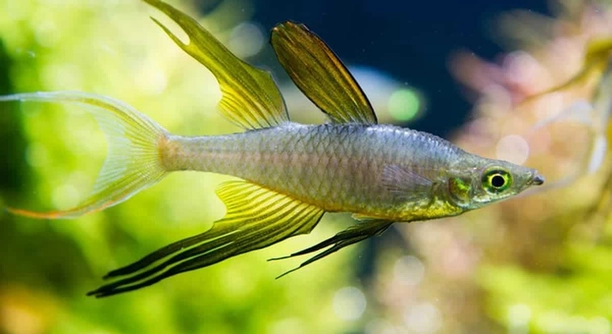
Do threadfins are fascinating fish that can grow to impressive sizes in both freshwater and saltwater habitats. Their long bodies and distinctive fins make them a popular subject among anglers and aquarists alike, drawing attention to their growth patterns.
Threadfins continue growing throughout much of their lifespan but tend to slow significantly as they approach full maturity. Growth rates are influenced by environmental conditions, food availability, and genetics, with most individuals reaching a near-maximum size before natural limits restrict further growth.
Understanding threadfin growth patterns is essential for responsible care and fishing practices. This knowledge helps ensure their long-term health and supports sustainable interactions with these remarkable fish.
Factors Affecting Threadfin Growth
Threadfin growth is influenced by several environmental and biological factors. Water temperature plays a significant role, as warmer conditions generally speed up metabolism, leading to faster growth, while cooler water slows it down. Food availability is critical; a steady supply of protein-rich diet promotes consistent size increases. Genetic traits also determine how large a threadfin can grow, with some naturally reaching greater lengths than others. Stress from overcrowding, poor water quality, or frequent handling can reduce growth rates, as energy is diverted from development to survival. Seasonal changes affect feeding patterns, which indirectly impacts growth. Additionally, diseases and parasites may weaken fish, further slowing growth. Observing threadfins over time allows you to notice these variations and adjust care or habitat conditions. Providing stable, high-quality conditions ensures threadfins reach their optimal size safely. Patience is important, as growth is gradual and continuous, especially in younger fish.
Threadfin size also depends on species differences. Some species naturally grow larger and faster than others, making it important to know what type you are observing.
Monitoring water, diet, and habitat conditions consistently helps maximize growth potential. Adjustments based on observations can prevent stunted growth and promote healthier, larger fish over time.
When Threadfins Reach Full Size
Most threadfins approach their maximum size within a few years, but exact timing varies. Maturity slows their growth, although minor size increases can continue.
Environmental stability is key for reaching full size. In controlled habitats with consistent temperature, adequate nutrition, and minimal stress, threadfins are more likely to attain their natural maximum. Overcrowding or poor water quality can stunt growth, delaying maturity. Genetic limits mean that even with perfect conditions, each fish has a ceiling. Observing their behavior, body shape, and fin development can indicate when they are near full size. Threadfins often prioritize reproduction once they reach maturity, diverting energy away from growth. Seasonal variations in food and water temperature may cause minor fluctuations in size, but overall growth slows significantly after a certain point. Providing a varied diet and maintaining clean, stable conditions allows threadfins to grow as close to their potential as possible. Patience and attention to care routines are essential for achieving healthy, mature fish. Regular measurement and observation help track progress and anticipate changes as they age.
Signs That Threadfins Are Fully Grown
Threadfins show reduced growth rates and more stable body proportions when they reach full size. Their fins appear fully extended, and their behavior shifts from active growth to maintaining energy for daily activity and reproduction.
Physical appearance changes subtly as threadfins mature. Body length and girth stabilize, and scales become firmer. The dorsal and pectoral fins often reach their maximum length, giving the fish a well-proportioned, sleek shape. Appetite may fluctuate slightly, reflecting lower energy demands. Muscle tone and swimming patterns become consistent, and the fish spends more time patrolling its environment rather than actively feeding. Minor growth may still occur in younger fish, but these changes are limited. Observing these traits over months allows for a reliable assessment of maturity, ensuring proper care and diet adjustments.
Behavioral patterns also signal full growth. Threadfins tend to swim steadily, focus on feeding efficiency, and display less aggressive competition with tank mates. These habits reflect energy being allocated toward reproduction and maintaining overall health rather than continuous growth.
Maintaining Healthy Growth Conditions
Stable water conditions are critical for threadfin growth and health. Temperature, pH, and cleanliness directly influence metabolism, feeding efficiency, and stress levels, ensuring fish reach their potential size.
Consistent care includes proper feeding schedules and high-quality diet. Threadfins require protein-rich meals multiple times per week to sustain healthy growth, especially in younger fish. Overfeeding or low-quality food can cause health problems and stunted growth. Water quality must be monitored closely; regular filtration, partial water changes, and avoiding overcrowding prevent harmful toxin accumulation. Stress management is equally important, as stressed fish divert energy from growth and immune function. Providing hiding spaces and minimal disturbance encourages natural behavior. Monitoring growth, observing behavior, and adjusting environmental factors when needed ensures threadfins remain healthy. Over time, these practices result in robust, well-proportioned fish that reach their genetic potential and maintain vitality.
Common Growth Challenges
Limited space can slow threadfin growth. Crowded tanks or ponds increase stress and competition, reducing energy available for development.
Poor diet also impacts growth. Insufficient protein or irregular feeding schedules prevent threadfins from reaching their full size and affect overall health.
Monitoring Threadfin Development
Regular observation is important for assessing growth. Measuring length, tracking weight, and noting behavioral changes help identify when a fish is approaching full size. Consistent records highlight trends over time and reveal potential issues early. Growth patterns may vary between individuals, so comparing multiple threadfins in the same environment provides context. Environmental adjustments, such as optimizing water quality or improving diet, can be made based on observations. Paying attention to these details ensures threadfins grow steadily and remain healthy, while also helping predict when they are likely to reach maturity and stabilize in size.
Adjusting Feeding Practices
Feeding smaller portions more frequently encourages steady growth and prevents overfeeding, maintaining health and energy balance.
FAQ
Do threadfins stop growing after a certain age?
Threadfins slow down considerably as they reach maturity, but they do not stop growing completely until their natural size limit is reached. Minor increases in length and body mass may continue, especially in younger fish or in optimal conditions, though these are usually gradual and minimal.
What factors influence threadfin growth?
Growth is affected by water temperature, food availability, genetics, and overall habitat conditions. Warmer water increases metabolism, while consistent high-quality nutrition supports steady development. Poor water quality, overcrowding, or stress can significantly reduce growth rates. Genetics set the maximum potential size, so even ideal conditions have limits.
How can I tell if my threadfin is fully grown?
Signs include stable body proportions, fully extended fins, consistent swimming patterns, and reduced appetite fluctuations. Mature fish focus energy on maintaining health and reproduction rather than continuous growth. Observing these traits over time helps confirm that a threadfin has reached its natural size.
Does diet affect how large a threadfin can get?
Yes, a protein-rich diet is essential for growth. Feeding high-quality meals regularly ensures that threadfins have the nutrients needed for development. Irregular feeding or low-quality food can slow growth, cause health issues, and prevent fish from reaching their genetic potential.
How important is water quality for threadfin growth?
Water quality is critical. Clean, well-oxygenated water with stable pH and temperature supports metabolism and reduces stress. Poor water conditions, including high ammonia or nitrate levels, weaken immune function and stunt growth. Regular water changes and proper filtration are essential.
Can threadfins grow differently in ponds versus tanks?
Yes, threadfins in larger, well-maintained ponds often grow faster and larger due to space and natural feeding opportunities. In tanks, growth can be limited by space, water quality, and feeding practices. Adjustments in tank size, diet, and care routines can help mimic natural growth conditions.
Does stress affect threadfin growth?
Stress diverts energy from growth to survival. Overcrowding, frequent handling, or sudden environmental changes can slow development. Providing stable, calm environments with hiding spaces and minimal disturbance promotes consistent growth and overall well-being.
Do male and female threadfins grow differently?
Sex can influence growth patterns slightly. In some species, males may grow faster or develop larger fins, while females may allocate energy to reproduction. Differences are subtle, and both sexes generally reach similar maximum sizes under optimal conditions.
How long does it take for a threadfin to reach full size?
Growth rates vary by species, diet, and environment. Most threadfins approach full size within a few years, with rapid growth during early life stages. After maturity, growth slows significantly, and energy is redirected toward reproduction and maintaining overall health.
Are there common mistakes that stunt threadfin growth?
Overfeeding, underfeeding, poor water quality, overcrowding, and inconsistent temperature are frequent issues. Neglecting regular observation and failing to adjust conditions based on growth trends can prevent threadfins from reaching their full potential. Consistent care and monitoring are essential for healthy development.
Can threadfins recover from stunted growth?
In some cases, yes. Improving diet, water quality, and reducing stress can allow threadfins to resume growth, though they may not fully reach the size they could have achieved under perfect conditions. Early intervention is key to the best outcome.
Is there a difference in growth between wild and captive threadfins?
Wild threadfins may grow larger due to natural diet variety and space, but they face predators and environmental pressures. Captive threadfins grow slower if conditions are limited, but controlled environments reduce disease and mortality. Proper care can help captive fish approach their natural potential.
What is the best way to track threadfin growth?
Measuring length and weight regularly, observing fin development, and noting behavior patterns provide a clear picture of growth. Keeping records over weeks or months helps identify trends, detect issues early, and ensure fish are developing healthily.
How often should I feed my threadfin to promote growth?
Feeding smaller, frequent meals encourages steady growth and prevents overfeeding. Younger fish require more frequent feedings, while adults benefit from balanced portions to maintain health without excess weight gain. Monitoring appetite and adjusting portions helps maintain optimal growth rates.
Can environmental changes cause threadfins to shrink or lose mass?
Threadfins do not shrink in length naturally, but poor conditions can lead to weight loss and reduced muscle mass. Stress, disease, or inadequate diet can affect body condition, making fish appear smaller or less healthy until conditions improve.
Are there supplements that help threadfins grow faster?
High-quality commercial diets formulated for carnivorous or omnivorous fish often contain essential nutrients that support growth. Vitamin and mineral supplements can help if diet lacks variety, but over-supplementing is unnecessary and may harm water quality. Balance is key.
Do juvenile threadfins grow at a different rate than adults?
Yes, juveniles experience rapid growth in their early months, which slows as they approach maturity. Adults continue to grow slowly, but most energy is allocated to reproduction and maintaining body condition rather than size increase.
Is tank size more important than diet for growth?
Both are crucial. A proper diet ensures nutrition, while adequate space reduces stress and allows natural swimming behavior, which supports muscle development. Neglecting either factor can limit growth, so balanced care is essential.
How do seasonal changes affect growth?
Temperature and food availability often fluctuate with seasons. Warmer months usually promote faster metabolism and growth, while cooler periods slow feeding and development. Maintaining stable conditions year-round in captivity helps mitigate these seasonal effects.
Can threadfins survive if they don’t reach full size?
Yes, threadfins can live healthy lives even if growth is limited. However, achieving their potential size often indicates optimal health, while stunted growth may signal environmental or dietary issues that need attention.
What are the most reliable signs of healthy growth?
Consistent length and weight increases, strong fins, active swimming, and steady appetite indicate healthy development. Avoiding stress, disease, and poor water quality supports these signs and ensures threadfins thrive over time.
Final Thoughts
Threadfins are remarkable fish that grow steadily over time, with many factors influencing their development. Observing them closely allows for a better understanding of their natural growth patterns and needs. Water quality, diet, and environmental stability all play key roles in how quickly and efficiently a threadfin reaches its full size. Even small adjustments, such as improving filtration, maintaining consistent temperature, or providing a varied, protein-rich diet, can have noticeable effects on growth. While genetics set natural limits, proper care ensures that each fish can reach its potential safely. Overcrowding or poor nutrition can slow growth and affect overall health, so attention to detail in care routines is essential. Growth is gradual, and patience is necessary, especially for younger threadfins that may take several months or years to approach maturity.
Monitoring behavior and physical traits is a reliable way to track development. Mature threadfins often show stable body proportions, fully extended fins, and consistent swimming habits. Appetite may fluctuate slightly, but energy is primarily used for maintaining health rather than continuous growth. Observing these characteristics over time helps identify when a fish is near full size and allows for proper adjustments in care. Environmental stability supports these changes, as stress and sudden fluctuations in water conditions can interfere with growth patterns. Even in captivity, where conditions can be controlled, growth may vary between individuals due to minor genetic differences or past health issues. Keeping detailed records of measurements, behavior, and feeding helps provide a clear picture of development and ensures threadfins remain healthy and strong. Consistent care, attention to detail, and patience are essential for achieving optimal growth outcomes.
Understanding threadfin growth is not only important for achieving size but also for supporting long-term health and wellbeing. By maintaining clean water, providing balanced nutrition, and observing behavior carefully, you can create a healthy environment that promotes steady growth. Adjusting feeding practices, managing stress, and ensuring adequate space are simple but effective strategies that benefit both young and mature fish. Even small improvements in care can result in healthier, more vibrant threadfins. Growth may slow naturally as fish reach maturity, but minor increases in size can still occur if conditions remain optimal. Recognizing the signs of healthy development, from body shape to fin extension and swimming patterns, provides reassurance that fish are thriving. With attention, care, and patience, threadfins can reach their potential, maintaining vitality and resilience throughout their life. Proper care ensures they grow safely, remain active, and display the natural beauty that makes them unique.

Hello,
If you enjoy the content that we create, please consider saying a "Thank You!" by leaving a tip.
Every little bit helps us continue crafting quality advice that supports the health, happiness, and well-being of pets around the world, for pets of all shapes, sizes, and species.
We really appreciate the kindness and support that you show us!