
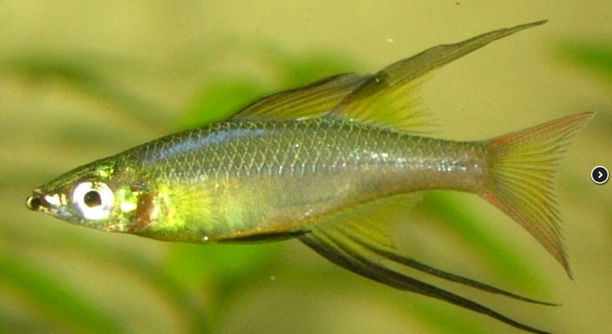
Threadfin fish are fascinating creatures, moving gracefully through water while searching for food and shelter. Their behavior is influenced by their environment, especially the plants around them. Choosing the right plants can improve their well-being significantly.
Certain aquatic plant types best match threadfin behavior by providing shelter, foraging opportunities, and calm spaces. Plants such as Vallisneria, Hornwort, and Java Fern offer ideal conditions for natural movement patterns, reducing stress and encouraging healthy feeding habits.
Matching plants to threadfin behavior supports a balanced habitat. Understanding which species thrive together ensures healthier, more active fish and a visually appealing aquarium environment.
Vallisneria: The Perfect Shelter
Vallisneria is a tall, grass-like plant that grows quickly and creates dense underwater coverage. Threadfin fish feel comfortable weaving through its long, ribbon-like leaves. The plant’s structure provides hiding spots that reduce stress and offer security. It also helps maintain water quality by absorbing excess nutrients, keeping the tank balanced and clean. Vallisneria’s flexible leaves move with the current, simulating natural river conditions. This movement encourages threadfins to swim more naturally while foraging along the bottom. Its ability to grow in clusters makes it easy to create shaded areas. Over time, these shaded spots become preferred resting places, letting the fish conserve energy. By combining Vallisneria with other slow-growing plants, you can maintain variety and maintain a visually appealing environment. Overall, this plant meets the behavioral needs of threadfins, supporting both physical activity and mental stimulation in their habitat.
Threadfin fish feel calmer and more secure when Vallisneria is present, thanks to its dense and protective leaves.
The plant also contributes to cleaner water and balanced conditions, which is essential for long-term fish health. Its presence encourages natural behaviors and creates a stable, appealing habitat for threadfins, making it one of the most suitable options for aquariums.
Java Fern: Stability and Grazing
Java Fern grows slowly but offers solid, anchored leaves for fish to graze around.
Threadfin fish enjoy grazing on algae that naturally forms on Java Fern leaves. The plant’s tough structure allows fish to swim through without damaging it, supporting active movement and exploration. Its low maintenance and adaptability make it ideal for varying tank conditions. Java Fern can attach to rocks or driftwood, creating vertical and horizontal spaces for fish to navigate. Its wide leaves provide resting areas while still allowing open swimming paths. Over time, Java Fern helps reduce stress by offering consistent, reliable spots for hiding and grazing. Unlike fast-growing plants, it doesn’t overwhelm the tank, maintaining balance. Combined with other slow-growing species, it encourages diverse activity patterns while preserving water clarity. Threadfins respond well to the subtle textures and structure of Java Fern, making it a versatile addition to aquariums.
This plant encourages both grazing and resting behaviors, keeping threadfins active yet comfortable.
Java Fern not only supports natural behaviors but also stabilizes the environment. It grows in low-light conditions and resists decay, reducing the need for frequent replacement. Its leaves create secure hiding spots while maintaining open swimming space. For threadfins, this combination of grazing surfaces and shelter promotes healthy activity levels. It integrates seamlessly with other plants, helping maintain visual appeal and ecological balance. Aquariums with Java Fern offer a calm, controlled setting, allowing threadfins to exhibit their full range of natural behaviors. Over time, this improves overall fish health and enhances interactions with their environment.
Hornwort: Fast-Growing Cover
Hornwort grows quickly, providing dense cover for threadfin fish. Its feathery leaves create safe spots while allowing free swimming.
The fast growth of Hornwort makes it ideal for filling empty spaces in an aquarium. Threadfins can hide among its fine leaves, reducing stress and encouraging natural behaviors. Hornwort also helps control excess nutrients, limiting algae growth and keeping water conditions stable. Its floating or anchored nature provides flexibility in arranging the tank, allowing areas of shade or open swimming. Because it grows rapidly, trimming is necessary to prevent overcrowding, but it rewards fishkeepers with consistent shelter and a lively environment. Threadfins respond well to the plant’s texture and movement, using it for resting, foraging, and protection.
Hornwort’s versatility benefits both fish and tank maintenance. Its ability to adapt to different light and water conditions supports threadfins while maintaining a balanced, healthy habitat. Regular care ensures it remains dense without overtaking the aquarium, creating a visually appealing and functional aquatic space.
Anubias: Tough and Reliable
Anubias has strong, broad leaves that endure active swimming and grazing. It attaches to rocks or driftwood easily.
Threadfin fish enjoy swimming around Anubias because its broad leaves provide both resting and grazing surfaces. This plant grows slowly, reducing the need for frequent trimming while maintaining a consistent environment. Its robust leaves withstand nibbling, making it ideal for active fish. Anubias also tolerates a range of lighting and water conditions, making it suitable for various aquarium setups. By anchoring it to hardscape, it creates vertical structure without limiting open swimming space. The combination of shelter and grazing areas supports natural behaviors, promoting well-being. Its subtle presence adds greenery without overwhelming the tank.
In addition to behavioral benefits, Anubias improves overall tank stability. It contributes to water quality by absorbing nutrients and reducing algae buildup. Its slow growth ensures longevity, maintaining a reliable habitat for threadfins. Combining Anubias with faster-growing plants balances visual appeal and activity zones, offering both shade and open areas. Its resilience and adaptability make it a core component of any threadfin-friendly aquarium setup, supporting health and natural activity patterns effectively.
Java Moss: Soft Hiding Spots
Java Moss provides soft, low-lying cover that threadfin fish can explore and hide within. Its dense growth creates safe areas near the substrate.
Threadfins use Java Moss to forage and rest. It encourages natural behavior and adds texture to the tank without taking up much space.
Amazon Sword: Broad and Spacious
Amazon Sword plants offer wide, sturdy leaves that allow threadfins to swim underneath or around them comfortably. Their height provides shade and vertical structure, making the aquarium feel more natural. This plant helps establish open swimming areas while also serving as a resting spot. Amazon Swords absorb excess nutrients, supporting water quality. Their broad leaves are durable and withstand minor nibbling, maintaining stability in the tank. By planting multiple Amazon Swords in clusters, you can create zones of shelter and open space. Threadfins respond well to these structured environments, as they combine movement areas with protective cover, encouraging foraging and exploration without stress.
Cryptocoryne: Slow-Growing Stability
Cryptocoryne grows slowly, offering a stable environment for threadfins to interact with and hide around.
FAQ
What type of plants are best for threadfin fish?
Threadfin fish thrive among plants that offer both shelter and open swimming space. Species like Vallisneria, Java Fern, Hornwort, Anubias, Java Moss, Amazon Sword, and Cryptocoryne provide hiding spots, grazing areas, and structured zones that match threadfin movement patterns and reduce stress.
How do fast-growing plants like Hornwort benefit threadfins?
Hornwort’s rapid growth creates dense cover quickly, allowing threadfins to hide and explore safely. Its fine, feathery leaves mimic natural river habitats, encouraging natural behaviors. It also helps control nutrient levels in the water, reducing algae growth while maintaining a balanced aquarium environment.
Are slow-growing plants necessary for threadfin aquariums?
Yes, slow-growing plants like Anubias, Java Fern, and Cryptocoryne provide stability over time. They create consistent resting and grazing areas, reducing the need for frequent trimming. Their durability supports active swimming without being damaged by fish, ensuring a reliable, long-term habitat for threadfins.
Can threadfins swim freely with dense plant setups?
Dense planting can coexist with open swimming areas if plants are arranged thoughtfully. Combining tall or clustered plants with low-lying species creates shaded zones without restricting movement. Threadfins naturally navigate through vertical and horizontal spaces, using cover for protection and open areas for active swimming.
Do these plants help maintain water quality?
Yes, many of the recommended plants absorb excess nutrients, limiting algae growth and keeping water conditions stable. Fast-growing species like Hornwort and Vallisneria are particularly effective at nutrient absorption, while slow growers like Anubias and Java Fern provide additional stability, creating a healthier environment for threadfins.
How do threadfins use plants for foraging?
Threadfins often graze on algae and microfauna found on plant leaves and stems. Plants with broad or textured surfaces, such as Anubias and Java Fern, provide consistent grazing areas. Mosses and feathery plants like Java Moss and Hornwort offer smaller surfaces for searching food, promoting natural feeding behavior.
Which plants are easiest to care for in a threadfin tank?
Low-maintenance plants like Java Fern, Anubias, and Cryptocoryne require minimal light and slow growth, making them easy to manage. Fast growers like Hornwort and Vallisneria need occasional trimming, but they thrive under a range of water conditions and contribute to a balanced ecosystem.
Can plants reduce stress for threadfins?
Yes, the presence of plants provides hiding spots and shaded areas, giving threadfins a sense of security. Dense leaves and layered planting mimic natural environments, helping fish feel protected and reducing aggressive or anxious behavior.
How should plants be arranged in a threadfin aquarium?
Tall plants are best placed at the back or sides, creating depth and shelter. Mid-height plants form transition zones, while low-lying mosses or Cryptocoryne can occupy the foreground. This layered approach maintains open swimming areas while providing enough cover for threadfins to explore naturally.
Is regular trimming necessary for planted threadfin tanks?
Trimming depends on the plant species. Fast-growing plants like Hornwort and Vallisneria require regular maintenance to prevent overcrowding. Slow-growing plants like Anubias and Java Fern rarely need trimming, allowing for stable cover and consistent habitat structure without frequent disruption.
Do threadfins prefer floating or anchored plants?
Both types can be beneficial. Floating plants offer surface cover and help diffuse light, while anchored plants create vertical structure and grazing areas. A mix of floating and anchored plants replicates natural conditions and encourages active movement while maintaining safe resting zones.
Can these plants thrive in low-light aquariums?
Many recommended plants, such as Java Fern, Anubias, and Cryptocoryne, tolerate low-light conditions. Even fast-growing species like Hornwort can survive in moderate light. Selecting adaptable plants ensures a healthy, low-maintenance environment that supports threadfin behavior without requiring high-intensity lighting.
Do plants affect the social behavior of threadfins?
Plants provide defined territories and hiding spots, which can reduce aggression between individuals. Threadfins use different zones for resting, foraging, and swimming, promoting balanced interactions. Adequate plant coverage supports natural social behavior and reduces stress-related conflicts.
How often should plants be monitored in a threadfin aquarium?
Regular observation ensures plants remain healthy and do not overgrow. Check for decaying leaves, algae buildup, or overcrowding. Healthy plants directly support fish behavior and water quality, so monitoring every few days or during routine tank maintenance is ideal.
Can combining different plant types improve threadfin health?
Yes, combining tall, broad, and feathery plants creates a varied environment. This mix offers shade, cover, and grazing opportunities, allowing threadfins to express natural behaviors. Layered planting improves stimulation, reduces stress, and contributes to a visually appealing, balanced aquarium ecosystem.
Are there any plants to avoid with threadfins?
Avoid delicate plants that cannot withstand nibbling or strong swimming currents. Fragile stems and leaves may be damaged easily, reducing shelter and grazing surfaces. Choosing resilient plants ensures longevity, maintains structure, and supports consistent habitat conditions for threadfin fish.
Do plants impact the reproduction of threadfins?
Plants provide safe areas for resting and potential spawning zones, encouraging natural reproductive behavior. Dense foliage and structured spaces allow threadfins to feel secure, which can improve overall breeding activity. Plants also contribute to water quality, indirectly supporting reproductive health and fry survival.
Can plants reduce maintenance needs in threadfin tanks?
Yes, nutrient-absorbing plants limit algae growth, and slow-growing species reduce the need for constant replacement. A well-planted aquarium balances waste and light exposure, creating a self-supporting environment that lessens cleaning frequency while maintaining a healthy habitat for threadfins.
How do I choose plants based on tank size?
Smaller tanks benefit from compact, slow-growing species like Cryptocoryne and Anubias. Medium to large tanks can accommodate taller plants like Vallisneria, Amazon Sword, and Hornwort. Consider open swimming areas alongside planted zones to ensure threadfins have space for activity and exploration.
Can plants improve visual appeal while supporting fish behavior?
Absolutely. Thoughtful plant selection and arrangement create depth, texture, and natural hiding spots. This not only enhances aesthetics but also supports threadfin movement, resting, and foraging behavior. Combining different plant shapes and sizes creates a balanced, functional, and attractive aquarium.
Do I need substrate for planted threadfin tanks?
Yes, nutrient-rich substrate supports root growth for plants like Vallisneria, Cryptocoryne, and Amazon Sword. It stabilizes plants, allowing them to anchor firmly while providing grazing surfaces for threadfins. Proper substrate selection contributes to plant health, water quality, and overall tank balance.
How do seasonal changes affect planted aquariums with threadfins?
Temperature and light fluctuations may influence plant growth rates. Fast-growing plants might require extra trimming in warmer months, while slow growers maintain stability. Maintaining consistent lighting and monitoring water conditions ensures plants continue supporting threadfin behavior year-round.
Can artificial plants substitute live plants for threadfins?
Artificial plants provide shelter but lack the nutrient absorption and water quality benefits of live plants. They also do not support natural grazing behavior. While they can supplement, live plants remain the best choice for maintaining a balanced, stimulating habitat for threadfin fish.
How does plant density affect threadfin activity?
Moderate density is ideal. Dense clusters provide hiding spots and grazing areas, while open spaces allow swimming and exploration. Overcrowding limits movement and may increase stress. Proper plant arrangement ensures threadfins can express natural behaviors freely without obstruction.
What is the best way to introduce new plants to a threadfin tank?
Rinse new plants thoroughly to remove debris and pests. Anchor or plant them carefully to avoid disturbing the substrate. Gradually acclimate them to water conditions. This prevents stress to both plants and threadfins, ensuring a smooth integration into the existing habitat.
Do plants help maintain stable oxygen levels?
Yes, live plants contribute to oxygenation through photosynthesis. Combined with proper filtration, plants help maintain a balanced oxygen level in the tank, supporting threadfin health and overall aquatic stability.
Can overgrown plants harm threadfin behavior?
Overgrowth can limit swimming space, reduce visibility, and restrict access to grazing areas. Regular trimming of fast-growing species ensures fish can move freely, forage effectively, and interact naturally within their environment.
Is plant diversity important for threadfins?
Yes, a mix of plant types provides varied textures, heights, and structures. This supports multiple behaviors, including hiding, grazing, and swimming. Diversity promotes mental stimulation and reduces stress, creating a balanced, naturalistic environment.
How often should substrate and plants be cleaned?
Cleaning depends on plant density and tank size. Gently remove debris from substrate and trim dead or decaying leaves regularly. This maintains water quality, prevents algae overgrowth, and ensures plants continue supporting healthy threadfin behavior.
Are there plants that provide both food and shelter?
Yes, Java Moss, Hornwort, and Anubias can host algae and microfauna while offering cover. These dual-purpose plants promote natural foraging and provide hiding spots, making them highly suitable for threadfin aquariums.
Can plants affect the lifespan of threadfin fish?
Healthy, well-maintained plants create stable water conditions, reduce stress, and encourage natural behaviors. These factors contribute to overall health and longevity, making plant selection an important consideration in caring for threadfin fish.
Do plants help reduce aggression in mixed-species tanks?
Yes, plants create territories and hiding spots, giving different species space to coexist. This separation reduces conflict, supports peaceful interactions, and allows threadfins to feel secure while sharing the aquarium with other fish.
What is the ideal lighting for planted threadfin tanks?
Moderate lighting suits most recommended plants, such as Java Fern, Anubias, Cryptocoryne, and Hornwort. Consistent lighting supports growth without promoting excessive algae, helping maintain a healthy, natural environment for threadfins.
Can plants adapt to different water conditions?
Many species recommended for threadfin tanks are highly adaptable. Anubias, Java Fern, and Cryptocoryne tolerate varying pH, temperature, and hardness levels, ensuring consistent shelter and grazing opportunities across different setups.
How do plants influence the natural instincts of threadfins?
Plants encourage hiding, grazing, and swimming behaviors. They provide cues for exploration, foraging, and resting, allowing threadfins to display instincts similar to those in the wild, which supports mental and physical health.
What is the best way to arrange plants for beginner aquariums?
Use tall plants at the back, mid-height plants in the center, and low-lying moss or Cryptocoryne in the foreground. Ensure open swimming areas while leaving enough cover to reduce stress. This simple arrangement supports natural fish behavior effectively.
Can plants help maintain pH levels in a threadfin tank?
Certain plants contribute to minor stabilization by absorbing nutrients and organic waste. While not a complete solution, their presence supports overall water balance, complementing filtration and other chemical controls in maintaining stable pH.
How can I tell if my plants are helping threadfins?
Healthy, active fish that hide, forage, and swim naturally indicate plants are effective. Reduced stress, vibrant coloration, and exploration of different tank zones show that plants are meeting behavioral and environmental needs.
Do I need fertilizers for planted threadfin aquariums?
Supplemental fertilizers can support plant growth, particularly for slow-growing species like Anubias and Cryptocoryne. Using liquid or root-based fertilizers ensures plants remain healthy, maintaining cover, grazing areas, and water quality for threadfins.
Are floating plants beneficial for threadfins?
Yes, floating plants create shade, diffuse light, and provide surface cover. They can reduce stress, improve comfort, and offer additional foraging opportunities without limiting swimming space.
How do plants influence oxygen and carbon dioxide levels at night?
During the night, plants respire, consuming oxygen and releasing carbon dioxide. In well-oxygenated tanks, this is usually minimal. Adequate aeration ensures threadfins remain healthy while benefiting from daytime photosynthesis of the plants.
Do plants require special care for tropical threadfin species?
Tropical species often prefer stable temperatures and moderate light. Most recommended plants tolerate these conditions. Ensuring consistent warmth and water quality supports plant health, which directly benefits the activity and well-being of tropical threadfins.
Can plants help with acclimating new threadfins?
Yes, plants provide hiding spots and shaded areas that reduce stress for new arrivals. Gradual introduction into a planted tank helps fish feel secure while exploring and adapting to their environment.
Are there seasonal considerations for plant growth in threadfin aquariums?
Plant growth may fluctuate with seasonal changes in light and temperature. Monitoring growth and adjusting care routines ensures plants continue providing shelter, grazing surfaces, and overall support for threadfin behavior throughout the year.
How do plants support natural feeding behaviors?
Plants host algae, biofilm, and microfauna that threadfins graze on. Leaves and stems serve as platforms for natural foraging, encouraging active searching behavior and mental stimulation, replicating conditions found in their natural habitat.
Do plants contribute to stress reduction in crowded tanks?
Yes, plants create visual barriers, hiding spots, and vertical structure, helping fish feel secure. Even in higher-density setups, plants reduce perceived threats and territorial conflicts, supporting calmer, healthier behavior among threadfins.
Can plants help threadfins cope with changes in water parameters?
Healthy plants buffer minor fluctuations by absorbing nutrients and waste, indirectly supporting water quality. This helps threadfins remain less stressed during short-term changes, providing a more stable and consistent habitat environment.
How do I prevent plants from becoming overgrown and reducing swimming space?
Regular pruning of fast-growing species, careful placement of dense plants, and monitoring growth rates ensure open swimming areas remain accessible. Proper management balances shelter with freedom of movement, maintaining a healthy, functional aquarium environment for threadfins.
Do plants affect temperature regulation in a tank?
While plants have minimal direct impact on water temperature, dense foliage can slightly shade areas, reducing localized heat absorption from lighting. This creates small variations in microhabitats, giving threadfins options for cooler resting zones if needed.
Can plants support juvenile threadfin development?
Plants provide hiding spots, grazing surfaces, and shelter from stronger currents, supporting the growth and survival of juvenile threadfins. Structured environments allow young fish to explore safely, develop natural behaviors, and gain confidence as they grow.
Are some plants more attractive to threadfins than others?
Yes, threadfins are drawn to textured or feathery plants like Hornwort, Java Moss, and Vallisneria. They use these for grazing, hiding, and swimming, while broad-leafed plants like Anubias and Amazon Sword provide resting and grazing surfaces, making a varied mix most effective.
**Do plants help with the
Final Thoughts
Threadfin fish do best in tanks where plants are carefully chosen and arranged. Plants provide more than just decoration—they give shelter, grazing areas, and resting spots. Slow-growing species like Anubias and Java Fern offer stable cover, while fast-growing species like Hornwort and Vallisneria create shaded zones and help control nutrients in the water. A mix of these plants ensures that threadfins have enough space to swim freely while feeling secure. When setting up a tank, it’s important to balance open swimming areas with dense plant zones so the fish can move comfortably without feeling exposed. This balance also reduces stress and encourages natural behavior.
Maintaining a planted tank for threadfins is not overly complicated, but it does require attention. Regular trimming of fast-growing plants prevents overcrowding and keeps open swimming areas available. Monitoring for decaying leaves, algae buildup, or overgrowth ensures that both plants and fish remain healthy. Choosing adaptable plants that tolerate a range of light, temperature, and water conditions makes the setup easier to manage. Substrate and fertilizers may be needed to support root growth and overall plant health, especially for slow-growing species. Healthy plants improve water quality, reduce the need for frequent cleaning, and provide grazing surfaces that encourage natural feeding habits. Over time, a well-planted tank becomes more self-sustaining, making daily maintenance simpler while providing a safe and stimulating environment for threadfins.
Plant diversity is key to creating a thriving habitat. Combining tall, mid-height, and low-lying plants creates layers that mimic natural environments, giving threadfins multiple options for hiding, resting, and foraging. Floating plants can diffuse light and provide surface cover, while anchored plants give vertical structure and grazing areas. Proper arrangement helps maintain open swimming space and reduces conflicts among fish by creating defined zones. With the right plant choices, threadfins will display natural behaviors like grazing, exploring, and swimming actively. The result is a balanced aquarium where both plants and fish support each other, improving overall health, reducing stress, and creating a visually pleasing tank. A thoughtful planted setup not only benefits threadfins physically and behaviorally but also makes the aquarium easier and more enjoyable to maintain.
Word count: 410

Hello,
If you enjoy the content that we create, please consider saying a "Thank You!" by leaving a tip.
Every little bit helps us continue crafting quality advice that supports the health, happiness, and well-being of pets around the world, for pets of all shapes, sizes, and species.
We really appreciate the kindness and support that you show us!