
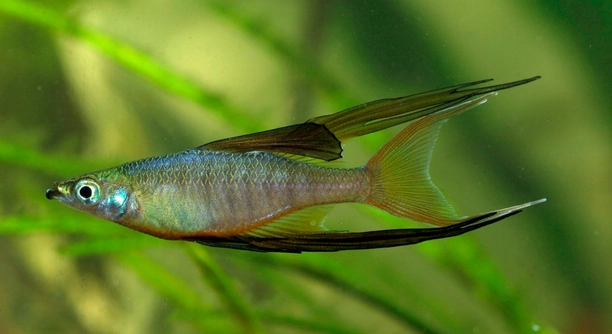
Threadfins are graceful swimmers often admired for their long, flowing fins and shimmering bodies. Many aquarium enthusiasts notice them pacing along the glass walls, seemingly restless. This behavior can be both puzzling and intriguing for new and experienced keepers alike.
Threadfins may pace along glass walls due to a combination of environmental factors, including limited space, lack of stimulation, or instinctive territorial behavior. Ensuring proper tank size, enriching their environment, and monitoring social dynamics can help reduce this pacing.
Observing these movements can reveal more about their needs and well-being. Small adjustments to their habitat often improve their comfort and activity levels.
Understanding Threadfin Behavior
Threadfins are naturally active fish that thrive in open spaces. When kept in aquariums, their pacing along glass often signals a need for stimulation or adjustment. These fish have sharp senses and can quickly notice movement outside their tank. Bright lights, reflections, or sudden activity nearby may prompt them to swim along the walls. Social dynamics also play a role, as threadfins may establish territories or respond to other tank mates. Water conditions are equally important; improper temperature, oxygen levels, or water quality can lead to stress, which often shows as repeated pacing. Observing patterns in their movement can help identify specific triggers. Providing a varied environment with plants, hiding spots, and gentle current helps maintain their natural behavior. Regular interaction and maintaining stability in tank conditions reduce repetitive pacing. Understanding the combination of these factors is key to supporting their well-being and minimizing stress-related activities.
Adjusting tank layout and adding enrichment usually reduces glass pacing noticeably within weeks.
Monitoring their environment closely allows for small, effective changes. Careful observation is essential to ensure their comfort and prevent long-term stress. Keeping water clean, balancing tank mates, and offering visual barriers helps threadfins feel secure and promotes natural swimming habits. Creating an environment that mimics their natural surroundings ensures they remain active without displaying anxious behavior.
Environmental Adjustments to Reduce Pacing
Providing more space or visual barriers can immediately impact pacing behavior.
Enrichment in the tank can help channel their energy productively. Adding driftwood, plants, and areas to explore gives threadfins opportunities to swim naturally and reduces repetitive behavior. Adjusting water flow to simulate gentle currents keeps them engaged. Rotating decorations or introducing new textures encourages exploration and curiosity. Reducing reflections by adjusting lighting or covering sections of the glass can limit triggers for pacing. Even small changes, like varying feeding routines or using floating objects, create mental stimulation. It’s important to observe how each change affects their behavior and adjust gradually. Overcrowding and incompatible tank mates can exacerbate stress, so ensuring proper stocking levels and monitoring interactions is critical. With consistent care and attention, pacing often decreases, and the fish display more natural, relaxed swimming patterns. These adjustments not only improve activity levels but also contribute to the overall health and longevity of the fish.
Tank Size and Space Considerations
Threadfins need plenty of room to swim freely. A small tank restricts movement, often leading to pacing along glass walls. Increasing tank size provides them with enough space to exercise and reduces stress, allowing for healthier, calmer behavior over time.
A cramped tank limits natural swimming patterns, which can lead to repetitive movements and anxiety. Threadfins are active fish that cover large distances in their natural habitats. Without enough space, they may fixate on the glass or corners of the tank. Adequate tank size allows for varied swimming routes, hiding spots, and social interactions with other fish. It also reduces territorial disputes and helps maintain better water quality. Ensuring enough room for each fish is essential for their well-being and encourages natural, relaxed behavior rather than pacing caused by confinement.
Adding plants, decorations, and open swimming areas encourages movement in different directions. Rotating items or creating new pathways helps maintain their interest. Sufficient space combined with enrichment keeps threadfins engaged and reduces repetitive pacing. Regularly checking fish behavior and adjusting layout ensures the tank supports their natural instincts while minimizing stress. Over time, threadfins become more active in healthy, varied ways rather than focusing on the glass. A well-planned environment enhances both their comfort and visual appeal.
Visual Stimulation and Tank Layout
Reflections and bright lights often trigger pacing behavior in threadfins. Minimizing direct light on the glass and adding barriers helps reduce stress.
Threadfins are sensitive to visual stimuli, and mirrored surfaces can confuse them. Too much reflection makes them think other fish are present, prompting constant swimming along glass. Using plants, rocks, or background images can break up reflections and provide visual interest. Proper placement of hiding spots and open swimming areas allows them to explore naturally. Rotating decorations occasionally keeps their environment stimulating without overwhelming them. Controlling light intensity and direction reduces anxiety and promotes calmer swimming patterns, helping the fish feel secure.
Strategically arranging the tank encourages natural exploration while limiting triggers for pacing. Adding tall plants, driftwood, and shaded areas gives threadfins options to hide or rest, creating a sense of safety. Gentle currents combined with visual enrichment replicate natural conditions and promote varied movement. Observing how they interact with different elements allows for fine-tuning the layout. Over time, threadfins respond positively, swimming more freely without fixating on the glass. A thoughtfully designed tank enhances their mental stimulation, reduces stress, and supports overall health, making pacing less frequent and promoting relaxed, natural behavior throughout the day.
Social Dynamics and Tank Mates
Threadfins respond strongly to the presence of other fish. Aggressive or overly active tank mates can increase stress, causing them to pace along glass. Choosing compatible companions helps maintain a calm environment.
Overcrowding also contributes to stress. Each fish needs personal space to swim freely. Properly spacing fish and monitoring interactions reduces tension. Adjusting the number of tank mates or separating aggressive individuals often improves behavior and decreases repetitive pacing.
Feeding Routines and Environmental Enrichment
Regular feeding schedules and varied diets keep threadfins engaged. Offering live or frozen food encourages natural hunting behavior. Enrichment, such as floating objects or changing decor occasionally, stimulates their senses and keeps them active. These adjustments prevent boredom and reduce glass pacing by providing alternative focus points in the tank.
Water Quality and Conditions
Maintaining clean water with stable temperature and oxygen levels is essential. Poor conditions cause stress and contribute to pacing behavior. Regular testing and partial water changes help threadfins remain healthy, comfortable, and more likely to swim naturally rather than along glass walls.
FAQ
Why do threadfins pace along the glass?
Threadfins pace along the glass mainly due to stress, boredom, or environmental factors. They are naturally active fish and need plenty of space to swim. Small tanks, strong reflections, aggressive tank mates, or poor water quality can all contribute to this behavior. Observing their movements can help identify the cause.
Is this behavior harmful to threadfins?
Repeated pacing is generally a sign of stress and can affect their overall health if not addressed. Constant swimming in a confined space may lead to exhaustion or weakened immunity. Improving tank conditions and providing enrichment reduces stress and promotes natural, healthy swimming patterns.
Can tank size reduce pacing?
Yes. Threadfins need ample space to swim freely. A small or overcrowded tank often causes repetitive pacing. Increasing tank size and providing open swimming areas allows them to express natural behaviors and reduces fixation on the glass.
Do reflections cause pacing?
Reflections from glass or water surfaces can confuse threadfins, making them think there are other fish or threats nearby. This can trigger repeated swimming along the glass. Reducing reflections with background images, plants, or controlled lighting helps them feel secure and calm.
How do tank mates affect pacing?
Aggressive or overly active fish increase stress for threadfins. Compatible, peaceful companions reduce tension and allow calmer swimming. Overcrowding should also be avoided, as each fish needs personal space to avoid repeated pacing caused by territorial disputes or anxiety.
Can feeding routines help?
Yes. Irregular feeding or a monotonous diet may contribute to boredom, leading to glass pacing. Offering live, frozen, or varied foods encourages natural hunting behavior. Regular feeding schedules combined with environmental enrichment provide mental stimulation and reduce repetitive movements.
Does water quality influence pacing?
Absolutely. Poor water conditions, unstable temperature, low oxygen, or high waste levels cause stress. Stress triggers repetitive behaviors, including pacing along the glass. Regular testing, filtration, and partial water changes help maintain clean, stable conditions that support healthy activity.
Will decorations reduce pacing?
Strategically placed plants, rocks, and hiding spots provide visual interest and safe areas. Rotating decorations or adding new textures encourages exploration. Enrichment keeps threadfins engaged, preventing boredom and reducing the tendency to swim continuously along the glass.
How long does it take for pacing to decrease?
With proper adjustments to tank size, mates, water quality, and enrichment, pacing can decrease within a few weeks. Observing responses to changes is important. Gradual improvements in environment and routine lead to calmer, more natural swimming habits over time.
Should I be concerned if pacing continues?
Persistent pacing despite proper care may indicate underlying stress or health issues. Monitoring for additional signs like changes in appetite, color, or energy levels is essential. Consulting an aquatic specialist ensures no medical or environmental problems are overlooked.
Can threadfins ever stop pacing completely?
While pacing may not disappear entirely, reducing triggers and improving their environment significantly lowers the frequency. They can become calmer and engage more with their surroundings. Proper care ensures they display healthier, more natural behaviors rather than constant, stress-driven pacing.
Are there signs pacing is improving?
Yes. Fish that explore more of the tank, rest in shaded areas, and interact calmly with tank mates show positive changes. Reduced fixation on glass and smoother, relaxed swimming patterns indicate that environmental adjustments are effective.
Does enrichment need to be constant?
No. Threadfins benefit from periodic changes in tank layout or objects. Rotating decorations, adding floating items, or introducing safe hiding spots keeps them mentally stimulated without overwhelming them. A dynamic, varied environment prevents boredom and supports natural behavior.
Can lighting affect pacing?
Excessive or harsh lighting may stress threadfins, while low or diffused lighting reduces reflections and anxiety. Adjusting light placement and intensity creates a comfortable environment that encourages normal swimming patterns rather than continuous pacing along glass.
Is pacing more common in certain threadfin species?
Some species are more active or sensitive than others, making pacing more noticeable. Understanding the natural behavior of the specific species helps in creating an appropriate habitat. Activity levels, space needs, and social behavior vary, influencing the likelihood of glass pacing.
How often should I check their behavior?
Daily observation is recommended to notice subtle changes in swimming, appetite, or interactions. Regular monitoring helps identify triggers, evaluate the effectiveness of tank adjustments, and prevent stress from becoming a long-term problem.
Can stress reduction supplements help?
Certain water conditioners or calming additives may help reduce stress temporarily, but they cannot replace proper tank management. Environmental improvements, compatible tank mates, and enrichment are the most effective long-term solutions to reduce pacing and promote healthy behavior.
What role does water flow play?
Threadfins are accustomed to gentle currents. Insufficient or excessive water flow can cause frustration or anxiety. Adjusting flow to mimic natural conditions keeps them active in varied ways and prevents repetitive swimming along glass caused by unnatural water movement.
Are there warning signs that pacing is dangerous?
Yes. Signs like frantic movements, scraping against glass, or physical injury indicate extreme stress. Immediate attention to tank conditions, tank mates, and water quality is necessary. Persistent, intense pacing may compromise health if triggers are not addressed.
Can multiple solutions be combined?
Absolutely. A combination of tank size adjustment, enrichment, compatible mates, stable water quality, and controlled lighting is most effective. Addressing multiple factors simultaneously promotes natural behavior, reduces stress, and minimizes pacing along the glass in threadfins.
Final Thoughts
Threadfins are naturally active and sensitive fish. Their pacing along glass walls is a behavior that often signals stress, boredom, or environmental issues. While it may look concerning, it is usually a response to their surroundings rather than a sign of illness. Understanding the factors that influence this behavior is important for anyone keeping threadfins in an aquarium. Small tanks, strong reflections, aggressive tank mates, irregular feeding, and poor water conditions all contribute to pacing. Observing the fish carefully and noting when and where the pacing occurs provides valuable insight into potential triggers. Addressing these triggers with practical adjustments can significantly improve their comfort and reduce repetitive movements. Creating an environment that supports their natural behavior is essential to maintaining their health and well-being over time.
Proper tank size is one of the most important aspects of caring for threadfins. These fish are accustomed to open water and require ample space to swim freely. A small tank limits their movement, often resulting in repeated pacing along the glass. Increasing the tank size and ensuring there is enough open space for swimming can reduce stress. Adding enrichment items such as plants, rocks, and floating objects provides additional stimulation and helps them explore their environment in different ways. Rotating decorations occasionally or changing the layout encourages curiosity and reduces boredom. Threadfins also benefit from appropriate tank mates. Peaceful companions reduce tension and allow them to move comfortably without feeling threatened. Overcrowding or incompatible fish increases stress and can make pacing worse. Combining these adjustments with careful monitoring ensures that the fish remain active in healthy, natural ways instead of fixating on the glass.
Water quality, feeding routines, and lighting also play key roles in reducing pacing. Threadfins are sensitive to changes in temperature, oxygen levels, and cleanliness. Poor water quality or sudden fluctuations in conditions can lead to anxiety and repetitive swimming behavior. Regular water testing, partial water changes, and proper filtration create a stable environment that promotes calm activity. Feeding routines should be consistent, with varied diets that encourage natural hunting behavior. Adding live or frozen food occasionally helps keep them engaged and mentally stimulated. Lighting should be balanced to minimize reflections on the glass while providing enough brightness for normal activity. Together, these measures create an environment that supports their natural instincts and reduces stress. Observing threadfins over time allows keepers to see improvements and adjust care practices as needed. By combining proper space, enrichment, water quality, feeding, and lighting, threadfins can become calmer, more active, and healthier, showing natural behavior instead of pacing along the glass.

Hello,
If you enjoy the content that we create, please consider saying a "Thank You!" by leaving a tip.
Every little bit helps us continue crafting quality advice that supports the health, happiness, and well-being of pets around the world, for pets of all shapes, sizes, and species.
We really appreciate the kindness and support that you show us!