
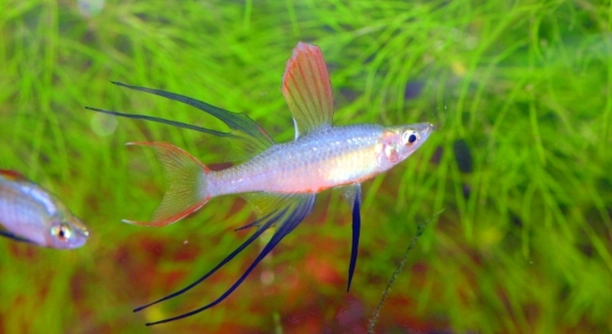
Threadfin Rainbowfish are vibrant and active freshwater fish, often admired for their shimmering colors and graceful movements. Observing them in a community tank can be fascinating, as their interactions suggest a lively and dynamic social environment.
Threadfin Rainbowfish do exhibit social hierarchies within groups. Dominance is established through displays of color intensity, fin spreading, and brief chasing behavior. These hierarchies influence feeding priority, mating opportunities, and territorial space, contributing to overall group stability and cohesion.
Understanding their social structure can help aquarists create balanced, peaceful tanks and support the fish’s natural behaviors. Proper observation ensures a healthier, more harmonious environment for these lively fish.
Understanding Threadfin Rainbowfish Behavior
Threadfin Rainbowfish are active and visually striking, and their behavior can tell us a lot about their social structure. They swim in groups and often interact in ways that establish dominance without causing serious harm. Observing these interactions, you may notice certain fish taking the lead during feeding or controlling prime swimming areas. These dominant individuals often display brighter colors and more pronounced fins, signaling their status to the rest of the group. Subordinate fish usually keep a respectful distance and avoid direct confrontation, which helps maintain peace in the tank. Over time, these roles can shift as fish grow or change health, showing that the hierarchy is dynamic. Understanding these behaviors is key for anyone keeping Threadfin Rainbowfish, as it helps in maintaining a balanced and stress-free environment. By paying attention to patterns of aggression, display, and avoidance, you can better predict and manage interactions within your tank, ensuring all fish have adequate space, food, and comfort.
Observing interactions regularly allows you to identify dominant and subordinate fish, helping manage tank harmony and prevent stress-related problems.
Providing the right environment involves more than just noting who leads. Tank size, hiding spots, and compatible companions all influence behavior. Consistent monitoring and small adjustments can reduce tension, making the aquarium more stable.
Setting Up a Harmonious Tank
Proper tank layout encourages natural behavior and reduces conflict. Hiding spaces, open swimming areas, and balanced lighting all contribute to calmer fish.
Creating a harmonious tank starts with space. Threadfin Rainbowfish need enough room to swim freely without feeling crowded, as limited space can escalate aggression and stress. Adding plants, rocks, or decorations provides hiding spots for shy or subordinate fish, giving them areas to retreat and recover. Open swimming areas allow dominant fish to display without forcing confrontation. Consistent water quality, temperature, and diet are equally important, as stress from poor conditions can disrupt the hierarchy and increase illness risk. By designing the tank thoughtfully, you support both physical health and natural social behaviors. Over time, careful observation will reveal how fish interact with the environment and each other. Minor adjustments, such as rearranging décor or splitting feeding zones, can significantly improve balance and reduce competition. A well-planned tank creates a stable setting where Threadfin Rainbowfish thrive socially and physically.
Feeding and Hierarchy
Feeding time often highlights the social hierarchy among Threadfin Rainbowfish. Dominant fish usually eat first, while subordinates wait their turn. Observing these patterns helps maintain fairness and ensures all fish get proper nutrition without unnecessary stress.
Providing multiple feeding points reduces competition and stress. Dominant fish can easily claim one spot, leaving room for others. Smaller, shy fish often take longer to approach food, so spreading flakes or pellets across the tank helps ensure they receive enough nutrition. Maintaining a consistent feeding schedule also reduces aggression, as fish anticipate meals and are less likely to fight over unexpected offerings. Observing behavior during feeding reveals which fish are dominant and how others adjust, giving insight into social dynamics.
Watching interactions beyond feeding is important. Some fish may assert dominance with short chases or fin displays even outside meal times. Recognizing these behaviors early allows for adjustments in tank setup or feeding strategies to maintain peace. Proper monitoring promotes a balanced, stress-free environment where all Threadfin Rainbowfish can thrive.
Signs of Stress in Subordinate Fish
Subordinate Threadfin Rainbowfish often display subtle stress signals, such as hiding, reduced color, or slower swimming. Recognizing these signs is crucial to prevent long-term health issues.
Stress in subordinate fish can result from repeated aggression or limited access to food and space. Fish that constantly retreat may experience weakened immunity, making them more susceptible to illness. Physical signs, like faded coloration or frayed fins, often indicate ongoing tension within the tank. Monitoring these fish closely allows adjustments, such as adding hiding places or separating overly aggressive individuals, to restore balance. Stress can also affect feeding behavior, so ensuring all fish receive proper nutrition is vital for maintaining their health and well-being.
A proactive approach includes observing daily interactions and identifying patterns of dominance. Subordinate fish may avoid certain areas or companions, showing preference for quieter zones. By noting these patterns, you can rearrange tank decorations or adjust feeding strategies to reduce stress. Consistently providing stable water conditions, ample space, and structured feeding routines supports healthier social dynamics, allowing both dominant and subordinate Threadfin Rainbowfish to coexist more peacefully in a shared environment.
Tank Size and Group Dynamics
A larger tank allows Threadfin Rainbowfish to establish territories without constant conflict. More space reduces stress and gives subordinate fish areas to retreat when needed.
Small tanks often increase competition, making dominant fish more aggressive. Providing at least 30 gallons for a small group helps maintain balance and peaceful interactions.
Compatible Tank Mates
Choosing compatible tank mates reduces tension and supports hierarchy stability. Non-aggressive species that occupy different water levels work best with Threadfin Rainbowfish.
Mixing active but peaceful fish ensures the group can interact without excessive competition for space or food. Avoid overly aggressive or territorial species that may disrupt social dynamics.
Observing Social Changes
Social hierarchies can shift as fish grow or new individuals are introduced. Regular observation helps track changes and prevent issues.
Environmental Enrichment
Adding plants, rocks, and hiding spots encourages natural behavior and reduces stress for all fish in the tank.
FAQ
Do Threadfin Rainbowfish always display clear dominance?
Not always. Dominance can be subtle, with brief displays of color intensity or fin spreading. Some fish show dominance only during feeding or when defending small territories. The hierarchy is flexible, and roles can shift as fish grow or as new individuals are introduced to the tank. Observing them over time helps identify patterns.
How can I tell if a fish is stressed?
Signs of stress include faded colors, hiding more than usual, slower swimming, or frayed fins. Subordinate fish are most likely to show these signs, especially if dominant fish frequently chase or block them from food. Stress can also affect appetite, making monitoring essential.
Should I separate aggressive fish?
Yes, if aggression becomes persistent and prevents other fish from accessing food or hiding areas, separating aggressive individuals is the best solution. Temporary separation often calms the tank and allows subordinates to regain confidence, reducing overall stress and preventing injury.
How many Threadfin Rainbowfish should be kept together?
A minimum of six fish is recommended to allow natural schooling behavior and reduce aggression. Smaller groups may increase tension because dominant fish have fewer targets, and subordinate fish have limited space to retreat. More individuals allow a more stable social hierarchy.
Can tank size affect social behavior?
Absolutely. Larger tanks provide space for territories and reduce constant confrontation. A 30-gallon tank is suitable for a small group, but bigger setups are better for larger communities. Adequate swimming space supports healthy interactions and gives shy fish room to escape if needed.
What kind of tank mates are best?
Peaceful, non-territorial species work best. Fish that occupy different water levels or swim slowly reduce conflict. Avoid aggressive or highly territorial species, as they may disrupt the hierarchy and stress Threadfin Rainbowfish. Compatibility promotes a calm and balanced tank.
Does feeding affect hierarchy?
Yes. Dominant fish usually eat first, while subordinates wait. Using multiple feeding points reduces competition, ensuring all fish get enough food. Consistent feeding schedules help maintain stability and reduce sudden aggression during meal times.
Do Threadfin Rainbowfish need hiding places?
Yes, especially for subordinate fish. Plants, rocks, or decorations provide safe spots for shy fish to retreat. Hiding places reduce stress, allow recovery, and help maintain a peaceful social environment. A well-decorated tank supports both physical and behavioral health.
How often should I observe my fish?
Daily observation is best. Monitoring behavior helps identify changes in hierarchy, stress, or illness early. Noticing small patterns, like who eats first or who hides most, allows adjustments in feeding, tank layout, or group composition to support balance.
Can introducing new fish disrupt hierarchy?
Yes. New fish may trigger temporary aggression as roles are re-established. Introducing new individuals slowly, in separate sections if possible, reduces stress. Close observation during this period ensures that both newcomers and existing fish adapt safely.
Do subordinate fish ever become dominant?
Yes, hierarchy is dynamic. Fish can change rank over time due to growth, health, or behavioral shifts. Dominance is not fixed, and flexibility in social roles is normal in a well-maintained tank.
Is it normal for dominant fish to chase others?
Short chases and displays are natural. They establish rank and reinforce boundaries. Persistent, aggressive behavior, however, can indicate stress or overcrowding and should be addressed by adjusting tank setup or group size.
How important is water quality for social behavior?
Extremely important. Poor water quality increases stress, weakens immunity, and can amplify aggression. Regular maintenance, proper filtration, and stable temperature help fish remain healthy and maintain natural social interactions.
Can lighting affect hierarchy?
Indirectly, yes. Bright or uneven lighting can stress shy fish, making them more vulnerable to aggression. Balanced, consistent lighting supports natural behavior and allows fish to display colors clearly without causing discomfort.
How do I reduce tension in the tank?
Provide hiding spots, spread feeding areas, ensure enough swimming space, and maintain stable water conditions. Observing fish daily and adjusting the tank layout when needed can prevent conflicts and support a calmer social structure.
Are there differences between males and females in hierarchy?
Yes. Males are usually more colorful and may assert dominance more visibly. Females tend to be less aggressive but still participate in social interactions. Recognizing these differences helps in understanding group dynamics and maintaining harmony.
Can stress lead to illness?
Yes. Chronic stress weakens the immune system, making fish susceptible to infections and fin rot. Ensuring all fish have space, food access, and hiding places is crucial for long-term health.
Is it normal for fish to change rank suddenly?
Yes. Changes can occur due to growth, health changes, or new tank conditions. Sudden shifts are usually temporary and stabilize once fish adjust to new dynamics. Regular observation helps track these changes and prevent prolonged stress.
Do Threadfin Rainbowfish form lasting friendships?
Not in the human sense. They form a structured social network where relationships are based on dominance, territory, and group cohesion. Shy fish may bond with calmer individuals, but the hierarchy remains the guiding factor in their interactions.
What is the best way to introduce new fish?
Quarantine newcomers, introduce them slowly, and observe interactions closely. Adding new fish gradually reduces stress, allows roles to be established, and prevents sudden aggression or injury.
Can environmental enrichment influence hierarchy?
Yes. Plants, rocks, and varied terrain give subordinates places to retreat, reduce stress, and allow natural behavior to flourish. A thoughtfully enriched tank supports healthier social interactions for all fish.
How long does it take for a hierarchy to stabilize?
It varies, but usually a few weeks. Fish gradually establish roles, and aggression decreases once ranks are understood. Monitoring behavior during this period is crucial to ensure all fish adapt safely.
Are there signs of a healthy hierarchy?
Yes. Fish display minimal stress, balanced feeding access, clear but non-harmful displays, and consistent swimming patterns. Subordinate fish find hiding spots without constant harassment, indicating a stable and well-functioning social system.
How can I help shy fish gain confidence?
Provide hiding spaces, ensure they have access to food, and avoid overcrowding. Gradual exposure to the group allows them to participate safely, increasing confidence without provoking aggression.
Can hierarchy affect breeding behavior?
Yes. Dominant males often secure prime territories and attract females more easily. Subordinate males may need additional space or time to display colors and court females successfully. Observing and managing these dynamics supports successful breeding.
Is monitoring behavior more important than water parameters?
Both are equally important. Water quality ensures health, while monitoring behavior helps maintain social stability. Neglecting either can lead to stress, illness, or aggressive interactions, affecting the overall well-being of the tank.
Can hierarchy issues be completely eliminated?
No, but they can be managed. Proper tank size, compatible companions, multiple feeding zones, hiding spots, and regular observation reduce aggression and stress. Well-managed conditions support a stable and balanced social system for Threadfin Rainbowfish.
How do I know if adjustments are working?
Fish should show reduced chasing, balanced feeding, calmer interactions, and less hiding behavior. Regular observation allows you to confirm improvements and make further changes if needed.
Does tank decoration impact hierarchy?
Yes. Decorations create territories and hiding spots. Thoughtful arrangement allows subordinates to avoid conflict, supports dominant displays, and encourages natural behavior without constant stress.
How long should I observe daily?
Even 10–15 minutes is useful. Focus on feeding, chasing, hiding, and color displays to monitor hierarchy and stress levels. Consistent observation ensures timely interventions.
Can dominant fish injure others?
In most cases, displays are harmless. Persistent aggression or overcrowding increases the risk of injury. Early detection and adjustments help prevent harm.
What adjustments help reduce dominance issues?
Increase tank space, add hiding places, spread feeding areas, and ensure compatible tank mates. Monitoring and minor rearrangements can restore balance effectively.
Are social hierarchies unique to each group?
Yes. Each group develops its own hierarchy based on individual behavior, size, and personality. Observing your specific tank provides insights tailored to that community.
Do all fish participate in the hierarchy?
Not equally. Some may remain passive, while others assert dominance. Each fish’s role contributes to the overall social balance in the tank.
Can lighting and décor together affect hierarchy?
Yes. Proper lighting highlights colors without stressing fish, while décor provides territories. Together, they support natural interactions and minimize conflicts.
How often should tank mates be reassessed?
Whenever you notice changes in aggression, stress, or hierarchy shifts. Periodic reassessment ensures a stable and healthy community.
Is it normal for fish to hide after adding new décor?
Yes. Subordinate or shy fish may take time to adjust. Monitoring ensures they find comfort without prolonged stress or exclusion.
Can hierarchy affect feeding order permanently?
Feeding order can fluctuate, but dominant fish generally maintain priority. Spreading food and consistent feeding schedules help subordinates access adequate nutrition.
How can I encourage natural behavior?
Provide space, hiding places, compatible companions, consistent feeding, and regular observation. Environmental enrichment and stable conditions allow fish to interact naturally.
What should I do if subordinate fish remain stressed?
Increase hiding spots, consider separating aggressive individuals, and ensure fair access to food. Persistent stress may require evaluating tank size or group composition.
Are Threadfin Rainbowfish aggressive toward all tank mates?
No. Aggression is usually limited to other fish within their species or those competing for similar space or food. Peaceful companions are generally safe.
Can hierarchy influence swimming patterns?
Yes. Dominant fish often lead, while subordinates follow or avoid certain areas. Observing patterns helps manage tank layout and reduce stress.
Do Threadfin Rainbowfish show hierarchy in small tanks?
Yes, but stress and aggression are usually higher. Providing space, hiding spots, and multiple feeding zones is critical in smaller setups.
Is it normal for subordinate fish to change hiding spots frequently?
Yes. They adjust based on dominant fish behavior, feeding locations, and environmental changes. Multiple hiding options reduce stress and support stability.
Does tank size matter for long-term hierarchy stability?
Absolutely. Larger tanks reduce constant conflict, allow territory establishment, and support healthier, balanced social interactions over time.
Can dominance affect breeding success in males?
Yes. Dominant males attract more females and secure territories, increasing mating opportunities. Subordinate males may require additional time or space to display courtship behaviors effectively.
Are some fish naturally more dominant than others?
Yes. Size, coloration, and temperament influence dominance. Recognizing these traits helps in managing group dynamics effectively.
Do subordinate fish ever challenge dominants?
Occasionally. Changes in size, health, or confidence can lead to brief challenges, which are normal and usually settle without major conflict.
Is observing behavior more important than tank décor?
Both are important. Décor provides comfort and territories, but behavior observation allows timely interventions to maintain hierarchy balance and reduce stress.
Can overstocking disrupt hierarchy?
Yes. Too many fish increase competition for food and space, elevate stress, and lead to persistent aggression. Maintaining proper group size is critical.
How do I maintain a peaceful hierarchy long-term?
Provide ample space, compatible companions, hiding spots, consistent feeding, and daily observation. Adjustments to décor and group composition support stability.
Does stress from hierarchy affect lifespan?
Yes. Chronic stress weakens immunity and can shorten life expectancy. Supporting natural behavior and reducing conflict promotes healthier, longer-lived fish.
Are there permanent solutions for aggressive dominants?
Not always. Managing tank size, décor, feeding, and companion choice can reduce aggression, but some level of dominance display is natural and unavoidable.
How does age affect hierarchy?
Older or larger fish may assert dominance more effectively. Changes in age or size can shift the hierarchy gradually over time.
Do subordinate fish ever become dominant in older age?
Yes. With growth, improved health, or changes in the group, subordinate fish can rise in rank, showing the dynamic nature of the hierarchy.
Can environmental enrichment prevent aggression entirely?
No, but it minimizes stress and provides outlets for natural behavior, reducing the intensity and frequency of aggressive interactions.
Is hierarchy formation faster in small groups?
Yes. Fewer fish mean roles are established quickly, but stress may be higher if space or resources are limited.
Do Threadfin Rainbowfish interact differently at night?
They are less active and display fewer aggressive behaviors, but subordinate fish still seek safe areas, and hierarchy remains in effect.
How do I know if the tank is balanced?
Dominant and subordinate fish coexist with minimal stress, access food, use hiding spots, and show natural swimming patterns. Daily observation confirms stability.
Does changing water conditions affect hierarchy?
Yes. Sudden temperature or quality changes increase stress, potentially triggering aggression and disrupting the established social structure.
Can gender ratios influence dominance?
Yes. More males may lead to increased competition, while balanced or female-skewed ratios reduce conflict and stabilize hierarchy.
Are hierarchy issues permanent if ignored?
No, but ignoring them leads to chronic stress, illness, or injury. Active management is required for a healthy, peaceful tank.
Do dominant fish ever cooperate?
Yes. They can tolerate each other once ranks are established, especially in larger tanks with ample space and resources.
How long should I monitor new fish interactions?
At least several weeks. Hierarchy shifts gradually, and close observation ensures conflicts are addressed before they escalate.
Does diet influence aggression?
Proper nutrition reduces competition. Feeding high-quality food in multiple locations minimizes aggressive behavior linked to hunger or competition for resources.
Can lighting changes increase aggression?
Bright or uneven lighting may stress shy fish, causing more defensive or submissive behavior. Balanced lighting supports calmer interactions.
Are there signs of an unhealthy hierarchy?
Persistent hiding, refusal to eat, constant chasing, or physical damage indicate imbalance. Prompt intervention is required to restore peace.
How do I prevent dominant fish from monopolizing food?
Spread feeding points across the tank, feed consistently, and observe interactions to ensure subordinate fish get adequate nutrition without constant conflict.
Does hierarchy impact color development?
Yes. Dominant fish often display brighter colors, while subordinate fish may appear faded due to stress or limited access to prime territories.
Are there risks in mixing species with Threadfin Rainbowfish?
Yes. Aggressive or territorial species can disrupt social balance. Selecting peaceful, compatible companions reduces risk and supports harmony.
How can I support subordinate fish health?
Provide hiding spots, multiple feeding areas, and consistent care. Monitoring behavior ensures they remain confident and receive proper nutrition, reducing stress-related illness.
Do Threadfin Rainbowfish remember past interactions?
Yes, they can recognize dominant and subordinate individuals, which reinforces hierarchy and guides behavior in repeated encounters.
Is it normal for hierarchy to fluctuate seasonally?
Yes. Changes in water temperature, growth, or group dynamics can temporarily alter rank. Stability usually returns once conditions normalize.
Can overcrowding lead to permanent hierarchy problems?
Yes. Overcrowding increases aggression, stress, and illness, potentially disrupting long-term social stability. Proper stocking levels are essential.
Do dominant fish influence spawning success?
Yes. Dominant males typically secure territories and attract females, increasing their chances of successful mating compared to subordinates.
How do I manage a tank with multiple dominant fish?
Provide larger space, multiple territories, hiding spots, and spread feeding areas. Observing interactions allows interventions before aggression escalates.
Does water temperature affect social behavior?
Yes. Stable temperatures promote calm interactions. Sudden changes can increase stress, triggering more aggressive or defensive behavior among fish.
Are there behavioral differences between captive-bred and wild Threadfin Rainbowfish?
Captive-bred fish may be slightly less aggressive and adapt better to tank environments, but the basic hierarchy patterns remain consistent.
Can hierarchy issues be resolved with tank rearrangement?
Yes. Rearranging décor creates new territories, breaks up established dominance, and reduces persistent aggression, giving subordinates more confidence.
How long should I allow new tank mates to acclimate?
At least 2–4 weeks in a quarantine or separate section. Gradual introduction prevents stress and allows hierarchy to stabilize safely.
Can environmental enrichment alone prevent aggression?
It helps but does not eliminate natural dominance behavior. Combining enrichment with proper tank size, compatible companions, and feeding strategies is most effective.
Does size difference affect dominance?
Yes. Larger fish tend to assert dominance more easily, influencing territory, feeding priority, and social interactions. Subordinate smaller fish adapt by avoiding conflict.
Is it normal for dominant fish to patrol the tank?
Yes. Patrolling helps maintain control over territories, reinforces hierarchy, and signals presence to subordinate fish without constant aggression.
Do subordinate fish benefit from observing dominants?
Yes. Observing dominant behavior helps them learn boundaries, feeding etiquette, and safe zones, contributing to reduced conflict and stress.
How often should I adjust feeding areas?
Occasionally, especially if certain spots are monopolized. Spreading food ensures all fish eat adequately and reduces tension.
Can water flow influence hierarchy?
Yes. Strong currents may favor dominant fish who claim calmer zones. Adjusting flow and providing varied areas supports equitable territory access.
Do Threadfin Rainbowfish interact differently with juveniles?
Yes. Adults may assert dominance gently, allowing juveniles to learn boundaries while avoiding severe conflict. Gradual integration promotes harmony.
Is hierarchy affected by tank shape?
Yes. Long or wide tanks allow better territory distribution, reducing constant confrontation compared to cramped or narrow setups.
Can hierarchy cause health issues if ignored?
Yes. Stress, limited feeding, and persistent aggression can lead to weakened immunity, fin damage, or illness, affecting longevity.
Do subordinate fish eventually adapt to dominant presence?
Yes. With hiding spots, adequate food, and space, subordinates adjust, reducing stress and maintaining stable social interactions.
Are short-term disputes normal?
Yes. Brief chasing, fin spreading, or color displays establish rank and are part of natural hierarchy maintenance.
Can tank cleanliness affect dominance behavior?
Yes. Dirty water increases stress and aggression. Regular maintenance supports healthy social interactions and reduces conflict.
Does hierarchy affect sleep patterns?
Not significantly. Dominant fish may claim favored resting spots, but all fish adapt to safe areas for rest within the tank.
Are all aggressive displays directed at fish of the same size?
Mostly, but smaller or weaker fish are often avoided. Dominance is influenced by size, health, and confidence, not only aggression.
Do Threadfin Rainbowfish respond to human presence regarding hierarchy?
Yes. Feeding times and tank maintenance can trigger brief displays of dominance or submission, showing awareness of their environment and routine.
Threadfin Rainbowfish are fascinating fish to keep because of their vibrant colors and active behavior. Observing them in a tank provides insight into how social hierarchies naturally develop among fish. Dominant individuals often display brighter colors and assert themselves through fin spreading or short chases, while subordinate fish adjust by keeping distance or retreating to hiding spots. These interactions are not harmful if managed properly but are essential for maintaining order within the group. Understanding the hierarchy helps aquarists provide a healthier and more balanced environment, allowing all fish to thrive. The social structure of Threadfin Rainbowfish is dynamic, with ranks shifting over time due to growth, health, or new additions to the tank. Watching these changes closely can help prevent stress and minimize aggressive behavior, ensuring that every fish has access to food, space, and comfort.
Maintaining a harmonious tank involves more than just knowing which fish is dominant. Tank size, layout, and décor play significant roles in promoting natural behavior. A larger tank allows dominant fish to establish territories without constantly pressuring subordinate fish, while plants, rocks, and hiding spots give shy individuals safe areas to retreat. Multiple feeding zones reduce competition during meals, allowing subordinate fish to eat without stress. Consistent water conditions, proper temperature, and balanced nutrition also support the physical health and social well-being of the group. Observing daily interactions helps identify potential issues early, such as persistent aggression or hiding, so adjustments can be made. Simple measures, like rearranging décor or providing additional plants, can make a noticeable difference in reducing tension and fostering a more stable social environment.
Overall, caring for Threadfin Rainbowfish requires attention to both their social and physical needs. A well-maintained tank supports natural behaviors, reduces stress, and allows dominant and subordinate fish to coexist peacefully. Understanding hierarchy provides insight into feeding order, swimming patterns, and territorial behavior, which can guide aquarists in making effective adjustments. Regular observation and careful management help maintain a balanced community, ensuring that each fish enjoys proper nutrition, space, and comfort. By providing a stable environment, you can encourage healthy interactions and minimize conflict, making your aquarium a thriving, vibrant habitat. Threadfin Rainbowfish demonstrate the importance of social structure in aquatic species, and respecting these dynamics helps both the fish and the overall harmony of the tank.

Hello,
If you enjoy the content that we create, please consider saying a "Thank You!" by leaving a tip.
Every little bit helps us continue crafting quality advice that supports the health, happiness, and well-being of pets around the world, for pets of all shapes, sizes, and species.
We really appreciate the kindness and support that you show us!