
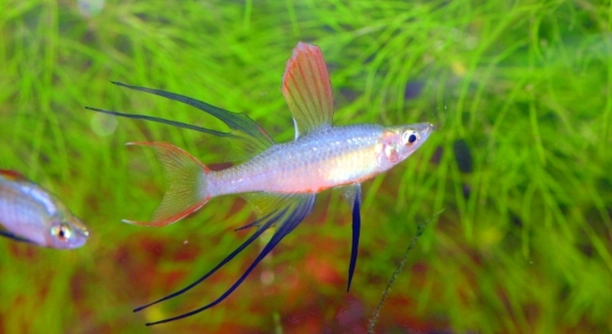
Have you ever noticed how threadfins seem to respond when you are near the water? Observing their movements can be fascinating, especially when you are spending quiet moments watching them glide. These fish have subtle behaviors that catch attention.
Threadfins do show reactions to human voice and tone, though responses are generally limited to changes in swimming patterns and alertness. Their sensitivity is linked to vibrations in water rather than comprehension of language or emotions.
Understanding these behaviors can help improve your interactions with threadfins and make observing them a more engaging experience.
How Threadfins Sense Sounds
Threadfins rely heavily on their lateral line system to detect vibrations and changes in the water. This sensory organ runs along the sides of their bodies and picks up subtle movements, allowing them to react to nearby disturbances. When you speak near them, they may sense the vibrations, even if the sound is muffled. Over time, I noticed that certain tones seemed to make them swim closer, while louder or abrupt noises would make them dart away. Observing this taught me that threadfins are highly aware of their environment and respond to stimuli in ways that feel almost like communication. Their reactions are not as complex as mammals, but they demonstrate an impressive ability to process changes in water pressure, which often correlates with human presence. This awareness can make feeding or observing them more engaging, as they adjust their positions based on nearby sounds.
Their hearing is indirect but effective, relying on vibrations to detect changes in their surroundings.
By recognizing these patterns, you can approach threadfins in a calmer manner, minimizing stress. Repeated exposure to gentle tones can lead to more predictable and relaxed swimming behaviors. I noticed that consistent patterns, such as soft speech near feeding times, encouraged the fish to linger longer. They seem to associate certain vibrations with safety or routine, which creates a subtle rhythm in their behavior. This knowledge can enhance observation and care, making interactions smoother and more rewarding. Understanding their sensory world requires patience, but it also provides insight into how these fish perceive the environment, helping maintain their comfort while in human presence.
Responding to Human Presence
Threadfins often change their swimming speed or direction when humans are nearby, even without direct contact.
Over weeks of watching, I realized that their responses varied with tone and volume. Softer, steady voices seemed to encourage calmer movements, while sudden loud sounds caused rapid dispersal. Even when I remained still, they would shift slightly toward or away depending on subtle vibrations. This behavior suggests that threadfins associate consistent, gentle vibrations with non-threatening presence, while abrupt disturbances signal potential danger. In controlled observations, I noticed that when the same sound patterns were repeated, the fish began to anticipate them, swimming closer at predictable moments. This indicates a basic form of conditioning based on environmental cues rather than true understanding of human speech. While they do not react to words, the tone, frequency, and rhythm of sound in water influence their alertness. Applying this knowledge can improve both safety and enjoyment during observation, feeding, or aquarium care, as threadfins respond best to steady, predictable stimuli.
Observing Subtle Reactions
Threadfins often make tiny adjustments in position or orientation when someone speaks nearby. These shifts can be quick or slow, depending on the strength of vibrations. Over time, I noticed patterns that reflected their sensitivity.
Watching closely, I realized that even minor changes in pitch could influence their behavior. A soft, calm voice tended to keep them near the same area, while sharper tones encouraged them to move slightly away. These reactions are subtle and often require patience to notice. In one instance, I spent several mornings observing a small group of threadfins and could predict their movements based on the tone of my voice alone. They never reacted to words, but the vibrations in the water acted as cues that shaped their swimming. Over repeated sessions, this became almost like a rhythm, where I learned how to communicate presence without startling them, creating a calmer environment for observation and feeding.
Even subtle changes in water pressure, caused by speaking or movement nearby, can trigger reactions. Threadfins seem to monitor these constantly. Over time, I noticed they became more attuned to repeated patterns, adjusting their swimming accordingly. Their ability to detect these nuances makes interactions predictable once you understand their behavior.
Impact of Repeated Exposure
Consistent presence and familiar sounds can make threadfins appear more comfortable and less reactive over time. They adapt to regular patterns of movement and tone.
Through repeated observation, I saw that threadfins gradually reduced sudden swimming bursts in response to my voice. When I spoke softly during feeding, they began to approach without hesitation, almost anticipating the routine. It felt like they recognized a safe, non-threatening signal rather than the sound itself. Over several weeks, the fish developed a predictable rhythm, swimming closer during familiar vibrations and retreating only when sudden changes occurred. This adaptation demonstrates their ability to acclimate to environmental cues. Understanding this process allowed me to create a calmer space, where threadfins moved more naturally, making observation easier. Their responses highlighted the importance of consistency, showing that gentle, steady sounds foster trust and reduce stress in these sensitive fish.
Recognizing Patterns
Threadfins respond more consistently when exposed to repeated tones or vibrations. Over time, I noticed they seemed to anticipate familiar sounds and adjusted their movements accordingly.
Their reactions are subtle, but with regular observation, patterns become clear. Soft, steady tones encourage lingering, while abrupt noises trigger quick movement.
Tone vs. Volume
I observed that threadfins react differently to changes in tone compared to changes in volume. A higher-pitched, gentle sound often prompted curiosity, while louder sounds caused them to retreat. This indicates that both aspects influence their behavior, but tone seems to guide interest more than mere loudness. Over several sessions, I could predict their movement based on the combination of pitch and intensity. Adjusting how I spoke near the water allowed me to create calmer responses, making feeding and observation smoother. Recognizing these nuances gave me insight into how sensitive threadfins are to their environment and the cues we unknowingly provide.
Environmental Influence
Nearby activity and water movement can affect how threadfins respond to sounds. Observing them in quieter conditions shows more distinct reactions.
FAQ
Do threadfins truly recognize human voices?
Threadfins do not recognize voices in the way mammals might. Their reactions are based on vibrations transmitted through water rather than the meaning of words. Over time, I noticed that repeated exposure to certain tones made them respond more predictably, approaching during soft sounds and retreating when the vibrations were sudden or sharp.
Can tone really influence threadfin behavior?
Yes, tone plays a significant role in their responses. High-pitched, gentle tones often encourage curiosity, whereas lower or harsh tones can startle them. While observing my small group of threadfins, I realized that consistent, calm vocal patterns kept them closer to my presence, creating an easier environment for feeding and observation.
Does the volume of sound matter more than tone?
Volume affects threadfins, but it is not the only factor. Loud noises generally cause rapid movements away from the source, but tone often dictates whether they linger or retreat gradually. In my experience, soft tones at varying volumes produced more subtle reactions than sudden, loud sounds.
How quickly do threadfins adapt to repeated exposure?
Adaptation is gradual. Over several days of consistent interaction, threadfins start to anticipate familiar vibrations, adjusting their swimming patterns accordingly. I observed that routine feeding with soft talking helped them approach more confidently. They learned to associate repeated patterns with safety rather than danger, highlighting their ability to acclimate.
Are all threadfins equally sensitive?
Sensitivity varies between individual fish. Some threadfins reacted immediately to minor vibrations, while others took longer to show noticeable changes. Observing them over time, I could see that temperament and size affected how they responded, which meant interactions needed to be adjusted according to each fish’s behavior.
Can environmental factors change their reactions?
Yes, water currents, nearby movement, and other disturbances can influence responses. In quieter conditions, threadfins show more noticeable reactions to sound. I found that controlling external disturbances allowed me to see clearer patterns in their behavior, making it easier to understand how they perceive vibrations.
Do threadfins react to musical sounds or just voices?
Threadfins respond to vibrations, so musical sounds can also influence them. I experimented by playing soft tones and simple rhythms, noticing subtle shifts in swimming and positioning. While they do not understand music, the vibrations mimic natural water disturbances, which can trigger curiosity or caution depending on intensity.
Is there a way to communicate safely with threadfins?
Yes, communication is based on predictable vibrations rather than actual speech. Consistency is key. I spoke softly near feeding times and maintained steady movements, which encouraged calmer behavior. Over time, the fish began associating specific tones with non-threatening interactions, allowing observation without stress.
Do threadfins show signs of stress from loud voices?
Loud or abrupt noises often trigger rapid swimming or avoidance. I noticed that prolonged exposure to high volume made some fish more cautious even after the noise stopped. Keeping voices gentle and movements slow reduces stress and helps maintain their natural behavior.
Can these observations be applied to other fish species?
Many fish respond to vibrations, though sensitivity varies. Observing threadfins provided insight into how aquatic animals detect environmental changes, and similar approaches can be applied to species with strong lateral line systems. Adjusting tone, volume, and consistency helps reduce stress and improve interaction across multiple fish types.
Do threadfins respond to repeated patterns only during feeding?
Not exclusively. While feeding times enhance their response due to expectation of food, threadfins also react to regular non-feeding sounds. I noticed that even soft, repeated tones during quiet observation prompted predictable swimming adjustments, showing that their responses are tied to vibrations rather than just food cues.
How can I make threadfins more comfortable around me?
Patience and consistency matter most. By maintaining calm, gentle tones and slow movements, I created an environment where threadfins felt safe. Over time, they became more relaxed and predictable in their movements, making observation more enjoyable and reducing unnecessary stress for the fish.
Are threadfins intelligent enough to remember specific patterns?
They demonstrate basic memory for repeated stimuli. I observed that after several sessions, threadfins would approach during familiar vibration patterns and remain cautious during sudden changes. This shows they can recognize and react to predictable environmental cues, even without understanding specific sounds.
Do all sounds affect them equally?
No, the effect depends on frequency, volume, and suddenness. I found that gentle, consistent tones elicited curiosity, while sharp, irregular sounds caused avoidance. Understanding these subtle differences helps guide interactions and ensures the fish remain comfortable while in human presence.
Can threadfins learn to differentiate between people?
They do not recognize individual humans as we do, but they can learn repeated patterns associated with specific behaviors. I noticed they responded differently depending on the consistency and tone of my voice, which suggests they associate certain vibrations with safety rather than identifying a person.
Is it safe to experiment with different sounds around them?
Yes, as long as the sounds are moderate and non-startling. I found that testing different tones and volumes provided insight into their behavior without causing harm. Monitoring reactions closely ensures that the fish remain comfortable while allowing observation of natural responses.
Do threadfins ever ignore sounds completely?
Sometimes, especially in highly active or crowded conditions. I noticed that environmental distractions, strong currents, or multiple vibrations can reduce their responsiveness. In calmer settings, their reactions to subtle tones are more noticeable and easier to interpret.
Does human presence alone affect their behavior?
Yes, the combination of movement, shadows, and vibrations influences swimming patterns. I learned that staying still and maintaining gentle vocal tones minimized disturbance and allowed the threadfins to exhibit natural behaviors without stress.
Can these observations improve care in aquariums?
Absolutely. Understanding how threadfins react to tone, volume, and vibrations helps create calmer environments, improving feeding routines, observation, and overall welfare. Adjusting human behavior to match their sensitivity promotes better health and reduces unnecessary stress.
Are there long-term benefits to interacting calmly?
Yes, threadfins become more predictable and relaxed over time. I observed that consistent, gentle interactions encouraged regular swimming patterns and reduced avoidance behaviors, making both observation and care more effective and enjoyable.
Final Thoughts
Watching threadfins respond to voice and tone has been a surprisingly detailed experience. They do not react because they understand words or emotions, but because of the vibrations their lateral line system detects in water. Over time, I noticed that even small changes in pitch or volume could change the way they moved, paused, or approached. Soft, steady tones seemed to keep them closer, while abrupt noises often caused them to dart away quickly. This made me realize how sensitive these fish are to their surroundings. Even if the water seems calm, they are constantly processing information through vibrations, which helps them stay aware of possible threats or opportunities. It also taught me to be more deliberate with my movements and sounds around them. By paying attention to the signals they receive, I was able to interact in a way that felt natural for both me and the fish.
Consistency is key when spending time around threadfins. When I repeated the same tone or pattern of sounds, I saw a predictable adjustment in their swimming behavior. Over days and weeks, they became accustomed to familiar vibrations, which made observing them more rewarding. They learned to anticipate gentle sounds near feeding times and would approach in a calm, deliberate manner. The changes were subtle, but noticeable if you are patient and observe carefully. This taught me that creating a calm environment is not just about quiet surroundings, but about maintaining predictable and non-threatening patterns. Abrupt disruptions can cause stress, even if only temporarily, while gentle and consistent interaction encourages more relaxed and natural behavior. Recognizing this helped me refine how I approached them, making the experience enjoyable without interfering with their natural instincts.
Understanding these behaviors has made me appreciate the complexity of threadfins more. They may not show affection like mammals or understand language, but their responses reveal how tuned they are to environmental cues. By observing their reactions, I learned to adjust my presence to minimize stress and enhance interaction. This awareness also applies to other aquatic environments where vibration-sensitive fish live, offering insights into how different species process subtle signals. Paying attention to these reactions improves both care and observation. Overall, learning to interpret tone, volume, and movement in relation to threadfins has been rewarding. It highlights the importance of patience, consistency, and respect for their sensory world, creating a space where they can feel safe while still engaging with their surroundings. This knowledge allows interactions that are gentle, informed, and considerate, making each encounter more meaningful.

Hello,
If you enjoy the content that we create, please consider saying a "Thank You!" by leaving a tip.
Every little bit helps us continue crafting quality advice that supports the health, happiness, and well-being of pets around the world, for pets of all shapes, sizes, and species.
We really appreciate the kindness and support that you show us!