
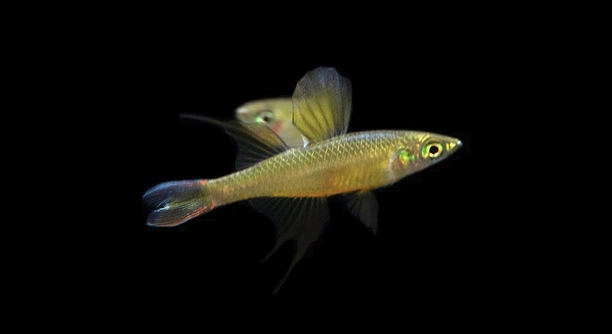
Threadfins are elegant, silver-bodied fish often admired in home aquariums. Their smooth movements and coordinated swimming patterns make them fascinating to watch, especially when observing how they respond to changes in their tank environment.
Research indicates that threadfins can become conditioned to repetitive movements within their tank. Repeated environmental stimuli, such as consistent water flow patterns or regular human activity, may allow them to recognize and anticipate these motions, demonstrating a basic form of learned behavior over time.
Observing their reactions to these patterns can reveal surprising insights into their cognitive abilities and daily behavior in captivity. Understanding this helps improve their care and overall well-being.
Understanding Threadfin Behavior
Watching threadfins in a tank for the first time can be surprisingly engaging. Their natural schooling behavior means they often move in synchrony, adjusting their speed and direction based on others around them. This coordinated motion shows a level of awareness and adaptability, even in confined spaces. When repetitive movements occur—like a consistent hand wave, water flow, or feeding routine—threadfins may begin to anticipate these actions. Over time, they can associate certain patterns with outcomes, such as food appearing or currents shifting. Observing these reactions highlights their capacity to learn from the environment, demonstrating that even small daily routines can influence behavior. Their subtle responses, like changing swimming paths or pausing near familiar activity zones, show that they are not merely reacting instinctively. These fish can process repeated stimuli, adapting in ways that make tank observation rewarding. Keeping their environment slightly varied can maintain mental stimulation while still allowing them to recognize familiar patterns.
Repetitive tank movements can enhance the predictability threadfins rely on. Consistency encourages recognition and learning over time.
Providing consistent cues allows threadfins to develop simple behavioral patterns. This recognition is often visible in their daily activity, whether it’s anticipating feeding time or adjusting to water currents. Their ability to notice repeated stimuli shows that they are not passive creatures but active participants in their environment. Observing these interactions can deepen understanding of how small changes impact fish behavior, emphasizing the importance of structured yet stimulating tank setups.
Signs Threadfins Recognize Patterns
Threadfins often pause or change swimming direction when familiar movements occur, showing recognition of routine.
Behavioral responses can be subtle but consistent. Regular exposure to the same environmental cues allows threadfins to anticipate events, like feeding or water adjustments. They may gather near specific tank areas or follow repeated water movements with a slight delay, suggesting memory and recognition. While not all reactions are dramatic, observing these patterns over days or weeks provides insight into their adaptability. Tank caretakers who notice such behaviors can adjust routines to support healthy mental stimulation and encourage natural responses. Recognizing these patterns also helps prevent stress, as the fish feel more secure in a predictable environment. Subtle gestures, such as synchronized swimming near familiar areas or pausing before a known water flow, indicate learning. By noting these behavioral markers, one can ensure that threadfins remain engaged and responsive, enhancing both their well-being and the overall tank experience. Consistent yet varied observation is key to understanding their full behavioral range.
How Repetition Shapes Behavior
Threadfins gradually learn to associate repeated movements with specific outcomes. This learning helps them anticipate feeding times or changes in water flow. Recognizing these patterns reduces stress and encourages smoother interactions within the tank environment.
Consistent tank routines can influence threadfin behavior significantly. When a specific action, such as a hand movement near the tank or a recurring water current, occurs daily, the fish begin to notice and respond predictably. Over time, they may gather near a certain spot before feeding or follow the direction of a repeated current. This ability to detect repetition shows that threadfins have more than instinctive responses; they can adapt to their surroundings based on experience. Careful observation reveals that even subtle signals, like a shifting shadow or a ripple in the water, can become part of their learned behavior. This highlights the importance of maintaining structured patterns in their environment while allowing small variations to keep them engaged and mentally active.
Repetition also reinforces swimming patterns and group cohesion. Threadfins observe each other and adjust movements collectively, responding to familiar cues with smoother coordination. Their reactions are not random but shaped by consistent environmental signals. Over weeks, this behavior becomes predictable, allowing caretakers to plan feeding or water changes efficiently. The subtle signs, like pausing or aligning with currents, indicate memory and recognition. Observing these responses offers insight into the fish’s cognitive abilities. Understanding these patterns can guide adjustments in tank setup, ensuring a balance between predictability and stimulation, ultimately supporting the health and engagement of the fish.
Environmental Influence on Recognition
Tank conditions directly impact how well threadfins recognize repetitive movements. Consistency in lighting, water flow, and feeding routines enhances pattern recognition.
Stable environmental cues help threadfins form expectations. If water currents, lighting schedules, or feeding times are consistent, the fish can detect and remember repeated patterns more easily. They may begin to position themselves strategically, waiting for food or adjusting their swimming to match familiar currents. Sudden changes in the tank, like altered water flow or irregular feeding, can disrupt this recognition, causing stress or confusion. Maintaining steady environmental conditions supports their learning process and encourages positive behavior. Recognizing these influences allows caretakers to optimize tank setups, improving overall well-being and encouraging natural responses. Regular observation and minor adjustments help create a balance that fosters recognition without causing boredom or overstimulation.
Timing and Anticipation
Threadfins adjust their activity based on predictable events in the tank. They often move toward feeding areas or adjust swimming patterns just before a repeated stimulus occurs.
Their ability to anticipate shows memory and environmental awareness. Regular exposure to the same routines allows them to respond efficiently, minimizing stress and maintaining calm behavior.
Observing Subtle Responses
Threadfins exhibit small but consistent reactions to repeated movements. Slight pauses, changes in speed, or directional shifts indicate recognition of familiar patterns. Observing these subtle responses helps understand their behavior better. Consistency in the tank allows these reactions to become more noticeable over time.
Benefits of Predictable Patterns
Regular tank routines reduce stress and support healthier behavior. Threadfins become more confident and responsive, improving overall interactions in their environment.
FAQ
Do threadfins really notice repetitive movements in the tank?
Yes, threadfins can detect repeated movements in their environment. Over time, they learn to anticipate actions such as feeding, water flow changes, or shadows moving across the tank. This recognition is a sign of basic learning and environmental awareness. Consistent routines make these behaviors more noticeable.
How can I tell if my threadfins recognize a pattern?
Observe their reactions closely. They may gather near specific areas, pause before a known event, or follow familiar water currents. These subtle behaviors indicate that the fish are recognizing repetition. Tracking their responses over days or weeks provides a clearer picture of pattern recognition.
Is it beneficial for threadfins to experience repetition?
Yes, predictable routines can reduce stress and encourage calmer, more confident behavior. Repetition provides a sense of security and allows threadfins to adapt to their environment, making daily interactions smoother. However, minor variations can help maintain mental stimulation.
Can too much repetition be harmful?
Excessive repetition without variation can lead to boredom or lack of engagement. While threadfins thrive on predictable cues, occasional changes in water flow or feeding routines keep their environment stimulating and prevent monotony.
Do all threadfins respond the same way to repeated stimuli?
Responses can vary between individual fish. Some may react quickly to familiar patterns, while others display subtler changes. Group dynamics also influence behavior, as fish often follow the movements of their peers, creating collective responses to repeated stimuli.
How long does it take for threadfins to recognize repeated movements?
Recognition may develop over several days to weeks, depending on the frequency and consistency of the stimulus. Daily exposure to the same patterns allows fish to anticipate events like feeding or water changes, demonstrating their learning ability over time.
Can recognition of repetitive movements improve tank care?
Absolutely. Observing how threadfins react to routines can help caretakers plan feeding, cleaning, and maintenance schedules. Understanding their recognition abilities allows for smoother tank management and ensures that fish feel secure and well-adjusted in their environment.
Do threadfins communicate recognition to each other?
Indirectly, yes. While they do not communicate verbally, their reactions to repeated stimuli can influence the behavior of other fish. Observing one fish responding to a familiar movement often prompts others to adjust their position or swimming pattern, creating synchronized group behavior.
Are there specific cues threadfins respond to most?
Feeding signals, water currents, and consistent human activity near the tank are the most common cues. They may respond to visual changes like shadows or movements above the tank, as well as predictable changes in water flow, temperature, or lighting.
How can I encourage recognition without causing stress?
Maintain consistent routines with minor variations to keep the fish engaged. Avoid sudden, unpredictable changes and provide enough space for natural movement. Observing reactions gradually helps identify how much repetition is appropriate for their comfort and mental stimulation.
Is this recognition behavior common in other fish species?
Many fish species exhibit similar learning and recognition behaviors, though the degree varies. Threadfins display noticeable responses due to their schooling nature and sensitivity to environmental cues, making them particularly responsive to repetition compared to some solitary species.
Does tank size affect recognition?
Yes, larger tanks provide more space for movement and may require more pronounced or repeated cues for fish to notice. Smaller tanks concentrate activity, making repetitive movements easier to detect and respond to. Proper tank design helps ensure cues are clear without overwhelming the fish.
Can recognition behavior change over time?
Yes, as threadfins mature or adapt to new environments, their responses may evolve. Habituation can occur if cues remain identical for too long, while new patterns or changes in tank dynamics can renew recognition and engagement. Monitoring behavior helps maintain a healthy balance.
How does this knowledge affect daily care routines?
Understanding pattern recognition allows caretakers to create predictable schedules that reduce stress, improve feeding efficiency, and support healthy swimming behavior. Small adjustments in timing, movement, or current can enhance the fish’s ability to anticipate events without causing anxiety.
What are common signs that recognition is occurring?
Threadfins may align themselves with predictable currents, gather near feeding areas in advance, or alter their speed or direction when a familiar stimulus is introduced. These subtle but consistent behaviors indicate that the fish are learning from repetition and adapting accordingly.
Can recognition help with training or conditioning?
Yes, repeated cues can reinforce positive behaviors, such as approaching a feeding area on schedule. While not complex, this type of conditioning encourages predictable responses that make tank management easier and enhances the overall well-being of the fish.
Does human interaction influence recognition?
Regular, gentle interaction can strengthen pattern recognition. Threadfins learn to associate consistent hand movements or presence near the tank with feeding or other routine events, creating a smoother and more predictable daily environment for both the fish and caretaker.
Are there differences in recognition between young and adult threadfins?
Younger fish may take longer to recognize patterns due to less experience and environmental familiarity. Adults often respond more quickly, having already adapted to tank routines. Age and developmental stage can affect the speed and consistency of recognition behavior.
Can environmental enrichment complement repetitive cues?
Yes, enrichment like plants, hiding spots, or varied currents provides stimulation while maintaining recognition patterns. This balance ensures that threadfins remain alert and engaged without stress, supporting both mental health and natural behavior expression.
How important is observation in understanding recognition?
Careful observation is essential. Tracking subtle reactions, timing, and collective responses allows caretakers to fine-tune routines and understand how threadfins perceive repetitive movements. Regular monitoring ensures that cues are effective and the fish remain comfortable and healthy.
Does recognition indicate intelligence in threadfins?
It reflects basic learning and adaptability. While not complex reasoning, the ability to notice, remember, and respond to repeated environmental stimuli demonstrates cognitive function and environmental awareness, highlighting their sensitivity and behavioral sophistication.
Can recognition behavior vary by tank conditions?
Yes, factors like water flow, lighting, tank size, and population density influence recognition. Optimal conditions make repetitive cues more noticeable, while stressful or inconsistent environments can reduce responsiveness, highlighting the need for stable and carefully maintained tanks.
What role does repetition play in reducing stress?
Predictable patterns give threadfins a sense of security. Knowing what to expect reduces anxiety, encourages calmer swimming, and helps maintain healthy interactions within the tank, improving overall well-being and adaptability.
How can caretakers adjust routines based on recognition?
Observing responses allows fine-tuning of feeding times, water adjustments, and environmental changes. Gradual, predictable routines foster comfort while keeping the fish engaged, enhancing both care efficiency and the fish’s overall quality of life.
Are there long-term benefits to recognizing repeated movements?
Yes, threadfins with predictable environmental cues tend to show more stable behavior, less stress, and improved health. Recognition supports learning, coordination, and confidence, making routine maintenance smoother and helping fish thrive in captivity.
What should I avoid when establishing repetition?
Avoid abrupt or unpredictable changes. Consistency is key, but overly rigid routines without any variation can lead to boredom or diminished responsiveness. Balance repetition with small adjustments to maintain engagement.
Can recognition help prevent aggressive behavior?
Yes, predictable routines reduce stress and uncertainty, which can otherwise trigger aggression. Fish that anticipate feeding or water changes tend to remain calmer and interact more smoothly with tank mates.
How often should cues be repeated?
Daily repetition is typically sufficient. Regular exposure helps threadfins learn patterns while preventing overstimulation. Observing their responses will indicate if adjustments are needed to maintain effective recognition without stress.
Do visual cues matter more than movement?
Both are important. Threadfins respond to shadows, hand movements, or changes in lighting as well as water currents or repetitive swimming patterns. Clear, consistent cues of any type help reinforce recognition effectively.
Can recognition influence social behavior?
Yes, when one fish responds to a repeated stimulus, others often follow. This collective response strengthens schooling behavior, improves coordination, and enhances the natural social dynamics within the tank.
Is it necessary to document recognition patterns?
Keeping notes can help track behavior over time, identify effective routines, and make informed adjustments to tank management. Documentation supports long-term understanding of each fish’s responses.
Does recognition vary between individual tanks?
Yes, differences in tank size, layout, population, and environmental conditions affect how quickly and consistently threadfins recognize repeated movements. Observing each tank individually is important to understand behavior fully.
Can recognition lead to better feeding efficiency?
Yes, fish that anticipate feeding are more likely to respond promptly, reducing wasted food and helping maintain clean water conditions. Efficient feeding supports both fish health and tank hygiene.
What are subtle signs of habituation?
Decreased reaction to repeated cues, slower movement, or less engagement may indicate habituation. Introducing minor variations helps maintain responsiveness and prevents boredom.
Does recognition extend to other sensory cues?
Threadfins can recognize patterns in visual, tactile, and water movement cues. Multiple senses working together enhance learning and response, showing adaptability to different aspects of their environment.
How long can recognition last without reinforcement?
Responses may diminish if routines are inconsistent. Regular reinforcement is necessary to maintain recognition over time, ensuring fish continue to anticipate and respond appropriately to repeated movements.
Can recognition behavior improve tank enjoyment for caretakers?
Yes, observing predictable and responsive behavior makes tank care more rewarding. Understanding how threadfins notice and react to repetition adds insight and satisfaction to daily maintenance and interaction.
Does age or size affect recognition ability?
Older or larger threadfins often respond more consistently, while younger fish may require longer exposure to learn patterns. Size and maturity influence memory and behavioral adaptation.
Are there signs that a threadfin is stressed despite recognition?
Yes, rapid swimming, hiding, or erratic behavior may indicate stress even if they recognize routines. Monitoring overall behavior alongside recognition ensures balanced care.
Can environmental complexity enhance recognition?
Yes, adding plants, rocks, or varied currents encourages engagement while allowing repetitive cues to remain noticeable. Complexity supports learning without overwhelming the fish.
Do threadfins retain recognition after relocation?
They may require adjustment time in a new tank. Familiar routines can help re-establish recognition, but initial responses may be slower until the environment becomes predictable.
How do feeding cues influence recognition?
Threadfins quickly learn to associate feeding signals with food arrival. Consistent visual or movement cues strengthen anticipation and reinforce daily routines, promoting healthy and predictable behavior.
Can recognition help with health monitoring?
Yes, observing reactions to routines can indicate well-being. Changes in pattern recognition or response may signal illness, stress, or environmental issues, allowing early intervention.
Is recognition limited to visual cues?
No, threadfins respond to tactile and water movement cues as well. Combining multiple stimuli reinforces learning and anticipation, supporting more reliable pattern recognition.
Do threadfins need reinforcement to maintain recognition?
Yes, occasional consistent repetition is necessary to sustain learned behaviors. Without reinforcement, responses may weaken, reducing predictability and engagement in daily routines.
Can recognition support calmer group dynamics?
Yes, predictable routines reduce stress and encourage synchronized swimming, leading to smoother interactions and less conflict among tank mates.
Are certain tank setups better for recognition?
Moderate tank size with consistent flow, lighting, and feeding areas supports pattern detection. Overcrowded or highly variable tanks may reduce responsiveness, while stable conditions enhance learning.
How quickly can recognition improve with routine?
Some threadfins respond within days, while others may take weeks. Consistent exposure, stable cues, and gradual observation accelerate recognition and behavioral adaptation.
Does recognition affect long-term behavior?
Yes, consistent routines and reinforcement contribute to more predictable, confident, and calm behavior. Recognition supports overall well-being, smoother social interactions, and healthier responses to environmental changes.
Can recognition be used for enrichment?
Yes, predictable patterns combined with minor variations provide mental stimulation. This balance encourages engagement, reduces stress, and supports natural behavior in captivity.
How can I balance repetition and stimulation?
Maintain predictable routines while introducing small changes in currents, lighting, or hiding spots. This encourages recognition while keeping the environment engaging, preventing boredom and stress.
Do threadfins react differently to human presence versus environmental cues?
Human movements are often learned quickly, especially when associated with feeding. Environmental cues like water currents or lighting changes are recognized more gradually but can be just as influential in shaping behavior.
Can recognition help with introducing new fish?
Yes, predictable routines help new fish adjust by providing consistent cues. Observing reactions ensures smoother integration and reduces stress for both new and established fish.
Is recognition behavior permanent?
Recognition can fade without reinforcement or if environmental conditions change drastically. Consistent patterns and gradual adjustments help maintain learned responses over time.
How does recognition impact stress levels?
Predictable routines reduce uncertainty, making threadfins calmer. Stress is minimized when they can anticipate feeding, water flow, or human activity, supporting both physical health and behavioral stability.
Do threadfins respond differently to visual and tactile repetition?
Responses vary, but both types of cues are effective. Combining visual and tactile patterns strengthens learning and increases the likelihood of consistent recognition across the tank.
Can recognition be observed in large schools of threadfins?
Yes, even in larger groups, repeated cues elicit coordinated responses. Fish influence each other, amplifying recognition and creating synchronized movement patterns that are easier to notice over time.
Are there signs of confusion despite recognition?
Sudden changes, overcrowding, or inconsistent routines may temporarily disrupt recognition. Fish may hesitate, swim erratically, or pause unexpectedly until familiarity is restored.
Does recognition extend to daily maintenance activities?
Yes, threadfins can learn to anticipate regular cleaning, water changes, or lighting adjustments. Gradual exposure to these routines minimizes stress and promotes predictable, calm behavior.
Can recognition improve overall tank harmony?
Yes, predictable routines reduce stress and reinforce positive behaviors, contributing to smoother social interactions and a calmer, healthier environment.
How do I measure successful recognition?
Consistent responses to repeated cues, such as approaching feeding areas, aligning with currents, or pausing at predictable events, indicate effective recognition. Observing patterns over time confirms learning and adaptation.
Can recognition help prevent accidental injury?
Yes, fish that anticipate movements are less likely to collide with decorations or tank mates. Predictable behavior reduces sudden, erratic swimming, promoting safety.
Do environmental changes affect recognition speed?
Stable conditions accelerate recognition, while frequent changes slow the learning process. Maintaining consistent cues helps threadfins adapt and respond predictably.
Is recognition influenced by the number of fish in a tank?
Yes, larger groups may create more complex dynamics, but schooling behavior can enhance recognition as fish mimic each other’s responses, reinforcing learned patterns.
Can recognition be lost during illness?
Yes, sick or stressed fish may become less responsive to repeated cues. Monitoring reactions provides insight into health and well-being.
Are threadfins more responsive to certain times of day?
Yes, feeding schedules or light cycles can affect responsiveness. Regular timing reinforces recognition, making daily routines smoother and more predictable.
How do I maintain recognition long-term?
Consistency in cues, gradual adjustments, and careful observation help threadfins retain learned responses. Reinforcement ensures that recognition remains stable and beneficial.
Can recognition be observed in all tank environments?
Yes, though responsiveness may vary. Tanks with consistent cues, moderate complexity, and proper care encourage recognition, while chaotic or inconsistent setups may hinder it.
Does recognition indicate memory capacity?
Yes, the ability to notice, remember, and respond to repeated stimuli demonstrates short-term and associative memory, highlighting cognitive abilities in threadfins.
Can recognition improve feeding accuracy?
Yes, fish anticipating food are more efficient in feeding, reducing waste and helping maintain clean water conditions while ensuring they receive proper nutrition.
Does recognition vary seasonally?
Responses may change slightly due to temperature or light cycle variations, but consistent routines help maintain recognition across seasonal shifts.
Can recognition help during tank rearrangements?
Yes, maintaining familiar cues during changes helps fish adapt more quickly, reducing stress and ensuring continuity of learned responses.
Is recognition observable in both wild-caught and captive-bred threadfins?
Both can display recognition, though captive-bred fish may adapt faster to consistent tank routines due to prior exposure to structured environments.
Can recognition behavior influence overall tank ecosystem?
Yes, predictable responses can affect group cohesion, reduce stress, and influence feeding and swimming patterns, contributing to a more balanced and harmonious tank environment.
How do I avoid over-reliance on recognition cues?
Introduce minor variations while maintaining core routines. This balance supports engagement, prevents boredom, and encourages flexible behavior without causing stress.
Are there limits to recognition?
Threadfins recognize simple repeated patterns effectively, but complex or inconsistent stimuli may not be learned. Their responses are strongest to clear, predictable cues.
Does recognition affect reproductive behavior?
Predictable routines can create a calmer environment, which may indirectly support healthier reproductive behavior by reducing stress and promoting natural activity patterns.
How quickly do threadfins forget recognition cues?
Without reinforcement, recognition may fade over days to weeks. Consistent exposure helps maintain learned responses and predictability.
Can recognition improve caretaker-fish interactions?
Yes, predictable routines foster trust, reduce stress, and make interactions smoother. Observing their responses enhances understanding and improves care efficiency.
Are there risks if recognition is disrupted?
Sudden changes in routine or environment can cause stress, confusion, or erratic behavior. Gradual adjustments minimize disruption and maintain comfort.
Does recognition influence exploration behavior?
Yes, predictable cues allow threadfins to explore confidently, knowing when events like feeding or water changes will occur. This supports natural activity and mental stimulation.
Can recognition be applied to enrichment activities?
Yes, repeated but varied enrichment, such as moving decorations or adjusting currents, allows threadfins to anticipate events while keeping them engaged and mentally active.
Is recognition more apparent in certain tank layouts?
Yes, open areas with visible cues allow fish to detect patterns more easily, while cluttered tanks may obscure signals, reducing observable recognition.
How do I know if my threadfins are stressed despite recognition?
Signs include hiding, rapid swimming, loss of appetite, or erratic movement. Recognition alone does not eliminate stress; overall behavior must be monitored.
Does recognition improve adaptability?
Yes, fish that learn and anticipate routine events adapt more efficiently to environmental changes, maintaining calm and coordinated behavior.
Can recognition help in feeding multiple fish?
Yes, recognizing cues allows threadfins to respond efficiently, reducing competition and ensuring all fish access food fairly.
Do threadfins recognize individual humans?
They can differentiate repeated movements and routines associated with specific people, showing familiarity with caretakers who follow consistent actions.
How do I balance recognition and unpredictability?
Maintain consistent feeding, lighting, and water routines while occasionally varying currents, placement, or enrichment. This keeps
Final Thoughts
Threadfins are more observant than many people realize. Their responses to repetitive movements in a tank show that they can recognize patterns and anticipate events. This ability is not the same as complex reasoning, but it demonstrates that these fish are sensitive to their environment and capable of learning. Even small, repeated cues such as changes in water flow, shadows, or feeding signals can shape their behavior. Over time, threadfins begin to respond in predictable ways, gathering in specific areas or adjusting their swimming patterns. Recognizing these behaviors allows caretakers to better understand how threadfins interact with their surroundings and with each other. By observing their responses carefully, one can see that these fish are active participants in their environment rather than passive inhabitants of the tank. This understanding helps create a more engaging and harmonious setup for both the fish and the caretaker.
Maintaining consistent routines is important for supporting recognition and reducing stress in threadfins. When daily activities such as feeding, cleaning, or water changes occur in a predictable pattern, fish begin to anticipate these events. This anticipation leads to calmer behavior and smoother interactions within the tank. At the same time, it is beneficial to introduce minor variations to prevent monotony. Small changes, such as slightly different water currents or repositioning plants and decorations, provide mental stimulation while still allowing the fish to recognize familiar patterns. Observing these reactions over time shows how repetition and slight variation work together to keep threadfins engaged and comfortable. By balancing predictability and stimulation, caretakers can support healthy cognitive and physical activity, improving overall well-being.
Understanding pattern recognition in threadfins also informs how caretakers manage tank environments. Consistent lighting, proper water flow, and predictable human interaction all contribute to the fish’s ability to notice and respond to repetitive cues. Threadfins may adjust their swimming, group formation, or positioning in response to these patterns, which can make care routines easier and reduce stress for both fish and caretaker. Additionally, recognizing these behaviors can enhance enjoyment when observing the tank. Watching fish respond to familiar events can be rewarding and insightful, revealing subtle aspects of their intelligence and adaptability. By supporting recognition while allowing for gradual variation, caretakers ensure that threadfins remain mentally active, physically healthy, and confident in their environment. This balance encourages natural behavior, promotes harmony within the tank, and provides a more predictable and enjoyable experience for those who care for them.

Hello,
If you enjoy the content that we create, please consider saying a "Thank You!" by leaving a tip.
Every little bit helps us continue crafting quality advice that supports the health, happiness, and well-being of pets around the world, for pets of all shapes, sizes, and species.
We really appreciate the kindness and support that you show us!