
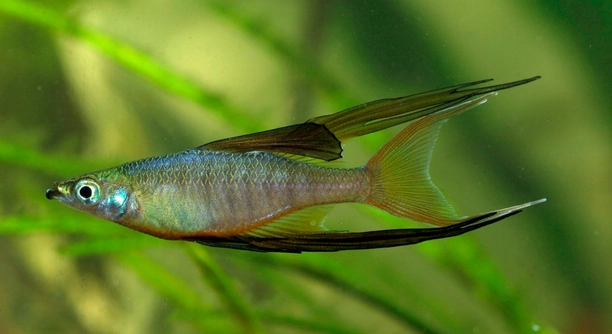
Moving day can be stressful for any pet, and Threadfin Rainbowfish are no exception. Their colorful presence adds life to the tank, but sudden changes in environment can trigger noticeable behavioral and physical reactions in these sensitive fish.
Threadfin Rainbowfish often experience stress during relocation, which can manifest as reduced activity, hiding, or temporary appetite loss. Maintaining stable water parameters, gradual acclimation, and minimizing sudden disturbances help ensure their health and smooth adjustment during and after the move.
Observing their reactions carefully can make a significant difference, helping them settle more comfortably into their new surroundings.
Preparing Your Tank for the Move
Before moving your Threadfin Rainbowfish, it is essential to prepare the new tank properly. Ensure the tank is fully cycled and that water parameters such as temperature, pH, and hardness match the original tank. Rinse decorations and substrate with dechlorinated water to remove dust or contaminants. Arrange hiding spots to reduce stress, as these fish tend to seek shelter when anxious. Avoid adding chemicals or cleaning agents that could alter the water balance. Gradually introduce plants or ornaments a few days before the move to make the tank feel familiar. A well-prepared tank reduces shock and helps your fish adjust more quickly. Monitor water temperature closely and use a heater if necessary to maintain stability. Ensuring all equipment like filters and aerators is functioning properly is crucial. The better the tank conditions, the smoother the transition will be for your Threadfin Rainbowfish. Consistency is key to preventing stress-related issues.
A prepared tank ensures your fish remain calm and healthy during relocation. Matching water conditions minimizes shock and supports a smooth transition for them.
Paying close attention to details like substrate and decorations can make the new environment feel familiar. These small steps go a long way in helping your Threadfin Rainbowfish settle comfortably and reduce stress behaviors.
Transporting Threadfin Rainbowfish Safely
Use a sturdy, clean container to transport the fish. Fill it with water from their current tank to maintain familiar conditions. Avoid overcrowding by limiting the number of fish per container. Cover the container to reduce light exposure, which helps calm them during the trip. Keep the container stable in the vehicle to prevent excessive movement, which can stress the fish. If the journey is long, consider using an insulated bag to maintain temperature. Avoid feeding the fish immediately before moving to prevent water contamination. Check for air supply if the trip takes more than an hour, using an air stone or oxygen tablets. Handle the container gently when loading and unloading, ensuring the fish remain calm. Gradually introduce them to the new tank using the drip acclimation method, adjusting for temperature and water chemistry. Proper transport procedures are essential to ensure your Threadfin Rainbowfish arrives healthy and ready to explore their new environment.
Transporting fish requires care, patience, and attention to water stability, temperature, and gentle handling to prevent stress or injury.
After arrival, slowly acclimating the fish to the new tank prevents sudden shock. Observing their behavior during the first hours is important to ensure they begin to explore and feed normally. Providing familiar hiding spots and consistent water conditions helps them feel secure. Minimize disturbances around the tank and maintain a regular feeding schedule to support recovery from the move. By taking these careful steps, your Threadfin Rainbowfish can adapt to their new environment smoothly, reducing stress and supporting long-term health and vibrant coloration. The adjustment period may take a few days, but with patience, your fish will soon be active, confident, and thriving in their new home.
Monitoring Stress After the Move
Stress is common after relocating Threadfin Rainbowfish. Watch for unusual hiding, rapid gill movement, or reduced feeding. These behaviors indicate your fish are adjusting and may need extra care and patience during the first few days in their new tank.
Provide consistent water conditions and stable lighting to help reduce stress. Avoid sudden changes in temperature, pH, or hardness, as Threadfin Rainbowfish are sensitive to fluctuations. Introducing minimal disturbances and keeping tank activity low supports a calm environment. Offer familiar foods to encourage regular feeding, and avoid overcrowding. Observing behavior and maintaining routine care helps the fish regain comfort. Gradual acclimation, combined with a well-prepared environment, ensures that stress is minimized and recovery is smoother.
Keep an eye on interactions with other fish. Aggression or excessive hiding can indicate ongoing stress. Adjust decorations or provide additional hiding spaces if necessary. Supporting their health through proper feeding and water care promotes quicker normalization of behavior.
Feeding Adjustments During Transition
Temporary appetite loss is common after a move. Offer small, frequent meals to encourage eating without overwhelming the fish. Avoid overfeeding, as leftover food can degrade water quality and add stress. Monitor which foods your fish accept and adjust accordingly to maintain nutrition.
Provide a balanced diet of flakes, pellets, and occasional live or frozen foods. Variety helps support recovery and stimulates interest in feeding. Maintaining feeding routines similar to the previous tank encourages normal behavior. Pay attention to picky eaters or those showing hesitancy. Remove uneaten food promptly to prevent ammonia spikes. Adjust portions based on activity levels and observe gradual improvement. Feeding adjustments during this period are essential for supporting immune function and energy levels.
In addition to diet, consider the timing and environment during meals. Reduce distractions and maintain calm surroundings to improve feeding confidence. Consistency in routine, water quality, and environmental stability together ensure Threadfin Rainbowfish regain normal eating habits and energy. Keeping detailed observations of feeding patterns helps identify lingering stress or health issues that may need intervention.
Adjusting Lighting and Environment
Threadfin Rainbowfish respond strongly to lighting changes. Keep the tank light consistent and avoid sudden bright lights. Dimming or gradually adjusting intensity helps them feel secure during the first days after moving, reducing stress and encouraging normal activity.
Provide hiding spots and plants to create a comfortable environment. Decorations should remain stable to avoid disorientation. Fish feel more secure when familiar structures are present, supporting smoother adaptation.
Observing Social Behavior
After relocation, monitor interactions among your fish. Some may become more aggressive or withdrawn. Observing how they swim together and share space indicates whether the social balance is stable. Addressing conflicts early prevents stress-related injuries or health problems.
Water Quality Maintenance
Maintaining excellent water quality is essential. Regular testing for ammonia, nitrite, nitrate, and pH ensures the new tank remains safe. Stable parameters prevent illness and support recovery, keeping your Threadfin Rainbowfish healthy and active.
Introducing Supplements
Occasionally, adding vitamins or stress-reducing supplements can help fish adapt. Use carefully and according to instructions to support their immune system during the transition period.
FAQ
How long does it take for Threadfin Rainbowfish to settle in a new tank?
Threadfin Rainbowfish usually take a few days to a week to fully adjust to a new environment. During this time, they may hide more often, eat less, or appear less active. Providing stable water conditions, consistent lighting, and familiar decorations helps reduce stress and encourages quicker adaptation. Observing behavior during these first days can indicate how comfortable they are with their surroundings. Gradual acclimation, including temperature and water parameter adjustments, ensures the transition is smoother and minimizes health risks. Patience is essential, as some individuals may take longer than others.
What signs indicate my Threadfin Rainbowfish is stressed?
Stress in Threadfin Rainbowfish can show as hiding, rapid gill movement, clamped fins, or a loss of color. Refusing food or swimming erratically are also common indicators. Prolonged stress can weaken their immune system, making them more prone to illness. Creating a calm environment with hiding spots, consistent water parameters, and minimal disturbances helps reduce stress. Tracking changes in behavior and appearance during and after the move allows early intervention. If stress persists for several days despite proper care, checking water quality and potential tank mates’ interactions is important to identify any hidden causes.
Should I feed my fish before moving them?
It’s better to avoid feeding for at least a few hours before transport. Uneaten food can decompose in the container, reducing oxygen levels and worsening water quality. Feeding small amounts after the move is ideal, offering familiar foods to encourage appetite. Gradually reintroducing regular meals helps them regain energy without overloading the new tank. Observing which foods they prefer during this period can help identify any individual picky eaters. Maintaining consistency in diet before and after moving reduces stress and helps maintain normal digestive function.
Can I move multiple fish together?
Yes, but avoid overcrowding. Transporting too many fish in one container increases stress and reduces oxygen levels. Use separate containers if necessary, ensuring enough space and water volume for each group. Cover containers to limit light exposure and keep them stable during transport. Air stones or oxygen tablets may be needed for longer trips. Limiting handling and sudden movements reduces anxiety. After arrival, gradually acclimate each group to the new tank, observing behavior to prevent conflicts. Proper planning prevents injuries and ensures all fish arrive safely.
How do I acclimate Threadfin Rainbowfish to new water?
The drip acclimation method is most effective. Slowly mix water from the new tank into the transport container over one to two hours. This helps the fish adjust to differences in temperature, pH, and hardness. Avoid pouring them directly into the new tank, as sudden changes can shock their system. Monitor their behavior during acclimation. Once they appear calm and begin swimming normally, gently transfer them into the tank. Maintaining stable water parameters and a calm environment supports smooth adaptation and reduces stress-related health issues.
What should I do if my fish refuses to eat?
Temporary appetite loss is common after moving. Offer small portions of familiar foods and reduce feeding frequency initially. Ensure water quality is stable and provide hiding spots to make them feel secure. Gradually increase food amounts as their comfort and activity levels improve. Avoid overfeeding, as leftover food can degrade water quality and add stress. Observing feeding behavior helps identify whether loss of appetite is due to stress or potential illness. Patience and consistent care usually restore normal feeding patterns within a few days.
Are there any supplements that help with relocation stress?
Certain vitamins or stress-reducing additives can support Threadfin Rainbowfish during transition periods. Use products designed for ornamental fish and follow recommended doses carefully. Supplements help maintain immune function and reduce anxiety, but they do not replace proper water quality and environment management. Overuse can harm the fish, so moderation is essential. Combined with stable conditions, careful feeding, and gentle handling, supplements can be a helpful tool in ensuring a smoother adjustment. Monitoring behavior and appetite while using supplements helps gauge effectiveness and identify any negative reactions.
How can I prevent long-term stress after moving?
Maintaining stable water parameters, regular feeding schedules, and minimal disturbances are key. Provide hiding places and familiar decorations, and monitor social interactions among tank mates. Avoid sudden changes in lighting, temperature, or tank layout. Gradual adjustments and consistent routines help Threadfin Rainbowfish regain confidence and normalize behavior. Keeping track of water quality, feeding habits, and activity levels allows early detection of stress-related issues. A calm environment, combined with attention to their needs, ensures long-term health, vibrant coloration, and a smooth adaptation to their new tank.
Is it normal for Threadfin Rainbowfish to hide a lot after a move?
Yes, hiding is a natural stress response. They seek shelter to feel safe while adjusting to new surroundings. Providing plants, rocks, or decorations encourages hiding and reduces anxiety. Over a few days, they should gradually explore more and regain normal activity. Monitoring their behavior helps ensure they are adjusting properly. Limiting disturbances and maintaining stable conditions supports their recovery. Hiding also allows them to conserve energy and reduce exposure to potential threats, which is a healthy coping mechanism in unfamiliar environments.
How often should I check water parameters during this period?
During the first week after moving, check ammonia, nitrite, nitrate, pH, and temperature daily. Early detection of fluctuations prevents stress-related health issues. After the initial period, routine monitoring every few days is sufficient. Accurate, consistent measurements support fish health and ensure a safe environment. Promptly correcting any imbalances is crucial to avoid long-term problems. Using reliable test kits and recording results helps track trends. Paying close attention to water stability during the transition period significantly reduces risks and supports smoother adaptation for your Threadfin Rainbowfish.
What are common mistakes to avoid during a move?
Overcrowding containers, sudden water changes, feeding right before transport, and excessive handling are frequent errors. Ignoring water parameters, neglecting hiding spots, and introducing aggressive tank mates too soon can also increase stress. Planning, preparation, and careful observation prevent these issues. Gradual acclimation, stable water conditions, and gentle handling are essential. Avoiding these mistakes ensures that your fish remain healthy, calm, and able to adjust efficiently to their new environment. Proper timing, care, and attention make all the difference in minimizing stress and promoting well-being.
Final Thoughts
Moving Threadfin Rainbowfish to a new tank can feel challenging, but careful planning and attention to detail make the process much smoother. These fish are sensitive to sudden changes, so maintaining consistent water parameters is essential. Matching temperature, pH, and hardness to their original tank helps prevent shock and reduces stress. Providing a stable environment with familiar decorations, hiding spots, and plants allows them to feel secure right away. Even small adjustments, like arranging familiar ornaments in the same layout, can make a noticeable difference in their comfort. By keeping conditions consistent before, during, and after the move, you create a safe space that supports their health and encourages normal behavior.
Stress is a natural response for Threadfin Rainbowfish during relocation, but it can be managed effectively. Observing their behavior carefully is one of the best ways to ensure they are adjusting well. Signs like hiding, clamped fins, or reduced feeding indicate that they are feeling anxious. During this time, minimizing disturbances around the tank and avoiding sudden changes in lighting or water parameters is important. Offering small, frequent meals of familiar foods encourages eating without overwhelming them. Patience is key, as some fish may take longer to regain their confidence and resume regular activity. Monitoring water quality, maintaining a calm environment, and supporting their diet all work together to help reduce stress and promote recovery.
Proper acclimation, careful transport, and consistent care after the move are crucial for long-term health. Using gentle handling methods and avoiding overcrowded containers during transportation ensures safety and comfort. Gradual acclimation to the new tank allows the fish to adjust to minor differences in water chemistry or temperature. Once they are in the new environment, maintaining a predictable routine, stable lighting, and sufficient hiding spaces helps them feel secure. Over time, the fish will explore the tank, regain appetite, and display their vibrant coloration. By focusing on these steps, you support not only their physical well-being but also their overall confidence and comfort in the new space. Consistent care and careful observation make a big difference in helping Threadfin Rainbowfish thrive after relocation, creating a healthy and harmonious aquarium for the long term.

Hello,
If you enjoy the content that we create, please consider saying a "Thank You!" by leaving a tip.
Every little bit helps us continue crafting quality advice that supports the health, happiness, and well-being of pets around the world, for pets of all shapes, sizes, and species.
We really appreciate the kindness and support that you show us!