
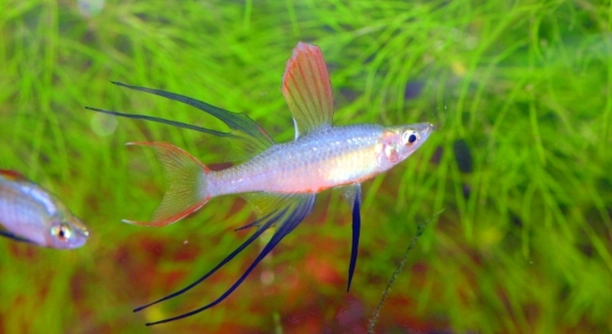
Threadfins are delicate fish that respond strongly to changes in their environment. Overstimulation can occur when there is excessive movement, light, or noise in their surroundings. Observing their reactions helps in understanding their behaviors and needs.
When threadfins are overstimulated, they often exhibit rapid swimming, erratic movements, or hiding behaviors. These responses are protective mechanisms to reduce stress and maintain equilibrium in their environment, ensuring survival and minimizing potential harm from external stimuli.
Recognizing these behaviors early allows owners and researchers to adjust conditions for the well-being of threadfins. Proper management of their habitat can reduce stress and promote healthier, more stable fish populations.
Common Signs of Overstimulation in Threadfins
Threadfins can display several noticeable behaviors when overstimulated. Rapid swimming, darting, or sudden changes in direction are often among the first indicators. Some may hide at the bottom of the tank or cling to structures to feel safer. Fin clamping is another common sign, where their fins appear tight against their bodies, reducing movement to conserve energy. Changes in coloration can also occur; threadfins may appear paler or duller than usual. Overstimulation is not always linked to one factor—it could be excessive light, sudden noises, or too many tankmates. Feeding patterns may also change, with overstimulated fish eating less or more erratically. Observing these behaviors consistently helps determine whether the environment is causing stress. Adjustments to lighting, tank decorations, and interactions can make a significant difference. Careful observation and gentle modifications improve the overall health and activity levels of threadfins, allowing them to feel more secure in their surroundings.
Recognizing these signs early is key. Addressing them promptly prevents long-term stress and maintains healthy, active fish.
Providing the right balance in their tank environment ensures threadfins remain comfortable. Regularly monitoring their behavior, adjusting stimuli, and maintaining clean water helps reduce stress. Some may need quiet periods or gentle interaction to recover. By controlling their surroundings, overstimulation becomes less frequent. Consistency in care promotes natural behavior and healthier fish.
Environmental Factors That Contribute to Overstimulation
Light, noise, and tank population all play a role in overstimulating threadfins. Sudden changes in any of these factors can trigger stress responses and alter normal behavior.
Threadfins are highly sensitive to environmental shifts. Bright or flickering lights can overwhelm their vision, while strong currents or vibrations in the tank may cause disorientation. Overcrowding adds competition for food and space, increasing anxiety and erratic movement. Even minor disruptions, such as tapping on the tank glass or rearranging decorations, can provoke a stress response. It is important to maintain a calm, predictable environment. Appropriate tank size, stable lighting, and minimal disturbances help threadfins thrive. Structured hiding spots allow them to retreat when feeling overwhelmed, restoring balance. Careful monitoring of water quality, including temperature and pH, further ensures stability. By recognizing the influence of these environmental factors, caretakers can reduce overstimulation, supporting healthier fish behavior and longevity in captivity. Consistency and attentiveness in these areas create a safer and more comfortable environment.
Behavioral Responses to Overstimulation
Threadfins often react with quick, erratic swimming or clinging to tank structures when stressed. They may reduce activity or hide to regain a sense of safety. Changes in feeding habits, such as refusing food or eating rapidly, are also common indicators of overstimulation.
Erratic movements are a primary response, signaling that the fish feels threatened or overwhelmed. Some threadfins may repeatedly swim to one side of the tank or bump into decorations, attempting to escape stimuli. Hiding under plants or near the tank bottom helps them feel secure, while fin clamping reduces unnecessary motion and conserves energy. Observing these patterns over time allows for a clearer understanding of individual tolerance levels, helping caretakers adjust environmental conditions to reduce stress effectively and maintain consistent behavior.
Feeding behavior is closely linked to overstimulation. Fish may ignore food, nibble sporadically, or rush to eat and then retreat. Monitoring these shifts provides insight into stress levels. Gentle changes in environment and handling can help restore normal feeding and movement patterns, ensuring threadfins remain healthy and active. Maintaining consistent routines reduces the frequency of these stressful behaviors, encouraging balanced and predictable activity in the tank.
Managing Overstimulation in Captive Threadfins
Reducing bright lights, limiting loud noises, and ensuring proper tank spacing are effective ways to calm overstimulated threadfins. Providing hiding spots also gives them a sense of security.
Environmental control is crucial. Threadfins benefit from stable, moderate lighting rather than sudden or intense brightness, which can trigger stress reactions. Noise from nearby equipment or household activity should be minimized, as vibrations and sounds can startle fish. Overcrowding must be avoided to reduce competition and tension among tankmates. Including plants, rocks, or other shelters allows fish to retreat and feel safe when overwhelmed. Adjusting feeding times to quieter periods can also reduce stress. By observing and modifying these factors, caretakers can maintain calmer, healthier threadfins that display more natural behaviors and stronger resilience to external changes.
Preventing Overstimulation Before It Happens
Maintaining a calm environment helps prevent overstimulation in threadfins. Stable lighting, minimal noise, and appropriate tank size create conditions that reduce stress. Regular observation ensures early signs of discomfort are noticed and addressed promptly.
Providing adequate hiding spots and consistent feeding schedules also keeps threadfins relaxed. Avoid sudden changes in water flow or tank decorations. Gradual adjustments allow fish to acclimate without becoming overwhelmed. A predictable environment promotes natural behavior and supports long-term health.
Interaction and Social Dynamics
Threadfins respond strongly to the presence of tankmates. Overcrowding or aggressive companions can increase stress and cause erratic behavior. Maintaining compatible group sizes and observing interactions minimizes tension and fosters a more peaceful environment.
Monitoring Recovery
Tracking changes in swimming, feeding, and hiding helps determine if overstimulated threadfins are recovering. Consistent monitoring ensures adjustments are effective and fish remain healthy.
FAQ
How can I tell if my threadfins are overstimulated?
Threadfins display several clear signs when they are overstimulated. Rapid, erratic swimming, sudden hiding, or clinging to tank structures are common behaviors. Fin clamping, pale coloration, and irregular feeding habits also indicate stress. Regular observation helps identify patterns, so adjustments can be made promptly to reduce discomfort.
What environmental changes trigger overstimulation?
Bright or flickering lights, loud noises, sudden water movement, and overcrowding are frequent triggers. Even minor disruptions like tapping the tank glass or rearranging decorations can cause stress. Maintaining a calm, stable environment with predictable routines minimizes the likelihood of overstimulation and helps threadfins remain comfortable.
How should I adjust the tank to prevent stress?
Start with stable lighting and consistent feeding schedules. Reduce noise near the tank and ensure adequate spacing between fish. Adding plants, rocks, or other shelters allows retreat and comfort. Gradual adjustments to water flow, decorations, or tankmates prevent sudden changes that could overwhelm the fish.
Can overstimulation affect feeding habits?
Yes, overstimulated threadfins often eat less, nibble sporadically, or rush to eat and then retreat. Stress can disrupt digestion and nutrient absorption. Monitoring feeding behavior provides insight into their well-being and indicates when environmental changes are necessary to restore normal habits.
Is hiding always a bad sign?
Hiding is not necessarily harmful. It is a natural coping mechanism that helps threadfins feel secure. Frequent or prolonged hiding, however, may indicate persistent stress. Ensuring accessible shelters while minimizing triggers allows fish to retreat safely without prolonged anxiety.
How do tankmates influence overstimulation?
Aggressive or incompatible tankmates can increase stress and provoke erratic behavior. Threadfins need compatible companions and sufficient space to reduce competition. Monitoring interactions and separating overly aggressive individuals helps maintain harmony and prevent overstimulation.
What role does water quality play?
Poor water quality increases stress levels and can amplify overstimulation. Maintaining proper temperature, pH, and cleanliness supports overall health. Regular testing and water changes reduce environmental stressors and prevent behavioral issues linked to overstimulation.
How long does it take for a threadfin to recover?
Recovery time varies based on the severity of overstimulation and the measures taken to improve the environment. Some fish recover within hours if conditions are promptly adjusted, while others may take days. Monitoring behavior and feeding ensures that recovery is progressing appropriately.
Should I handle overstimulated threadfins?
Minimize handling, as physical contact can increase stress. Adjust environmental factors first, such as lighting, noise, and hiding spaces. If necessary, gentle movement during cleaning or relocation should be slow and deliberate to prevent further stress.
Can overstimulation cause long-term health issues?
Prolonged or repeated overstimulation can lead to chronic stress, weakened immunity, and reduced lifespan. Early identification of stress behaviors and consistent environmental management are essential to maintaining healthy threadfins and preventing long-term complications.
What is the best approach to prevent overstimulation in the future?
Create a predictable environment with stable lighting, controlled noise levels, proper tank size, and compatible tankmates. Provide hiding spots and consistent routines. Regular observation, water testing, and gradual adjustments ensure threadfins remain calm, healthy, and able to display natural behaviors without excessive stress.
Can overstimulation affect breeding?
Yes, stressed threadfins may reduce or stop breeding activity. Maintaining calm, stable conditions with minimal disturbances increases the likelihood of normal reproductive behavior. Providing sufficient space and hiding spots allows them to feel secure and encourages natural breeding patterns.
How often should I observe their behavior?
Daily observation is ideal. Monitoring swimming patterns, feeding habits, and interactions with tankmates allows early detection of stress. Small, consistent adjustments based on observations prevent overstimulation from escalating into long-term problems.
Are there any signs that indicate recovery from overstimulation?
Recovered threadfins exhibit normal swimming, consistent feeding, bright coloration, and less hiding. They interact normally with tankmates and explore their environment confidently. Maintaining a stable, calm environment helps sustain recovery and prevents relapse.
What equipment helps reduce overstimulation?
Soft lighting, quiet filtration systems, and smooth water flow reduce stress. Plants, rocks, and other structures provide retreats. Thermometers and water quality monitors help maintain stable conditions. Selecting equipment designed to minimize disturbances supports a healthy, low-stress habitat for threadfins.
Can overstimulation affect growth?
Stress from overstimulation can slow growth due to reduced feeding and weakened immunity. Providing a calm environment, proper nutrition, and stable water conditions supports healthy development and prevents stress-related growth issues.
How do I handle multiple stressed fish at once?
Address environmental factors first—reduce light, noise, and overcrowding. Ensure sufficient hiding spots for each fish. Observe interactions closely and separate overly aggressive individuals if necessary. Gradual, calm adjustments allow multiple threadfins to recover without causing additional stress.
Is medication ever needed for overstimulated threadfins?
Medication is rarely necessary and should only be used under professional guidance. Focus on environmental adjustments, water quality, and stress reduction. Medication may be considered for secondary infections or severe stress-related conditions, but prevention is the primary strategy.
Can I mix species to reduce overstimulation?
Introducing compatible species may help distribute activity and reduce stress from overcrowding, but only if careful attention is paid to temperament and space requirements. Incompatible species can increase aggression and worsen overstimulation. Planning tankmates carefully is critical.
What is the key takeaway for managing overstimulation?
Observation, stability, and gradual adjustments are essential. Minimizing sudden changes, providing hiding spots, and maintaining water quality help threadfins remain calm, healthy, and capable of displaying natural behaviors. Consistent care prevents stress from recurring and supports long-term well-being.
Threadfins are delicate fish that respond quickly to changes in their environment. Overstimulation can affect their behavior, health, and overall well-being. Rapid swimming, erratic movements, hiding, or changes in feeding habits are common indicators of stress. Recognizing these behaviors early allows caretakers to make adjustments and create a safer, calmer environment. Regular observation is key. Spending time watching your fish helps identify small changes in behavior that may otherwise go unnoticed. Even minor signs, such as slight fin clamping or subtle color changes, can indicate that a threadfin is experiencing stress. Taking action quickly can prevent these behaviors from developing into long-term health problems.
Preventing overstimulation involves maintaining stable environmental conditions. Consistent lighting, appropriate water flow, and limited noise help threadfins feel secure. Providing hiding spots, such as plants or rocks, allows fish to retreat when they feel overwhelmed. Tank size and the number of companions are also important factors. Overcrowding increases competition and stress, while compatible tankmates help maintain a peaceful environment. Feeding routines should be predictable and calm, as sudden or noisy feeding sessions can contribute to overstimulation. Water quality is another essential element. Regular testing and maintenance of temperature, pH, and cleanliness help reduce stress and support overall health. Creating a balanced environment requires attention to multiple factors, but the result is healthier, more confident threadfins.
Recovery from overstimulation can take time, depending on the severity and duration of the stress. Some threadfins may recover quickly when environmental conditions are improved, while others need several days to regain normal behavior. Observing their swimming patterns, feeding habits, and interactions with tankmates helps gauge progress. Consistent care, gradual adjustments, and minimal disturbances allow fish to feel safe again. Stress prevention is always better than treatment, so maintaining calm, stable conditions is essential. By understanding the behaviors of overstimulated threadfins and implementing practical care strategies, caretakers can ensure their fish thrive. Consistent attention, patience, and gentle adjustments lead to a healthier, more balanced tank environment where threadfins can display natural behaviors and maintain long-term well-being.

Hello,
If you enjoy the content that we create, please consider saying a "Thank You!" by leaving a tip.
Every little bit helps us continue crafting quality advice that supports the health, happiness, and well-being of pets around the world, for pets of all shapes, sizes, and species.
We really appreciate the kindness and support that you show us!