
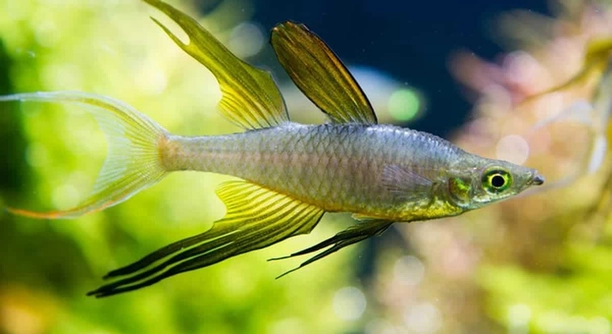
Do your aquariums sometimes feel like they have more surprises than you expect? Threadfins are small, curious fish that can behave in unusual ways when introduced to new substrates in their environment. Their reactions are often subtle yet intriguing, revealing unique behavioral patterns that can be both entertaining and informative for fish enthusiasts.
Threadfins exhibit a range of behaviors in response to new substrates, including cautious exploration, substrate nibbling, rapid swimming, partial burying, fin flicking, territorial displays, and temporary avoidance. These behaviors indicate sensory adaptation, environmental assessment, and comfort-seeking in unfamiliar conditions.
Observing these behaviors closely can provide valuable insights into threadfin habits and environmental preferences, helping aquarists create more suitable and enriching habitats for their fish.
Cautious Exploration
When threadfins encounter a new substrate, they often begin with slow, careful movements across the surface. They may hover just above the substrate, occasionally dipping their mouths or fins to sense texture and stability. This behavior helps them gather information about the environment before fully engaging. Sometimes they pause mid-swim, appearing hesitant, as if evaluating potential risks. Observing this stage can reveal their natural instincts for self-protection and spatial awareness. Over time, as they become familiar, their movements grow more confident and fluid. Cautious exploration is not only a way for threadfins to assess safety but also a method of learning about potential feeding zones, hiding spots, and areas to avoid. Aquarists can support this behavior by providing gentle lighting and avoiding sudden changes in water flow, which could disrupt their initial assessment and create stress.
This initial exploration period is essential for threadfins to adapt safely and establish comfort with their surroundings.
Providing an environment that encourages gentle exploration allows threadfins to reduce stress and gradually interact with new substrates more confidently. Observing their pacing and pauses offers insight into their sensory perception, revealing how they evaluate texture, stability, and potential threats. Subtle behaviors, like slight fin flicks or tentative mouth contact, indicate assessment processes, while repeated inspection of areas reflects memory development. Over several hours or days, threadfins may alternate between cautious hovering and brief contact with the substrate, gradually increasing time spent on unfamiliar surfaces. Aquarists can note these patterns to ensure the substrate is safe and appropriate. Variations in reaction can also highlight individual differences, showing some fish are bolder while others remain cautious longer. Providing a range of textures and hiding spaces supports natural behavior. Ultimately, understanding cautious exploration helps maintain a stress-free environment, ensuring threadfins thrive and engage fully with their habitat.
Substrate Nibbling
Threadfins sometimes nibble on new substrates to explore texture or taste. This behavior is natural and aids in environmental assessment.
Nibbling allows threadfins to detect possible food particles, chemical cues, or changes in surface composition. This action is both investigatory and instinctive. Over time, as they become familiar with the substrate, nibbling decreases, indicating comfort and adaptation. Monitoring this behavior can help aquarists determine substrate safety and suitability, particularly when introducing new materials. Threadfins may also use nibbling to stimulate their sensory receptors, which aids in spatial mapping of their habitat. Aquarists should ensure that substrates are non-toxic and smooth enough to prevent injury, as repeated nibbling could lead to abrasions on delicate fins or mouths. By observing nibbling patterns, it is possible to distinguish between curiosity-driven exploration and signs of stress or inadequate diet. Combining substrate choice with gradual introduction helps maintain healthy, engaged fish, promoting a balanced, responsive aquarium environment where threadfins can interact confidently with their surroundings.
Rapid Swimming
Rapid swimming is a common reaction when threadfins first encounter an unfamiliar substrate. They may dart across the tank, sometimes in short bursts, appearing more energetic than usual. This behavior signals both curiosity and an instinctive assessment of potential threats in the new environment.
This behavior occurs as threadfins attempt to map their surroundings quickly. They rely on sudden movements to gauge open spaces and evaluate safety. Rapid swimming helps them identify areas suitable for hiding or feeding while allowing them to escape perceived risks efficiently. During these bursts, they may change direction abruptly or accelerate, showing heightened alertness. Over time, as the fish become accustomed to the substrate, bursts of speed decrease, replaced by calmer movements. Observing these patterns helps aquarists understand how threadfins respond to novelty and adapt their environment accordingly, ensuring safety and comfort in the tank.
Frequent rapid swimming may indicate stress if the substrate is too sharp or unstable. Adjusting lighting, current, and placement can reduce unnecessary energy expenditure, allowing fish to explore safely. Monitoring these episodes reveals both individual differences and adaptation progress among threadfins.
Partial Burying
Threadfins occasionally partially bury themselves when interacting with new substrates. This behavior is often brief but indicates a combination of comfort-seeking and instinctive protection.
Partial burying allows threadfins to feel more secure while staying alert to surroundings. They use fins and bodies to displace substrate just enough to create a shallow covering, without fully concealing themselves. This action provides tactile feedback, helping them assess substrate texture and stability. The behavior also reduces stress by offering a sense of camouflage or shelter. It is especially common in tanks with soft or sandy substrates, which are easier to manipulate. By partially burying, threadfins can regulate exposure to open spaces, balancing curiosity with safety. Aquarists can observe frequency and depth of burying to determine comfort levels and ensure the substrate is suitable for long-term use.
This behavior demonstrates the adaptive strategies threadfins employ to navigate new environments safely. Adjusting substrate type and providing stable surfaces supports healthy exploration while minimizing stress, encouraging natural interactions with the tank’s bottom.
Fin Flicking
Fin flicking is a subtle reaction threadfins display when adjusting to new substrates. Small, quick movements of the fins help them sense changes in texture, water flow, and stability. It is a natural exploratory behavior that signals attentiveness to their environment.
Repeated fin flicking can indicate careful inspection or mild discomfort. Threadfins use these movements to test substrate safety before committing to walking or resting on it.
Territorial Displays
Threadfins may perform territorial displays when introduced to unfamiliar surfaces. They often posture, flare fins, or swim assertively to claim space and establish boundaries. This behavior communicates dominance to other fish and reinforces their comfort in the area.
Temporary Avoidance
Threadfins sometimes avoid new substrates entirely at first. They may hover above or swim around without contacting it, waiting for reassurance through gradual exposure.
FAQ
Why do threadfins react differently to various substrates?
Threadfins have sensitive fins and mouths that help them sense texture, temperature, and chemical composition. Different substrates provide varying levels of comfort and safety. Smooth sand, coarse gravel, or planted substrates trigger distinct exploratory and defensive behaviors, reflecting their natural instincts and adaptation strategies.
How long does it take for threadfins to adjust to a new substrate?
Adjustment time depends on the individual fish and substrate type. Some threadfins adapt within hours, while others may take several days. Monitoring their behavior, such as cautious exploration, nibbling, or partial burying, indicates gradual acclimation. Frequent stress signals suggest slower adaptation or unsuitability of the substrate.
Is nibbling harmful to threadfins?
Nibbling is generally safe if the substrate is non-toxic and smooth. It helps them explore and understand their environment. Rough or sharp materials can cause abrasions, so always choose appropriate substrates. Regular observation ensures they remain healthy while interacting with new surfaces.
Why do some threadfins swim rapidly over new substrates?
Rapid swimming often reflects curiosity or instinctive assessment of safety. It allows them to quickly identify open areas, hiding spots, or potential hazards. While this is normal, excessive darting may indicate stress, inadequate hiding places, or strong water currents. Adjusting the environment can reduce these bursts.
What is the purpose of partial burying?
Partial burying gives threadfins a sense of protection without full concealment. They displace substrate to create shallow coverage, balancing security with visibility. This behavior shows their natural instinct to seek shelter and evaluate substrate stability before fully settling. Soft or sandy substrates facilitate this behavior.
How does fin flicking help threadfins explore?
Fin flicking provides tactile feedback. By moving fins rapidly over surfaces, threadfins detect texture, movement, and depth. This subtle behavior allows them to assess new substrates safely, ensuring they can navigate without injury. It also helps them gauge water currents and surface stability.
Why do threadfins sometimes avoid new substrates entirely?
Avoidance is a cautious strategy. When unfamiliar with a surface, threadfins may hover above or swim around it to reduce risk. Gradual exposure, such as adding small sections of the new substrate over time, helps them become comfortable without forcing contact.
Do threadfins show territorial behavior over new substrates?
Yes, some threadfins assert control over areas they consider safe. Territorial displays include fin flaring, assertive swimming, and chasing other fish. These behaviors reinforce boundaries and comfort levels. Proper space and hiding areas reduce conflicts and promote calm interactions within the tank.
Can substrate type affect feeding habits?
Substrate influences feeding by affecting how food settles or hides. Fine sand may allow threadfins to forage naturally, while rough gravel can make food harder to access. Observing feeding behavior helps determine if the substrate supports natural foraging and ensures all fish get enough nutrition.
How can aquarists support threadfins during substrate changes?
Introduce new substrates gradually, observing responses carefully. Provide hiding spots and reduce strong currents to lower stress. Monitor behaviors such as nibbling, rapid swimming, and partial burying to assess adaptation. Choosing safe, smooth materials ensures both comfort and exploration opportunities.
Do individual threadfins react differently to the same substrate?
Yes, personality and prior experience influence behavior. Some fish are bold and explore quickly, while others remain cautious. Recognizing these differences helps tailor tank conditions, including substrate type and layout, to support all individuals comfortably.
Are frequent substrate changes recommended?
Frequent changes can increase stress and disrupt adaptation. Limiting modifications allows threadfins to adjust fully and reduces defensive or avoidance behaviors. If changes are necessary, gradual introduction with observation ensures minimal disruption and supports natural interaction with the environment.
What signs indicate a substrate is unsuitable?
Signs include persistent rapid swimming, excessive nibbling on hard surfaces, repeated avoidance, or visible injuries. Fish that refuse to settle or show stress behaviors may be signaling that the substrate is too rough, unstable, or chemically unsuitable for prolonged contact.
Can threadfins adapt to mixed substrates?
Yes, combining soft and coarse areas can satisfy both exploration and security needs. Threadfins may prefer certain sections for resting or partial burying while using others for active swimming. Observing preference patterns helps refine substrate layout for both comfort and stimulation.
How does substrate depth influence threadfin behavior?
Deeper layers allow more thorough partial burying and encourage natural digging. Shallow substrates may limit these behaviors, reducing tactile exploration. Ensuring sufficient depth supports both comfort and instinctive actions like hiding, exploring, and establishing temporary territories.
Is it normal for threadfins to ignore new substrates initially?
Yes, initial hesitation is common. Threadfins may hover or swim around the area without contact, relying on gradual assessment before exploring. Patience and consistent monitoring allow natural acclimation, reducing stress while encouraging safe interaction with new surfaces.
How can lighting affect substrate reactions?
Lighting impacts visibility and perceived safety. Bright or fluctuating light may increase rapid swimming or avoidance, while soft, steady lighting encourages exploration and natural behaviors. Adjusting light intensity helps threadfins feel secure during substrate changes.
Do temperature changes influence substrate interaction?
Temperature affects activity levels and comfort. Sudden changes may increase stress, leading to avoidance or erratic swimming. Maintaining stable water conditions ensures consistent interaction with the substrate and supports healthy behavior patterns.
Can substrate changes impact social dynamics?
Yes, new surfaces may trigger territorial or dominance behaviors, affecting interactions between fish. Providing multiple zones and hiding spots helps reduce competition and stress, allowing threadfins to explore without conflict while maintaining balanced social behavior.
What is the best approach to observe threadfin substrate reactions?
Observe quietly and consistently, noting behaviors like nibbling, fin flicking, rapid swimming, partial burying, or avoidance. Document patterns to assess adaptation, stress levels, and substrate suitability. Gradual exposure and appropriate tank setup enhance both observation opportunities and fish well-being.
Are there long-term benefits to introducing new substrates?
Yes, varied substrates stimulate natural behaviors, reduce boredom, and improve physical health. Threadfins that explore safely engage their senses and develop confidence, contributing to overall well-being and a more dynamic, interactive aquarium environment.
How should aquarists handle substrate-related injuries?
If abrasions or fin damage occur, isolate affected fish if needed and provide smooth, safe substrates. Monitor healing and avoid repeated exposure to rough surfaces. Proper care and substrate selection prevent recurrence and support recovery.
Can substrate type influence breeding behavior?
Certain substrates support natural spawning activities, offering suitable textures or hiding spaces. Soft, fine substrates are often preferred for partial burying of eggs or creating secure areas for fry. Observing reactions helps optimize conditions for reproductive success.
Is it normal for threadfins to return to avoided substrates later?
Yes, gradual acclimation often leads to exploration and acceptance. As confidence increases, previously avoided areas may become part of their regular habitat, demonstrating adaptive behavior and successful environmental integration.
How often should substrate be monitored?
Regular observation is essential, especially during initial introduction or after changes. Weekly checks ensure safety, detect stress behaviors early, and allow adjustments to maintain comfort and encourage natural interactions.
Do all threadfins exhibit the same reactions simultaneously?
No, individual differences are common. Some fish explore boldly, while others remain cautious or avoid certain substrates entirely. Recognizing these differences allows aquarists to provide tailored support for each fish’s adaptation and comfort.
Can substrate changes improve tank aesthetics without stressing fish?
Yes, careful selection and gradual introduction of new materials enhance visual appeal while minimizing stress. Smooth, non-toxic substrates with varied textures allow natural behavior while keeping the tank visually interesting and safe.
What should be avoided when changing substrates?
Avoid sudden large-scale replacements, sharp or toxic materials, and excessive disturbance of tank inhabitants. Gradual introduction, combined with monitoring behavior and maintaining stable conditions, ensures safe adaptation and reduces stress for threadfins.
How does substrate type affect cleaning routines?
Different substrates require different maintenance. Fine sand may trap debris, while gravel allows water flow and easier siphoning. Observing how threadfins interact can guide cleaning frequency, ensuring both fish health and substrate longevity.
Are there signs of stress specific to substrate changes?
Yes, signs include prolonged avoidance, erratic swimming, fin damage, loss of appetite, or excessive hiding. Recognizing these early helps aquarists adjust substrates and environmental conditions to reduce stress and maintain fish well-being.
What role does substrate play in sensory stimulation?
Substrates provide tactile feedback, visual contrast, and feeding opportunities. Interaction with varied textures supports natural exploration, encourages healthy movement, and satisfies instinctive behaviors, contributing to a more dynamic and engaging habitat for threadfins.
How can multiple substrates benefit tank dynamics?
Combining soft and coarse areas supports exploration, hiding, and territorial behaviors. Fish can choose preferred zones, reducing stress and promoting natural activity patterns. Observing preferences allows for optimized layout that balances stimulation and comfort across the tank.
Is it normal for substrate reactions to change over time?
Yes, as threadfins become familiar, behaviors like avoidance or rapid swimming often decrease, while exploration and comfort increase. Continuous observation ensures adaptation is progressing safely and that the substrate remains suitable for long-term habitation.
Can substrate changes impact overall fish health?
Safe and appropriate substrates support physical activity, natural behaviors, and stress reduction, contributing to improved immunity and overall well-being. Poorly chosen materials, however, may increase injuries, stress, and behavioral issues, affecting health negatively.
How should substrate changes be documented?
Keep records of fish reactions, time spent exploring, and any injuries or avoidance behaviors. Documentation helps track adaptation, identify issues, and refine tank setup to optimize conditions for threadfins over time.
What is the simplest way to introduce new substrates?
Gradual addition, small sections at a time, combined with stable water conditions and hiding areas, ensures safe interaction and allows threadfins to acclimate without stress. Observing behavior during this process confirms acceptance and suitability.
How does substrate influence overall tank behavior?
It shapes movement patterns, exploration, feeding, territoriality, and stress responses. Appropriate substrates support natural behaviors, reduce anxiety, and encourage active, healthy interactions among threadfins in the tank environment.
Are there specific substrates that threadfins prefer?
Soft, fine-textured substrates like sand are often favored for exploration and partial burying. Coarse gravel may be tolerated but can reduce certain behaviors. Observing individual preferences helps choose the most suitable substrate for a balanced tank setup.
Do substrate reactions vary with tank size?
Yes, larger tanks may encourage more exploration and territorial displays, while smaller tanks may amplify avoidance or stress. Matching substrate type and layout to tank size supports natural behavior and comfort for threadfins.
Can observing substrate reactions predict future behavior?
Yes, patterns in exploration, avoidance, and interaction can indicate stress tolerance, adaptability, and activity levels. Understanding these tendencies helps aquarists provide optimal conditions for long-term health and engagement.
How can I encourage positive substrate interactions?
Provide stable, non-toxic substrates, offer hiding areas, maintain consistent water conditions, and introduce new surfaces gradually. Positive reinforcement occurs naturally as threadfins gain confidence and explore comfortably.
Is it normal for some fish to never fully interact with certain substrates?
Yes, individual differences mean some threadfins may consistently avoid specific textures or depths. Respecting these preferences prevents stress and ensures overall tank harmony.
How does substrate choice influence aesthetic and functional design?
It affects both visual appeal and fish behavior. Combining textures and colors creates attractive environments while supporting exploration, feeding, and comfort, allowing threadfins to express natural behaviors safely.
What are key signs that a substrate is successful?
Indicators include calm exploration, reduced avoidance, partial burying, normal feeding patterns, and minimal stress behaviors. These show threadfins are comfortable and interacting naturally with the environment.
How often should new substrates be tested?
Regular observation during the first few days or weeks is critical. Continuous monitoring ensures that fish are adapting and that the substrate supports natural behavior without causing stress or injury.
Can substrate changes improve fish engagement?
Yes, introducing varied textures, depths, and zones stimulates activity and exploration, keeping threadfins engaged, reducing boredom, and supporting both physical and mental well-being.
Do substrate reactions differ between juveniles and adults?
Yes, juveniles may be more cautious or curious, while adults display established territorial and exploratory behaviors. Recognizing age-related differences helps tailor substrate choice and placement for optimal adaptation.
How do I balance aesthetics and safety in substrate selection?
Choose non-toxic, smooth materials with appealing colors or textures. Gradual introduction and observation ensure fish safety while maintaining an attractive tank environment. Balancing visual appeal with functionality supports healthy behavior.
Are there specific signs of substrate satisfaction?
Threadfins interacting confidently, exploring evenly, resting comfortably, and showing minimal stress indicate the substrate is suitable and supportive of their natural behaviors.
How does substrate texture affect movement?
Soft or fine substrates allow smooth swimming, partial burying, and foraging. Coarse or uneven surfaces may restrict movement, increase stress, or discourage natural behaviors. Selecting appropriate textures ensures safe, comfortable activity.
What adjustments can help reluctant fish explore new substrates?
Introduce small areas gradually, provide hiding spots nearby, maintain gentle lighting, and minimize tank disturbances. Encouragement through a stable, safe environment fosters gradual adaptation without forcing interaction.
Can substrate preference change seasonally or with water conditions?
Yes, variations in temperature, lighting, or water chemistry can influence comfort and interaction levels. Monitoring environmental factors alongside substrate response ensures ongoing suitability.
Are there behavioral signs that substrate is too stimulating?
Overactive darting, repeated fin flicking, or avoidance indicate overstimulation. Reducing exposure, providing calm areas, or adjusting substrate texture helps threadfins regain comfort and reduce stress.
Is it normal for threadfins to test new substrates multiple times?
Yes, repeated assessment is part of natural behavior. Multiple interactions indicate careful evaluation and gradual acclimation, helping fish establish confidence and safe use of the substrate.
Can substrate changes impact long-term tank maintenance?
Yes, selecting appropriate materials affects debris accumulation, water flow, and cleaning ease. Proper choices reduce maintenance while supporting natural fish behaviors and a healthy aquatic environment.
How does substrate layout influence social dynamics?
Varied zones allow threadfins to establish personal spaces, reducing conflicts. Observing use patterns helps optimize placement for comfort, exploration, and territorial behaviors.
Are there specific behaviors that indicate substrate stress?
Avoidance, rapid swimming, excessive nibbling, fin damage, or hiding for prolonged periods suggest stress. Monitoring these helps identify unsuitable materials or environmental adjustments needed.
Can introducing multiple substrate types benefit fish development?
Yes, exposure to different textures encourages sensory stimulation, exploration, and adaptive behaviors. Mixed substrates support confidence, physical activity, and overall well-being.
Is it normal for threadfins to ignore part of a new substrate indefinitely?
Yes, personal preference or prior experience may lead some fish to consistently avoid certain areas. Respecting these tendencies prevents stress and supports a balanced tank environment.
How can substrate reactions guide future tank design?
Observation informs optimal substrate types, layouts, and zones for comfort, exploration, and social interactions. Tailoring the tank to fish responses ensures long-term well-being and engagement.
Can substrate interaction indicate overall fish health?
Yes, confident exploration, nibbling, partial burying, and calm swimming suggest healthy, comfortable fish. Avoidance, stress, or injury signals may indicate environmental or health issues needing attention.
How often should I review substrate suitability?
Regularly, especially after changes in fish population, tank size, or environmental conditions. Continuous observation ensures the substrate remains safe, supportive, and conducive to natural behavior.
Can substrate influence breeding success?
Yes, suitable textures and depths can encourage natural reproductive behaviors, including spawning, partial burying of eggs, and fry protection. Observation helps ensure breeding-friendly conditions.
Is it normal for reactions to vary day to day?
Yes, minor differences in behavior are natural due to mood, energy levels, and environmental factors. Consistent patterns over time are a more reliable indicator of comfort and suitability.
Can gradual introduction prevent stress during substrate changes?
Yes, adding small sections progressively allows threadfins to acclimate safely. Combining observation with stable environmental conditions minimizes stress and encourages natural interaction.
Are there substrate types to avoid entirely?
Sharp, rough, or chemically unsafe materials should never be used. These increase risk of injury, stress, or behavioral problems, compromising fish health and comfort.
Does substrate type affect water quality?
Yes, certain substrates can trap debris or alter flow, impacting cleanliness and chemical balance. Choosing appropriate materials ensures stable water conditions and a healthy environment for threadfins.
Can substrate changes improve mental stimulation?
Yes, varied textures, depths, and hiding zones encourage exploration, foraging, and interactive behaviors. Proper stimulation reduces boredom and promotes active, healthy fish.
How does substrate placement affect interaction patterns?
Strategic layout provides safe pathways, hiding spots, and exploration zones. Observing use informs adjustments that balance comfort, stimulation, and territorial behavior.
What are the safest substrates for threadfins?
Soft sand, smooth gravel, and non-toxic synthetic materials allow natural behaviors without causing abrasions or injury. Proper selection ensures safety, comfort, and long-term tank stability.
How should substrate changes be introduced in a multi-species tank?
Gradually and strategically, allowing space for each species to explore independently. Monitor reactions to prevent stress or conflict, ensuring all fish adapt comfortably to new surfaces.
Can substrate choices influence fish activity levels?
Yes, comfortable and varied substrates encourage swimming, foraging, and interaction. Unsuitable surfaces may reduce movement or increase stress behaviors, affecting overall activity.
Is it normal for threadfins to combine behaviors?
Yes, they may nibble, flick fins, partially bury, and explore simultaneously. Observing combinations provides insight into comfort, adaptation, and environmental suitability.
Do substrate reactions provide insight into individual temperament?
Yes, cautious versus bold behaviors indicate personality differences. Recognizing these helps tailor tank conditions to each fish, ensuring comfort and safety.
Can improper substrate cause long-term behavioral changes?
Yes, prolonged stress, avoidance, or injury may alter natural behaviors. Selecting suitable substrates from the start supports healthy development and long-term well-being.
How can I encourage positive interactions with new substrates?
Gradual introduction, stable environmental conditions, hiding spots, and observation allow threadfins to explore safely, promoting confidence and natural behaviors over time.
Are there seasonal variations in substrate interactions?
Yes, temperature, light, and water chemistry changes may affect activity, exploration, and avoidance behaviors. Monitoring ensures continued comfort and adaptation.
How can substrate choices improve overall tank harmony?
Providing zones for resting, hiding, and exploration reduces conflict, stress, and competition. Suitable layouts encourage natural behaviors and support balanced social interactions among thread
Threadfins are small fish with surprisingly complex behaviors, especially when interacting with new substrates in their environment. Observing how they respond to changes in texture, depth, and composition can reveal a lot about their instincts and comfort levels. Some threadfins will explore cautiously, nibble gently, flick their fins, or even partially bury themselves, while others may dart quickly or avoid the surface entirely. Each reaction is a normal part of their sensory assessment and helps them determine whether an area is safe, suitable for resting, or worth further exploration. Understanding these behaviors allows aquarists to provide environments that meet both the physical and psychological needs of their fish. By selecting substrates carefully and monitoring fish behavior, it is possible to create a habitat where threadfins feel secure and encouraged to display natural instincts.
Providing the right substrate is not just about appearance; it directly impacts fish well-being. Soft, smooth surfaces allow threadfins to perform behaviors like partial burying or gentle nibbling without risk of injury. In contrast, rough or sharp materials may lead to stress, abrasions, or avoidance behaviors that reduce overall activity. Mixed substrates, combining soft areas with coarser zones, can offer a balance of comfort and stimulation, giving fish choices for resting, exploring, or establishing territories. Lighting, water flow, and tank layout further influence how threadfins interact with their surroundings. Careful observation during the introduction of a new substrate can reveal subtle preferences and indicate whether adjustments are necessary. Taking the time to understand each fish’s response helps maintain both health and natural activity levels, ensuring a more dynamic and engaging aquarium environment.
Over time, threadfins generally become more confident as they acclimate to their surroundings. Avoidance behaviors decrease, exploration increases, and activities such as nibbling and fin flicking become more controlled. Regular observation allows aquarists to identify patterns and adapt the tank to the needs of individual fish, providing hiding areas, stable surfaces, and appropriately textured zones. Even small adjustments can significantly improve comfort and reduce stress, leading to healthier, more active fish. Understanding threadfin responses to substrates also supports feeding, social interactions, and overall tank harmony. Paying attention to these details ensures that the aquarium remains a safe, enriching environment. Thoughtful substrate selection and gradual introduction not only encourage natural behaviors but also strengthen the bond between caretaker and fish, making daily maintenance more predictable and rewarding. Properly managed, the habitat becomes a space where threadfins can thrive, explore, and express their instincts safely.

Hello,
If you enjoy the content that we create, please consider saying a "Thank You!" by leaving a tip.
Every little bit helps us continue crafting quality advice that supports the health, happiness, and well-being of pets around the world, for pets of all shapes, sizes, and species.
We really appreciate the kindness and support that you show us!