
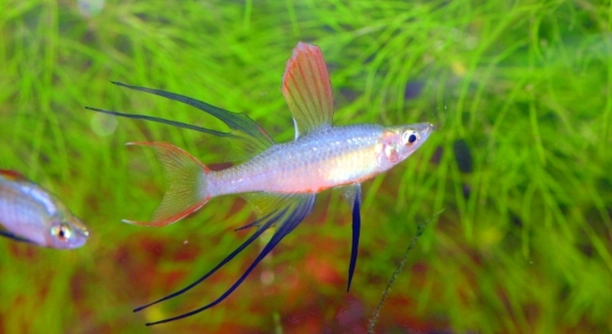
Introducing threadfin fry to a new tank can be an exciting yet delicate process. These small fish are sensitive to sudden changes, and careful attention is required to ensure they settle comfortably in their new environment.
When introducing threadfins to fry, it is essential to acclimate them slowly, monitor water conditions closely, and provide gentle feeding schedules. Proper care minimizes stress, reduces mortality rates, and promotes healthy growth during this critical early stage.
Understanding these initial steps will help establish a stable environment for your fry. Small adjustments can make a significant difference in their survival and development.
Preparing the Tank for Threadfin Fry
The first step in introducing threadfin fry is setting up a safe and suitable environment. The tank should be thoroughly cleaned, with no traces of chemicals or residues. Fill it with fresh, dechlorinated water and ensure a gentle filtration system is in place to maintain water quality without disturbing the fry. The water temperature must be stable, ideally between 25 and 28°C, to mimic their natural conditions. Adding small hiding spots, such as plants or floating moss, helps fry feel secure and reduces stress. Lighting should be soft and consistent, avoiding harsh direct light that can overwhelm them. Regularly testing pH, ammonia, nitrite, and nitrate levels is essential, as fry are sensitive to fluctuations. Even minor changes can affect feeding behavior and growth. Preparing the tank thoroughly ensures that the fry have the best chance to thrive in a controlled and nurturing environment, reducing stress-related complications.
A well-prepared tank helps fry settle quickly, reduces stress, and encourages healthy feeding behavior.
Proper tank setup establishes a stable foundation for their growth. With controlled temperature, clean water, and hiding areas, fry feel safe and can focus energy on development. Consistent monitoring and gradual adjustments prevent sudden stress, keeping them healthy while they adapt to their surroundings.
Acclimating Threadfin Fry
Acclimating fry slowly to their new tank is critical for survival.
Start by floating the transport container in the tank to match water temperature. Gradually add small amounts of tank water to the container over 30 to 60 minutes, allowing fry to adjust to pH and hardness differences. Avoid rushing this step, as sudden changes can be fatal. Gentle aeration helps keep oxygen levels stable during the process, and using a soft net prevents injuries when transferring fry. Observing their behavior during acclimation provides early signs of stress, letting you take immediate corrective measures. Even minor temperature or chemical differences can shock fry, so patience is essential. This method minimizes mortality and ensures fry are ready to explore their new environment confidently.
Once acclimated, introduce fry to the main tank carefully, maintaining calm conditions. Gradually increase feeding frequency with small portions of appropriate food. Monitor growth and health over the next few weeks, adjusting water quality and feeding practices as necessary. Keeping a close eye during the first days ensures early detection of illness or stress. Regular cleaning, gentle water changes, and careful observation support a thriving population. Consistency in these practices prevents sudden setbacks and allows fry to develop steadily. Over time, a well-acclimated group of fry will adapt smoothly, showing active swimming, regular feeding, and overall vitality, making management simpler and more predictable.
Feeding Threadfin Fry
Feeding threadfin fry requires small, frequent meals to support rapid growth. Use finely crushed flakes, micro-pellets, or live foods like infusoria to match their tiny mouths. Avoid overfeeding, as leftover food can foul water and harm fry.
A proper feeding routine ensures fry develop strong immune systems and healthy growth. Start with two to three meals daily, observing how much they consume each time. Remove uneaten food promptly to maintain water quality and prevent bacterial growth. Live foods stimulate natural hunting behavior, encouraging activity and overall vitality. Over time, gradually introduce powdered or micro-pellet options to prepare fry for standard diets.
Monitoring growth during feeding is crucial. Uneven growth or sluggish behavior may indicate underfeeding or water issues. Adjust portion sizes and frequency based on observation. Healthy fry display active swimming, regular feeding, and responsiveness. Consistency in food type, timing, and quantity helps fry thrive while reducing stress and mortality, creating a stable environment for their development.
Maintaining Water Quality
Regular water changes are vital to maintain safe conditions. Replace 10–15% of water daily or 25% every few days, using dechlorinated water.
Monitor key parameters like temperature, pH, ammonia, nitrites, and nitrates consistently. Even minor fluctuations can stress fry, affecting feeding and growth. Using a sponge filter prevents fry from being sucked into filtration while keeping the water clean. Gentle aeration maintains oxygen levels, particularly in densely stocked tanks. Removing debris and uneaten food prevents toxin buildup and supports healthy development. A well-maintained tank reduces disease risk and fosters active fry behavior.
Consistency is key in water management. Sudden changes can shock fry and increase mortality. Maintaining stable conditions through gradual water changes, careful testing, and proper filtration ensures a supportive environment. Track trends rather than single measurements to identify potential issues early. Establishing a routine for cleaning, monitoring, and adjusting water quality reduces stress, promotes growth, and prevents common complications. Over time, consistent water maintenance becomes a simple habit that directly impacts the fry’s health and development, making long-term care more manageable and predictable.
Observing Behavior
Watching threadfin fry closely helps detect early signs of stress or illness. Active swimming, alertness, and regular feeding indicate healthy development, while lethargy or unusual hiding may signal issues needing attention.
Behavior changes often reflect water quality or feeding problems. Immediate adjustments can prevent further complications and improve overall survival rates.
Tank Environment Adjustments
Adjusting the tank environment supports fry growth and comfort. Adding more plants or floating moss creates hiding spots, reducing stress. Slightly increasing water flow or oxygenation can encourage activity without overwhelming fry. Regularly trim plants to prevent overcrowding. Subtle environmental tweaks help fry feel secure, promoting healthy behavior and feeding. Consistent lighting schedules prevent disruption to their natural rhythms, maintaining a stable daily cycle. Maintaining proper temperature and avoiding sudden changes in conditions ensures fry remain comfortable and continue growing at a steady rate. Environmental adjustments, though small, have a significant impact on fry development.
Monitoring Health
Check fry regularly for signs of disease, injury, or malnutrition. Early detection is crucial for intervention and recovery.
Keep a close eye on fins, coloration, and activity levels to ensure fry remain strong and thriving.
FAQ
How often should I feed threadfin fry?
Threadfin fry require small, frequent meals to support growth. Start with two to three feedings per day using finely crushed flakes, micro-pellets, or live foods like infusoria. Remove uneaten food to prevent water contamination. Gradually increase meal size as they grow, but avoid overfeeding to maintain water quality.
What water temperature is best for fry?
A stable temperature between 25 and 28°C works best for threadfin fry. Sudden fluctuations can stress them, affecting feeding and growth. Use a reliable heater and thermometer to monitor water conditions daily. Adjust gradually if needed to avoid shocking the fry.
How do I acclimate fry to a new tank?
Float the transport container in the tank to match water temperature. Slowly add small amounts of tank water over 30–60 minutes, allowing fry to adjust to differences in pH and hardness. Transfer fry gently with a soft net to avoid injury.
How can I tell if my fry are stressed?
Signs of stress include lethargy, hiding excessively, loss of appetite, and erratic swimming. Stress often results from poor water quality, overcrowding, or abrupt changes in environment. Immediate corrective actions like water changes or adjusting feeding can reduce stress and improve survival.
What type of filtration should I use?
A gentle sponge filter is ideal for threadfin fry. It provides biological filtration without sucking in small fry. Regularly clean the filter sponge using tank water to prevent buildup without harming beneficial bacteria. Avoid strong currents that may exhaust or injure fry.
How much water should I change and how often?
Daily water changes of 10–15% or 25% every few days maintain safe conditions. Always use dechlorinated water at the same temperature as the tank. This prevents buildup of ammonia, nitrites, and other harmful compounds that can stress or kill fry.
Can I keep other fish with threadfin fry?
It is best to keep fry separate from larger or aggressive species. Other fish may eat or stress the fry. If keeping multiple fry groups together, ensure the tank is spacious and has plenty of hiding spots to reduce competition.
What is the best food to start with?
Start with live foods like infusoria, newly hatched brine shrimp, or finely crushed flake food. These are easy for fry to consume and encourage natural hunting behaviors. Gradually introduce micro-pellets as they grow to develop dietary variety.
How long does it take for fry to grow noticeably?
Growth depends on water quality, feeding, and tank conditions. Typically, fry show visible growth within two to four weeks when given proper care. Regular monitoring and consistent feeding ensure steady, healthy development.
What signs indicate disease in fry?
Look for faded coloration, frayed fins, bloating, abnormal swimming, or clamped fins. Early detection is crucial. Quarantine affected fry if possible and adjust water conditions or administer appropriate treatment based on the specific issue.
How do I prevent water quality issues?
Feed small portions, remove uneaten food promptly, perform regular water changes, and monitor pH, ammonia, nitrite, and nitrate levels. Proper filtration, gentle aeration, and consistent temperature control also prevent sudden water quality problems that stress fry.
When should I start adding plants or decorations?
Introduce plants or floating moss from the beginning. They provide hiding spots and reduce stress. Avoid overcrowding, and trim plants regularly to maintain swimming space. Decorations should be smooth with no sharp edges to prevent injuries.
Can fry survive without live food?
Yes, but live foods encourage natural feeding behavior and better growth. If using powdered or crushed flake food, ensure it is finely ground and offered frequently. Slowly transitioning to prepared foods helps fry adapt without stress.
How do I maintain consistent lighting?
Use a timer for lights, keeping them on for 10–12 hours daily. Avoid abrupt changes and direct sunlight, which can stress fry. Consistent lighting helps maintain feeding patterns and normal behavior, supporting healthy growth.
What is the ideal tank size for threadfin fry?
A small, well-maintained tank works for initial fry stages, but larger tanks provide room for growth and reduce competition. Ensure space for hiding spots and swimming. Overcrowding can increase stress, slow growth, and increase mortality rates.
How can I tell if fry are eating enough?
Healthy fry actively chase food and appear plump with steady growth. If some fry are consistently smaller, separate them temporarily or increase feeding frequency in small amounts to ensure all fry get adequate nutrition.
Are sudden water changes harmful?
Yes. Sudden water changes can shock fry due to temperature, pH, or chemical differences. Gradual adjustments and partial water changes prevent stress and ensure fry adapt safely to new water conditions.
How do I prevent fungus or bacterial infections?
Maintain clean water, remove uneaten food, and avoid overcrowding. Quarantine new additions. Healthy fry in stable conditions are less prone to disease. Observing behavior daily helps catch infections early and improves recovery chances.
How long should I monitor fry closely?
The first few weeks are critical. Daily observation for feeding, behavior, and water quality ensures early detection of issues. As fry grow and stabilize, monitoring can be slightly less frequent, but routine checks remain important for ongoing health.
Can I use tap water directly for the tank?
No. Always dechlorinate tap water before adding it to the tank. Chlorine or chloramine can be fatal to fry. Adjust temperature and pH if necessary to match tank conditions before any water changes.
Is it normal for fry to hide a lot?
Yes, especially during acclimation. Fry feel safer among plants and hiding spots. Gradually, as they adapt and stress decreases, they become more active and visible, displaying healthy swimming and feeding behavior.
How often should I test water parameters?
Daily testing is recommended during the first weeks. Check temperature, pH, ammonia, nitrite, and nitrate levels. Regular monitoring allows quick correction of any issues, preventing stress and potential mortality.
What is the best way to transfer fry to a new tank?
Use a soft net or cup, moving slowly to avoid injuries. Ensure water parameters are matched between tanks. Avoid sudden changes in temperature or pH. Introduce them gradually to allow adaptation and minimize stress.
How can I tell if fry are thriving?
Active swimming, steady growth, bright coloration, and regular feeding indicate thriving fry. Healthy fry show responsiveness to their environment and minimal signs of stress or illness. Consistent care and proper tank conditions support their continued development.
Can fry live with slightly different water parameters?
Minor differences can be tolerated if changes are gradual. Sudden shifts in temperature, pH, or hardness can stress or kill fry. Slowly acclimating fry to new conditions ensures safety and supports healthy growth.
What is the maximum safe density for fry?
Avoid overcrowding. A low fry-to-water ratio ensures each fish has adequate space, reduces competition, and prevents stress. Adequate swimming room and hiding spots improve survival rates and promote healthy development.
How long do I need to maintain special care?
Special care is most critical during the first few weeks. After fry grow stronger, they can handle more stable conditions with less frequent adjustments. However, routine feeding, water maintenance, and observation remain necessary for continued health.
Can stress affect long-term growth?
Yes. Stress slows growth, reduces appetite, and weakens immunity. Maintaining consistent water conditions, proper feeding, and gentle handling minimizes stress, helping fry grow steadily and remain healthy over time.
How do I gradually change their diet?
Start with live foods or finely crushed flakes, then slowly introduce micro-pellets or larger flakes over days to weeks. Mixing old and new foods helps fry adapt without refusing meals or experiencing digestive issues.
Is it normal for fry to fight occasionally?
Minor squabbles can occur, especially around food, but prolonged aggression is a sign of overcrowding or stress. Separate fry if necessary or provide more hiding spots to reduce conflict.
What should I do if a fry dies suddenly?
Remove the fish immediately and check water quality. Sudden deaths may indicate illness, poor water conditions, or environmental stress. Monitor the remaining fry closely and adjust care as needed.
Can I breed fry in the same tank eventually?
Once fry grow and reach maturity, separate tanks are recommended for breeding to avoid overcrowding and aggression. Proper care ensures healthy adult fish capable of successful reproduction.
How do I know when fry are ready for a larger tank?
Fry are ready when they are strong, active, and consistently feeding. Signs include steady growth, vibrant coloration, and minimal stress during daily care. Gradual transfer helps them adjust safely to new conditions.
Are there signs of overfeeding?
Leftover food, cloudy water, and sluggish behavior indicate overfeeding. Adjust portion sizes and remove uneaten food promptly to maintain water quality and prevent fry stress or illness.
Can fry tolerate different lighting schedules?
Consistent light cycles are best. Sudden changes or excessive light can stress fry. A timer helps maintain a stable schedule of 10–12 hours daily, supporting normal feeding and activity patterns.
How do I maintain oxygen levels in the tank?
Gentle aeration or sponge filters help maintain oxygen without stressing fry. Avoid strong currents, but ensure enough circulation to support healthy respiration and water quality.
What are common mistakes to avoid with threadfin fry?
Overfeeding, sudden water changes, overcrowding, aggressive tankmates, and inconsistent monitoring are common errors. Avoiding these mistakes improves survival rates, growth, and overall health of the fry.
How important is patience in raising fry?
Patience is essential. Fry are delicate and require careful observation, gradual adjustments, and consistent care. Rushing feeding, acclimation, or environmental changes can lead to stress, disease, or death. Steady, attentive care ensures healthy development.
What should I do if fry refuse food?
Check water quality, feeding type, and timing. Try live foods or smaller portions. Observe for signs of stress or illness and adjust care accordingly. Consistency often encourages reluctant fry to feed normally.
Can temperature drops be fatal?
Yes. Threadfin fry are sensitive to temperature changes. Sudden drops can shock or kill them. Maintain stable conditions and adjust gradually if necessary to avoid harm.
Is it necessary to quarantine new fry?
Quarantine prevents the introduction of disease or parasites. Observing new fry separately allows early detection of health issues before mixing them with established populations.
How do I reduce stress during maintenance?
Perform gentle water changes, avoid abrupt movements, maintain consistent temperature, and provide hiding spots. Minimizing disturbances helps fry remain calm and healthy during routine care.
What tools are essential for fry care?
Reliable thermometer, water test kits, sponge filter, soft net, and dechlorinator are essential. These tools help maintain stable conditions, monitor health, and support safe handling of fry.
How long before fry can handle normal feeding schedules?
After several weeks of consistent growth and adjustment to the tank, fry can transition to less frequent feeding with larger portions, though small, frequent meals remain beneficial initially.
Can overcrowding cause disease?
Yes. Crowding increases stress, competition, and waste buildup, making fry more susceptible to infections. Adequate space and hiding spots reduce these risks.
What should I do if water parameters suddenly spike?
Perform a partial water change with dechlorinated water at the same temperature. Remove uneaten food and monitor fry closely. Gradual adjustments prevent shock and stress.
Are threadfin fry fragile compared to other fish?
Yes. They are highly sensitive to water quality, temperature, and handling. Extra care during feeding, acclimation, and tank management is crucial to ensure survival and healthy development.
How can I encourage healthy growth?
Maintain stable water conditions, provide frequent small meals, reduce stress, and monitor fry behavior. Adequate space, hiding spots, and gentle handling all contribute to strong, thriving fry.
When is the right time to stop special care routines?
After fry grow stronger and reach juvenile stages, they tolerate standard feeding and tank management. Routine observation and water maintenance should continue to ensure long-term health.
Can I use fertilizers or chemicals in fry tanks?
No. Chemicals or fertilizers can be toxic to fry. Keep the tank free of additives, focusing on clean water, proper feeding, and gentle care to maintain a safe environment.
How do I manage uneaten food effectively?
Use small portions, remove leftovers promptly, and clean the substrate gently if needed. Preventing accumulation maintains water quality and reduces risk of disease.
Is it normal for fry to grow at different rates?
Yes. Variations are common. Monitor smaller fry closely, adjust feeding, or separate if necessary to ensure all fry get enough nutrition and space for healthy growth.
How do I handle fry safely?
Use a soft net or cup, avoid sudden movements, and keep hands clean. Gentle handling prevents injuries and reduces stress. Only move fry when necessary.
Can fry survive without hiding spots?
They may survive, but hiding spots reduce stress and provide security. Plants or moss help fry feel safe and encourage natural behavior.
How often should I clean the tank?
Partial cleaning during water changes and substrate maintenance is sufficient. Avoid over-cleaning, which can disrupt beneficial bacteria essential for fry health.
What is the role of aeration in fry tanks?
Aeration maintains oxygen levels without strong currents. Proper oxygen supports respiration and overall fry health, especially in densely stocked or warmer tanks.
Can fry tolerate different pH levels?
They can handle slight differences if changes are gradual. Sudden shifts in pH can stress or kill fry, so monitoring and careful adjustment are important.
Are there signs of dehydration or poor hydration?
Fry do not show dehydration like land animals, but lethargy, poor feeding, and abnormal swimming can indicate stress or water quality issues. Immediate corrective measures are necessary.
How do I prevent sudden temperature drops at night?
Use a stable heater and avoid drafts. Gradual cooling is less stressful than abrupt changes. Monitor with a thermometer regularly to ensure safe conditions.
Can I keep fry with adults of the same species?
Not recommended. Adults may outcompete or eat fry. Separate tanks ensure fry safety and allow controlled feeding and monitoring.
What is the maximum safe number of fry per liter?
Keep densities low to reduce stress, competition, and waste buildup. Adequate space and hiding spots improve survival and growth, ensuring fry develop healthily.
How do I ensure consistent feeding for multiple fry?
Divide food into small portions and distribute evenly. Observe all fry eating and adjust amounts as necessary to prevent competition and ensure all fry receive nutrition.
Are sudden noises or vibrations harmful?
Yes. Fry are sensitive to vibrations and sudden disturbances. Keep the tank in a quiet, stable location to minimize stress and support healthy development.
How do I manage tank algae without harming fry?
Remove algae manually or introduce harmless algae-eaters if appropriate. Avoid chemical treatments, as they can be toxic to fry. Regular cleaning and light management reduce algae growth safely.
Can fry survive in slightly cooler water?
Slightly cooler water slows metabolism and growth but may not be fatal. Avoid abrupt drops and maintain stable conditions to reduce stress and prevent mortality.
What is the best way to gradually increase tank size?
Move fry to larger tanks slowly, matching water parameters. Introduce hiding spots and allow adaptation over several hours to minimize stress. Avoid sudden transfers to prevent shock.
How do I handle fry during emergencies?
Keep spare dechlorinated water, nets, and containers ready. Act calmly, maintaining temperature and water quality during any transfer or emergency intervention. Immediate action reduces mortality risk.
Can fry survive without frequent observation?
Frequent observation is critical, especially during early stages. Early detection of stress, illness, or feeding issues improves survival rates and overall health. Routine checks remain important even as fry grow stronger.
How can I identify early signs of growth problems?
Uneven growth, lethargy, poor feeding, or unusual behavior indicates potential issues. Adjust feeding, water quality, and tank conditions promptly to prevent long-term problems.
Is it normal for fry to cluster together?
Yes. Clustering can provide security, reduce stress, and mimic natural schooling behavior. Ensure clusters do not lead to overcrowding or competition for food.
How do I prevent sudden fry deaths?
Maintain consistent water quality, feeding, and temperature. Avoid overcrowding, handle gently, and monitor behavior daily. Early detection of problems prevents mass mortality.
Can fry tolerate tap water changes without treatment?
No. Always dechlorinate water and adjust temperature before use. Chemicals in tap water can harm or kill fry quickly. Proper preparation is essential for safety.
What is the best way to encourage natural behavior?
Provide hiding spots, live foods, gentle water flow, and stable environmental conditions. Observing fry interact and feed naturally indicates comfort and healthy development.
How do I avoid overstocking the tank?
Calculate fry-to-water ratio carefully. Provide adequate swimming space, hiding spots, and separate overcrowded fry if necessary. Adequate space reduces stress, disease risk, and promotes growth.
Are temperature fluctuations more dangerous than pH changes?
Both can be harmful, but rapid temperature drops can cause immediate shock or death. Gradual adjustments in pH are safer. Consistent monitoring ensures stability in both areas.
Can fry survive in soft or hard water?
Threadfin fry tolerate slight differences, but sudden shifts in hardness can stress them. Gradually acclimating fry ensures adaptation without harm.
How do I handle fry if water parameters worsen suddenly?
Perform partial water changes with dechlorinated water, remove uneaten food, and monitor closely. Gradual correction reduces stress and prevents mortality.
What is the best way to track fry growth?
Observe size, swimming activity, feeding response, and coloration. Regular notes help identify growth patterns and detect early issues requiring intervention.
Can overcrowding lead to cannibalism?
Yes. High density increases competition and stress, which may trigger cannibalistic behavior. Provide adequate space and hiding spots to minimize risks.
How often should I clean the filter?
Rinse sponge filters in tank water every 1–2 weeks. Avoid soap or harsh chemicals that can kill beneficial bacteria and disrupt water quality.
Is it necessary to separate weak or sick fry?
Yes. Isolation prevents disease spread and allows targeted care. Provide clean, stable conditions to help recovery while protecting healthy fry.
What is the ideal water hardness for threadfin fry?
Moderate hardness is preferred. Avoid abrupt changes, as fry are sensitive. Gradually acclimate them if water parameters differ significantly from their original environment.
How do I prevent sudden temperature spikes?
Use a reliable heater, avoid direct sunlight or drafts, and monitor daily. Gradual adjustments are safer than sudden changes
Final Thoughts
Raising threadfin fry requires patience, careful observation, and consistent care. These fish are delicate, especially during their early stages, and small mistakes can have big consequences. Ensuring stable water conditions, providing appropriate food, and maintaining a stress-free environment are all essential for healthy growth. Even seemingly minor changes, like a sudden temperature shift or leftover food in the tank, can cause stress and impact development. Paying close attention to the fry every day allows you to notice small issues before they become serious problems. While this level of attention can feel demanding at first, it quickly becomes routine, and the benefits are visible as fry grow stronger and more active. Consistency in daily maintenance is far more effective than trying to fix problems after they arise.
Proper feeding is one of the most important aspects of fry care. Threadfin fry require small, frequent meals to meet their energy needs. Using finely crushed flakes, micro-pellets, or live foods like infusoria ensures they can easily consume food and grow at a steady rate. Overfeeding should be avoided, as excess food can decay and harm water quality. Watching fry during feeding times helps identify if any individuals are struggling or if water conditions may be affecting appetite. Adjusting feeding routines based on observation keeps the fry healthy and encourages natural behavior. It is also important to gradually transition fry to different types of food as they grow, which helps them develop a balanced diet and prevents feeding issues later. Even simple practices, when done consistently, can make a significant difference in the survival and development of fry.
Maintaining a safe and stable environment goes hand in hand with proper feeding. Monitoring water parameters such as temperature, pH, ammonia, nitrites, and nitrates ensures that fry live in optimal conditions. Providing hiding spots with plants or floating moss reduces stress and creates a sense of security. Gentle filtration and aeration help maintain oxygen levels and water clarity without disturbing the fry. Observing their behavior daily allows for early detection of illness, stress, or environmental issues. While raising threadfin fry can be challenging, following these basic principles consistently leads to positive results. Over time, fry grow into strong, active fish that thrive in their environment. The careful care invested during the early stages pays off with healthier, more resilient adult fish. By focusing on consistency, observation, and gradual adjustments, anyone can successfully raise threadfin fry and enjoy the rewards of seeing them flourish.

Hello,
If you enjoy the content that we create, please consider saying a "Thank You!" by leaving a tip.
Every little bit helps us continue crafting quality advice that supports the health, happiness, and well-being of pets around the world, for pets of all shapes, sizes, and species.
We really appreciate the kindness and support that you show us!