
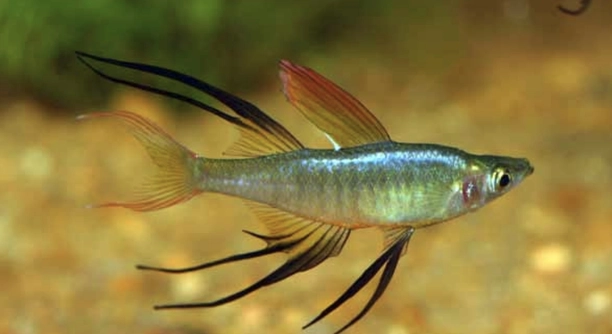
Threadfins are elegant fish often admired for their long, flowing fins and swift movements. Observing them in aquariums can be relaxing, and many enthusiasts wonder how these fish respond to stimuli beyond their immediate environment. Their behavior may reveal subtle interactions with surroundings.
Threadfins do react to colors outside the tank, though responses vary by species and individual sensitivity. Visual cues from external objects or lighting can influence swimming patterns, feeding behavior, and overall activity levels, demonstrating their perceptual awareness of environmental changes.
Understanding these reactions can help aquarists create better conditions. Observing their responses may also provide insights into behavioral patterns and improve daily care practices.
How Threadfins Perceive Colors
Threadfins have sensitive eyes that allow them to detect colors both inside and outside their tanks. Their visual perception helps them navigate their surroundings and respond to changes in lighting. Bright or contrasting colors near the tank can catch their attention, influencing swimming patterns or curiosity-driven movements. Some threadfins may linger near colored objects, while others maintain distance, depending on individual temperament. The position of lights, reflections, and nearby objects can amplify their reactions. Observing these behaviors can provide clues about their preferences and stress levels. Fish exposed to sudden, strong colors may react cautiously, displaying hesitation or brief bursts of speed. Gradual introduction of color changes often results in calmer responses, indicating that they adjust over time. Tank placement, ambient light, and external colors all play roles in shaping how threadfins interact with their environment. Careful observation can reveal subtle differences in response among different fish within the same tank.
Their reactions vary, but most threadfins show noticeable attention to external colors.
Understanding these visual cues can help maintain a calm tank environment. Adjusting light intensity and introducing gentle color contrasts can reduce stress and encourage natural swimming behaviors, leading to healthier, more active fish. Regular monitoring of their responses also helps identify any signs of discomfort or unusual activity, allowing for timely adjustments in tank setup. Over time, these strategies create a stable environment that supports well-being and enhances the overall viewing experience. Visual enrichment through color can be subtle yet effective, offering both stimulation and comfort without overwhelming the fish.
Practical Tips for Observing Reactions
Observe threadfins from different angles to note changes in behavior and movement patterns.
Keep a consistent schedule for lighting and place colored objects at varied distances. Introduce one change at a time and record responses carefully. Some threadfins may react immediately, while others take days to show interest. Avoid bright, harsh colors that could startle the fish or cause stress. Gentle shifts, such as soft background hues or muted objects near the tank, are more effective for studying natural responses. Watching their swimming speed, fin position, and interaction with tank surfaces can indicate comfort levels. Over weeks, these observations help identify preferred colors and environmental arrangements. Applying these methods ensures that adjustments support fish health rather than creating unnecessary disturbances. By combining careful observation with gradual changes, you can create an environment that balances visual stimulation and calm, allowing threadfins to exhibit natural behaviors confidently.
Introducing varied yet controlled visual stimuli can enrich their tank environment. Gradual exposure to colors and observing reactions provides insights into preferences. This approach also helps reduce stress and encourage natural activity. Note that each fish has unique sensitivity, so adjustments must be personalized. Consistent monitoring of reactions and subtle changes ensures the environment remains suitable. Lighting, tank placement, and proximity of external objects all influence perception, and small modifications can make a significant difference in behavior. Over time, careful observation and measured adjustments lead to a more responsive, healthier aquatic environment. Documenting responses and patterns can also inform future tank setups or additions, allowing for a more harmonious arrangement. The goal is to maintain balance: visual interest without overwhelming stimuli, supporting threadfins’ well-being while offering insight into their natural tendencies.
Factors That Influence Color Response
Lighting intensity directly affects how threadfins perceive colors outside the tank. Bright lights can make colors more noticeable, while dim lighting may reduce visibility. Reflection from surfaces near the tank can also impact perception and elicit stronger or weaker reactions.
The type of color plays a significant role in fish behavior. Warm tones like reds and oranges often attract attention, while cooler shades like blues or greens may cause neutral responses. Threadfins may swim toward preferred colors, linger near them, or display brief bursts of curiosity. External factors, such as movement of colored objects, can amplify responses. Placement of these objects, whether near the tank front or sides, also matters for consistent observation of reactions.
Individual differences among threadfins are important. Some fish are more sensitive to external visual stimuli, while others barely respond. Age, health, and prior exposure to varying environments influence sensitivity. Even within the same species, reactions can differ, suggesting a mix of genetic and environmental factors shaping their responses. Recognizing these variations helps in planning observations and creating a comfortable, stimulating tank setup tailored to each fish’s needs.
Monitoring and Recording Reactions
Regular observation is essential to understand threadfins’ reactions to external colors. Short, consistent monitoring sessions yield clearer patterns over time, avoiding stress from prolonged exposure.
Recording behavior allows patterns to emerge. Note swimming speed, proximity to colored objects, and fin movements. Reactions may include hesitation, bursts of activity, or consistent interest. Tracking changes over days or weeks helps identify preferred colors and sensitivity levels. Combining notes with photos or videos provides a visual record to compare responses. Observing multiple fish simultaneously can highlight differences in individual preferences, aiding tailored adjustments to tank surroundings.
Monitoring should be systematic. Introduce one variable at a time to avoid confusing the fish. Keep lighting, tank position, and water conditions stable during observations. Document both immediate and delayed reactions to colors outside the tank. This method provides a clearer understanding of behavioral patterns, reducing assumptions. Over time, consistent monitoring builds a comprehensive profile of each fish’s responses. Comparing reactions under different conditions can also inform future environmental adjustments, ensuring threadfins remain comfortable while exploring subtle stimuli.
External Stimuli Beyond Color
Movement outside the tank can catch a threadfin’s attention just as much as color. Shadows, reflections, and passing objects may trigger brief reactions or curiosity, influencing swimming patterns.
Consistency is key. Frequent changes in the environment can cause stress, so keep external stimuli predictable to support calmer behavior and healthier fish.
Adjusting the Tank Environment
Positioning colored objects and lighting thoughtfully reduces stress and enhances visual engagement. Avoid placing bright or highly contrasting colors directly against the tank glass, as this can overwhelm the fish. Gradual changes in the surroundings allow threadfins to acclimate naturally. Observation during these adjustments ensures the environment remains comfortable and stimulating.
Subtle Visual Cues
Small details, like plant movement or reflections from room lighting, can influence threadfins’ behavior. Observing these reactions helps in understanding their perception and adjusting the tank setup effectively.
FAQ
Do threadfins respond to every color outside the tank?
Threadfins do not react equally to all colors. Some shades, particularly warm tones like reds and oranges, are more noticeable and can trigger curiosity or activity. Cooler tones such as blues and greens may result in neutral behavior. Individual sensitivity and prior experiences also influence responses. Observing reactions over time helps identify preferred colors and which ones have little effect on behavior.
How can I safely test colors near my tank?
Introduce one color at a time and place it at a consistent distance from the tank. Avoid sudden, bright, or highly contrasting colors that could startle the fish. Soft, muted objects or backgrounds provide safer visual stimulation. Monitor behavior for changes in swimming, fin position, or feeding patterns to gauge comfort.
Can lighting affect color perception?
Yes, lighting intensity and type have a major impact. Bright light makes colors more noticeable, while dim or diffuse lighting reduces visibility. Positioning of the light source also matters; glare or reflections can distort perception and affect reactions. Gradual adjustments in lighting allow threadfins to adapt without stress.
Do all threadfins in the same tank react the same way?
No, individual differences play a large role. Age, health, temperament, and previous exposure to visual stimuli influence responses. Some fish may approach colors eagerly, while others ignore them. Observing each fish separately helps tailor the environment and ensures the setup supports all individuals comfortably.
How long should I observe reactions to new colors?
Short, consistent sessions are best, typically 10–15 minutes per observation. Prolonged exposure can stress the fish. Repeated observations over days or weeks allow you to see patterns in interest, avoidance, or neutral responses. Documenting reactions can help in planning gradual environmental adjustments.
Can external movement outside the tank affect threadfins as much as color?
Yes, motion can catch attention similar to color. Shadows, reflections, and moving objects can trigger brief curiosity or bursts of activity. Predictable and minimal movement reduces stress, while frequent or sudden changes can overwhelm fish and disrupt normal behavior.
Will changes in color or external objects affect feeding habits?
Potentially. Sudden or overly bright colors near the tank may cause hesitation during feeding. Gradual introduction of colors usually has little impact, and familiar visual cues can even stimulate feeding behavior. Observing reactions during feeding times ensures changes do not interfere with nutrition.
Are there colors that are better avoided entirely?
Highly contrasting, bright, or flickering colors can startle threadfins and create stress. Neon or reflective objects that produce sharp glare should be avoided. Soft, stable, and muted colors tend to provide visual enrichment without overwhelming the fish.
Does tank placement matter for visual responses?
Absolutely. Tanks near windows with sunlight, high traffic areas, or reflective surfaces can exaggerate reactions to colors and movement. Placing the tank in a calm, controlled space with moderate lighting ensures threadfins respond naturally and maintain regular behavior.
How can I document threadfin reactions effectively?
Use notes, photos, or short videos to track swimming patterns, proximity to colored objects, and fin movement. Compare observations over days to identify preferences, sensitivity, and stress indicators. Keeping detailed records helps make informed adjustments to lighting, object placement, and overall tank setup.
Can color exposure improve a threadfin’s overall well-being?
Yes, when applied carefully. Controlled visual stimuli can provide enrichment, reduce boredom, and encourage natural behaviors. Observing reactions ensures changes support health without causing stress. Gradual introduction of colors and thoughtful tank adjustments enhance comfort while allowing fish to explore their environment safely.
How do reflections and room lighting interact with color perception?
Reflections can amplify or distort colors outside the tank. Bright room lights may cast shadows or create glare that affects behavior. Monitoring threadfins during different times of day helps identify how lighting and reflections influence responses and allows for better positioning of lights and objects.
Is it necessary to rotate colors frequently?
Frequent changes can cause stress, so minimal rotation is better. Introducing one new object or background at a time allows threadfins to adjust naturally. Occasional variation provides enrichment, but stability ensures comfort and predictable behavior.
What signs indicate stress from color or visual changes?
Signs include rapid swimming, hiding, fin clamping, or sudden loss of appetite. Consistent monitoring helps identify subtle stress indicators. If reactions suggest discomfort, remove or adjust the color or visual element gradually until normal behavior resumes.
Do threadfins remember colors over time?
Yes, they can recognize familiar objects and colors. Repeated exposure can lead to calmer reactions or increased interest, depending on their temperament. Memory of visual cues helps them navigate and feel secure in their environment, reducing stress from repeated exposure to known stimuli.
How should I combine lighting and color to maximize comfort?
Use moderate, stable lighting paired with soft, muted colors. Avoid bright contrasts directly against tank glass. Gradually introduce changes, observing reactions carefully. Combining subtle colors with consistent lighting promotes engagement without causing stress or overwhelming their visual senses.
This FAQ provides a foundation for understanding how threadfins perceive and react to external colors, guiding practical adjustments to create a stable, enriching tank environment.
Final Thoughts
Threadfins are sensitive fish that notice colors and visual changes outside their tank. Observing how they respond can provide insight into their comfort and well-being. Some threadfins may be curious, swimming toward new colors or lingering near objects, while others may appear indifferent or cautious. These differences highlight that individual personality and past experiences play a role in how each fish reacts. By paying attention to these subtle cues, it is possible to adjust their environment in ways that support both activity and calmness. Small changes in lighting, object placement, and color intensity can make a noticeable difference in behavior, showing that these fish are more aware of their surroundings than they might first seem.
Creating a comfortable environment for threadfins requires a careful balance. Introducing colors gradually rather than all at once helps prevent stress. Bright or highly contrasting colors can startle fish, so muted or softer tones are generally safer. Even the placement of objects outside the tank can affect how threadfins behave. Observing their swimming patterns, fin movements, and responses to external colors over time allows caretakers to understand preferences and sensitivities. Documentation, through notes, photos, or videos, is helpful for tracking changes and identifying patterns. Over time, this observation can guide adjustments to tank setup, lighting, and the visual environment, making sure the fish are comfortable and engaged without being overwhelmed.
Ultimately, understanding threadfins’ reactions to external colors is about creating a stable and supportive environment. Their responses can vary widely, but careful observation and gradual changes ensure the tank remains a place of comfort and stimulation. Adjustments in lighting, object placement, and color introduction can encourage natural behaviors while minimizing stress. Recognizing that each fish has unique sensitivities is key, as what works for one may not work for another. With patience and attention, it is possible to enrich the tank visually while maintaining a safe and calm space for threadfins. These practices not only improve their well-being but also make it easier to enjoy their behavior and interactions in a healthy, thriving aquarium.

Hello,
If you enjoy the content that we create, please consider saying a "Thank You!" by leaving a tip.
Every little bit helps us continue crafting quality advice that supports the health, happiness, and well-being of pets around the world, for pets of all shapes, sizes, and species.
We really appreciate the kindness and support that you show us!