
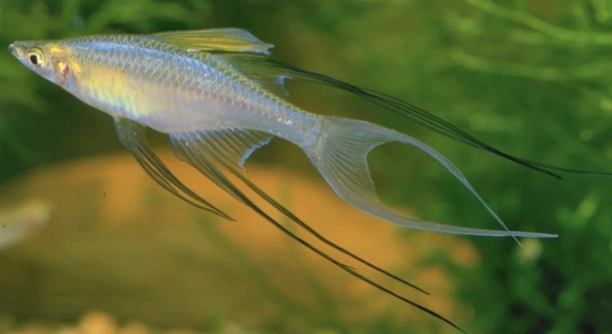
Threadfin rainbowfish are vibrant freshwater fish that bring life to any aquarium. Observing their behavior closely can help you understand how well they are adjusting to their environment and thriving in their new habitat.
Threadfin rainbowfish exhibit several behavioral and physical cues that indicate successful adaptation, including active swimming, consistent feeding habits, bright coloration, healthy fins, smooth breathing patterns, social interactions with tank mates, and minimal signs of stress or disease.
Monitoring these signs regularly ensures a healthy aquarium, supporting the well-being of your fish while maintaining a balanced and stable aquatic environment.
Active Swimming
Threadfin rainbowfish that are adjusting well move throughout the tank with ease and purpose. They explore the environment, weave between plants, and respond quickly to changes. Healthy swimming patterns indicate that the fish feel secure and are not stressed by water conditions or tankmates. Sudden bursts of speed or frantic darting may indicate fear or discomfort, so steady, consistent movement is a positive cue. Observing how fish interact with different areas of the tank can reveal their level of comfort. For example, spending time near the surface without signs of gasping suggests proper oxygen levels. Swimming in groups also shows social cohesion, an important factor for rainbowfish. Over time, active swimming can help maintain muscle tone, stimulate appetite, and support overall health. Fish that avoid the tank bottom entirely or hide constantly may need environmental adjustments, such as more plants or shelters. These patterns are straightforward indicators of their adaptation.
Active swimming reflects good adaptation, indicating that rainbowfish are comfortable, healthy, and capable of engaging with their environment without signs of stress or imbalance.
Noticing these movements early helps you make minor adjustments before problems arise, keeping your aquarium stable and your fish content.
Consistent Feeding Habits
Rainbowfish that eat regularly demonstrate a healthy appetite and a sense of security in their tank.
Consistent feeding is a key sign of adaptation because it shows that the fish feel safe enough to eat without fear of threat. Fish that adjust poorly often hide or refuse food, which can lead to weakened immunity. Feeding at set times also helps regulate their internal rhythms, promoting digestion and growth. Observing how quickly and eagerly your rainbowfish approach food can indicate both their health and comfort level. Overfeeding should be avoided, but skipping meals occasionally might reveal stress or water issues that need attention. Offering a variety of foods can encourage balanced nutrition while keeping the fish engaged. Monitoring each feeding session helps track changes in behavior, signaling if the environment or tank dynamics need adjustment. Well-fed fish also display more vibrant colors and active swimming, further confirming that they are adapting successfully to their surroundings. Maintaining this routine builds trust between the fish and their environment, fostering long-term stability.
Bright Coloration
Bright coloration shows that threadfin rainbowfish are healthy and well-adjusted. Faded or dull colors can signal stress, poor diet, or illness, while vibrant hues indicate comfort and proper nutrition.
Color vibrancy in rainbowfish is closely tied to their overall well-being. Well-adjusted fish maintain consistent coloration, which can also vary slightly with mood or breeding behaviors. Healthy tank conditions, including clean water, stable temperature, and balanced lighting, directly support their natural colors. Fish that are stressed, overcrowded, or exposed to sudden changes often show muted tones. Observing color alongside other behaviors, like swimming and feeding, gives a clearer picture of adaptation. Bright colors also indicate that the fish are metabolically active and receiving adequate nutrition. Diets rich in carotenoids and proteins can enhance their natural shimmer. Over time, a pattern of consistent, vivid coloration confirms that the rainbowfish are comfortable in their environment and not experiencing chronic stress.
Maintaining proper water quality and nutrition ensures colors remain bright, reflecting both health and successful adjustment to their habitat.
Healthy Fins
Healthy fins are strong, intact, and free of tears or discoloration. Damaged fins often indicate stress, aggression, or poor water quality, so observing fin condition is essential for assessing adjustment.
Threadfin rainbowfish rely on their fins for precise swimming and balance. Torn, frayed, or clamped fins suggest adaptation issues, whereas smooth, fully spread fins indicate comfort and fitness. Proper nutrition, low-stress environments, and compatible tankmates contribute to fin health. Frequent monitoring allows early detection of potential problems, such as fin rot or injuries from rough decorations. Healthy fins also demonstrate that fish are actively swimming and not hiding excessively. Stress reduction, regular water changes, and avoiding overcrowding prevent fin damage and promote natural movement. Observing fin behavior alongside color and feeding provides a comprehensive view of how well the fish are adjusting.
Fins in good condition enhance swimming efficiency and reflect the overall stability and care within the aquarium environment.
Smooth Breathing
Smooth, steady breathing indicates that threadfin rainbowfish are comfortable in their environment. Rapid gill movements or gasping at the surface often point to stress or poor water quality.
Observing breathing patterns regularly helps identify subtle changes in health. Calm, rhythmic movements suggest the oxygen levels are sufficient and water parameters are stable. Fish under stress may breathe irregularly or hide, signaling that adjustments are needed. Maintaining proper filtration, aeration, and temperature supports smooth respiration.
Social Interactions
Healthy rainbowfish interact naturally with tankmates, forming small groups or swimming side by side without aggression.
Social behavior reflects adaptation and comfort. Fish that isolate themselves or show constant chasing may feel stressed. Observing how they communicate and respond to each other provides insight into their overall well-being. Consistent group interactions indicate a balanced tank environment.
Minimal Signs of Stress
Stress indicators include clamped fins, erratic swimming, or hiding. Rainbowfish showing minimal signs are adjusting well to their surroundings.
FAQ
How can I tell if my threadfin rainbowfish are happy in their tank?
Happy rainbowfish display bright coloration, smooth breathing, active swimming, and consistent feeding habits. They interact socially with tankmates and show minimal hiding or erratic movements. Observing these behaviors over time provides a reliable measure of their comfort and adaptation. Regular water testing and stable conditions further support happiness.
Why is color such an important indicator of adjustment?
Color reflects health and environmental comfort. Vibrant, consistent hues indicate proper nutrition, low stress, and suitable tank conditions. Dull or faded colors often signal stress, illness, or inadequate water quality. Monitoring color alongside behavior helps determine whether the fish are thriving.
What should I do if my rainbowfish is hiding too much?
Excessive hiding may indicate stress, poor water quality, or aggressive tankmates. Check water parameters, provide hiding spaces like plants or decorations, and ensure compatible tankmates. Gradual acclimation and consistent routines can help the fish feel safe and reduce hiding behavior over time.
How important is feeding schedule for their adjustment?
Feeding at consistent times builds routine and supports proper digestion. Rainbowfish that eat eagerly at regular intervals are likely comfortable. Skipping meals or sudden changes in feeding can signal stress or adaptation issues, so maintaining a stable schedule is essential.
Can tank size affect their behavior and adjustment?
Yes, insufficient space can cause stress and aggressive behavior. Rainbowfish need ample room to swim, explore, and interact socially. Overcrowding can lead to clamped fins, hiding, and diminished coloration. Ensuring a spacious, well-planted tank promotes natural behavior and adaptation.
How do I know if water quality is affecting my fish’s adjustment?
Indicators include rapid breathing, lethargy, loss of color, or fin damage. Regularly test pH, ammonia, nitrite, nitrate, and temperature. Maintaining stable, clean water ensures smooth breathing, active swimming, and overall well-being, which are signs of successful adaptation.
What are signs of stress I should watch for?
Stress signs include clamped fins, erratic swimming, loss of appetite, hiding, or unusual aggression. Identifying these early allows intervention through water changes, environmental enrichment, or dietary adjustments. Minimizing stress supports bright coloration, healthy fins, and proper social interactions.
How do I encourage social interactions among my rainbowfish?
Maintain a suitable group size, provide open swimming space, and include plants or decorations for cover. Avoid aggressive tankmates and ensure compatible species. Observing group swimming, synchronized movements, and gentle chasing indicates successful adaptation and social comfort.
Does diet influence adjustment to a new tank?
Yes, balanced nutrition is critical. High-quality flakes, pellets, and occasional live or frozen food promote energy, coloration, and health. Poor diet can lead to dull colors, lethargy, and weakened immunity, which may hinder adaptation to a new environment. Consistent feeding supports both physical and behavioral stability.
How long does it usually take for rainbowfish to adjust?
Adjustment varies depending on water quality, tank setup, diet, and social dynamics. Typically, signs of comfort such as active swimming, bright colors, and consistent feeding appear within a few days to weeks. Monitoring behavior daily ensures any issues are addressed promptly, allowing smoother adaptation.
What role does tank environment play in their well-being?
A stable environment with proper temperature, clean water, and gentle filtration supports smooth breathing, active swimming, and social interactions. Plants, hiding spots, and open swimming areas reduce stress. Consistent conditions are essential for rainbowfish to thrive and display healthy behavior.
How can I prevent illness while they adjust?
Maintain clean water, avoid overfeeding, and monitor for early signs of stress or disease. Quarantine new additions, provide a balanced diet, and reduce sudden changes in environment. Early intervention protects overall health, ensuring the rainbowfish adjust safely and maintain bright coloration, healthy fins, and active behavior.
Are there behavioral differences between males and females during adjustment?
Males often display more vivid coloration and may chase each other or show dominance behaviors, while females are usually calmer. Both genders should feed regularly, swim actively, and interact socially. Observing differences helps ensure all fish are comfortable and adapting well to the tank environment.
How can I track adjustment over time?
Keep a daily log of feeding behavior, swimming activity, coloration, and social interactions. Note any signs of stress or illness. Tracking these patterns helps identify changes in comfort and health, allowing for timely interventions that support smooth adjustment.
What should I do if adjustment seems slow?
Slow adjustment may indicate stress, poor water conditions, or incompatible tankmates. Review environmental parameters, ensure proper diet, and provide adequate hiding spaces. Gradual acclimation, consistent routines, and monitoring of behavior and coloration can improve adaptation over time.
How often should I observe their behavior?
Daily observation is ideal, focusing on swimming, feeding, coloration, and interactions. Frequent checks allow early detection of stress, illness, or environmental issues. Consistent monitoring ensures the rainbowfish remain healthy, active, and well-adjusted in their aquarium environment.
What are signs of long-term successful adjustment?
Bright colors, smooth fins, active swimming, regular feeding, and positive social interactions are key indicators. Fish that rarely hide, breathe calmly, and display stable behavior demonstrate they are fully comfortable in their environment. Consistent care supports continued health and adaptation.
Can environmental enrichment aid adjustment?
Yes, adding plants, decorations, and varying swimming zones encourages natural behaviors. Enrichment reduces stress, promotes exploration, and supports social interaction. Rainbowfish respond positively, showing increased activity, improved coloration, and stable feeding habits when the environment is engaging and suitable.
How do I know if tankmates are affecting adjustment?
Signs include chasing, hiding, fin damage, or reduced feeding. Incompatible tankmates can cause stress and slow adaptation. Observe interactions carefully, provide adequate space, and separate aggressive individuals if needed to ensure rainbowfish remain comfortable and healthy in their tank.
Is water temperature important for adjustment?
Maintaining the recommended temperature range ensures active swimming, smooth breathing, and proper feeding. Fluctuations can stress rainbowfish, affecting color, fin health, and social behavior. Stable temperature supports overall well-being and a smoother adaptation process.
How much space do rainbowfish need to adjust comfortably?
Adequate swimming space is crucial. Overcrowding leads to stress, aggression, and hiding. A tank with open areas, plants, and visual barriers allows natural movement, social interaction, and displays of color, supporting proper adjustment and long-term health.
What should I watch for during the first week?
Observe feeding patterns, swimming activity, color, and fin condition. Note any hiding, clamped fins, or unusual behavior. Early monitoring allows interventions for water quality, tankmates, or diet, ensuring smoother adaptation and reducing stress during the critical initial adjustment period.
Can changes in lighting affect adjustment?
Yes, stable lighting supports natural behavior and coloration. Sudden changes can stress fish, causing hiding or reduced feeding. Gradual transitions and consistent light cycles promote comfort, smooth adaptation, and overall health, enhancing bright colors and active swimming.
How do I maintain their adjustment over time?
Continue stable water parameters, balanced diet, compatible tankmates, and enrichment. Monitor behavior, color, and fins regularly. Regular care and attention prevent stress, support social interactions, and maintain vibrant coloration, ensuring rainbowfish remain well-adjusted and healthy for the long term.
What is the most common sign of successful adaptation?
Active swimming, bright coloration, smooth fins, consistent feeding, and positive social interactions collectively indicate successful adaptation. Fish that display these behaviors demonstrate comfort, health, and stability within the tank environment, confirming they are adjusting properly and thriving.
How can I prevent setbacks during adaptation?
Avoid sudden changes in water, diet, or tankmates. Maintain stable conditions, monitor behavior, and address stress or illness early. Providing hiding spots and consistent routines supports smooth adjustment, reduces stress, and ensures long-term well-being for rainbowfish in their aquarium.
How long should I continue monitoring after initial adjustment?
Ongoing observation is important, as changes in water, diet, or tank dynamics can affect behavior. Regular checks of feeding, swimming, color, fins, and social interactions help maintain health, detect stress, and ensure rainbowfish remain well-adjusted over time.
What other factors influence adjustment?
Tank size, water quality, lighting, enrichment, diet, and compatible tankmates all play a role. Each factor contributes to stress reduction, natural behavior, and overall well-being. Monitoring these aspects ensures rainbowfish continue to thrive and remain comfortable in their environment.
Are there specific behaviors that indicate full acclimation?
Rainbowfish swimming actively, feeding consistently, showing bright colors, interacting socially, and displaying calm breathing indicate full acclimation. Stable, predictable patterns in behavior and physical appearance confirm that the fish are fully comfortable and thriving in their tank environment.
How does water movement affect adjustment?
Moderate water movement encourages swimming and reduces stagnation without stressing the fish. Strong currents can cause hiding or fatigue, while gentle flow supports natural behavior, smooth breathing, and interaction among rainbowfish, aiding adaptation.
How can I help shy or nervous rainbowfish adjust?
Provide hiding spots, maintain stable conditions, and minimize sudden disturbances. Gradually introducing them to tankmates and feeding routines helps build confidence. Patience and consistent care allow shy fish to explore, interact, and display natural behavior over time.
What is the role of routine in maintaining adaptation?
Consistent feeding times, water changes, and environmental stability reinforce security and reduce stress. Predictable routines support active swimming, feeding, social behavior, and overall health, ensuring rainbowfish remain comfortable and well-adjusted in the long term.
How do I know if my fish are thriving long-term?
Thriving rainbowfish consistently show bright colors, smooth fins, active swimming, social interactions, and regular feeding. Calm breathing and minimal stress behaviors confirm good health. Long-term observation ensures ongoing comfort, stability, and overall well-being within the tank environment.
Can stress from transport affect initial adjustment?
Yes, transport stress may cause hiding, reduced feeding, or color fading. Gradual acclimation, proper water parameters, and minimal disturbance help rainbowfish recover quickly, supporting smooth adaptation and restoring normal behavior and vibrant coloration after relocation.
How can I detect minor health issues during adjustment?
Monitor feeding, swimming, breathing, fins, and coloration. Subtle changes, like slight fin fraying, dull colors, or slower movements, can signal early health concerns. Addressing these promptly prevents complications and supports ongoing adaptation and well-being in the tank.
What environmental adjustments help rainbowfish feel secure?
Plants, decorations, and open swimming areas reduce stress and provide shelter. Proper temperature, stable water quality, and compatible tankmates create a safe environment, promoting natural behavior, smooth adaptation, and long-term comfort for rainbowfish in their habitat.
How does tank cleanliness impact adaptation?
Clean water prevents disease, supports smooth breathing, and encourages active swimming. Regular maintenance, including water changes and filter care, ensures stable conditions. Poor hygiene increases stress, dulls coloration, and can hinder social interactions, delaying adjustment.
Is it normal for rainbowfish to explore less at first?
Yes, initial shyness is common during acclimation. Gradual exposure to the environment and consistent routines encourage exploration. Over time, active swimming, social interaction, and consistent feeding signal successful adjustment and comfort in the tank.
How do I balance multiple factors for smooth adaptation?
Maintain stable water parameters, provide a balanced diet, ensure compatible tankmates, and offer enrichment. Monitor behavior, color, and fins regularly. Address stress or illness early, and keep routines consistent to support long-term comfort and successful adaptation of rainbowfish.
What is the best way to support rainbowfish during seasonal changes?
Monitor temperature, light, and water quality during seasonal shifts. Adjust heating, filtration, and routines as needed. Providing consistent conditions ensures smooth breathing, active swimming, stable coloration, and social interactions, maintaining comfort and adaptation throughout the year.
How can I encourage active swimming in new rainbowfish?
Provide open spaces, moderate currents, and a well-structured environment. Balanced diet and compatible tankmates also promote activity. Observing consistent swimming patterns confirms comfort, successful adaptation, and ongoing health.
Do rainbowfish need special care during breeding for adaptation?
During breeding, maintain optimal water quality, nutrition, and stable environment. Spawning behaviors, like chasing or color intensification, are natural. Supporting these activities while minimizing stress helps rainbowfish remain comfortable and healthy during reproductive periods.
What should I do if a fish shows sudden behavior changes?
Investigate water parameters, tankmates, diet, and environmental factors. Sudden hiding, clamped fins, or reduced feeding may indicate stress or illness. Prompt attention restores comfort, supports adaptation, and prevents long-term health issues.
How can I tell if new additions affect adjustment?
Observe interactions closely. Increased hiding, chasing, or fin damage signals stress from new fish. Ensure compatibility, provide hiding spaces, and monitor behavior until all fish adjust comfortably.
What is the ideal number of rainbowfish for a well-adjusted group?
A small school of at least six individuals allows natural social interactions and reduces stress. Adequate numbers support active swimming, positive behaviors, and overall comfort, enhancing long-term adaptation and stability in the tank.
How does tank decoration influence behavior and adaptation?
Plants, rocks, and shelters provide security and encourage exploration. Open swimming areas prevent territorial disputes. Thoughtful decoration reduces stress, promotes natural behavior, and helps rainbowfish display bright colors and consistent activity.
Can stress from water changes affect adaptation?
Yes, abrupt or large water changes can cause temporary hiding or color fading. Gradual changes and proper acclimation maintain stability, minimize stress, and support ongoing adjustment and well-being.
Are there signs that indicate full recovery from initial stress?
Active swimming, bright coloration, smooth fins, regular feeding, and positive social interactions confirm recovery. Calm breathing and consistent behavior indicate the fish have adapted successfully and are thriving in the tank environment.
How can I maintain consistent health checks?
Observe behavior, coloration, fins, and feeding daily. Test water regularly and note any abnormalities. Maintaining this routine allows early intervention, reduces stress, and ensures rainbowfish remain comfortable and well-adjusted over time.
How important is observation for long-term success?
Daily observation helps identify subtle changes in behavior, health, and adaptation. Early detection of stress, illness, or environmental issues allows timely intervention, ensuring rainbowfish remain vibrant, active, and healthy throughout their time in the tank.
What role does patience play in adjustment?
Patience is essential, as each fish adapts at its own pace. Consistent care, stable conditions, and observation support smooth adaptation. Avoiding sudden changes reduces stress, allowing rainbowfish to settle, display natural behavior, and thrive comfortably.
Can environmental stress cause long-term effects?
Yes, prolonged stress can affect color, behavior, immune response, and lifespan. Maintaining stable water conditions, compatible tankmates, and proper nutrition minimizes risks, ensuring rainbowfish remain healthy, active, and well-adjusted in the long term.
How do I balance multiple fish species in one tank?
Ensure compatibility, provide sufficient space, hiding spots, and observe interactions. Avoid aggressive species. Balanced feeding and water quality support harmony, allowing all fish to adjust successfully while maintaining vibrant colors and healthy behavior.
What are subtle cues that indicate comfort?
Calm swimming, occasional exploration, interaction with tankmates, smooth fins, and steady coloration indicate comfort. These subtle cues, alongside feeding habits, provide a clear picture of how well rainbowfish are adjusting.
How often should I perform water testing for optimal adjustment?
Weekly testing of ammonia, nitrite, nitrate, pH, and temperature is recommended. Frequent checks ensure stable conditions, prevent stress, and maintain overall health, supporting successful adaptation of rainbowfish.
Can lighting changes affect long-term adaptation?
Sudden changes can stress fish, causing hiding or reduced activity. Consistent light cycles promote natural behavior, color expression, and comfort. Gradual adjustments help rainbowfish acclimate without impacting health or behavior.
**How do I support rainbowfish that seem shy long-term?
Final Thoughts
Taking care of rainbowfish is rewarding but requires attention and consistency. These fish respond strongly to their environment, so keeping water clean, stable, and at the right temperature is essential. A well-maintained tank helps them swim actively, display bright colors, and interact naturally. Observing behavior closely provides the best insight into their health and comfort. Regular feeding with balanced nutrition supports growth, energy, and coloration. Even small details, like maintaining a steady light schedule or providing gentle water flow, contribute to a comfortable environment. Over time, consistent care reduces stress and encourages natural behavior, making it easier to enjoy the personality and beauty of the fish.
Social interaction is also important for rainbowfish. They are schooling fish, which means they feel safer and more comfortable when kept in groups. Isolated fish may hide more, eat less, or display dull colors. Watching how fish swim together, chase playfully, or explore the tank can give clues about their well-being. Providing hiding spots, plants, and decorations allows shy fish to feel secure while still engaging with the group. Compatibility with other species is another factor; aggressive or overly dominant tankmates can cause stress, reduce feeding, and impact overall health. Ensuring a peaceful, balanced community helps rainbowfish thrive and allows their natural colors and behavior to shine.
Patience is essential when caring for rainbowfish. Adjustment to a new tank can take days or weeks, and progress is often gradual. Sudden changes in water, diet, or lighting can set back their adaptation. Monitoring color, activity, fins, and feeding habits regularly helps identify problems early. Minor issues, like hiding, dull coloration, or clamped fins, are often signs that adjustments are needed in the tank setup or care routine. By maintaining stable conditions and consistent observation, rainbowfish gradually become comfortable, active, and healthy. Over time, these small efforts add up, resulting in a vibrant and thriving aquarium where the fish are safe, well-adjusted, and enjoyable to watch every day.
Word count: 403

Hello,
If you enjoy the content that we create, please consider saying a "Thank You!" by leaving a tip.
Every little bit helps us continue crafting quality advice that supports the health, happiness, and well-being of pets around the world, for pets of all shapes, sizes, and species.
We really appreciate the kindness and support that you show us!