
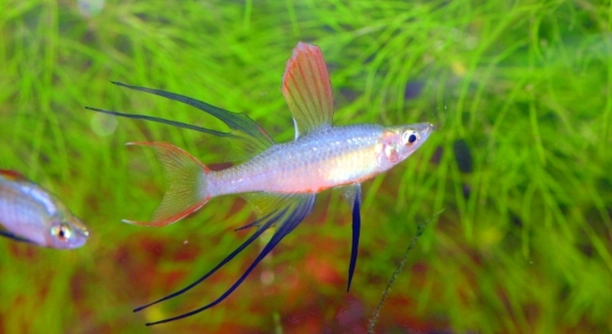
Are your threadfins swimming in a bare tank that feels empty and lifeless? Adding floating plants can change the entire environment, giving your fish more comfort, shade, and natural hiding spots while improving the overall look of your aquarium.
Floating plants offer multiple benefits for threadfins, including providing shade, improving water quality, offering cover from stress, enhancing natural behavior, and contributing to a balanced aquatic ecosystem. Their presence supports both the health and well-being of the fish.
Knowing the advantages of floating plants can transform your aquarium care routine and create a healthier, more engaging environment for your threadfins.
Shade and Comfort for Threadfins
Floating plants provide natural shade, helping to reduce stress in threadfins. When the tank is brightly lit or lacks hiding spots, fish can feel exposed and anxious. The gentle cover from floating plants mimics their natural habitat, offering security while allowing them to swim freely. Threadfins appreciate areas where they can retreat, rest, or briefly escape intense light. The plants also create microhabitats underneath their leaves, where fish can explore, hide, or interact quietly. Over time, these shaded areas can lead to calmer, more active fish. Beyond comfort, the plants help moderate temperature fluctuations by partially blocking direct light. This can prevent overheating and create a more stable environment. Their presence can also reduce aggressive behavior, as the shaded zones give less dominant fish a safe place. Overall, floating plants add both functional and aesthetic benefits, making the tank feel more balanced and inviting for threadfins.
The shade from floating plants supports threadfins’ natural behavior and reduces environmental stress, creating a more relaxed tank atmosphere.
Threadfins benefit most when floating plants are evenly distributed, allowing multiple areas for hiding. Overcrowding can limit swimming space, so balance is key. Different plant species offer varying leaf sizes, colors, and densities, which can cater to specific needs. The roots dangling beneath the surface add another dimension, giving fish more structure to explore. Floating plants also interact with the tank’s light, breaking up reflections and preventing overly bright patches. By observing their preferences, you can adjust placement and density, ensuring comfort without obstructing movement. In combination with other tank features like rocks or driftwood, floating plants enhance both visual appeal and habitat quality. This approach helps threadfins thrive, promoting healthier behavior and longevity while maintaining a visually pleasing tank setup.
Natural Filtration and Water Quality
Floating plants help filter water by absorbing excess nutrients like nitrates and phosphates. This reduces algae growth and maintains cleaner water.
Regular use of floating plants can improve tank water stability, preventing spikes in harmful chemicals. By naturally absorbing nutrients, they contribute to a healthier, clearer environment.
These plants act as natural biofilters, taking up dissolved compounds that could otherwise promote algae or bacterial growth. Their roots provide surfaces for beneficial microorganisms to colonize, which further enhances water quality. Over time, this reduces the frequency of partial water changes and supports a balanced aquatic ecosystem. Additionally, plants release oxygen during the day, improving overall oxygen levels for threadfins. While not a replacement for proper filtration systems, floating plants complement existing equipment, offering passive, continuous filtration. Maintaining their health is essential—removing decaying leaves promptly prevents nutrient spikes that could harm fish. Choosing fast-growing species ensures constant uptake of excess nutrients, helping to stabilize the tank. Proper lighting and occasional trimming keep plants thriving, maintaining both visual appeal and functional filtration. This natural approach supports healthier fish and a cleaner aquarium overall.
Hiding Spots and Stress Reduction
Floating plants create natural hiding spots, helping threadfins feel secure and reducing stress. These areas allow shy or smaller fish to retreat, minimizing aggressive interactions and promoting calmer behavior in the tank.
By providing cover, threadfins can engage in natural behaviors without feeling threatened. The shade under the plants acts as a safe zone where fish can rest or explore quietly. This reduces cortisol levels, which directly impacts their overall health. Fish with access to hiding spots are less likely to exhibit erratic swimming or defensive postures, making the tank environment calmer for all inhabitants. Over time, these plants encourage more confident behavior, allowing threadfins to interact naturally while feeling protected.
In addition, floating plant roots create vertical spaces for fish to navigate, offering visual barriers that break sight lines between dominant and submissive fish. This further reduces stress and supports healthier social dynamics. Different plant types provide varying densities of cover, allowing customization based on your tank size and the number of threadfins. By arranging plants strategically, you can ensure that every fish has access to a retreat without overcrowding the tank, maintaining both open swimming space and adequate protection.
Enhancing Breeding and Natural Behavior
Floating plants provide ideal areas for spawning, allowing threadfins to engage in reproductive behaviors more naturally. The cover and structure create safe zones for eggs and fry, improving survival rates.
The plants’ leaves and roots mimic natural habitats, giving fish confidence to spawn and tend to young. By simulating conditions similar to rivers and lakes, threadfins exhibit instinctive behaviors that might be suppressed in bare tanks. The presence of floating plants encourages pair bonding, nest-building activities, and protective behavior around eggs. Fry can hide among roots, reducing predation and increasing chances of reaching maturity.
Having a variety of floating plants promotes exploration and interaction. Threadfins may use the roots to search for food, practice swimming skills, or establish territories. Over time, observing these behaviors helps monitor fish health and well-being. The plants’ natural filtration also keeps water cleaner, which is essential during breeding, as eggs and fry are sensitive to poor water quality. Strategic placement ensures multiple safe zones for fry while maintaining open swimming areas, balancing the needs of adult fish with the safety of young ones.
Light Regulation and Temperature Control
Floating plants help regulate light exposure, reducing harsh glare that can stress threadfins. They create shaded areas that mimic natural conditions, giving fish a comfortable environment to swim and rest without being overwhelmed by direct light.
These plants also help maintain stable water temperature by partially blocking strong light. This reduces sudden fluctuations, protecting threadfins from heat stress.
Food Source and Nutrient Supplement
Some floating plants produce small particles or roots that threadfins nibble on. This adds a natural supplement to their diet and encourages foraging behavior.
By integrating floating plants, threadfins have access to occasional natural food, which can diversify their nutrition and improve overall health.
Aesthetic Appeal and Natural Feel
Floating plants enhance the aquarium’s appearance, creating a more natural and visually pleasing environment. Their movement and color bring life to the tank.
Easy Maintenance and Versatility
Floating plants are low-maintenance and adapt well to different tank setups, making them convenient additions for threadfin habitats.
FAQ
What types of floating plants are best for threadfins?
Threadfins do well with plants that provide shade and roots without taking up too much swimming space. Popular options include water lettuce, duckweed, and frogbit. These plants grow quickly, offer hiding spots, and create natural filtration, making them ideal for both small and large tanks.
How often should I trim floating plants?
Trimming depends on growth rate and tank size. Fast-growing plants like duckweed may need weekly maintenance, while slower species require less frequent attention. Regular trimming prevents overcrowding, ensures adequate swimming space, and keeps water flowing beneath the plants, which benefits both fish and the tank ecosystem.
Can floating plants survive in low-light tanks?
Some species tolerate low light, but most thrive with moderate lighting. Duckweed and frogbit can survive in shaded conditions, but they grow more slowly. Using low-light tolerant species ensures that the plants stay healthy and continue providing shade and shelter for threadfins without deteriorating.
Will floating plants affect water quality negatively?
When properly maintained, floating plants improve water quality by absorbing excess nutrients. However, decaying or overcrowded plants can release organic matter, increasing ammonia or nitrate levels. Regular removal of dead leaves and balanced plant density prevent water issues and keep the tank environment healthy for threadfins.
Do floating plants compete with other plants for nutrients?
Yes, floating plants absorb nutrients from the water, which can limit resources for submerged plants. To avoid issues, balance the number of floating and rooted plants, and ensure the tank has sufficient nutrients for all vegetation. This balance supports both plant growth and fish health.
Are floating plants safe for all tank sizes?
Floating plants are versatile, but in small tanks, overcrowding can limit swimming space. In larger tanks, they can cover more surface area without restricting movement. Monitor plant growth and adjust density to maintain open areas for threadfins to swim freely while still providing shade.
How do floating plants impact fish behavior?
They encourage natural behaviors like hiding, exploring, and foraging. Threadfins often use roots for cover or to search for food, which reduces stress and promotes healthier activity patterns. Plants also provide vertical and horizontal spaces that help fish feel secure and confident in their environment.
Can floating plants survive in different water conditions?
Most floating plants adapt well to a range of pH and temperature levels, but extreme conditions can harm them. Stable water parameters, regular cleaning, and moderate lighting help plants thrive. This ensures threadfins continue benefiting from shade, shelter, and natural filtration consistently.
Is it necessary to use fertilizer for floating plants?
Fertilizer is not always required if the tank has enough nutrients from fish waste. However, supplemental liquid fertilizers can support faster growth and healthier plants, especially in low-bioload tanks. Monitor plant health and add nutrients carefully to avoid water quality problems.
How do floating plants affect oxygen levels?
During the day, plants release oxygen through photosynthesis, benefiting threadfins and other aquatic life. At night, oxygen consumption is minimal and rarely causes issues in well-aerated tanks. Maintaining good water circulation and avoiding overcrowding ensures oxygen levels remain stable and fish stay healthy.
Can floating plants prevent algae growth?
Yes, they reduce light penetration and compete for nutrients, limiting algae development. Fast-growing plants are particularly effective. Regular maintenance and proper placement maximize this benefit, creating a cleaner, healthier environment for threadfins while keeping the tank visually appealing.
Are there any risks of using floating plants with juvenile threadfins?
Juvenile threadfins may get trapped in dense roots if plants are overcrowded. Ensure plants are spaced appropriately and monitor small fish closely. Using plants with smaller roots or trimming dense clusters prevents entanglement while still providing shelter and shade.
How should I introduce floating plants to a new tank?
Add plants gradually to avoid sudden changes in nutrient levels. Rinse them before placing them in the tank to remove pests or debris. Observe how threadfins interact with the plants and adjust placement as needed to ensure both fish comfort and plant health.
Can floating plants help with breeding threadfins?
Yes, they provide sheltered areas for spawning and protection for fry. Roots create hiding spots for young fish, increasing survival rates. The shade and structure mimic natural conditions, encouraging natural breeding behaviors and helping maintain a healthy population in the tank.
Do floating plants require special care during seasonal changes?
Seasonal changes can affect light, temperature, and growth rates. Adjust plant density, trimming frequency, and lighting accordingly. Ensuring stable water conditions and removing decaying leaves helps maintain plant health and keeps threadfins comfortable throughout the year.
What are the signs that floating plants are unhealthy?
Yellowing leaves, stunted growth, or decaying roots indicate nutrient deficiencies, poor water quality, or insufficient light. Prompt removal of damaged parts and adjusting tank conditions prevent further deterioration and maintain a beneficial environment for threadfins.
Can I mix different floating plant species in one tank?
Yes, mixing species adds variety, improves coverage, and enhances filtration. Combine fast-growing and slow-growing plants to balance nutrient absorption and maintain visual appeal. Ensure all species are compatible with your tank’s lighting and water parameters to thrive together.
How do I prevent floating plants from covering the entire surface?
Regular trimming and removal of excess plants keep swimming space open. Spacing plants strategically allows light to reach lower tank areas and prevents overcrowding. This ensures threadfins can move freely while still enjoying shade and shelter.
Do floating plants need special substrates?
Most floating plants do not require substrate, as they float freely on the water surface. Some benefit from minimal anchoring, but in general, they can thrive without soil, making them easy to manage and versatile for different tank setups.
Can floating plants be used in combination with artificial decorations?
Yes, they complement artificial rocks, driftwood, or other decor. The plants provide natural shade and soft areas while decorations add structure and visual interest. This combination creates a stimulating and secure environment for threadfins while maintaining easy maintenance.
How often should I clean floating plants?
Rinse or remove debris during regular tank maintenance, usually every one to two weeks. This prevents decay, maintains water quality, and ensures plants continue providing shade, hiding spots, and nutrient absorption for threadfins without introducing contaminants.
Are floating plants compatible with other fish species?
Most fish coexist well with floating plants, but some may uproot or eat them. Observe interactions and select plant types that suit your fish mix. Proper placement ensures all tank inhabitants benefit from shade, shelter, and water quality improvements.
Can floating plants survive without fish in the tank?
Yes, they can survive if nutrients are supplemented through liquid fertilizers. Growth may be slower, but proper care ensures the plants continue to thrive and provide aesthetic and environmental benefits in a fishless tank.
How do floating plants impact tank maintenance routines?
They reduce some maintenance needs by absorbing excess nutrients, limiting algae, and stabilizing water quality. However, trimming, cleaning decaying leaves, and monitoring density are necessary to maintain balance. This results in a healthier, more manageable environment for threadfins and overall tank health.
Are there any long-term considerations for keeping floating plants?
Over time, plants may need rotation, periodic thinning, or species replacement to maintain balance. Observing growth patterns, water quality, and fish behavior ensures the plants continue providing shade, hiding spots, natural filtration, and support for breeding threadfins. Regular care keeps the tank thriving.
Can floating plants survive in outdoor tanks or ponds?
Yes, they adapt well to outdoor conditions but may require protection from extreme weather or predators. Monitoring water quality and plant growth ensures they continue providing shade, shelter, and nutrient absorption for fish in outdoor settings.
Do floating plants affect water circulation?
Dense plant coverage can reduce surface movement, which may impact oxygen exchange. Strategic placement and thinning prevent stagnant areas, ensuring adequate circulation while maintaining shade, hiding spots, and natural filtration for threadfins.
How do I choose the right number of floating plants for my tank?
Balance is key. Enough plants to provide shade and shelter without overcrowding ensures open swimming space. Consider tank size, fish population, and plant growth rate. Monitoring fish behavior helps adjust density effectively over time.
Can floating plants help with pH stabilization?
They can slightly buffer pH by absorbing nutrients and organic compounds. While not a replacement for proper water management, they contribute to a more stable environment, reducing stress and supporting overall fish health.
Are floating plants safe for young or delicate threadfins?
Yes, they offer protection and shade for delicate fish. Ensuring proper spacing and monitoring root density prevents entanglement, allowing safe swimming and growth for young threadfins.
Do floating plants require CO₂ supplementation?
Generally, they do not. Most floating plants absorb nutrients directly from water and perform well without additional CO₂, making them low-maintenance and suitable for standard aquariums.
Can floating plants survive in tanks with strong currents?
Strong currents may displace delicate floating plants. Use hardy species or create barriers to reduce flow in plant-covered areas, ensuring roots and leaves stay in place while still providing shade and shelter for threadfins.
How do I prevent pests or snails on floating plants?
Rinse plants before introduction and inspect for hitchhikers. Regular observation and maintenance prevent infestations, ensuring plants remain healthy and do not introduce unwanted organisms that could affect water quality or fish health.
Are there any seasonal adjustments needed for floating plants in indoor tanks?
Light intensity and temperature changes may affect growth rates. Adjust trimming, plant density, and lighting to maintain healthy plants, ensuring consistent shade, hiding spots, and water quality for threadfins throughout the year.
Can floating plants be propagated easily?
Yes, many species grow rapidly and can be divided or removed for new setups. Propagation maintains coverage, encourages healthy growth, and allows customization of plant density and placement.
How do floating plants interact with submerged plants?
They compete for nutrients and light. Proper balance ensures both floating and submerged plants thrive, providing shade, hiding spots, and oxygen while maintaining a healthy environment for threadfins.
Are floating plants affected by fish that dig or uproot them?
Some fish may disturb roots or leaves. Choosing hardy plants, securing them lightly, or observing fish behavior prevents damage while still providing the benefits of shade, shelter, and nutrient absorption.
Can floating plants survive in brackish water?
Some species tolerate mild brackish conditions, but most prefer freshwater. Researching plant tolerance ensures survival and continued benefits for threadfins in specialized tank setups.
Do floating plants need additional lighting at night?
No, they do not require light at night. Normal day-night cycles support healthy growth and oxygen exchange while preventing algae overgrowth, making care simple and consistent.
Are floating plants suitable for community tanks?
Yes, they work well in community setups, providing shade and shelter without restricting movement. Monitor fish interactions to ensure plants are not uprooted or eaten, maintaining benefits for all tank inhabitants.
Can floating plants survive in tanks with heavy feeding schedules?
Yes, they absorb excess nutrients from fish food and waste, helping maintain water quality. Proper monitoring prevents overgrowth or decay, keeping the tank healthy and visually appealing.
Do floating plants need root trimming?
Occasional trimming prevents roots from becoming too dense, which could restrict swimming or trap debris. This ensures adequate space and continued benefits for threadfins while maintaining plant health.
Can floating plants survive in tanks with strong algae growth?
They can compete with algae for nutrients, reducing growth. Maintaining plant health, trimming, and cleaning decaying leaves supports continued control of algae while providing shade and shelter for fish.
Do floating plants affect filter performance?
They may slightly reduce surface flow if dense, but proper placement ensures filters operate efficiently. Plants complement filtration by removing excess nutrients and stabilizing water conditions, benefiting overall tank health.
Are floating plants compatible with planted aquariums?
Yes, when balanced with submerged plants. Floating plants offer surface cover and additional filtration, while submerged plants provide structure and oxygen, creating a diverse and healthy habitat for threadfins.
Can floating plants be used in tanks with aggressive fish?
They provide some visual barriers and hiding spots, but aggressive species may uproot or damage them. Monitor fish interactions and adjust placement to maintain plant health and fish safety.
How do floating plants affect water evaporation?
They reduce surface evaporation by shading the water. This helps maintain stable water levels, reducing the need for frequent top-offs and creating a more stable environment for threadfins.
Do floating plants impact aquarium lighting requirements?
They partially block light, so ensure adequate intensity for submerged plants and fish needs. Balancing coverage prevents over-shading while maintaining the benefits of shade, hiding spots, and filtration.
Can floating plants survive in tanks with high fish density?
Yes, but monitor nutrient levels and plant health. High-density tanks produce more waste, which plants can absorb, but overcrowding may limit swimming space. Adjust plant coverage accordingly.
Are floating plants affected by water hardness?
Most tolerate a wide range of hardness levels. Monitoring plant health ensures continued growth, providing shade, shelter, and filtration for threadfins regardless of water hardness.
Can floating plants be used in tanks with large fish?
Yes, but ensure plants are sturdy enough to withstand disturbance. Dense roots may be uprooted by larger fish, so select hardy species or adjust placement to maintain coverage and shelter.
Do floating plants affect CO₂ levels in planted tanks?
They absorb some CO₂ but generally do not significantly impact levels. Proper monitoring ensures balanced CO₂ for both submerged plants and healthy fish.
Can floating plants survive in tanks with high lighting?
Yes, but monitor for overheating or rapid growth. Trimming and adjusting coverage prevent excessive shading of lower plants while maintaining benefits for threadfins.
Are floating plants compatible with aquascaping designs?
Yes, they add natural texture and movement to the surface. Combining them with rocks, driftwood, and other plants enhances aesthetics while supporting fish comfort and water quality.
Can floating plants survive long-term in small tanks?
Yes, if regularly maintained. Trimming, monitoring density, and ensuring adequate swimming space keep both fish and plants healthy in confined setups.
Do floating plants help reduce nitrate spikes?
Yes, they absorb excess nutrients, including nitrates, stabilizing water quality and reducing the risk of stress or disease in threadfins.
Are floating plants affected by fish that nibble leaves?
Some fish may nibble, but hardy species tolerate occasional grazing. Monitoring plant health ensures continued coverage and benefits for the tank.
How do I prevent floating plants from overcrowding the tank?
Trim regularly and remove excess plants. Strategically space plants to allow swimming space, maintain light penetration, and support natural fish behavior.
Can floating plants survive without regular water changes?
They benefit from clean water but can continue absorbing nutrients. Regular partial changes maintain plant health and water stability for threadfins.
Do floating plants require special temperature ranges?
Most thrive in standard tropical freshwater temperatures. Avoid extremes to maintain healthy growth and continued benefits for fish.
Can floating plants help reduce stress during tank acclimation?
Yes, shaded areas provide hiding spots and comfort for new fish, reducing stress during the acclimation period.
Are floating plants safe with shrimp or other invertebrates?
Yes, they provide shelter and grazing surfaces, benefiting shrimp and other small invertebrates while maintaining compatibility with threadfins.
Do floating plants need CO₂ injections in planted tanks?
No, they generally do not require CO₂ injections, making them low-maintenance additions even in complex planted setups.
How long do floating plants live?
Lifespan varies by species, but most can live several months to years with proper care, trimming, and maintenance of water quality.
Can floating plants survive with variable pH levels?
They tolerate moderate fluctuations but prefer stable conditions. Monitoring pH ensures continued growth and benefits for threadfins.
Do floating plants provide cover for sick or injured fish?
Yes, shaded areas offer shelter and reduce stress, helping fish recover more comfortably in the tank.
Are floating plants affected by strong filtration systems?
High flow can displace delicate plants. Use barriers or hardy species to ensure they remain in place while providing shade and shelter.
Can floating plants survive in cold water aquariums?
Most tropical species prefer warm water. Cold-water species exist, but research plant requirements to ensure survival and continued benefits.
Do floating plants improve fish coloration?
Indirectly, by reducing stress and providing a natural environment, they can help threadfins display healthier, more vibrant colors.
Are floating plants compatible with breeding tanks?
Yes, they provide safe zones for eggs and fry, improving survival and supporting natural breeding behavior.
How do I prevent floating plants from spreading too quickly?
Regular trimming and removal of excess plants control growth, ensuring adequate swimming space and maintaining balanced coverage in the tank.
Can floating plants survive in low-nutrient tanks?
They may grow slowly, but adding liquid fertilizers or ensuring sufficient fish waste provides nutrients for continued growth and benefits.
Do floating plants require special water movement?
Minimal water movement is sufficient. Strong currents may displace delicate plants, while stagnant water can reduce oxygen flow beneath leaves. Proper placement ensures balance.
Are floating plants safe for all fish ages?
Yes, they provide shelter for both juvenile and adult fish, reducing stress and supporting natural behavior without harming fish.
Can floating plants survive in tanks with heavy algae issues?
They compete with algae for nutrients, helping control growth. Healthy plants, proper trimming, and cleaning maintain effectiveness.
Do floating plants impact tank aesthetics?
Yes, they add natural movement, texture, and color, enhancing visual appeal while providing functional benefits for threadfins.
Are floating plants easy to propagate?
Yes, many species reproduce quickly and can be divided to maintain coverage or share with other tanks.
Can floating plants survive in tanks with variable lighting?
Moderate fluctuations are tolerated, but extreme changes can affect growth. Adjust lighting to support consistent plant health.
Do floating plants require monitoring for pests?
Yes, inspect regularly for snails, insects, or other hitchhikers. Prompt removal ensures plant and fish health.
Can floating plants be used with livebearers or egg-layers?
Yes, they provide shade, shelter, and foraging areas for all types of fish, enhancing natural behavior.
Do floating plants help maintain a balanced ecosystem?
Yes, they absorb nutrients, provide shelter, and improve water quality, supporting a stable and healthy environment for threadfins.
Are floating plants affected by fertilizers for other plants?
They may benefit from liquid fertilizers but monitor dosing to avoid overfertilization, which can harm fish or promote algae growth.
Can floating plants survive in tanks with high-intensity lighting?
Yes, but monitor for overheating or excessive growth. Trimming and adjusting coverage maintain
Floating plants are more than just decoration for a threadfin tank. They serve multiple practical purposes, from providing shade and hiding spots to improving water quality. The presence of these plants creates a more natural and comfortable environment for threadfins, allowing them to exhibit instinctive behaviors. Fish feel less stressed when they have areas to retreat to, and this can lead to calmer swimming, healthier activity patterns, and overall well-being. Floating plants also reduce light intensity in the tank, which is especially important in brightly lit aquariums. By moderating light, these plants help protect delicate fish from stress while adding a sense of depth and structure to the aquarium. Their movement on the surface and the roots hanging below also give threadfins places to explore, adding enrichment that keeps them active and engaged.
Another significant advantage of floating plants is their ability to improve water quality naturally. These plants absorb excess nutrients, such as nitrates and phosphates, which can otherwise contribute to algae growth and poor water conditions. Their roots provide surfaces for beneficial bacteria to colonize, further enhancing filtration and helping maintain a stable aquatic environment. This passive filtration reduces the workload on mechanical filters and allows for a more balanced ecosystem. Additionally, some floating plants contribute to oxygen levels during the day, which is beneficial for both fish and other tank inhabitants. While they are not a replacement for proper filtration and regular water changes, they complement existing systems by supporting natural processes that sustain a healthy aquarium. Over time, this leads to a cleaner tank, less frequent maintenance, and a more stable environment, which all contribute to the health and longevity of threadfins.
Maintaining floating plants is relatively simple, making them a practical choice for both new and experienced aquarists. Fast-growing species may require periodic trimming to prevent overcrowding, but this process is straightforward and keeps the tank visually appealing. Balancing plant coverage with open swimming areas ensures that threadfins have space to move freely while still benefiting from shade and shelter. Different plant types offer various leaf shapes, root densities, and growth rates, allowing customization based on tank size and fish needs. By monitoring plant health, removing decaying leaves, and adjusting placement as needed, aquarists can create a thriving environment for their threadfins. In addition to functional benefits, floating plants add aesthetic value, creating a dynamic, natural-looking surface that enhances the overall appeal of the tank. With consistent care, floating plants support fish health, reduce stress, improve water quality, and make the aquarium a more engaging and pleasant space to watch. Their presence demonstrates that even simple additions can have a meaningful impact on the well-being of aquatic life.

Hello,
If you enjoy the content that we create, please consider saying a "Thank You!" by leaving a tip.
Every little bit helps us continue crafting quality advice that supports the health, happiness, and well-being of pets around the world, for pets of all shapes, sizes, and species.
We really appreciate the kindness and support that you show us!