
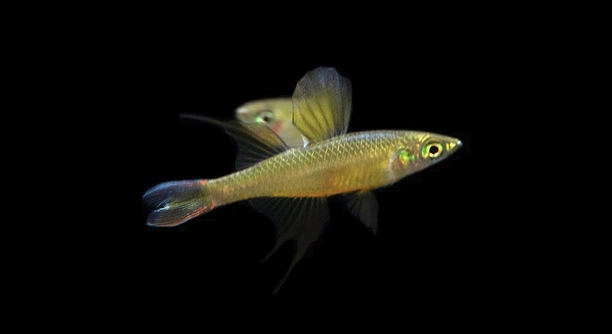
Do you ever notice your threadfin rainbowfish appearing slower than usual, resting more often, or simply lacking their usual lively energy? Lethargy in these delicate fish can be concerning for any aquarist who values their health.
Lethargy in threadfin rainbowfish is often linked to factors such as poor water quality, stress, improper diet, parasites, temperature fluctuations, and underlying illnesses. Identifying the root cause is essential for ensuring proper care and restoring their natural vitality.
Understanding these causes will help you create a healthier environment for your fish, prevent future problems, and support their long-term well-being.
Poor Water Quality
Poor water quality is one of the most common reasons for lethargy in threadfin rainbowfish. These fish are very sensitive to changes in their aquatic environment, and even slight imbalances can cause them to slow down. Ammonia, nitrite, and nitrate levels must be carefully monitored to avoid harming your fish. Inadequate filtration, overfeeding, and infrequent water changes often lead to poor conditions, which directly affect their energy levels. A stressed fish in substandard water will often appear weak, spend more time near the bottom, and may even lose some of its natural coloring, signaling distress.
Good tank maintenance is vital for the health of threadfin rainbowfish. Regularly testing the water ensures you can address issues before they worsen. By keeping a stable and clean environment, you give your fish the best chance to stay active and thrive without unnecessary stress.
To maintain healthy water conditions, change a portion of the tank water weekly, clean the filter media appropriately, and avoid overfeeding. Uneaten food quickly breaks down, leading to ammonia spikes that harm fish. A well-planted aquarium can also help regulate water quality, as plants naturally absorb excess nutrients. Stable water parameters not only keep lethargy away but also help maintain strong immune systems.
Stress
Stress is another significant factor behind lethargy in threadfin rainbowfish. These fish are delicate, and stress can come from many sources in the aquarium. Overcrowding, sudden movements, excessive noise, or incompatible tank mates all play a role in making them less active.
Stress weakens their natural defenses, making them more susceptible to illness. Threadfin rainbowfish prefer calm, stable environments with plenty of space to swim. If the tank feels cramped, or if aggressive fish chase them, they will often hide or appear lethargic. Providing the right environment is essential to their overall health. Gentle tank mates, adequate space, and proper lighting all contribute to reducing stress. Additionally, keeping a consistent routine when feeding and maintaining the tank helps them feel secure. A well-balanced aquarium environment not only prevents stress but also allows threadfin rainbowfish to display their vibrant colors and active behavior.
Improper Diet
Feeding threadfin rainbowfish an unbalanced diet can quickly lead to lethargy. A diet lacking essential nutrients weakens their immune system, slows their activity, and prevents them from displaying their natural energy and vibrant colors in the aquarium.
These fish require a varied diet that includes high-quality flakes, micro-pellets, and occasional live or frozen foods like daphnia or brine shrimp. When they are fed the same food repeatedly, they may not receive the proper nutrients needed to stay healthy. Overfeeding is equally harmful, as excess food decays and worsens water quality. Maintaining a balance ensures your fish remain active and alert.
Paying attention to portion sizes and rotating different foods helps provide complete nutrition. Smaller feedings multiple times a day mimic their natural feeding patterns and reduce the risk of digestive issues. A nutrient-rich diet not only prevents lethargy but also supports long-term health and stronger immune responses.
Parasites
Parasites can drain the energy of threadfin rainbowfish, leaving them sluggish and uninterested in swimming. Internal parasites disrupt digestion and nutrient absorption, while external parasites irritate the skin and gills, making it harder for fish to breathe and stay active.
Visible signs of parasite infestations may include weight loss despite regular feeding, rapid gill movement, or rubbing against surfaces in the tank. Treating affected fish promptly is crucial to preventing further harm. Quarantining new fish before adding them to the main aquarium helps reduce the risk of introducing parasites. Proper medication, when used carefully, can effectively clear infections. In addition, maintaining excellent tank hygiene and stable water parameters makes fish less vulnerable. By staying observant and addressing symptoms early, you can protect threadfin rainbowfish from the draining effects of parasites and support their recovery back to normal energy levels.
Temperature Fluctuations
Sudden temperature changes can make threadfin rainbowfish sluggish and stressed. These fish thrive in stable, warm water, and even small fluctuations can affect their metabolism, causing them to lose energy and become less active in their environment.
Using a reliable heater and thermometer helps maintain a consistent temperature. Avoid placing the tank in drafty areas or near windows where outside weather can influence the water. Stability is key to keeping threadfin rainbowfish healthy and preventing unnecessary lethargy caused by shifting temperatures.
Underlying Illness
Illness often reveals itself through reduced activity in threadfin rainbowfish. Bacterial infections, fungal issues, or organ-related problems can sap their strength and make them lethargic. Observing other signs like loss of appetite, spots, or labored breathing can provide clues. Early detection and proper treatment greatly improve chances of recovery.
Lack of Stimulation
Threadfin rainbowfish may appear lethargic if their tank lacks stimulation. A bare environment with no plants, hiding spots, or room to explore can cause them to slow down. Adding decorations, live plants, and open swimming space helps restore their activity.
FAQ
Why is my threadfin rainbowfish always resting at the bottom of the tank?
Resting at the bottom often indicates stress, poor water quality, or illness. It can also signal that the water temperature is too low or that the fish is not receiving adequate nutrition. Monitoring water parameters and observing for other symptoms can help identify the cause.
Can overfeeding cause lethargy in threadfin rainbowfish?
Yes, overfeeding can reduce their energy levels. Uneaten food decays and releases toxins like ammonia into the water. This worsens water quality, stressing the fish and making them less active. Feeding smaller portions multiple times a day helps prevent this issue.
How can I improve water quality to boost activity?
Regular water changes, proper filtration, and testing for ammonia, nitrites, and nitrates are essential. Removing excess food and debris, along with using live plants, helps maintain stable water conditions, which supports healthier, more active fish.
Are there signs of parasites I should watch for?
Look for rapid gill movement, rubbing against tank surfaces, unusual spots, or sudden weight loss. Parasites can weaken the fish, making them lethargic. Quarantining new fish and treating infections early can reduce risks.
Does tank size affect my fish’s energy?
Yes, a small or overcrowded tank can stress threadfin rainbowfish. They need space to swim freely. Adequate room, hiding spots, and compatible tank mates encourage natural activity and reduce lethargy.
Can temperature changes make my fish sluggish?
Absolutely. Threadfin rainbowfish prefer stable, warm water. Sudden drops or spikes in temperature can slow metabolism and reduce activity. Using a reliable heater and thermometer, while avoiding drafts, helps maintain consistency.
How often should I feed my threadfin rainbowfish?
Smaller meals two to three times daily work best. Overfeeding or irregular feeding can lead to health problems and lethargy. Providing a varied diet, including high-quality flakes and occasional live or frozen foods, ensures proper nutrition and energy levels.
Can stress from tank mates cause inactivity?
Yes. Aggressive or overly active tank mates can intimidate threadfin rainbowfish, causing them to hide or remain still. Choosing calm, compatible fish and providing hiding spots reduces stress and encourages normal activity.
Is lethargy always a sign of illness?
Not always. Lethargy can result from poor water quality, diet, temperature, or stress. Observing behavior, appetite, and physical appearance helps differentiate between environmental issues and illness, allowing timely intervention.
What immediate steps can I take if my fish becomes lethargic?
Check water parameters, ensure proper temperature, and examine the fish for visible signs of parasites or disease. Adjust diet, improve tank conditions, and isolate affected fish if needed. Early attention improves recovery chances and prevents further complications.
Can live plants help reduce lethargy?
Yes, live plants improve water quality by absorbing excess nutrients, providing hiding spots, and creating a more natural environment. They help reduce stress, encourage activity, and support overall health in threadfin rainbowfish.
How long does it take for fish to recover from lethargy?
Recovery depends on the cause. Addressing environmental issues like water quality or stress can show improvements within days. Illness or parasites may take longer, requiring medication and careful monitoring. Consistency in care is key to restoring energy.
Are there preventive measures to keep my fish active?
Maintaining clean water, stable temperature, a balanced diet, and an enriched tank environment prevents lethargy. Regular observation and proactive care help catch issues early, ensuring threadfin rainbowfish remain lively and healthy over time.
Can I use medications without knowing the cause of lethargy?
It’s risky. Using medication without identifying the cause may stress the fish or worsen the problem. Correct diagnosis, based on behavior, water tests, and physical signs, ensures treatment is safe and effective.
Do older fish naturally become less active?
Yes, aging threadfin rainbowfish may show slightly reduced activity, but sudden lethargy is usually a sign of stress or health issues. Monitoring changes carefully distinguishes between normal aging and potential problems.
How important is tank cleaning in preventing lethargy?
Extremely important. Regular cleaning removes waste, uneaten food, and debris that can harm water quality. A clean tank reduces stress, supports immune health, and encourages natural activity levels in threadfin rainbowfish.
Can changes in lighting affect their energy?
Yes. Sudden changes in lighting or overly bright lights can stress fish. Consistent, moderate lighting that mimics natural day-night cycles helps maintain normal activity patterns and reduces lethargy.
Is quarantine necessary for new fish?
Quarantine protects your existing fish from potential parasites or diseases. Isolating new arrivals for at least two weeks helps prevent the introduction of infections that could lead to lethargy. Proper observation during this period ensures they are healthy before joining the main tank.
How do I tell the difference between stress and illness?
Stress often causes hiding, slight color fading, or reduced activity, while illness may include spots, labored breathing, or rapid weight loss. Observing multiple signs together and reviewing environmental factors helps determine the cause and appropriate response.
Can water hardness impact my fish’s activity?
Yes, extreme pH or hardness levels can stress threadfin rainbowfish, affecting their metabolism and energy. Keeping parameters within recommended ranges promotes health and prevents lethargy. Regular testing ensures consistency and reduces potential problems in their environment.
How can I encourage my fish to become more active?
Provide space to swim, live plants, hiding spots, and compatible tank mates. A varied diet, stable water, and a calm environment all help restore energy and stimulate natural behavior in threadfin rainbowfish.
Final Thoughts
Lethargy in threadfin rainbowfish is often a clear sign that something in their environment or care routine needs attention. These fish are sensitive and react quickly to changes in water quality, temperature, or diet. Maintaining a clean and stable tank is essential for their overall health. Monitoring ammonia, nitrite, and nitrate levels, performing regular water changes, and using a reliable filtration system helps create a safe environment where they can thrive. Small details, like removing uneaten food promptly and avoiding overcrowding, make a significant difference in preventing stress and inactivity.
Diet also plays a crucial role in keeping threadfin rainbowfish active. Feeding them a varied, nutrient-rich diet ensures they receive the essential vitamins and minerals needed to stay energetic. High-quality flakes or micro-pellets, supplemented with occasional live or frozen foods, provide balanced nutrition. Overfeeding or feeding the same food repeatedly can weaken their immune system and contribute to lethargy. Smaller meals given multiple times a day can mimic natural feeding habits, reduce waste in the tank, and improve water quality. Paying attention to diet alongside tank conditions helps maintain their vibrant colors and natural behavior.
Stress and illness are additional factors that can lead to lethargy. Threadfin rainbowfish are calm, delicate fish that require a peaceful environment. Aggressive or incompatible tank mates, sudden changes in lighting, or temperature fluctuations can all increase stress and reduce activity. Parasites, bacterial infections, or organ-related problems also cause weakness and slow movement. Observing behavior, appetite, and physical appearance closely allows for early detection and intervention. Providing hiding spots, live plants, and adequate swimming space reduces stress, while prompt treatment of illness ensures recovery. A combination of consistent care, proper nutrition, and attentive observation is the best approach to keeping threadfin rainbowfish healthy, active, and vibrant.

Hello,
If you enjoy the content that we create, please consider saying a "Thank You!" by leaving a tip.
Every little bit helps us continue crafting quality advice that supports the health, happiness, and well-being of pets around the world, for pets of all shapes, sizes, and species.
We really appreciate the kindness and support that you show us!