
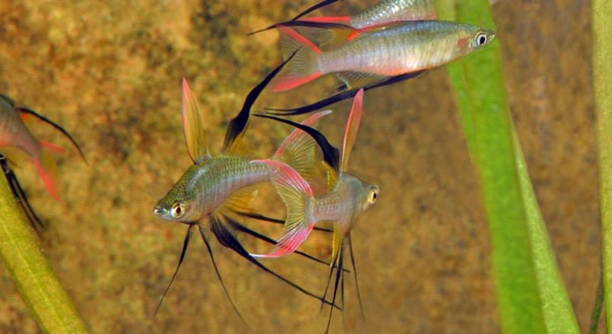
Have you ever noticed your threadfins hovering near plants and wondered if they prefer resting among the leaves inside their tank? Observing their delicate behavior can sometimes leave you curious about their true resting habits.
Threadfins often seek comfort and security by resting near or within plant leaves. These natural hiding spots provide them with a sense of safety, reduce stress, and mimic their native environments. Aquatic plants not only serve as shelter but also support healthier behavior.
Exploring how threadfins interact with plants offers insight into their care, creating a balanced aquarium where they feel comfortable and thrive.
Why Threadfins Rest in Plant Leaves
Threadfins are gentle fish that thrive in peaceful environments. In an aquarium, they are often drawn to plants as natural resting places. The leaves provide them with a calm and shaded area where they can pause and feel secure. In the wild, threadfins inhabit rivers and streams with plenty of vegetation, which offers them both protection and a sense of familiarity. By resting among plant leaves, they can avoid strong currents and conserve energy. This behavior is instinctive and allows them to mimic the comfort they would naturally seek in their native habitats. For aquarium keepers, observing this behavior is a positive sign that the fish are adapting well to their environment. Adding live or artificial plants to their tank ensures that threadfins have the option to rest comfortably, helping to reduce stress and improve overall health.
Plant leaves give threadfins a sense of safety and help them feel less exposed. This natural preference encourages relaxation.
The resting behavior also has health benefits for threadfins. Stress is reduced when they have safe spaces to retreat to, which directly impacts their immune system. Without proper shelter, fish can become anxious, making them more prone to illness and aggression. Incorporating plants creates a balanced setting where threadfins not only feel secure but also remain healthier. When plants are abundant, their colors and movements appear more vibrant, showing signs of comfort. Even simple floating plants can provide shade and areas for hiding, making the aquarium more inviting. This natural connection to plants demonstrates how important it is to replicate a habitat that feels familiar and secure for them.
Creating a Comfortable Environment for Threadfins
Providing threadfins with plants ensures they have safe spaces to rest. It also helps recreate the calm, plant-rich habitats they naturally prefer.
When setting up an aquarium, it is important to consider the specific needs of threadfins. Choosing a variety of plants, such as floating species, tall stems, and broad-leaf types, will give them options for resting and hiding. Live plants are especially beneficial because they contribute to water quality by absorbing nitrates and providing oxygen. However, artificial plants can also be useful if maintained properly. Positioning plants in clusters creates shaded areas while leaving open space for swimming. Threadfins prefer calm water, so gentle filtration that does not disturb their resting spots is essential. Adequate lighting is also important, as plants thrive with balanced light, and threadfins enjoy soft illumination that mimics their natural environment. Adding plants not only benefits the fish but also enhances the overall appearance of the aquarium, making it more appealing. By combining proper planting with stable water conditions, threadfins can live healthier, more stress-free lives.
The Role of Plants in Reducing Stress
Threadfins feel safer when they have plants around them. Leaves create natural barriers that reduce exposure and help them relax. Without these calm spaces, their stress levels may rise, affecting their overall health and activity.
Plants also provide a sense of familiarity that threadfins instinctively recognize. In their natural habitats, dense vegetation shields them from predators and strong currents. By replicating this environment, aquariums become less stressful for them. Reduced stress helps maintain stronger immune systems, better coloration, and smoother behavior. Threadfins that rest comfortably in plants often display brighter fins and more graceful movements.
Beyond safety, plants reduce stress by offering threadfins quiet zones to retreat into. These shaded, calm areas promote balance in their daily rhythms, ensuring they do not feel overexposed. With proper vegetation, they rest more often, remain healthier, and avoid constant anxious swimming throughout the tank.
Choosing the Right Plants for Threadfins
Broad-leaf plants are highly effective for threadfins, as they provide wide resting spaces. Floating plants are equally helpful, creating shaded cover while keeping the surface calm, which threadfins naturally appreciate in a well-structured environment.
When selecting plants, it is best to combine several types for variety and function. Live plants such as java fern and anubias offer strong, broad leaves, while hornwort and cabomba add finer textures for cover. Floating options like duckweed or water lettuce create surface shade. Artificial plants can also be used, though they should be placed thoughtfully to avoid sharp edges. A balanced combination ensures that threadfins have both open swimming space and secure places to rest. By designing a plant layout that mimics their natural environment, threadfins enjoy improved health, less stress, and more consistent activity. This careful planning helps them thrive in any aquarium setup.
How Plants Improve Tank Balance
Plants naturally help regulate water quality by absorbing excess nutrients. This prevents harmful buildup and makes the environment safer for threadfins. Balanced water conditions reduce stress, improve health, and support their natural resting behaviors within the leaves.
In addition to filtering water, plants also provide oxygen. This gentle oxygen release supports better breathing for threadfins, especially during resting periods. When oxygen levels remain stable, fish maintain higher energy and show stronger overall vitality, making their daily activity smoother and healthier.
Observing Threadfin Behavior Around Plants
Watching threadfins interact with plants reveals much about their comfort. When they rest often in leaves, it shows they feel safe. Resting fish display smoother movements, brighter coloration, and spend less time nervously swimming, which are all signs of reduced stress.
Why Resting Matters for Threadfins
Resting within plants allows threadfins to conserve energy. This balance keeps them healthier, reduces unnecessary stress, and supports natural behavior. When aquariums offer these spaces, threadfins thrive, showing their best colors and movements while enjoying a calm, comfortable environment.
FAQ
Do threadfins always rest in plant leaves?
Threadfins often choose plant leaves as resting spots, but they do not rely on them exclusively. Some may rest in shaded areas of the tank or near driftwood. However, plants are their most natural choice because they provide safety, comfort, and a familiar structure.
What types of plants do threadfins prefer?
Threadfins tend to rest in broad-leaf plants like anubias and java fern. These provide solid, wide surfaces for support. Floating plants, such as water lettuce or duckweed, also create shade, offering calm spaces near the surface that threadfins naturally enjoy.
Can artificial plants work for threadfins?
Artificial plants can be used if live plants are not an option. They provide structure and hiding places, which still reduce stress. However, sharp edges should be avoided, as they may harm threadfins’ delicate fins and discourage natural resting behavior.
Do plants affect the health of threadfins?
Yes, plants directly support threadfin health. By creating safe places to rest, plants reduce stress, which strengthens their immune system. Live plants also improve water quality, making the aquarium healthier overall and contributing to the long-term well-being of the fish.
Is resting in plants a sign of sickness?
Resting in plants is normal behavior for threadfins and usually a sign of comfort. However, if a fish spends excessive time motionless or shows clamped fins, pale color, or difficulty swimming, it may indicate illness rather than natural resting.
How do I know if my threadfins are stressed?
Stressed threadfins may dart around, avoid food, or stay hidden constantly without resting calmly. In contrast, relaxed threadfins rest in leaves, swim gracefully, and display vibrant colors. Observing these details helps determine if your aquarium is providing the right conditions.
Do threadfins need floating plants?
Floating plants are not essential, but they are highly beneficial. They soften the lighting, provide shaded areas, and give threadfins extra spaces to rest. Many aquarists notice calmer behavior and brighter colors when floating plants are included in the setup.
Will too many plants crowd the tank?
Yes, overcrowding can become a problem if plants take up too much space. Threadfins need open swimming areas as well as hiding spots. Balancing clusters of plants with clear sections ensures they can rest comfortably without feeling restricted in their movements.
Do threadfins rest more during certain times of day?
Threadfins are more likely to rest when the lights are dim or during nighttime. However, they may also take short pauses throughout the day. Plants allow them to rest naturally whenever they need, regardless of the time of day.
Can threadfins rest without plants?
Threadfins can rest without plants, but they may feel more exposed. They might settle near decorations, tank corners, or driftwood. Plants make resting safer and more natural, which reduces stress and supports healthier, more balanced behavior in the long run.
Do live plants make threadfins more active?
Yes, live plants encourage natural activity. With proper resting spots available, threadfins feel more secure and confident, which results in graceful, flowing movements. They spend less time anxiously swimming and more time displaying natural behaviors, including exploring and interacting with their surroundings.
Should plants cover the entire aquarium?
Plants should not cover the entire tank. A balanced layout with both open swimming areas and planted sections is ideal. Threadfins need resting spaces but also enjoy gliding through open water, showing their fins in full display. Balance keeps them happy.
How many plants are enough for threadfins?
The exact number depends on tank size, but it is best to provide a few clusters throughout the aquarium. At least three to four groups of plants are usually sufficient. This gives threadfins options for resting while still maintaining free swimming space.
Do threadfins sleep in plants?
Yes, threadfins do rest at night and often choose plants as their preferred sleeping areas. The leaves act as shelter, giving them a safe, calm spot to remain still. This is natural behavior that mirrors what they would do in the wild.
Are threadfins more colorful when plants are present?
Threadfins often display brighter colors when plants are available. Stress reduction plays a role, as comfort leads to stronger pigmentation. A planted tank also enhances their natural appearance, allowing their fins and patterns to stand out more against the green background.
Do threadfins need special care with plants?
Threadfins do not need special care with plants, but the plants themselves require maintenance. Trimming, cleaning, and proper lighting keep plants healthy. Healthy plants create stronger habitats, indirectly benefiting threadfins by ensuring their resting spaces remain consistent and reliable.
Can threadfins share plants with other fish?
Yes, threadfins can share plants with peaceful species. Plants provide cover and resting spaces for many fish at once. However, aggressive or fin-nipping fish may disrupt threadfins, making them less likely to rest comfortably, even when plants are available.
Will threadfins eat plants?
Threadfins generally do not eat plants. They may pick at algae or microorganisms growing on the leaves, but they do not damage the plants themselves. This makes them excellent for planted aquariums, as the vegetation remains safe and functional.
Do threadfins use plants for breeding?
Yes, threadfins often use plants during breeding. Females may lay eggs on leaves or among plant clusters, where eggs remain protected. Plants provide a natural spawning site, helping maintain the safety and survival of eggs in the aquarium environment.
Final Thoughts
Caring for threadfins becomes more rewarding when we understand their natural behaviors. Resting in plant leaves is not only a habit but a reflection of their instinctive need for safety and balance. In their native habitats, vegetation plays a vital role, offering shelter from predators, calm waters for recovery, and shaded zones that ease stress. Bringing this element into an aquarium creates a familiar environment where threadfins can display their natural grace. Plants provide more than just decoration; they form part of the ecosystem that supports healthy, relaxed, and vibrant fish. By observing their tendency to rest in plants, we gain insight into how comfort directly influences health and activity. These small details matter because they allow us to see our fish not simply as decorations but as living beings with real needs that must be met.
Creating a comfortable aquarium for threadfins involves careful thought about their surroundings. A mix of live and artificial plants ensures they always have a safe place to pause, while open swimming areas allow them freedom of movement. Floating plants add shaded cover, which helps mimic the conditions they are naturally drawn to. Live plants further improve the balance of the tank by absorbing excess nutrients and releasing oxygen, promoting stability that benefits the entire community of fish. Threadfins respond positively to these adjustments, showing brighter colors, smoother movements, and reduced anxiety. A well-planted aquarium reduces stress-related health issues, making it easier for them to thrive. Observing these results reminds us of how small changes in care can create a big difference in their overall well-being. By considering their instincts, we transform an ordinary tank into a supportive and natural space that makes threadfins feel at ease.
Resting is an important part of every fish’s daily rhythm, and threadfins are no exception. Their preference for plant leaves shows how deeply connected they are to their environment. Without proper resting areas, they become more vulnerable to stress, illness, and unnatural behavior. With plants in place, they have spaces where they can recover, feel secure, and continue moving with elegance when they are active. This balance between rest and activity creates a healthier aquarium where threadfins live closer to the way they would in the wild. As aquarists, recognizing these needs allows us to provide thoughtful care that respects their instincts. When we give them what they naturally seek, we are rewarded with a thriving, peaceful aquarium full of life, beauty, and harmony.

Hello,
If you enjoy the content that we create, please consider saying a "Thank You!" by leaving a tip.
Every little bit helps us continue crafting quality advice that supports the health, happiness, and well-being of pets around the world, for pets of all shapes, sizes, and species.
We really appreciate the kindness and support that you show us!