
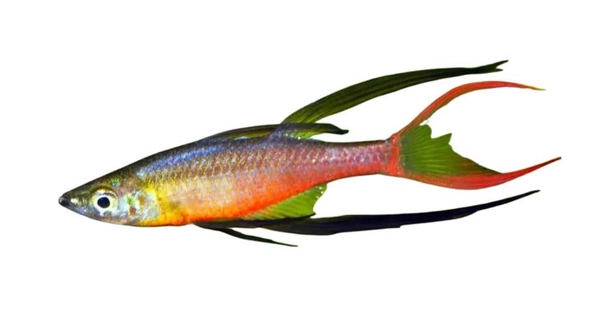
Have you ever watched your threadfin rainbowfish swim around the tank and noticed subtle differences in how they behave? Each fish seems to move, explore, and react in its own way, making them fascinating to observe every day.
Threadfin rainbowfish exhibit distinct individual personalities that can be observed through variations in activity levels, interaction with tank mates, and response to environmental changes. These differences are consistent, highlighting the species’ capacity for unique behavioral traits among individuals.
Observing these fish closely reveals patterns and quirks that go beyond general species behavior, providing insights into their natural tendencies and interactions.
Recognizing Personality Traits in Threadfin Rainbowfish
Observing threadfin rainbowfish over time makes it clear that each fish has its own distinct personality. Some are naturally more curious, exploring every corner of the tank, while others prefer to stay near decorations or plants. Their responses to feeding are different too—certain fish rush immediately to the food, while others wait and watch. Social interactions also vary; some fish actively swim together, creating small groups, while others seem more independent. Even subtle behaviors, like how quickly they react to movement outside the tank or changes in lighting, can reveal unique characteristics. By paying close attention, patterns emerge that allow owners to identify which fish is more dominant, which one is shy, and which prefers calm environments. Over time, these observations become consistent, showing that their personalities are not random but stable traits that influence daily activity and interactions with other tank mates. Understanding these nuances helps create a more balanced and engaging aquarium environment.
Recognizing individual behaviors enhances care and observation, making each fish feel more alive and engaging.
By noting activity levels, feeding habits, and social interactions, owners can adjust tank setups and routines to suit each fish. This might involve providing hiding spaces for shy fish, ensuring more active fish have open areas to explore, or adjusting feeding times to accommodate different appetites. Observing personalities can also help prevent stress, as knowing which fish prefer solitude versus social interaction allows for a more harmonious community. Over time, these insights deepen the connection between observer and fish, revealing the subtle complexities behind behaviors that might otherwise be overlooked. The patterns of curiosity, caution, or playfulness are all indicators of personality, and attending to these details makes caring for threadfin rainbowfish more intuitive. By adjusting the environment to reflect the needs of each individual, it becomes easier to maintain health, reduce conflicts, and promote natural behaviors that keep the fish active and thriving. This attention to detail ultimately improves overall tank harmony and ensures each fish’s well-being.
How Environment Influences Behavior
The tank environment plays a major role in shaping fish behavior. Even personalities can shift slightly depending on surroundings, hiding spots, and companions.
A well-structured tank encourages natural activity and lets each fish express its personality more fully. Adding plants, rocks, and open spaces allows shy fish to feel secure while giving active fish room to explore. Water conditions, such as temperature and cleanliness, also influence energy levels and interactions. Changes in light or movement outside the tank can provoke responses that highlight curiosity or caution. Even the presence of new tank mates can shift social hierarchies, revealing traits like dominance or timidity. By paying attention to how fish adapt to these variables, owners gain insight into the interplay between environment and personality. Adjustments to decor, lighting, or placement can significantly impact behavior, allowing each fish to thrive and display its natural tendencies consistently, creating a healthier, more dynamic aquarium.
Feeding Habits and Individuality
Some threadfin rainbowfish are quick to approach food, while others are slower, observing before eating. Feeding time often highlights differences in boldness, curiosity, and confidence among the fish, reflecting their unique personalities and natural tendencies within the tank environment.
Feeding habits reveal more than appetite. Some fish dart to the surface immediately, showing assertiveness, while others hang back, appearing cautious or selective. Timing, speed, and positioning during feeding indicate dominance, social comfort, and comfort levels with their surroundings. Certain fish will even compete subtly for preferred food spots, while others remain content in quieter areas. Observing these habits helps understand hierarchy, temperament, and interaction styles, giving valuable insight into their day-to-day behaviors and needs.
Tracking feeding behavior over weeks or months can show consistent patterns. A fish that consistently approaches food last or avoids crowded areas may be shy, while one that always takes center stage demonstrates confidence. These small distinctions provide clues about how fish respond to changes, stress, or new additions in the tank. Recognizing feeding patterns allows for tailored care, such as distributing food evenly to reduce stress or ensuring shy fish get proper nutrition without competition. This attention ensures all fish maintain health while preserving their unique behavioral traits.
Interaction with Tank Mates
Dominant and more outgoing fish tend to assert themselves in shared spaces, influencing group movement and social order. Observing these interactions can reveal which fish lead or follow in the tank.
Social behavior varies among individuals. Some fish actively swim together, forming small groups, while others prefer solitude. Responses to chasing or nudging show levels of assertiveness or passivity, with bolder fish exploring more or gently nudging others aside. Fish that consistently avoid confrontation demonstrate cautiousness or timidity, whereas more proactive fish initiate play or investigate new areas. Differences in movement patterns and positioning also indicate hierarchy and comfort levels. Understanding these dynamics allows owners to anticipate conflicts, provide adequate hiding spaces, and maintain a harmonious environment. Careful observation helps identify personalities that influence overall tank behavior and social balance.
Response to Changes
Threadfin rainbowfish react differently to changes in their tank, such as rearranged decorations or altered lighting. Some adapt quickly, exploring new areas confidently, while others become cautious, staying close to familiar spots until they feel safe again.
Personality affects how each fish handles stress. Bold fish may investigate disturbances immediately, while shy individuals retreat and remain hidden for longer periods. These responses reveal coping strategies and temperament differences, showing that even minor environmental changes can highlight distinct behavioral traits among fish in the same tank.
Playfulness and Curiosity
Playful fish often explore, chase reflections, or investigate new objects, showing higher levels of curiosity. Observing these behaviors provides insight into energy levels, confidence, and comfort in the tank. Tracking these tendencies helps owners understand individual personalities and adjust care to suit each fish’s behavioral needs.
Stress Indicators
Shy or stressed threadfin rainbowfish may hide, stay still, or reduce feeding activity. Recognizing these signals allows timely intervention to maintain health and well-being.
FAQ
How can I tell if my threadfin rainbowfish has a unique personality?
Observing behavior over time is key. Notice differences in activity levels, feeding habits, and reactions to other fish. Some fish may explore constantly, while others stay near hiding spots. Shy fish often avoid the center of the tank, while bolder ones lead swimming patterns or approach food first. Personality traits are consistent, so repeated observation helps identify each fish’s tendencies clearly.
Do threadfin rainbowfish prefer being in groups or alone?
Most threadfin rainbowfish enjoy social interaction, but personality affects group behavior. Some fish actively swim in clusters, following or chasing companions, while others are more independent, exploring on their own. Shy fish may stick to edges or plants, avoiding crowded areas, while confident fish engage more openly. Tank structure can support both, giving space for exploration and safe hiding spots.
Why does one fish always eat first while others wait?
Dominance, confidence, and temperament influence feeding order. Bold fish often approach food quickly, asserting themselves, while shy fish wait and observe. This hierarchy is normal and doesn’t mean the slower fish are unhealthy. Observing patterns helps provide balanced feeding, such as scattering food or placing it in different areas so all fish get a chance.
Do threadfin rainbowfish show aggression?
Aggression is typically mild and linked to personality. Dominant fish may chase others or claim favorite spots, but it rarely causes serious harm if the tank is large enough with hiding areas. Shy fish retreat rather than fight, and overall social balance is maintained. Adjusting tank layout can reduce stress and minimize conflicts.
How do environmental changes affect their behavior?
Fish respond differently to changes in decorations, lighting, or water conditions. Bold fish explore new additions immediately, while cautious fish may hide until they adjust. Temperature shifts, new tank mates, or sudden movements can trigger curiosity or stress depending on individual temperament. Consistent monitoring ensures fish remain comfortable.
Can feeding habits indicate health problems?
Yes. Sudden changes in appetite may signal stress, illness, or personality shifts under environmental pressures. Shy fish might eat less if dominant fish are nearby, while generally active fish that stop eating may require closer attention. Observing feeding patterns helps detect issues early and maintain proper nutrition for each fish.
Do threadfin rainbowfish remember past interactions?
They exhibit memory of social interactions and environmental experiences. Fish may avoid previous areas of conflict, recognize dominant tank mates, or remember feeding locations. This memory contributes to consistent personality expression and can help owners understand behavior over time.
How do I support shy fish in a community tank?
Provide hiding spots like plants, rocks, or caves. Feed in multiple locations to reduce competition and allow shy fish access to food. Minimizing sudden changes and observing their comfort level encourages confidence. Over time, shy fish may explore more while retaining their cautious nature.
Are some fish naturally more playful than others?
Yes. Playfulness varies by individual. Some fish explore reflections, investigate new objects, or swim energetically, while others prefer quiet areas. These behaviors indicate confidence, curiosity, and energy levels, helping owners tailor tank care to suit each personality type.
Will individual personalities affect breeding behavior?
Personality influences mating and social hierarchy. Dominant or confident fish may initiate courtship, while shy fish wait or avoid interactions. Providing adequate space, hiding spots, and observing interactions ensures all fish can participate safely without stress. Personality differences help maintain natural dynamics within the tank.
How can I track and understand all these personalities effectively?
Regular observation is essential. Take notes on feeding order, movement patterns, social interactions, and responses to changes. Photographs or videos can help document subtle behaviors. Over time, patterns emerge, allowing you to tailor tank setup, feeding schedules, and care routines to support each fish’s personality and health.
Do personalities change over time?
Major traits are mostly stable, but minor changes can occur with growth, social dynamics, or environmental shifts. A shy fish may become bolder if confident companions or safe spaces are provided, while dominant fish may adapt if challenged by peers. Observing trends over weeks ensures accurate understanding.
Can I encourage shy fish to become more confident?
Yes, gradually. Adding gentle exploration opportunities, minimizing competition, and providing multiple hiding spots helps build confidence. Avoid forcing interactions; patience and consistent care allow fish to express curiosity safely. Confidence levels may increase, though core personality traits remain recognizable.
Are threadfin rainbowfish compatible with other species given their personalities?
Compatibility depends on both personality and tank setup. Peaceful, shy fish coexist well with other non-aggressive species. Dominant or playful fish may need more space to prevent stress. Observing interactions and adjusting environments ensures that all fish express their personalities safely while maintaining harmony.
How much does tank size impact behavior?
Larger tanks give fish space to explore, establish territories, and express unique behaviors. Small tanks can increase stress, limit exploration, and amplify conflicts, especially for dominant or energetic individuals. Providing adequate space supports healthy expression of personality, reduces aggression, and maintains well-being for all tank inhabitants.
Can stress hide a fish’s natural personality?
Yes. Stressed fish may become withdrawn, reduce activity, or hide more than usual, masking their natural behavior. Identifying stressors like water quality, overcrowding, or dominant tank mates and addressing them helps fish return to normal activity levels, revealing true personality traits consistently.
Does observing personalities improve care?
Absolutely. Understanding feeding habits, social dynamics, and reactions to environmental changes allows tailored care. Adjusting tank setup, feeding routines, and monitoring stress improves health and promotes natural behavior. Observing personalities creates a more engaging and balanced environment for all fish.
Are some behaviors unique to individual fish rather than the species?
Yes. While certain tendencies are species-wide, such as schooling, individual differences in curiosity, boldness, and social interaction are unique. Each fish has subtle quirks that distinguish it from others, making personality recognition essential for effective observation and care.
How long does it take to recognize distinct personalities?
Consistent daily observation over several weeks is usually sufficient. Tracking feeding, movement, and social behavior reveals patterns. Some traits are immediately noticeable, while others appear gradually. Patience and attention to detail ensure an accurate understanding of each fish’s individuality.
Can I use personality knowledge to reduce conflicts?
Yes. Recognizing dominant, shy, or playful behaviors allows strategic tank arrangement, feeding distribution, and hiding spot placement. Understanding interactions helps prevent stress, reduce aggressive encounters, and maintain a harmonious community where each fish can express its natural personality safely.
Does water quality affect behavior and personality expression?
Absolutely. Poor water conditions can increase stress, reduce activity, and mask natural behaviors. Clean, stable water encourages normal energy levels, exploration, and social interactions. Maintaining optimal conditions ensures personality traits remain visible and fish thrive in a healthy environment.
Are older fish’s personalities different from younger ones?
Age can influence activity and social behavior. Younger fish often show higher curiosity and energy, while older fish may become more cautious or reserved. Personality traits remain recognizable, but growth and experience can subtly shape daily behavior and interactions with other tank mates.
How do I balance multiple personalities in one tank?
Provide sufficient space, hiding spots, and feeding distribution. Observe interactions to identify dominant or shy fish and adjust the environment accordingly. Tailoring care for both active and reserved individuals ensures a harmonious tank where all fish maintain health and express their unique personalities.
What’s the benefit of understanding these individual personalities?
Recognizing unique traits helps improve care, reduce stress, and maintain tank harmony. It allows more precise feeding, tailored environments, and better anticipation of social interactions. Appreciating these differences makes keeping threadfin rainbowfish more engaging and rewarding while supporting their long-term well-being.
Do these personalities influence lifespan or health?
Indirectly, yes. Stress, social conflicts, or poor feeding can impact health and longevity. Understanding personalities allows tailored care that minimizes stress and ensures balanced nutrition, contributing to healthier fish and potentially longer lifespans by promoting natural, comfortable behaviors.
Can I document and share these behaviors?
Recording observations through notes, photos, or videos helps track patterns over time. Sharing with other owners or keeping a personal log can improve understanding, highlight unique personalities, and provide reference for care adjustments or breeding considerations.
Do personality traits affect breeding success?
Yes. Confident, active fish may initiate courtship more readily, while shy fish might avoid interactions. Providing adequate space, hiding areas, and observing interactions ensures all fish can participate safely, maintaining natural reproductive behaviors while respecting individual personalities.
How important is patience when observing personalities?
Patience is critical. Subtle differences may take days or weeks to notice. Avoid rushing observations or forcing interactions. Consistent attention and gentle care allow fish to express natural behaviors, providing a clearer understanding of personality traits over time.
Can stress permanently alter a fish’s personality?
Extreme or prolonged stress may temporarily suppress certain behaviors, but core personality traits usually persist. Addressing stressors promptly allows fish to return to normal activity, revealing their inherent characteristics once conditions improve.
How do I encourage playful behavior safely?
Introduce safe objects or reflections gradually. Allow exploration without forcing interaction. Playfulness can increase confidence, energy, and curiosity, helping fish express natural tendencies without causing stress or conflict with other tank mates.
Is it normal for a fish to change personality after moving to a new tank?
Yes. Adjustment periods may cause temporary shyness or cautiousness. As the fish acclimates, previous personality traits often reemerge. Providing familiar hiding spots and stable conditions speeds up the transition, allowing fish to express natural behavior consistently.
Can observing personalities help identify illness early?
Absolutely. Changes in activity, social interaction, or feeding patterns may indicate health issues. Recognizing deviations from normal behavior allows early intervention, improving treatment success and maintaining overall well-being for each fish.
How do I keep track of multiple fish personalities effectively?
Maintain notes or charts on feeding behavior, social interactions, and activity levels. Photos or videos can help document subtle differences. Over time, patterns become clear, allowing tailored care, tank adjustments, and better understanding of each fish’s unique traits.
Do personalities affect schooling behavior?
Yes. Some fish prefer tight group swimming, while others explore independently. Bold or confident individuals may lead or break formation, while shy fish follow or remain on the edges. Observing these tendencies helps manage social dynamics and ensures harmonious group behavior.
Can a dominant fish suppress others’ personalities?
Dominant fish may influence shy or passive tank mates, limiting their activity or access to food. Providing hiding spaces and distributing resources evenly allows all fish to express individual behaviors without excessive stress or suppression.
Are individual personalities more noticeable in certain tank setups?
Yes. Tanks with varied spaces, plants, and open areas highlight differences in exploration, boldness, and social interaction. Sparse or crowded tanks may mask subtle behaviors, making it harder to distinguish personalities effectively.
How long should I observe to accurately understand personalities?
Several weeks of consistent observation usually reveal stable traits. Daily notes on feeding, movement, and interactions help detect patterns. Patience and attention ensure accurate understanding of individual behaviors without misinterpreting temporary reactions.
Does lighting affect personality expression?
Lighting influences activity levels and comfort. Fish may be more active under certain light conditions and retreat in others. Properly balanced lighting ensures personalities are expressed naturally, supporting energy, exploration, and social behaviors consistently.
Can personalities predict compatibility with other fish?
Yes. Recognizing bold, shy, or playful traits helps anticipate interactions with tank mates. Matching temperaments or adjusting the environment ensures peaceful cohabitation, reduces stress, and allows all fish to express natural behaviors safely.
Is it possible for shy fish to become more interactive over time?
Gradual exposure to safe spaces, minimal stress, and consistent care can increase confidence. While core personality remains, cautious fish may explore more and interact safely, reflecting improved comfort without losing natural tendencies.
How do I balance different activity levels in one tank?
Provide both open areas for energetic fish and hiding spots for calmer fish. Stagger feeding locations, monitor interactions, and adjust decor to accommodate various temperaments. This balance ensures all fish thrive without stress or conflict.
Can documenting personalities help with breeding decisions?
Yes. Understanding dominant, shy, or playful traits guides pairing for breeding. Observing courtship behavior, social hierarchy, and comfort levels ensures successful reproduction while respecting each fish’s natural personality.
Does temperature influence behavioral expression?
Temperature affects energy levels. Warmer water may increase activity and curiosity, while cooler conditions can reduce movement. Maintaining stable, appropriate temperatures ensures personalities are expressed naturally and consistently.
Can sudden changes in environment cause long-term personality shifts?
Temporary behavioral changes may occur, such as increased hiding or reduced activity. Core personality traits usually return once conditions stabilize. Gradual adjustments help prevent prolonged stress and maintain natural behavior patterns.
How does tank complexity affect behavior?
Complex tanks with plants, rocks, and open spaces allow fish to explore, hide, and interact, enhancing expression of personality traits. Sparse or uniform tanks may limit opportunities for displaying natural behaviors, making individual differences less noticeable.
Are some fish naturally more cautious around humans?
Yes. Shy individuals may avoid interaction, hiding during observation or approaching slowly. Bold fish may investigate hands or movements near the tank. Recognizing these tendencies allows better care and minimal stress during handling or maintenance.
Do personalities influence rest and activity cycles?
Yes. Bold fish may explore throughout the day, while shy fish may stay hidden more often. Recognizing these cycles ensures proper feeding, reduces stress, and accommodates natural behavior patterns in the tank environment.
Can I use personality knowledge to improve tank enrichment?
Absolutely. Providing objects to explore, varying feeding routines, and adjusting space to match activity levels enhances stimulation. Tailoring enrichment based on individual traits encourages natural behavior, curiosity, and mental engagement for all fish.
How can I track changes in behavior over time?
Use notes, charts, and photos to record feeding, social interactions, and movement patterns. Comparing data over weeks or months highlights trends, confirms personality stability, and identifies potential stress or health concerns early.
Is it normal for fish to react differently to the same stimulus?
Yes. Individual temperament dictates response. Bold fish may approach quickly, shy fish may retreat, and playful fish may investigate cautiously. Recognizing these differences helps interpret behavior and tailor care to each personality.
Do personalities affect response to tank mates’ illness?
Yes. Some fish may avoid sick companions, while others show curiosity. Understanding personalities helps manage exposure, reduce stress, and maintain balanced social interactions during health challenges in the tank.
Can I encourage exploration safely?
Yes. Introduce new objects gradually, provide hiding spots, and minimize competition. Encouraging exploration enhances confidence, playfulness, and curiosity without causing stress or disrupting social dynamics.
Are individual behaviors consistent across tanks?
Generally, yes. Core personality traits remain, though slight adaptations may occur based on environment, companions, or tank setup. Observing behavior in different settings confirms consistent tendencies and provides insight into natural individuality.
How do I know if a fish is stressed or just shy?
Shy fish consistently avoid interaction but resume normal behavior in safe spaces. Stressed fish show sudden changes in activity, appetite, or social behavior. Monitoring patterns over time helps differentiate normal temperament from stress responses, allowing appropriate interventions.
Do personalities influence response to feeding methods?
Yes. Bold fish may rush to floating pellets, while cautious fish wait or nibble slowly. Observing preferences and adjusting feeding locations ensures all fish receive proper nutrition and express natural tendencies comfortably.
Can observing personalities enhance enjoyment of keeping fish?
Absolutely. Recognizing quirks, habits, and interactions makes daily observation more engaging. Understanding individuality creates a more dynamic, interactive, and rewarding aquarium experience while promoting healthier, happier fish.
Are all behavioral differences noticeable immediately?
Not always. Some traits appear gradually with consistent observation. Feeding order, movement patterns, and social interactions may take weeks to identify, requiring patience to understand the full range of personalities in the tank.
How do I handle conflicts between dominant and shy fish?
Provide hiding spots and sufficient space. Spread food in multiple locations to reduce competition. Monitoring interactions ensures dominant fish do not overly stress shy individuals, maintaining balance and health within the tank community.
Do personalities affect reaction to sudden noises or vibrations?
Yes. Bold fish may investigate, shy fish often hide, and playful fish may display curiosity with caution. Individual temperament shapes response, highlighting differences in confidence and adaptability to environmental stimuli.
Can I adjust tank decor to match personalities?
Yes. Dense plant areas or caves support shy fish, while open swimming spaces encourage active exploration. Tailoring decor allows all fish to express natural behaviors comfortably, reducing stress and promoting well-being.
Do fish remember interactions with humans differently based on personality?
Yes. Bold fish may approach quickly, shy fish remain cautious, and playful fish investigate selectively. Observing responses over time shows how personality influences memory and interaction patterns.
Are some fish more sensitive to water parameter changes?
Yes. Shy or cautious fish often react to minor fluctuations, while confident fish adapt more readily. Maintaining stable, optimal water conditions ensures natural behavior expression and reduces stress.
How do I encourage positive social behavior?
Provide space, hideaways, and balanced feeding. Allow shy fish to explore gradually and confident fish to interact without intimidation. Positive reinforcement and stable conditions support healthy interactions and minimize conflicts.
Do personalities influence response to tank rearrangements?
Yes. Bold fish explore immediately, while shy fish remain cautious. Recognizing these tendencies helps plan rearrangements gradually, minimizing stress and allowing all fish to adjust comfortably.
Can I predict which fish will be leaders or followers?
Observation of movement, feeding order, and interactions reveals tendencies. Confident, active fish often lead, while shy or cautious fish follow. Recognizing these roles helps manage tank dynamics effectively.
Does tank lighting change fish interaction patterns?
Yes. Bright lighting may increase visibility, encouraging activity, while dim lighting may reduce stress for shy individuals. Balancing light conditions allows all personalities to behave naturally and safely.
Can observing personalities help with long-term care planning?
Yes. Understanding activity levels, feeding habits, and social dynamics informs tank layout, enrichment, and feeding schedules. Anticipating needs based on personality ensures consistent care and promotes health, reducing stress and conflicts.
Do personalities affect response to new tank mates?
Yes. Bold fish may investigate or assert dominance, while shy fish withdraw. Gradual introductions and careful observation help all fish adapt comfortably, preserving social harmony and reducing stress-related behavior changes.
Are some fish more likely to explore new objects than others?
Yes. Curiosity varies by individual. Bold or playful fish investigate objects quickly, while cautious fish observe from a distance. Recognizing these differences helps tailor enrichment and tank layout to suit all personalities.
Can observing personalities improve feeding strategies?
Absolutely. Noting boldness, shyness, and preferences allows strategic food placement and timing, ensuring equitable access and reducing stress. Adjusting strategies based on behavior supports health and natural tendencies.
**Do fish personalities affect interaction with reflections or
Threadfin rainbowfish are more than just colorful swimmers in a tank. Each fish shows unique behaviors that make it stand out. Some are bold and confident, exploring every corner, while others are shy and prefer quiet areas. Their personalities are revealed in how they move, interact with tank mates, and respond to feeding or changes in their environment. Watching them over time makes it clear that no two fish are exactly alike. This individuality makes keeping them more engaging and rewarding because you begin to notice small quirks and habits that are uniquely theirs.
Paying attention to these differences can improve how you care for your fish. Understanding which fish are shy or cautious allows you to provide hiding spots or distribute food in ways that reduce stress. Observing bold or playful fish helps you create open spaces for exploration and movement. Even their reactions to new objects, lighting changes, or water adjustments can indicate comfort levels and temperament. Recognizing these behaviors ensures that all fish feel safe and supported, promoting natural activity and reducing potential conflicts. By tailoring care to match each personality, the tank environment becomes more balanced and enjoyable for both the fish and the keeper.
Noticing and appreciating the personalities of threadfin rainbowfish adds depth to the aquarium experience. It encourages patience and observation, as consistent patterns may take time to emerge. Over weeks or months, the distinctions in feeding habits, social behavior, and responses to changes become more obvious. This knowledge not only helps maintain the health and well-being of the fish but also strengthens the connection between the keeper and their aquatic pets. Every fish contributes something unique to the tank’s dynamic, making it a more interesting and harmonious environment. Paying attention to these subtle differences allows for a more thoughtful, informed approach to care, creating a space where the fish can thrive and express their individual traits fully.

Hello,
If you enjoy the content that we create, please consider saying a "Thank You!" by leaving a tip.
Every little bit helps us continue crafting quality advice that supports the health, happiness, and well-being of pets around the world, for pets of all shapes, sizes, and species.
We really appreciate the kindness and support that you show us!