
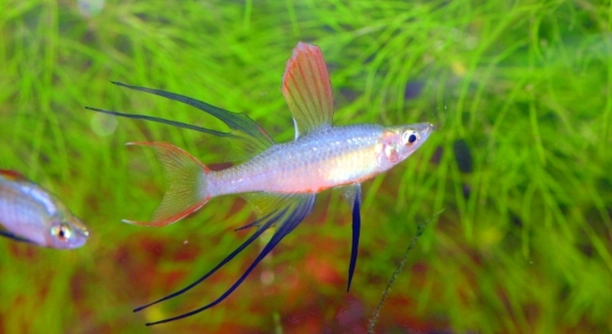
Threadfins are fascinating fish with delicate bodies and flowing fins. Observing their colors can be a simple way to notice how they feel in different situations or environments. They often communicate without making a sound.
Threadfins change their coloration to signal mood, stress, or readiness to interact. Bright or vibrant hues often indicate alertness or excitement, while dull or muted colors suggest stress, fatigue, or a need for calm. Color changes serve as a key behavioral cue.
Understanding these shifts helps you better respond to their needs. Watching how their colors evolve can reveal more about their daily habits and wellbeing.
Bright Yellow Signals Alertness
When a threadfin’s body turns bright yellow, it usually means the fish is highly alert or excited. You may notice this color when they are exploring a new part of the tank or responding to a sudden movement. This vibrant hue is more than just decoration—it’s a form of communication. Threadfins rely on color changes to signal their state to other fish around them. Observing these shifts can help you anticipate their behavior. Sometimes, the yellow appears in patches on the fins or along the body, highlighting the areas of highest attention. The intensity can vary depending on the fish’s age and health. Bright yellow often correlates with increased activity levels, faster swimming, and heightened awareness of surroundings. For tank owners, recognizing this signal can make interactions safer and more enjoyable. Being aware of their alertness level also prevents accidental stress. Over time, you learn to associate color changes with specific actions or moods.
Bright yellow in threadfins is a reliable indicator of heightened alertness and activity, signaling readiness to interact or react to stimuli.
Watching your threadfin glow yellow can be captivating. It shows how attuned the fish is to its environment.
Deep Blue Shows Calmness
Deep blue tones on a threadfin often indicate a calm, relaxed state. The fish may slow down swimming and hover in one area.
When a threadfin displays deep blue, it is usually feeling secure and stress-free. This calming color often appears during resting periods or when the environment is stable. Unlike yellow, which signals excitement, deep blue shows that the fish is comfortable and content. Observing this color can be reassuring for owners because it reflects a balanced habitat and proper care. Some threadfins may develop darker or lighter shades of blue depending on lighting or water conditions. This natural variation does not necessarily indicate distress but may reflect subtle mood shifts. Regular monitoring of these color changes helps maintain a harmonious tank environment. Deep blue can also occur alongside slow fin movements, signaling relaxation. Paying attention to when and how often this color appears offers insight into the fish’s daily routine and overall wellbeing. The presence of deep blue tones is a good sign that the fish feels safe.
Silver Shifts Indicate Stress
Silver or pale coloration in threadfins often points to stress or discomfort. This can happen when the tank conditions change or when the fish feels threatened. Recognizing silver tones early helps prevent prolonged stress.
Stress can arise from many sources, including poor water quality, sudden temperature shifts, or overcrowding in the tank. Threadfins may also turn silver when introduced to unfamiliar tank mates. This color change acts as a warning that the fish’s environment is not fully comfortable. Observing their behavior alongside the color shift, such as hiding or reduced movement, helps identify the stress trigger. By correcting water parameters, rearranging tank decorations, or separating aggressive fish, you can help the threadfin return to its natural coloration. Over time, learning to read these silver signals ensures healthier fish and a calmer tank atmosphere, minimizing repeated stress episodes and promoting a better daily routine for the fish.
Alongside the silver tones, threadfins may display twitching fins or erratic swimming, further signaling discomfort or unease. Monitoring these behaviors alongside color changes is essential for proper care.
Red Hues Show Excitement
Red coloration in threadfins often appears during feeding or social interactions. It indicates high energy and engagement with the surroundings, showing that the fish is fully alert.
Red can develop quickly, especially when a favorite food is nearby or during mating displays. Threadfins use this hue to communicate vigor and interest, both to other fish and to their environment. Bright red fins or streaks along the body usually signal increased heart rate and rapid swimming. Unlike stress-induced silver, red reflects positive arousal or enthusiasm. Observing these moments helps understand the fish’s daily routine and preferred activities. Tank conditions, such as lighting and background colors, can influence the intensity of the red. Maintaining a stable environment ensures that the red appears naturally and is not confused with stress signals. Over time, these color shifts provide insights into the fish’s moods and behavior patterns, allowing more responsive care.
Pale White Indicates Fatigue
When threadfins appear pale white, it often signals fatigue or low energy. They may stay near the bottom of the tank or move slowly, showing the need for rest.
Pale white can also result from recent activity or extended periods of stress. Ensuring proper feeding and maintaining stable water conditions helps them recover quickly.
Green Hints at Curiosity
Green shades in threadfins usually show curiosity or exploratory behavior. The fish may swim around decorations, investigate new objects, or follow movements closely. This color appears when the fish is actively engaging with its environment, signaling alertness without stress. Green tones are often temporary and shift as the fish settles.
Orange Shows Aggression
Orange coloration in threadfins can indicate territorial or aggressive behavior. This usually occurs when they compete for space or establish dominance in the tank.
FAQ
Why do threadfins change color so often?
Threadfins adjust their colors to communicate moods, stress levels, and readiness to interact. Changes can happen quickly depending on the environment, presence of other fish, feeding, or sudden movements. These color shifts are a natural way for them to respond to their surroundings.
Can color changes indicate illness in threadfins?
Yes. Sudden or prolonged dullness, excessive silvering, or irregular patchy colors can signal health problems. Poor water quality, parasites, or nutritional deficiencies often cause unusual color patterns. Regularly checking water parameters and observing behavior helps catch problems early.
Do males and females show color changes differently?
Male and female threadfins may exhibit similar color changes for mood or stress, but males sometimes display brighter or more intense hues during mating periods or territorial displays. Females tend to maintain subtler variations outside of stressful situations.
How long does it take for a threadfin to return to normal color?
The time varies depending on the cause. Temporary excitement or curiosity may fade in minutes, while stress or illness may take hours or days to resolve. Consistent care and a stable environment help threadfins regain their natural appearance faster.
Are environmental factors important for color changes?
Absolutely. Lighting, water temperature, pH, and tank decorations influence how threadfins display colors. Bright lighting can enhance hues, while poor water conditions often dull them. Maintaining consistent and suitable tank parameters is key for healthy color expression.
Can diet affect color intensity?
Yes. Nutritional intake directly impacts pigmentation. A balanced diet with sufficient protein, vitamins, and carotenoids supports vibrant and healthy colors. Feeding the same food consistently without variety may cause colors to fade over time. Supplements or color-enhancing foods can be helpful if used correctly.
Should I worry if colors are slightly off?
Minor variations are often normal and may reflect mood, activity, or lighting conditions. However, persistent dullness, patchiness, or unusual tones should be monitored. Observing behavior alongside color helps determine whether intervention is needed.
Do threadfins communicate with each other using color?
Yes. Color changes can signal aggression, submission, excitement, or readiness to interact with tank mates. Observing social interactions can reveal patterns, such as dominant fish showing brighter colors while submissive ones pale or silver. Understanding these signals improves tank management.
Can stress be reduced to prevent color changes?
Reducing stress helps maintain natural colors. Avoid overcrowding, sudden movements, and abrupt environmental changes. Providing hiding spots, stable water parameters, and consistent feeding routines creates a secure environment, minimizing stress-induced color shifts.
Is it normal for a threadfin to display multiple colors at once?
Yes. Threadfins can show combinations of hues when multiple emotions or stimuli are present. For example, curiosity and slight alertness may produce a mix of green and yellow tones. Tracking these patterns helps interpret the fish’s mood and needs accurately.
Do color changes occur more in certain ages?
Younger threadfins may exhibit more vibrant, noticeable shifts due to higher energy levels, while older fish might show subtler variations. Aging can affect intensity and speed of changes, but the underlying communication purpose remains the same.
How can I tell excitement from stress through colors?
Excitement often shows as bright or vibrant colors, accompanied by active swimming or feeding behavior. Stress tends to dull colors, make silver tones appear, and is usually paired with hiding, reduced movement, or erratic swimming. Monitoring both color and behavior gives the clearest picture.
Is it safe to introduce new fish if color changes are frequent?
Introducing new fish requires caution. Frequent color shifts indicate high sensitivity to environmental changes. Adding new fish gradually and monitoring reactions helps reduce stress and prevent aggressive or fearful behaviors in threadfins.
Can lighting tricks or tank reflections affect perceived colors?
Yes. Reflections, shadows, and certain lighting types can exaggerate or mute colors. Observing fish under consistent lighting ensures accurate assessment of true color changes. Adjusting lighting carefully can highlight healthy tones without causing stress.
Do seasonal changes affect colors in threadfins?
Seasonal temperature fluctuations or changes in natural light can subtly influence color intensity. While artificial tanks provide stability, small variations in water conditions may still trigger mild shifts. Maintaining consistent conditions minimizes seasonal effects on colors.
Are all color changes reversible?
Most mood- or activity-related changes are temporary and reversible. Stress or illness-induced changes may take longer to correct but are generally reversible with proper care. Permanent changes usually indicate genetic or long-term health issues.
How often should I observe my threadfin for color changes?
Daily observation is ideal. Brief, consistent checks help track natural variations, detect stress, and maintain tank health. Recording patterns over time makes it easier to understand moods, habits, and triggers.
Do all threadfins show the same color patterns?
Individual differences exist. Genetics, age, health, and environment cause variation in how each fish displays colors. While patterns are similar across the species, no two threadfins show identical changes in intensity or timing.
Can water pH shifts cause sudden color changes?
Yes. Sudden pH changes stress threadfins, often causing silvering or dullness. Gradual adjustments and monitoring help prevent abrupt color shifts and maintain a stable environment for healthy expression.
Is there a link between activity level and color?
Higher activity usually correlates with brighter colors, while low activity may coincide with paler tones. Observing swimming patterns alongside colors helps distinguish between excitement, fatigue, or stress.
How can I track color changes effectively?
Use a daily log or quick photos under consistent lighting. Note time, behavior, and any environmental changes. Tracking over weeks helps identify trends, recognize stressors, and better respond to the fish’s needs.
Can stress-induced silvering harm the fish long-term?
Prolonged stress can weaken the immune system, affect growth, and increase susceptibility to disease. Addressing environmental or social triggers promptly reduces the risk of long-term health issues.
Are color changes linked to reproductive cycles?
Yes. During mating or courtship, males often display brighter colors to attract females. Females may also show subtle color shifts indicating readiness. Recognizing these patterns helps manage breeding tanks effectively.
Do reflections from tank glass confuse color signals?
Sometimes. Threadfins may react to their own reflection, temporarily displaying alert or aggressive colors. Minimizing reflective surfaces or using background covers reduces miscommunication and unnecessary stress.
Can color changes indicate aging?
Aging may dull colors or slow the speed of shifts, but overall patterns remain. Older threadfins often show less intense tones during activity compared to younger fish, though health and care quality significantly influence outcomes.
What is the best way to maintain natural coloration?
Stable water, balanced diet, minimal stress, and appropriate lighting keep colors vibrant. Observing behavior alongside color changes ensures a healthy, responsive, and visually striking threadfin.
Final Thoughts
Threadfins are unique fish with delicate bodies and expressive colors that tell a lot about how they feel. Observing their color changes can help you understand their moods, stress levels, and overall wellbeing. Bright colors like yellow or red often indicate excitement, alertness, or interaction, while dull or pale colors such as silver or white usually show stress, fatigue, or discomfort. Even subtle shifts in green or blue can give clues about curiosity, calmness, or contentment. Paying attention to these changes allows you to respond appropriately, whether that means adjusting their environment, offering food, or simply giving them space. Over time, learning to read these visual cues can make caring for threadfins more enjoyable and effective. You begin to notice patterns, such as how certain colors appear during feeding or when a new fish is introduced, which helps prevent unnecessary stress or conflicts in the tank. Understanding these signals is a small but significant way to ensure your fish are happy and healthy.
Maintaining stable water conditions is one of the most important factors in keeping threadfins comfortable and maintaining their natural colors. Proper temperature, pH, and cleanliness reduce stress, which is often the cause of dull or pale coloration. A balanced diet also supports healthy pigmentation and provides energy for normal behavior. Feeding high-quality food with sufficient vitamins and nutrients ensures that the colors remain vibrant and that the fish stay active and alert. Tank layout, lighting, and decorations also play a role in how colors appear. Bright lighting can enhance their natural hues, while reflective surfaces can temporarily affect perception. Observing your threadfin in a consistent environment allows you to track true color changes and understand what each shift means. Regular monitoring, along with minor adjustments to care routines, can help prevent prolonged stress and maintain a visually appealing and healthy fish.
Color changes are not just a way for threadfins to communicate with other fish—they are also a valuable tool for caretakers. By watching for these visual cues, you can detect signs of stress, illness, or environmental issues early, before they become serious problems. Understanding the meaning behind different colors helps you create a calm, stable, and enriching environment. Even small actions, like moving tank decorations carefully, adjusting lighting gradually, or ensuring food variety, can make a noticeable difference in their comfort and mood. Over time, observing these patterns allows you to form a deeper connection with your fish, making care more intuitive and responsive. Paying attention to threadfins’ colors is a simple, practical way to support their health, behavior, and overall happiness, ensuring they thrive in the tank for years to come.

Hello,
If you enjoy the content that we create, please consider saying a "Thank You!" by leaving a tip.
Every little bit helps us continue crafting quality advice that supports the health, happiness, and well-being of pets around the world, for pets of all shapes, sizes, and species.
We really appreciate the kindness and support that you show us!