
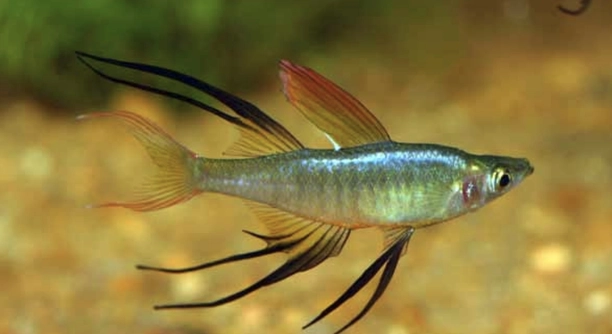
Have you ever noticed your threadfins swimming around their tank without interest in food? Observing this change can feel worrying, especially when they normally eat eagerly. It is important to pay attention and act promptly.
Threadfins may stop eating due to several factors, including poor water quality, temperature fluctuations, illness, stress, or dietary issues. Identifying the underlying cause quickly is crucial for maintaining their health and preventing long-term complications.
Monitoring behavior, adjusting care routines, and checking environmental conditions are essential steps to restore normal feeding habits and ensure threadfins remain healthy and active.
Water Quality and Filtration
Poor water quality is one of the main reasons threadfins stop eating. High levels of ammonia, nitrites, or nitrates can make them feel unwell and reduce their appetite. Checking your tank’s water parameters regularly is crucial. Using a reliable test kit, measure ammonia, nitrites, nitrates, and pH levels. Partial water changes can help stabilize conditions and reduce harmful substances. Filtration plays a key role in maintaining clean water. Make sure your filter is suitable for the tank size and is functioning properly. Overfeeding can also contribute to poor water quality, so feed only what your threadfins can consume within a few minutes. Observing fish behavior can give early clues about water issues. If they swim listlessly or hover near the surface, it may indicate oxygen depletion or toxins. Maintaining proper water conditions prevents stress, supports immunity, and encourages normal feeding behavior in threadfins.
Regular monitoring of water and maintaining filtration can prevent most feeding issues.
Clean water improves fish health, reduces stress, and keeps their environment stable, which encourages consistent eating habits.
Temperature and Environmental Stress
Threadfins are sensitive to sudden changes in temperature. Sudden drops or rises in water temperature can make them sluggish and reduce appetite. Maintaining a stable temperature suited to their species is essential. Using a reliable heater and thermometer helps keep conditions consistent. Decorations, tank placement, and lighting can also affect stress levels. Overcrowding or placing the tank near noisy areas can lead to anxiety and poor feeding. Observing their behavior helps identify stress triggers.
Stress and fluctuating temperatures can significantly impact feeding behavior, making it essential to provide a calm and stable environment.
Consistent care involves monitoring the tank’s temperature daily, adjusting lighting and décor to reduce stress, and ensuring enough space for each fish. Avoid sudden water changes or rearranging the tank abruptly. Even small stressors, like vibrations or loud household noises, can affect threadfins. A quiet, well-maintained environment promotes normal activity and appetite. Feeding during calm periods, rather than after disturbances, increases the likelihood that threadfins will eat. Over time, a stable environment strengthens immunity and reduces the risk of disease, which can also affect feeding. Paying attention to temperature, tank setup, and stress management ensures that your threadfins feel secure and remain healthy.
Diet and Feeding Habits
Threadfins may stop eating if their diet lacks variety or essential nutrients. Feeding only one type of food can lead to disinterest or malnutrition. Including live, frozen, and high-quality pellets helps maintain appetite and overall health.
Providing a balanced diet is essential for threadfins. Rotate between live foods like brine shrimp or daphnia, frozen options such as bloodworms, and nutritionally complete pellets. Observing which foods they accept most readily can help identify preferences and dietary gaps. Overfeeding should be avoided, as uneaten food can decay and reduce water quality, indirectly affecting appetite.
Feeding small portions multiple times a day encourages regular eating. Remove leftover food promptly to keep the tank clean. Offering different textures and flavors can stimulate interest and prevent selective eating. Sometimes, warming frozen food slightly improves palatability. Patience and consistency are key when reintroducing foods after a period of reduced appetite. Tracking feeding patterns helps identify changes early, allowing adjustments before health issues develop.
Illness and Parasites
Illnesses or parasites can make threadfins stop eating. Signs may include lethargy, clamped fins, or abnormal swimming. Prompt detection is important to prevent serious health problems and restore appetite.
Common illnesses affecting appetite include bacterial infections, fungal growths, and parasitic infestations. Each condition may require different treatment approaches, such as medicated food, water treatments, or quarantining affected fish. Observing symptoms closely and consulting care guidelines ensures proper intervention. Stress from illness can worsen over time, reducing immune response and slowing recovery. Keeping a clean tank, maintaining proper nutrition, and isolating sick fish helps limit the spread of disease and supports healing.
Preventing illness involves consistent monitoring and quick action at the first signs of trouble. Quarantine new fish before introducing them, maintain water quality, and avoid overcrowding. A healthy immune system depends on both diet and environment. By staying attentive and proactive, you can minimize the risk of disease and help threadfins regain normal feeding habits efficiently. Tracking any behavioral or physical changes allows early intervention, ensuring long-term health and appetite stability.
Tank Size and Space
Threadfins need enough space to swim freely. Crowded tanks can stress them and reduce appetite. Ensuring adequate swimming area is essential for their well-being and normal feeding behavior.
Providing sufficient space also helps maintain water quality. Overcrowding can increase waste buildup and make the tank harder to manage.
Social Dynamics
Threadfins can be affected by the presence of aggressive tank mates. Stress from bullying or competition can make them avoid food and hide frequently. Keeping compatible species together supports a calm environment and encourages regular eating.
Light and Day/Night Cycle
Inconsistent lighting can confuse threadfins and impact feeding times. Maintaining a regular day/night cycle with consistent light periods helps regulate appetite and activity levels.
Water Flow
Strong or irregular water flow can stress threadfins and make feeding difficult. Adjusting the flow to a gentle, steady current ensures they can feed comfortably and reduces energy expenditure while swimming.
FAQ
Why have my threadfins stopped eating suddenly?
Threadfins may stop eating due to stress, illness, poor water quality, or changes in their environment. Sudden temperature fluctuations, aggressive tank mates, or overcrowding can also reduce appetite. Observing behavior and checking water parameters often helps identify the cause.
How do I know if my threadfins are sick?
Signs of illness include lethargy, clamped fins, unusual swimming patterns, discoloration, or visible spots on their body. Reduced or complete refusal to eat is a common symptom. Early detection and intervention are key to preventing serious health issues.
Can water quality really affect feeding?
Yes, poor water quality is one of the main reasons threadfins stop eating. High levels of ammonia, nitrites, or nitrates create a toxic environment. Regular water testing and partial water changes maintain a clean, safe habitat.
How often should I check my tank conditions?
Daily observation of fish behavior is important. Weekly water testing for ammonia, nitrites, nitrates, and pH ensures the environment is safe. Proper filtration and routine cleaning also prevent conditions that reduce appetite.
What foods are best for threadfins?
A balanced diet includes live foods like brine shrimp, frozen bloodworms, and high-quality pellets. Offering variety keeps them interested and ensures essential nutrients. Avoid overfeeding, as leftover food can decay and harm water quality.
Can stress from tank mates stop them from eating?
Yes, aggressive or dominant fish can intimidate threadfins, making them hide and refuse food. Keeping peaceful, compatible species together helps reduce stress and encourages normal feeding habits.
How does temperature affect feeding?
Threadfins are sensitive to sudden changes in temperature. Too cold or too warm water can make them lethargic and reduce appetite. Maintaining a stable temperature with a reliable heater is essential for consistent feeding behavior.
What should I do if my threadfins refuse all food?
First, check water quality, temperature, and tank conditions. Observe for signs of illness. Offer a variety of foods, possibly warming frozen items slightly to increase appeal. If there’s no improvement, consult an experienced aquarist or veterinarian.
Is tank size important for feeding behavior?
Yes, insufficient space can stress threadfins and reduce appetite. Crowded tanks increase competition for food and worsen water quality. Ensuring enough swimming area promotes comfort, reduces stress, and supports normal feeding.
Can adjusting light help with feeding?
Maintaining a regular day/night cycle helps regulate appetite. Threadfins need consistent light periods to stay active and eat properly. Avoid sudden changes or prolonged darkness, which can disrupt feeding patterns.
How do I handle parasites affecting appetite?
Parasites often cause lethargy and reduced feeding. Quarantine affected fish, treat the tank or use medicated food as recommended, and maintain clean water. Early intervention is critical to prevent serious illness and restore normal eating habits.
What is the best way to monitor feeding habits?
Observe how much and how often your threadfins eat. Note any changes in interest or quantity consumed. Tracking feeding patterns helps detect problems early and allows timely adjustments to diet, environment, or treatment.
Can I use supplements to encourage eating?
Occasionally, vitamin-enriched foods or appetite stimulants can help. Use these carefully and avoid over-reliance, as a stable environment and balanced diet are more important for long-term feeding health.
How long is it normal for threadfins to go without eating?
A brief refusal, one to two days, can happen during stress or minor adjustments. Persistent refusal beyond two days indicates an underlying problem that needs investigation, including water quality, illness, or environmental stressors.
How can I prevent feeding problems in the future?
Maintain stable water conditions, provide a varied diet, ensure compatible tank mates, and avoid overcrowding. Regular monitoring of behavior and prompt action when changes occur keeps threadfins healthy and consistently eating.
What signs indicate recovery and return to normal feeding?
Active swimming, bright coloration, and eagerness to eat indicate recovery. Gradual increase in appetite over a few days confirms that environmental adjustments, treatment, or diet changes are working effectively.
How do I reintroduce food after a long period of refusal?
Start with small portions of familiar foods. Offer variety gradually, including live, frozen, or pellet options. Monitor acceptance and remove uneaten food to prevent water quality issues. Patience is key to restoring normal feeding patterns.
Is it necessary to quarantine new fish to protect feeding habits?
Yes, quarantining new arrivals prevents disease introduction, which can disrupt feeding. A 2–4 week quarantine period allows observation and treatment before integrating them into the main tank, keeping existing fish healthy and stress-free.
Can lighting or decorations affect eating behavior?
Bright lights, frequent changes, or overly dense décor can stress threadfins. They prefer a calm, stable environment with hiding spaces. Proper lighting and moderate decoration encourage comfort, reduce stress, and improve appetite.
How do I balance diet and water cleanliness simultaneously?
Feed only what your threadfins can consume in a few minutes. Remove leftover food promptly, and provide a mix of live, frozen, and pellet foods. Regular water changes and proper filtration maintain a clean environment while supporting nutritional needs.
When should I seek professional help?
If threadfins refuse food for more than two days, show signs of illness, or fail to regain normal behavior after environmental adjustments, consult a veterinarian or experienced aquarist for proper diagnosis and treatment.
How important is routine observation for preventing feeding issues?
Daily monitoring of activity, appetite, and behavior allows early detection of problems. Consistent observation helps identify stress, illness, or environmental changes before they severely impact feeding habits.
Can overfeeding cause threadfins to stop eating?
Yes, overfeeding leads to poor water quality, uneaten food, and potential digestive issues. Feeding small portions multiple times a day prevents waste buildup, encourages regular eating, and maintains a healthier tank environment.
What long-term habits support consistent feeding?
Stable water parameters, a balanced diet, compatible tank mates, adequate space, and regular observation are essential. Avoid sudden changes, maintain cleanliness, and respond promptly to health issues to ensure threadfins continue eating consistently.
How do I know if the diet is truly balanced?
A balanced diet includes proteins, fats, and essential nutrients from varied sources. Live foods, frozen options, and high-quality pellets together provide complete nutrition. Observing growth, coloration, and consistent appetite helps confirm dietary adequacy.
What role does tank flow play in feeding?
Excessive or uneven water flow can tire threadfins and make it difficult to reach food. Adjusting flow to a gentle, steady current allows comfortable swimming and easy access to meals. Proper water movement also reduces stress and promotes normal feeding.
How can I reestablish normal feeding after stress?
Reduce environmental stressors like aggressive fish, strong currents, or sudden changes. Offer favorite foods in small amounts during calm periods. Gradually increase portion sizes as appetite returns, and maintain consistent care to prevent recurrence.
Are there seasonal changes in appetite for threadfins?
Some threadfins may eat less during cooler months or temperature fluctuations. Monitoring water conditions and adjusting feeding schedules slightly can help maintain appetite and overall health during seasonal changes.
What is the first step if appetite loss persists?
Check water quality, temperature, tank mates, and stress factors immediately. Observe for illness or parasites. Addressing these primary factors early often restores feeding behavior before more serious health problems develop.
How long does it take for threadfins to recover normal appetite?
Recovery time varies depending on the cause. Minor stress or environmental adjustments may show improvement within a day or two. Illness or parasites may take several days to weeks with proper treatment, diet, and care.
Can I prevent selective eating in threadfins?
Providing variety and rotating foods regularly prevents boredom and selective eating. Combining live, frozen, and pellet foods ensures nutritional balance while keeping meals interesting and maintaining consistent appetite.
What are the signs of overfeeding affecting appetite?
Leftover food, cloudy water, and decreased interest in meals indicate overfeeding. Adjusting portion sizes and maintaining water quality can restore appetite and prevent long-term feeding issues.
Is it normal for threadfins to eat less during acclimation?
Yes, new arrivals may eat less during the first few days as they adjust to water conditions and tank mates. Providing familiar foods and a calm environment helps them regain normal appetite.
How does quarantine support feeding habits?
Quarantine reduces disease risk, minimizes stress, and allows monitoring of appetite in new or sick fish. Healthy, acclimated fish are more likely to feed consistently when introduced to the main tank.
Can changes in diet cause temporary refusal to eat?
Yes, sudden changes in food type or texture may make threadfins hesitant. Introduce new foods gradually while offering familiar options to maintain interest and avoid nutritional gaps.
What is the safest way to introduce new food?
Start with small portions alongside regular food. Observe acceptance and remove uneaten items promptly. Gradually increase amounts once the fish consistently eat the new food without affecting water quality.
How do I encourage eating in stressed threadfins?
Reduce environmental stress, provide hiding spots, feed during calm periods, and offer favorite foods in small amounts. Consistency and patience help threadfins regain appetite and reduce anxiety-related refusal.
Can supplements replace a balanced diet?
No, supplements should support, not replace, a varied diet. Live, frozen, and pellet foods provide essential nutrients, while supplements help address specific deficiencies or encourage feeding during recovery.
How can I tell if a water issue is causing feeding problems?
Signs include lethargy, gasping at the surface, or refusing food. Testing for ammonia, nitrites, nitrates, and pH irregularities can confirm water problems. Addressing these promptly restores appetite and overall health.
Are there behavioral cues that indicate hunger?
Active swimming, following the food source, and alertness around feeding time indicate hunger. Changes in these behaviors may signal stress, illness, or environmental issues affecting appetite.
Can lighting adjustments improve eating in shy fish?
Yes, dimmed lighting or providing hiding spots during feeding encourages shy or stressed threadfins to approach food without fear, gradually restoring normal eating habits.
How important is routine tank maintenance for feeding?
Regular cleaning, water changes, and filter upkeep prevent waste buildup and stress. A clean, stable environment directly supports appetite and reduces the risk of feeding-related health problems.
Can seasonal water temperature shifts reduce appetite?
Yes, threadfins may eat less during colder months or when temperatures fluctuate. Maintaining a stable, appropriate temperature and adjusting feeding schedules helps support consistent eating.
What role does stress play in long-term feeding habits?
Prolonged stress weakens immunity and reduces appetite. Identifying and mitigating stressors like aggressive tank mates, overcrowding, or strong water flow is essential for consistent feeding behavior.
How do I prevent appetite loss in new threadfins?
Quarantine new arrivals, provide familiar foods, maintain stable water parameters, and introduce them gradually to the main tank. Minimizing stress ensures they start feeding normally and adapt quickly.
Is appetite loss reversible?
Most cases are reversible if the underlying cause—stress, water quality, diet, or illness—is addressed promptly. Consistent care, monitoring, and patient intervention help threadfins return to regular feeding patterns.
Can tank decorations affect feeding behavior?
Yes, excessive or poorly arranged decorations may stress fish or obstruct food access. Providing moderate hiding spots while keeping open swimming areas ensures threadfins can eat comfortably.
How can I track feeding trends effectively?
Keep a log of what, how much, and when your threadfins eat. Note changes in interest, consumption, or behavior. Early detection of irregularities allows timely adjustments to diet, environment, or treatment.
Do threadfins need feeding at specific times?
Feeding at consistent times helps regulate appetite. Morning and evening feedings usually align with their natural activity patterns, improving consumption and reducing stress.
Can slow feeding indicate a bigger problem?
Yes, if threadfins gradually reduce intake, it may signal illness, poor water conditions, or stress. Monitoring patterns and responding early prevents more serious health issues.
Are certain foods more appealing to picky threadfins?
Live foods and slightly warmed frozen options are often more enticing. Combining textures and flavors encourages reluctant eaters and ensures they receive adequate nutrition.
How do I restore appetite after illness?
Maintain optimal water quality, offer favorite foods in small portions, and minimize stress. Gradually increase feeding as health improves, ensuring the fish regain strength and normal eating behavior.
Can appetite changes indicate long-term stress?
Persistent feeding refusal or selective eating can reflect chronic stress. Address environmental, social, or health factors to prevent prolonged appetite loss and associated health problems.
Is it normal for appetite to vary day-to-day?
Minor fluctuations can occur, but consistent refusal or reduced interest over multiple days usually signals a problem. Tracking feeding behavior helps distinguish normal variation from concerning trends.
What preventive measures help maintain healthy appetite?
Regular water testing, balanced diet, proper tank size, compatible tank mates, consistent lighting, and stress reduction are key measures. Early observation and intervention ensure threadfins remain healthy and feed reliably.
Can diet changes improve appetite in older fish?
Yes, offering softer or more palatable foods can help older threadfins eat more comfortably. Ensuring nutritional balance while accommodating age-related preferences supports consistent feeding.
How do I know if my tank setup affects feeding?
Observe how fish respond to current tank conditions, including space, flow, lighting, and décor. Reluctance to approach food or hiding frequently may indicate environmental stressors affecting appetite.
Are there natural appetite stimulants for threadfins?
Live foods, slightly warmed frozen foods, and occasionally vitamin-enriched items can stimulate interest. These should complement a balanced diet, not replace it, to maintain long-term health.
Can handling or maintenance stress reduce feeding?
Yes, frequent disturbances, tank rearrangements, or rough handling can temporarily reduce appetite. Minimizing disruptions and maintaining a calm environment encourages normal feeding behavior.
How quickly should I act if threadfins stop eating?
Immediate observation and investigation are important. Checking water parameters, temperature, tank mates, and diet within the first day or two can prevent worsening health and restore appetite efficiently.
Is it normal for appetite to decrease during tank acclimation?
Yes, new fish may eat less while adjusting to water conditions and tank mates. Gradually introducing familiar foods and reducing stress helps them regain normal feeding behavior.
How do I balance feeding and water cleanliness?
Feed small portions that are consumed quickly, remove uneaten food, and maintain proper filtration. This prevents water quality issues while ensuring threadfins receive adequate nutrition.
Can selective eating harm threadfins long-term?
Yes, focusing on only one type of food can lead to nutrient deficiencies. Providing a varied diet prevents selective eating and supports long-term health and consistent appetite.
What is the best approach for long-term appetite maintenance?
Consistent care, stable environment, varied diet, monitoring behavior, and minimizing stress are essential. Addressing issues early prevents prolonged appetite loss and keeps threadfins healthy and active.
How do I manage feeding during illness recovery?
Offer favorite foods in small portions, maintain optimal water conditions, and reduce stress. Gradually increase feeding as the fish regain strength and appetite. Consistency supports recovery and restores normal feeding patterns.
Are there specific signs that feeding issues are environmental rather than health-related?
Stress behaviors such as hiding, chasing, or rapid swimming combined with normal physical appearance often indicate environmental issues. Correcting tank conditions usually restores appetite without medication.
What steps help reintroduce normal feeding after stress or illness?
Ensure clean water, stable temperature, calm environment, and familiar foods. Feed small portions during calm periods and gradually return to regular feeding amounts as appetite returns. Consistent monitoring ensures recovery and prevents relapse.
Can overcleaning the tank reduce appetite?
Yes, excessive disturbance or frequent rearrangement during cleaning can stress threadfins. Gentle maintenance with minimal disruption supports feeding behavior.
How important is patient observation for feeding recovery?
Daily, careful observation allows early detection of appetite changes, guides adjustments to care, and ensures timely intervention. Patience is key to restoring normal feeding patterns effectively.
Can appetite loss be a symptom of multiple issues at once?
Yes, stress, illness, poor water quality, and diet deficiencies can combine to reduce feeding. Addressing all factors simultaneously is essential for recovery and long-term health.
What is the role of enrichment in promoting feeding?
Providing hiding spots, moderate décor, and a stable environment reduces stress, encourages exploration, and improves willingness to eat. Environmental enrichment supports both mental and physical health.
How can I prevent repeated feeding problems?
Consistent water maintenance, varied diet, monitoring behavior, compatible tank mates, and minimizing stress prevent recurring appetite issues and maintain threadfins’ health.
Are some threadfins more sensitive than others?
Yes, individual differences exist. Some may be more prone to stress, illness, or selective eating. Observing each fish and tailoring care ensures all remain healthy and feed consistently.
Can minor changes in tank routine affect feeding?
Even small disruptions, like adjusting lights or adding decorations, can temporarily reduce appetite. Gradual changes and consistency help threadfins adapt without long-term feeding issues.
How can I encourage hesitant feeders?
Offer favorite foods in small portions during calm periods. Gentle movement and minimal stress around feeding times increase the likelihood that reluctant threadfins will eat.
Is monitoring feeding habits enough to detect early problems?
Yes, keeping track of quantity, frequency, and interest in food provides early indicators of stress, illness, or environmental issues, allowing timely intervention.
Can appetite issues indicate poor nutrition?
Yes, nutrient deficiencies or monotone diets can reduce interest in food. Providing variety and high-quality options supports appetite and overall health.
What is the most effective routine to maintain consistent feeding?
Daily observation, scheduled feeding, clean water, stable temperature, and a balanced diet are key. Respond promptly to any changes to prevent prolonged appetite loss.
Are there environmental cues that improve feeding?
Calm surroundings, gentle water flow, consistent lighting, and moderate décor help threadfins feel secure and more likely to eat regularly.
How do I know when normal feeding has returned?
Regular, enthusiastic eating, active swimming, and bright coloration indicate that threadfins have regained appetite. Tracking progress ensures recovery is complete and lasting.
Can appetite loss be prevented entirely?
While occasional fluctuations are normal, consistent care, monitoring, and attention to environmental, dietary, and social factors greatly reduce the likelihood of significant feeding issues.
How do I combine prevention and treatment strategies?
Maintain stable water, provide varied nutrition, minimize stress, monitor behavior, and respond quickly to illness or environmental problems.
Threadfins are beautiful and active fish, but they can stop eating for many reasons. Changes in water quality, temperature, stress, diet, or illness all affect their appetite. Paying attention to their behavior every day helps catch problems early. Even small changes in swimming patterns, hiding, or refusal to eat can be a sign that something needs adjustment. By keeping track of how much and how often they eat, you can identify trends before they become serious issues. Observing them closely allows you to make timely decisions about water testing, feeding routines, or environmental changes that will help maintain their health.
Maintaining stable water conditions is one of the most important steps in preventing feeding problems. Regular testing of ammonia, nitrites, nitrates, and pH ensures a safe environment. Partial water changes, proper filtration, and avoiding overfeeding keep the tank clean and comfortable. Temperature should remain consistent to prevent stress, and lighting should follow a steady day/night cycle. Proper tank size and arrangement of decorations also play a role in comfort and appetite. Crowded or aggressive tanks increase stress and can reduce feeding. Choosing compatible tank mates and giving threadfins enough space to swim freely encourages normal eating behavior and supports their overall well-being.
A balanced and varied diet is key to keeping threadfins healthy and interested in food. Using a combination of live, frozen, and pellet foods provides essential nutrients while keeping meals appealing. Introducing new foods gradually and monitoring portion sizes prevents waste and protects water quality. If illness or parasites are suspected, isolating affected fish and following proper treatment procedures is crucial. Patience and consistency are necessary when helping threadfins regain appetite after a period of refusal. Small, steady steps in care, observation, and feeding routines can make a big difference. With consistent attention, stable conditions, and proper nutrition, threadfins are more likely to stay healthy, active, and feeding regularly over the long term.

Hello,
If you enjoy the content that we create, please consider saying a "Thank You!" by leaving a tip.
Every little bit helps us continue crafting quality advice that supports the health, happiness, and well-being of pets around the world, for pets of all shapes, sizes, and species.
We really appreciate the kindness and support that you show us!