
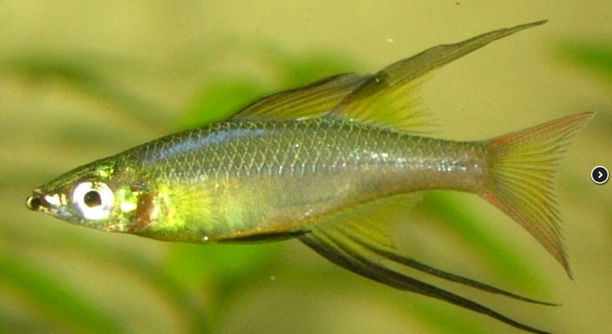
Are your threadfin showing signs of stress even though you maintain a clean tank? Many fish owners notice sudden changes in behavior or health that seem to appear without warning, leaving them unsure what to do next.
Threadfin health is highly influenced by shifts in water chemistry. Key factors such as pH, ammonia, nitrite, nitrate, oxygen levels, temperature, and salinity can cause stress, disease, or even mortality if not properly monitored and managed in their aquatic environment.
Monitoring these changes carefully can make a big difference. Understanding how each chemical factor interacts with your fish helps maintain a stable, healthy environment for them.
pH Fluctuations
Maintaining stable pH levels is crucial for threadfin health. Sudden shifts in pH can stress the fish, reduce appetite, and lower their immunity. Threadfin generally prefer a slightly alkaline environment, so keeping pH within the recommended range is important. Factors like tap water changes, added treatments, or decaying organic matter can alter pH. Frequent testing with a reliable kit helps detect small changes before they become harmful. Adjustments should be made gradually to avoid shocking the fish. Using buffers or water conditioners designed for aquariums can help maintain balance. Observing your fish daily for unusual behavior or coloration changes can also signal pH issues.
Small pH changes can seem minor but may affect growth and overall vitality. Stability matters more than hitting a perfect number.
Even minor swings can impact gill function, digestion, and stress response. Over time, repeated fluctuations weaken immune defenses, making threadfin more susceptible to bacterial and parasitic infections. Carefully monitoring pH alongside other water parameters ensures a healthier, more resilient population. Combining this with proper filtration, partial water changes, and careful feeding habits supports a stable environment.
Ammonia Build-Up
Ammonia is toxic to threadfin even at low levels. It can burn gills, cause lethargy, and lead to mortality if not managed properly.
High ammonia results from overfeeding, decaying food, or insufficient filtration. Regular testing, controlled feeding, and proper biofiltration help maintain safe levels.
Ammonia disrupts the natural balance of the aquarium, affecting fish behavior and growth. It can irritate gills, leading to rapid breathing, red or inflamed tissue, and increased susceptibility to diseases. New tanks are particularly at risk, as the beneficial bacteria that process ammonia may not be established yet. Even in mature tanks, sudden increases can occur after heavy feeding or cleaning. Maintaining a consistent cleaning schedule, using water conditioners that neutralize ammonia, and allowing the nitrogen cycle to stabilize will protect your threadfin. Monitoring ammonia levels alongside nitrites and nitrates ensures a safe and healthy environment. Regular observation of your fish’s behavior is key to detecting problems early, allowing corrective measures before damage occurs.
Nitrite Spikes
Nitrite is harmful to threadfin even at low concentrations. It interferes with oxygen transport in the blood, causing stress, lethargy, and potential death if levels remain high.
Nitrite accumulation usually happens in new tanks or after cleaning that disrupts beneficial bacteria. When nitrite levels rise, fish may gasp at the surface or show pale gills. Regular testing and partial water changes help keep levels low. Adding nitrifying bacteria can speed up the conversion of nitrite to less harmful nitrate. Maintaining a stable nitrogen cycle is critical to prevent sudden spikes.
Even small nitrite increases reduce the oxygen available to threadfin, weakening them over time. Chronic exposure lowers immunity and slows growth, making fish more susceptible to infections. Managing feeding, avoiding overstocking, and keeping filters clean are essential practices to maintain safe nitrite levels. Regular observation helps detect early signs of stress, allowing timely corrective actions.
Nitrate Accumulation
Nitrate is less toxic than ammonia or nitrite but can still affect threadfin health if it rises too high. Levels above recommended limits may lead to slower growth, reduced appetite, and increased stress.
Nitrate gradually builds up from fish waste, leftover food, and decaying plants. Frequent partial water changes, avoiding overfeeding, and proper filtration are effective ways to control accumulation. High nitrate can encourage algae growth, reducing water clarity and oxygen levels, which indirectly impacts fish health. Regular monitoring ensures the tank remains safe for threadfin. Using live plants can also help absorb excess nitrate, contributing to a more balanced ecosystem and healthier fish overall.
Oxygen Levels
Low oxygen can quickly stress threadfin, causing rapid gill movement and erratic swimming. Maintaining proper aeration is essential to their health and overall activity.
Factors like overstocking, poor water circulation, and high temperatures reduce oxygen availability. Aerators or proper water flow help maintain consistent oxygen levels.
Temperature Changes
Threadfin are sensitive to temperature fluctuations. Sudden increases or drops can weaken their immune systems and slow growth. Maintaining a stable temperature within the species’ preferred range supports normal metabolism and reduces stress.
Salinity Shifts
Even slight changes in salinity can disrupt osmoregulation in threadfin, affecting hydration, stress response, and overall health. Regularly checking salinity levels ensures a stable aquatic environment and helps prevent long-term complications.
FAQ
How often should I test water parameters for my threadfin?
Testing water parameters at least once a week is ideal, especially in newly established tanks. Frequent testing helps detect shifts in pH, ammonia, nitrite, nitrate, oxygen, temperature, or salinity before they become harmful. Over time, you may adjust frequency depending on stability, but consistency is key to healthy fish.
What is the safest way to adjust pH in a threadfin tank?
Gradual adjustments are essential. Sudden changes can stress or shock fish. Use aquarium-specific pH buffers or natural methods like adding driftwood or crushed coral, depending on whether you need to lower or raise pH. Test frequently during adjustments to ensure stability.
How can I prevent ammonia build-up?
Ammonia rises from overfeeding, decaying food, and inadequate filtration. Feed threadfin only what they can consume in a few minutes and remove uneaten food promptly. Maintaining a strong biofilter and performing regular partial water changes help keep ammonia levels safe.
Are nitrite spikes common in new tanks?
Yes, new tanks often experience nitrite spikes because the beneficial bacteria are not fully established. During this “cycling” period, frequent water testing, partial water changes, and adding commercially available nitrifying bacteria can help reduce nitrite accumulation.
What nitrate levels are considered safe for threadfin?
Nitrate is less harmful than ammonia or nitrite, but levels above 40–50 mg/L can stress fish over time. Regular partial water changes, controlling feeding amounts, and using live plants can help manage nitrate levels effectively.
How do I maintain proper oxygen levels?
Good water circulation and aeration are crucial. Using air stones, surface agitation, or well-positioned filters can maintain consistent oxygen. Avoid overcrowding and ensure the tank is not exposed to high temperatures for extended periods, as warm water holds less oxygen.
How quickly should I respond to temperature fluctuations?
Threadfin are sensitive to temperature changes. If you notice sudden increases or drops, adjust gradually using aquarium heaters or chillers. Rapid changes weaken immunity and can lead to disease, so monitoring with a reliable thermometer is important.
What is the best way to manage salinity shifts?
Salinity should remain stable according to species requirements. Frequent testing with a refractometer or hydrometer is recommended. Make changes slowly by mixing fresh and saltwater incrementally. Sudden shifts can affect osmoregulation, causing stress or dehydration in fish.
Can algae growth indicate water chemistry problems?
Yes, excessive algae can signal high nitrate or phosphate levels. While some algae are natural, rapid growth often means water quality issues. Reducing feeding, performing partial water changes, and improving filtration can help maintain balance.
How do I know if water chemistry is affecting my threadfin’s health?
Behavioral changes such as gasping at the surface, loss of appetite, erratic swimming, pale gills, or lethargy often indicate poor water conditions. Regular testing combined with observation allows early intervention before permanent harm occurs.
Are there tools to help monitor water quality easily?
Digital test kits, pH meters, and multi-parameter monitors provide fast, accurate readings. Keeping a log of measurements helps identify trends and prevents sudden problems. These tools simplify maintaining a stable and healthy environment for threadfin.
How important is consistency in water changes?
Consistent partial water changes prevent the buildup of harmful chemicals like ammonia and nitrate. Changing 10–25% of water weekly, depending on tank size and stocking, helps stabilize water chemistry without stressing the fish.
What signs indicate I need to take immediate action?
Visible signs such as rapid gill movement, floating near the surface, clamped fins, or unusual discoloration mean water parameters are likely out of balance. Testing and adjusting water conditions promptly can prevent severe stress or mortality.
Can stress from water chemistry issues be reversed?
Yes, if addressed early. Correcting pH, ammonia, nitrite, nitrate, oxygen, temperature, or salinity can restore normal behavior and health. Chronic or severe exposure may cause lasting damage, so prevention and early detection are always preferable.
How do I balance multiple water parameters at once?
Adjustments should be gradual and monitored closely. For example, when lowering nitrate with water changes, check that pH, salinity, and temperature remain stable. Making one change at a time reduces the risk of stressing threadfin.
Is it necessary to quarantine new fish?
Quarantining new threadfin for at least two weeks before adding them to the main tank helps detect disease and prevents introducing pathogens that could stress the established population or disrupt water chemistry.
How can live plants help maintain water quality?
Live plants absorb nitrates, provide oxygen, and stabilize pH. Including them in the aquarium reduces chemical fluctuations and promotes a healthier, more balanced environment for threadfin.
Can improper feeding affect water chemistry?
Yes, overfeeding leads to uneaten food, which decomposes and increases ammonia and nitrate levels. Feeding small, manageable amounts and removing leftovers helps maintain cleaner water and healthier fish.
Should I monitor water chemistry even if fish appear healthy?
Absolutely. Threadfin may tolerate minor fluctuations temporarily, but long-term exposure can reduce growth and immunity. Routine monitoring ensures issues are caught early, preventing stress and disease.
How often should I clean filters to maintain water quality?
Filters should be cleaned regularly without disrupting beneficial bacteria. Rinse filter media in tank water rather than tap water to preserve bacteria, which are essential for processing ammonia and nitrite.
Are tap water treatments necessary?
Yes, many tap waters contain chlorine or chloramine, which are harmful to threadfin. Using dechlorinators neutralizes these chemicals, making water safe and preventing stress or damage to fish.
What is the best way to respond to sudden water chemistry changes?
Immediate testing is the first step. Identify which parameter is out of range and take gradual corrective action, such as partial water changes, aeration, or buffering pH. Observing fish behavior during adjustments ensures they remain stable.
Can seasonal changes affect water chemistry?
Yes, temperature fluctuations, evaporation, and local water supply variations can impact pH, salinity, and oxygen levels. Monitoring more frequently during seasonal changes helps maintain a consistent environment for threadfin.
How does overstocking influence water quality?
Too many fish increase waste production, raising ammonia, nitrite, and nitrate levels quickly. Overstocking also reduces oxygen availability and heightens stress. Maintaining appropriate stocking density is critical to keeping water chemistry stable.
Are there indicators in water clarity that reflect chemistry issues?
Cloudy water or sudden color changes can indicate high waste levels, bacterial blooms, or chemical imbalance. Testing water parameters alongside visual observation ensures any problem is accurately diagnosed and addressed.
Can behavioral observation replace chemical testing?
Observation is helpful but not sufficient. Threadfin may hide signs of stress until it’s severe. Regular testing provides precise data, enabling preventive action rather than reacting to visible symptoms alone.
How long does it take to stabilize water chemistry after a correction?
It depends on the adjustment and tank conditions. Gradual changes may take hours to days, while severe imbalances may require multiple interventions. Consistent monitoring ensures fish remain safe during the process.
Is using multiple treatments at once safe?
Combining treatments can be risky. Interactions may stress threadfin or alter water chemistry unexpectedly. Apply one correction at a time, monitor results, and proceed gradually to maintain balance and safety.
Can water chemistry affect breeding in threadfin?
Yes, unstable pH, temperature, or salinity can reduce spawning success, egg viability, and fry survival. Maintaining optimal and stable conditions increases the chances of successful breeding.
What role does substrate play in water chemistry?
Some substrates release minerals that influence pH, hardness, or other parameters. Choosing the right substrate for your threadfin’s needs helps maintain stable conditions and reduces sudden shifts.
Are commercial water conditioners enough to protect threadfin?
They are helpful but not a replacement for regular testing and maintenance. Conditioners neutralize harmful chemicals, but continuous monitoring ensures all parameters remain within safe ranges.
How can I track water chemistry trends over time?
Keeping a log of readings for pH, ammonia, nitrite, nitrate, temperature, salinity, and oxygen allows you to spot patterns. Trends help predict potential problems and guide preventive measures.
Do diet and feeding schedule affect overall water chemistry?
Yes, the type and frequency of feeding influence waste production and nutrient levels in water. Balanced feeding reduces chemical spikes and supports cleaner, healthier conditions for threadfin.
How can I minimize stress while making water adjustments?
Make changes slowly, maintain stable temperatures, and avoid overcrowding during interventions. Observing fish behavior ensures they remain calm and reduces the risk of stress-related illness.
What is the most common reason water chemistry issues go unnoticed?
Relying solely on visual cues. Threadfin may hide stress signs, and subtle shifts in pH, ammonia, or nitrite are not visible. Routine testing is essential to catch issues before they impact health.
Can small aquariums make water chemistry harder to manage?
Yes, smaller volumes change chemistry faster due to limited water buffering. Frequent testing, careful feeding, and regular water changes are especially important in small tanks to maintain stability.
Are certain tank decorations or materials harmful to water chemistry?
Yes, some rocks, driftwood, or synthetic decorations can leach chemicals, alter pH, or release toxins. Choosing aquarium-safe materials prevents unwanted chemical shifts and protects threadfin health.
How do I balance chemical treatment with natural stabilization?
Use treatments to correct acute issues, while relying on biological filtration and plants for long-term stability. Combining both approaches ensures a safe and balanced environment for threadfin.
Can regular observation replace chemical testing entirely?
No, visual checks help detect obvious stress but cannot reveal subtle shifts in pH, ammonia, or other parameters. Consistent testing remains essential for preventing long-term problems.
What signs show that water chemistry has improved after intervention?
Fish swimming normally, eating well, vibrant coloration, and reduced gasping at the surface indicate improved conditions. Continued testing confirms stability and ensures parameters remain within safe ranges.
Are there long-term effects of repeated minor water chemistry fluctuations?
Yes, repeated stress can weaken immunity, slow growth, and reduce lifespan. Maintaining consistency is crucial to prevent chronic health issues in threadfin.
How can I educate myself about safe water chemistry for threadfin?
Reliable aquarium guides, species-specific care sheets, and scientific resources provide detailed information. Combining research with hands-on observation ensures a well-informed approach to maintaining stable water conditions.
What are the risks of ignoring small changes in water chemistry?
Even small, persistent shifts can accumulate stress over time, leading to disease, poor growth, and potentially death. Proactive monitoring prevents minor issues from becoming serious problems.
How do I safely introduce new water to maintain chemistry?
Match temperature, pH, and salinity of replacement water to the tank. Add it gradually during partial changes to avoid shocking the fish. Consistency prevents stress and maintains stable conditions.
Are there natural ways to stabilize water chemistry besides plants?
Yes, using substrates that buffer pH, adding driftwood carefully, and maintaining balanced stocking can help. Natural stabilization complements filtration and partial water changes for a healthier tank.
How long should I wait between multiple water adjustments?
Allow at least 24–48 hours between major adjustments. This lets fish adapt and ensures that one change does not unintentionally disrupt other parameters. Gradual correction reduces stress.
Can water chemistry affect fish behavior even if they appear healthy?
Yes, subtle stress may reduce activity, curiosity, or feeding efficiency. Even without visible illness, poor water chemistry impacts long-term health and growth, so monitoring remains essential.
What is the best approach for long-term water chemistry maintenance?
Regular testing, consistent partial water changes, proper feeding, careful stocking, stable temperature, adequate aeration, and monitoring all parameters create a stable environment. Prevention and early intervention are far more effective than reacting to problems.
How do I know if corrective measures are working?
Improvement in water parameters through testing, coupled with normal fish behavior, indicates success. Continue monitoring to ensure stability and prevent future fluctuations.
What common mistakes should I avoid when managing water chemistry?
Avoid rapid adjustments, overfeeding, ignoring minor changes, using unsafe decorations, overstocking, or skipping regular testing. Careful attention to detail and routine maintenance ensures threadfin remain healthy and stress-free.
Can stress from water chemistry lead to disease outbreaks?
Yes, weakened immunity from poor water conditions makes threadfin more susceptible to bacterial, fungal, or parasitic infections. Maintaining stable chemistry is critical to preventing disease.
How do I combine observation with testing for the best results?
Observe fish daily for behavior or coloration changes, then confirm with testing. This combination ensures that both visible and hidden issues are addressed promptly.
Are there seasonal adjustments needed for water chemistry?
Seasonal temperature changes and water supply variations may require more frequent monitoring and gradual adjustments to maintain stable conditions for threadfin.
Can frequent small water changes be better than occasional large ones?
Yes, small frequent changes prevent chemical spikes, reduce stress, and maintain stable conditions, supporting healthier growth and resilience in threadfin.
How do I maintain water chemistry during vacations or absences?
Arrange automated feeders, ensure proper filtration and aeration, and ask someone knowledgeable to monitor the tank. Consistency in care prevents fluctuations that could stress fish.
What signs suggest my water testing equipment needs calibration?
Inconsistent readings, sudden unexplained shifts, or results that contradict observation indicate calibration may be needed. Proper calibration ensures accurate monitoring of water chemistry.
How important is tank size in maintaining water chemistry stability?
Larger tanks buffer changes better and provide more stable conditions, while small tanks react quickly to feeding, waste, or chemical adjustments, requiring more careful monitoring.
Are certain fish compatible with threadfin regarding water chemistry needs?
Yes, choose species with similar pH, salinity, and temperature requirements. Incompatible fish may thrive under different conditions, complicating water chemistry management and stressing threadfin.
Can water conditioners affect test readings?
Some conditioners temporarily alter pH or other readings. Test before and after treatment to confirm accuracy. Following instructions prevents misinterpretation of water chemistry data.
How long does it take for live plants to affect water chemistry?
It varies by species and growth rate. Fast-growing plants can absorb nitrates quickly, while slower plants contribute gradually. Combined with other maintenance, they support long-term stability.
Is it necessary to test every parameter at the same frequency?
Prioritize critical factors like ammonia, nitrite, and pH more frequently. Other parameters like nitrate, oxygen, or salinity can be tested weekly or as conditions dictate. Adjust testing based on tank stability.
Can over-filtration harm water chemistry?
Excessive filtration can remove beneficial nutrients and disturb bacteria colonies if media is cleaned too aggressively. Balanced filtration maintains clarity without compromising biological stability.
How do I handle unexpected water chemistry emergencies?
Test immediately, identify the issue, and take gradual corrective steps like water changes or buffers. Observe fish closely and continue testing until parameters stabilize. Remaining calm and systematic ensures effective resolution.
What’s the key takeaway for maintaining threadfin health?
Consistent monitoring, stable conditions, proper feeding, and gradual adjustments prevent stress and disease. Awareness and attention to detail are more effective than reactive fixes.
Are there resources to learn about species-specific water chemistry needs?
Yes, care guides, aquarium literature, and reputable online sources provide detailed information about optimal pH, temperature, salinity, and other parameters for threadfin. Combining research with observation ensures best practices.
Can multiple minor issues combine to harm threadfin?
Yes, small fluctuations in pH, nitrate, temperature, or oxygen may seem harmless individually but collectively cause significant stress, weakened immunity, and growth issues over time.
How long does it take to recover from water chemistry stress?
Recovery depends on severity, species, and consistency of corrective measures. Mild stress may improve within days, while chronic exposure may take weeks. Monitoring and stable conditions are essential for full recovery.
Can preventive care reduce the need for emergency interventions?
Absolutely. Routine testing, partial water changes, proper feeding, and attentive observation prevent many problems before they affect threadfin, reducing emergencies and supporting long-term health.
What is the best strategy for long-term stability?
Combine regular testing, careful feeding, gradual adjustments, adequate filtration, and consistent monitoring. Observing fish behavior alongside chemical testing ensures a safe, healthy, and stress-free environment.
Are there signs that indicate parameters are optimal?
Active swimming, vibrant coloration, regular feeding, normal gill movement, and absence of disease suggest water chemistry is within safe and healthy ranges for threadfin.
Can water chemistry affect the social behavior of threadfin?
Yes, stress from unstable water conditions can cause hiding, aggression, or lethargy. Maintaining stability supports normal social interactions and reduces behavioral problems.
How often should I review and update my water care routine?
Regularly, at least monthly, or whenever there are changes in stocking, feeding, or season. Adjusting routines helps maintain consistent, safe conditions for threadfin over time.
What is the biggest mistake fish owners make with water chemistry?
Ignoring minor fluctuations, overfeeding, rapid adjustments, or skipping regular testing. Attention to detail and consistent care prevent most water chemistry-related health issues.
How do I know if I’m using the right water conditioner?
Choose one designed for freshwater aquariums and species-specific needs. Verify it neutralizes chlorine, chloramine, and other harmful chemicals, and follow the manufacturer’s instructions carefully.
Are there signs that indicate water chemistry is perfect?
Healthy fish, clear water, stable readings for pH, ammonia, nitrite, nitrate, and salinity, normal behavior, and minimal algae growth indicate well-maintained water chemistry.
Can stress from water chemistry impact lifespan?
Yes, chronic stress reduces immunity, slows growth, and can shorten lifespan. Stable water parameters are essential for long-term threadfin health and vitality.
How do I balance biological, chemical, and mechanical filtration?
Biological filtration handles ammonia and nitrite, chemical filtration removes toxins, and mechanical filtration traps debris. A balanced combination maintains clean, safe water while preserving beneficial bacteria.
Are there long-term benefits to meticulous water monitoring?
Yes, threadfin remain healthier, stress is reduced, growth is consistent, disease outbreaks are minimized, and overall aquarium stability improves, making care easier and more predictable.
How do I prevent water chemistry issues when adding new fish?
Quarantine new fish, match water parameters, introduce gradually, and monitor behavior and readings closely. This reduces risk of sudden changes and protects established threadfin populations.
Can water chemistry affect coloration in threadfin?
Yes, stable parameters support vibrant coloration, while stress or imbalances can dull colors. Proper care enhances appearance and overall health.
How do I combine observation with preventive care?
Observe daily for
Maintaining the health of threadfin requires consistent attention to water chemistry. Small shifts in pH, ammonia, nitrite, nitrate, oxygen, temperature, or salinity can affect their growth, behavior, and overall well-being. While these changes may seem minor, repeated exposure over time can lead to chronic stress, weakened immunity, and increased susceptibility to disease. By monitoring each parameter regularly and addressing imbalances promptly, you can create a stable environment where threadfin thrive. Regular testing, careful feeding, and consistent maintenance help prevent problems before they escalate, ensuring the fish remain healthy and active.
Creating a stable aquarium environment means understanding how each factor interacts with the others. For example, adjusting pH too quickly can stress fish even if ammonia and nitrite levels are safe. Similarly, overfeeding may increase nitrate levels, which can contribute to algae growth and reduce oxygen availability. Observing your threadfin closely alongside routine water testing allows you to detect subtle signs of stress, such as changes in swimming patterns, loss of appetite, or pale gills. Addressing these issues early helps prevent more serious health complications and supports a resilient aquatic ecosystem. Simple actions like partial water changes, maintaining proper filtration, and using aquarium-safe products contribute significantly to long-term stability.
Threadfin require careful attention, but maintaining proper water chemistry does not have to be complicated. Gradual adjustments, preventive measures, and consistent observation are more effective than drastic changes or reactive interventions. A balanced approach ensures that your threadfin remain vibrant, active, and healthy for years. By keeping track of trends in water parameters and making small corrections when needed, you create an environment that promotes natural behavior and steady growth. Ultimately, patience and consistency are key. With regular care and awareness, you can protect your threadfin from stress, disease, and environmental instability, providing a safe and thriving home for these delicate fish.

Hello,
If you enjoy the content that we create, please consider saying a "Thank You!" by leaving a tip.
Every little bit helps us continue crafting quality advice that supports the health, happiness, and well-being of pets around the world, for pets of all shapes, sizes, and species.
We really appreciate the kindness and support that you show us!