
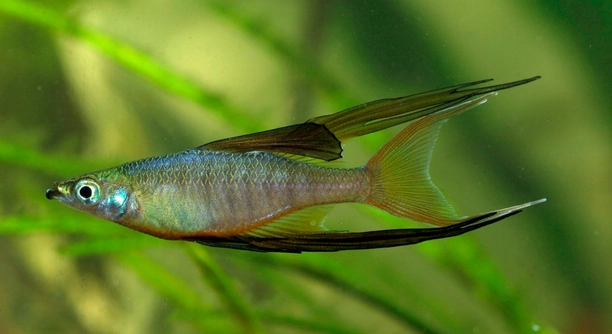
Threadfin Rainbowfish are lively freshwater fish that often brighten home aquariums with their shimmering colors. Observing them swim gracefully can be soothing, but sometimes they chase each other in ways that puzzle even experienced fish keepers.
Chasing behavior in Threadfin Rainbowfish primarily occurs due to social hierarchy, territorial instincts, and breeding activities. Males often pursue one another to establish dominance, protect territory, or court females. This behavior is natural and reflects their complex social interactions within a group.
Recognizing the reasons behind this behavior can help you maintain a harmonious aquarium and support the well-being of your Rainbowfish.
Understanding Social Hierarchy
Threadfin Rainbowfish have a clear social hierarchy, which strongly influences their interactions. In a community tank, males often display chasing behavior to assert dominance. This is not necessarily aggressive but a way to communicate status. Females may also move away from more dominant males to avoid unnecessary stress. Observing these patterns helps you identify which fish are higher in rank. Chasing can escalate if the tank is overcrowded, leading to injuries or stress. Providing plenty of space and hiding spots can reduce tension. Aquatic plants, rocks, and decorations create territories and allow less dominant fish to retreat safely. Recognizing the signs of dominance, such as chasing, fin flaring, and brief nudges, allows you to manage your aquarium proactively. A well-structured tank environment helps maintain balance and ensures all fish can swim comfortably. Paying attention to these social dynamics improves both the health and behavior of your fish over time.
Maintaining clear territories minimizes conflicts and supports peaceful interactions among Threadfin Rainbowfish in a shared tank environment.
Creating distinct areas with plants and decorations allows fish to establish safe spaces. This prevents constant chasing and reduces stress. Fish that feel secure are more likely to display natural, healthy behaviors. Careful tank arrangement is essential to encourage harmony.
Breeding and Courtship Behavior
During breeding periods, chasing behavior increases as males compete for female attention. This is a normal part of reproduction and helps ensure the strongest males mate. Males often display their colors and perform rapid movements around females. Females may respond by swimming away or showing preference for certain males. In a home aquarium, these displays can look aggressive but are primarily courtship behavior. Understanding these patterns allows you to distinguish between harmful aggression and natural breeding activity.
Breeding-related chasing is influenced by tank size, population density, and the number of females. Too few females may intensify competition, increasing stress levels for all fish. Providing a balanced male-to-female ratio reduces excessive chasing and allows healthier social interactions. Hiding spots and plants give females control over interactions, allowing them to avoid persistent males if necessary. Observing color changes, fin displays, and following behaviors helps identify which fish are ready to breed. Offering suitable conditions, such as slightly warmer water and proper nutrition, encourages natural breeding without causing undue stress. By supporting these behaviors thoughtfully, you can promote a healthier, more dynamic aquarium where Threadfin Rainbowfish thrive and display their full range of natural behaviors.
Tank Size and Environment
A small tank can increase chasing behavior, as fish have limited space to establish territories. Overcrowding often stresses Threadfin Rainbowfish, leading to persistent pursuit and occasional fin nipping. Proper tank size reduces conflicts.
Providing at least 30 gallons for a small group allows each fish to have its own swimming space. Decorations, plants, and hiding spots help fish avoid constant chasing. Open swimming areas combined with safe retreats create balance in the tank. Observing how fish use the space can guide adjustments to layout. A well-planned environment minimizes stress and encourages natural behaviors.
Temperature, water quality, and lighting also influence chasing. Warmer water can increase activity levels, while poor water conditions heighten stress and aggression. Consistent monitoring of parameters ensures that fish remain healthy. Adjusting flow and adding plants can create visual barriers, helping reduce constant pursuit. Careful attention to the environment supports both peaceful interactions and the overall well-being of your Rainbowfish.
Diet and Nutrition
Inadequate nutrition can increase chasing, as fish compete for limited resources. Providing balanced meals reduces aggressive behaviors and ensures all fish remain healthy.
High-quality flakes, pellets, and occasional live foods supply essential nutrients. Feeding small amounts multiple times a day prevents competition and stress. Uneaten food should be removed promptly to maintain water quality. Consistent feeding schedules also reduce territorial disputes over food.
A varied diet not only supports growth but also enhances coloration and activity levels. Live or frozen foods like brine shrimp or daphnia stimulate natural hunting behaviors without triggering aggression. Overfeeding should be avoided, as it can lead to poor water conditions and increased chasing. By maintaining a consistent, balanced diet, you can encourage calmer interactions and promote long-term health. Fish that feel well-fed and supported are less likely to engage in constant pursuit, helping maintain harmony within the tank.
Gender Differences
Male Threadfin Rainbowfish chase more often than females due to dominance and courtship. Females rarely engage in prolonged chasing, focusing instead on swimming and feeding.
Males display brighter colors and more active movements, which can trigger both chasing and following behaviors. Observing these patterns helps distinguish between aggression and natural social interaction.
Reducing Stress in Your Tank
Stress increases chasing, often resulting from poor water quality, sudden changes, or overcrowding. Maintaining stable conditions and clean water minimizes tension. Balanced stocking levels, gentle filtration, and hiding spots allow fish to feel secure, reducing unnecessary pursuit and improving overall health in the aquarium.
Observing Behavior Patterns
Tracking when and how chasing occurs helps identify triggers. Patterns often reveal dominance disputes, breeding activity, or environmental stressors, guiding adjustments to the tank setup for calmer interactions.
FAQ
Why do Threadfin Rainbowfish chase each other even in a spacious tank?
Chasing behavior is not only about space but also about social hierarchy and natural instincts. Even in large tanks, males may follow or pursue one another to establish dominance, demonstrate courtship behaviors, or protect perceived territory. Providing hiding spots and visual barriers can help, but occasional chasing is normal. Observing interactions rather than immediately intervening allows fish to establish their social order naturally.
Is chasing a sign of aggression or health problems?
Not always. Chasing is often a social or breeding behavior rather than outright aggression. However, if chasing leads to injuries, torn fins, or constant stress, it could indicate overcrowding, poor water conditions, or imbalance in male-to-female ratios. Maintaining clean water, proper nutrition, and adequate space prevents most health-related issues.
How can I reduce chasing without separating fish?
Adjusting tank setup is effective. Adding plants, rocks, or decorations creates territories and hiding areas. A balanced male-to-female ratio lowers competition, and feeding multiple small portions reduces food-related disputes. Monitoring fish behavior helps you identify which individuals need extra space or temporary separation.
Does chasing mean my fish are stressed?
Chasing can be stressful if persistent or aggressive, but occasional pursuit is normal. Stress-related chasing usually comes with other signs like loss of appetite, hiding, or rapid breathing. Ensuring stable water parameters, a balanced diet, and sufficient swimming space keeps fish calm and healthy.
Are females affected by male chasing?
Yes, females may avoid dominant males or be stressed by constant pursuit. Providing plants, floating barriers, or open swimming areas allows females to control interactions. This reduces prolonged stress and supports natural social behavior without limiting male activity.
How does breeding influence chasing behavior?
During breeding periods, chasing intensifies. Males pursue females to court them, often showing bright colors and active movements. This behavior is natural and signals reproductive readiness. Ensuring enough females for each male and providing plant cover helps females manage interactions comfortably.
Can tank size completely stop chasing?
While a larger tank reduces overcrowding, it doesn’t eliminate chasing entirely. Social hierarchy and breeding instincts remain. However, more space gives subordinate fish room to escape, reducing stress and injuries while allowing natural behaviors to occur without constant conflict.
Is chasing more common in certain times of the day?
Yes. Threadfin Rainbowfish are generally more active during daylight hours when feeding and interacting. Early morning and late afternoon often see more chasing due to heightened activity levels. Observing these patterns can help anticipate and manage periods of increased pursuit.
Does diet impact chasing behavior?
A well-fed group shows less competition-driven chasing. Providing a varied diet with flakes, pellets, and occasional live food reduces food-related disputes. Overfeeding should be avoided, as it can harm water quality and inadvertently increase aggression due to uneven feeding spots.
Should I separate fish if chasing becomes frequent?
Separation is only necessary if chasing leads to injuries or extreme stress. Using a temporary divider or moving a dominant male to another tank can calm the group. Often, minor adjustments to tank layout or population balance resolve excessive chasing without long-term separation.
How can I monitor chasing effectively?
Observing fish behavior daily and noting patterns helps identify triggers. Watch which fish are chased, the intensity of pursuits, and any resulting injuries. This information guides adjustments to tank environment, diet, or social balance, promoting a calmer, healthier aquarium.
Can chasing ever be completely stopped?
No, chasing is a natural behavior for establishing hierarchy, courtship, and territory. The goal is to manage it safely, not eliminate it. Creating a well-structured environment, ensuring proper nutrition, and balancing male-to-female ratios minimizes stress while allowing fish to display natural behaviors.
Do different tank decorations influence chasing?
Yes. Plants, rocks, and hiding spots break lines of sight and create safe zones. These barriers let subordinate fish avoid dominant individuals, reducing constant pursuit. Decorations also give fish space to swim freely, helping distribute activity evenly across the tank and maintaining overall harmony.
How long does chasing usually last?
Short bursts of chasing are typical and may only last seconds or minutes. Prolonged chasing indicates social stress, overcrowding, or breeding disputes. Monitoring the frequency and duration helps determine if changes are needed to prevent injuries and maintain a peaceful environment.
Can chasing behavior indicate readiness for breeding?
Often, yes. Males become more active, colorful, and persistent in pursuing females during reproductive readiness. Recognizing these behaviors helps plan for breeding management, such as providing extra females, plant cover, or separate spawning areas to prevent excessive stress on the fish.
Does water temperature affect chasing?
Higher temperatures increase activity, which can lead to more chasing. Maintaining consistent, appropriate water conditions for Threadfin Rainbowfish keeps activity levels balanced. Sudden temperature changes can also cause stress and trigger aggressive behavior, so gradual adjustments are crucial when needed.
What are the signs that chasing is harmful?
Look for torn fins, visible injuries, constant hiding, or reduced feeding. These signs indicate that chasing is no longer normal social behavior but has become harmful. Immediate adjustments, such as adding hiding spots or separating aggressive individuals, are necessary to protect fish health.
Can lighting influence chasing behavior?
Bright or fluctuating lighting can increase activity, sometimes leading to more chasing. Soft, consistent lighting helps fish feel secure and maintain normal behavior patterns. Timed lighting schedules simulate natural conditions, promoting a calmer tank environment while supporting health and social interactions.
How often should I check on chasing behavior?
Daily observation is best. Short, regular checks allow you to notice subtle changes in behavior or signs of stress. Recording observations helps track patterns over time, guiding adjustments to environment, diet, or population balance for long-term well-being.
Is chasing more intense among males of similar size?
Yes, males of similar size often compete more aggressively for dominance. Size differences reduce the intensity of chasing, as smaller males usually avoid larger, dominant individuals. Understanding these dynamics can guide stocking decisions and prevent prolonged conflicts.
How do I know if chasing is natural versus aggressive?
Natural chasing involves short bursts, displays of color, or mild nudges without injury. Aggressive chasing results in constant pursuit, fin damage, or hiding. Observing these distinctions allows targeted interventions, such as modifying tank layout, adjusting population ratios, or separating individuals when necessary.
Can hiding spots alone stop chasing?
Not entirely, but they reduce stress and give subordinate fish control over interactions. Hiding spots complement other measures like tank size, diet, and population balance, creating an environment that minimizes harmful chasing while supporting natural social behaviors.
Do Threadfin Rainbowfish ever chase at night?
Chasing is mostly a daytime behavior since Rainbowfish are diurnal. Nighttime activity is minimal, and chasing is rare during darkness. Providing a regular light-dark cycle supports natural rhythms and reduces unexpected stress-related behaviors.
Are some fish more likely to be chased than others?
Yes. Subordinate males, smaller fish, or less dominant individuals are more frequently pursued. Observing these patterns helps identify which fish may need extra space, hiding spots, or temporary separation to maintain overall tank harmony.
Does tank population density affect chasing?
Higher density increases chasing frequency due to competition for space and resources. Maintaining a balanced number of fish relative to tank size reduces prolonged pursuits, promotes calm behavior, and ensures all fish have sufficient swimming and hiding areas.
Can chasing behavior damage fish health long-term?
If persistent and unmanaged, yes. Constant stress can weaken immunity, reduce feeding, and lead to injury. Monitoring, maintaining proper conditions, and providing environmental enrichment prevent long-term health problems while allowing normal social behavior.
What immediate steps should I take if chasing becomes harmful?
Increase hiding spots, adjust male-to-female ratios, and ensure proper feeding. Temporary separation of aggressive individuals may be necessary. Regular water maintenance and observation support recovery and help prevent repeated harmful chasing.
Are there environmental cues that trigger chasing?
Yes. Changes in water flow, lighting, decorations, or sudden movements near the tank can trigger bursts of chasing. Consistent and stable conditions reduce unnecessary pursuit and help maintain a calm, balanced aquarium.
Can chasing be part of play or exercise?
Some chasing is playful or exploratory, especially among young or active fish. Short bursts of movement help fish exercise and establish social bonds without causing stress or injury.
How do I balance natural chasing with tank safety?
Provide space, hiding spots, proper diet, and population balance. Observe fish behavior and adjust conditions when chasing becomes excessive. Encouraging natural interactions while minimizing risk maintains both harmony and healthy fish.
Does chasing decrease as fish mature?
Often, yes. Younger males may chase more frequently while establishing social rank. Once hierarchy is settled, chasing tends to decrease, though breeding or territorial behaviors can still trigger occasional pursuit.
How can I tell if chasing is related to feeding?
If chasing spikes during feeding times, it’s likely competition-driven. Providing multiple feeding points, spreading food evenly, and feeding small amounts multiple times reduces stress and prevents food-related aggression.
Does water flow impact chasing behavior?
Strong currents may increase chasing as fish become more active and compete for preferred swimming areas. Gentle, evenly distributed flow supports calm movement and reduces conflict, allowing fish to navigate the tank comfortably.
Are certain tank mates more likely to provoke chasing?
Yes. Fast, brightly colored, or aggressive species may trigger pursuit. Choosing compatible tank mates and observing interactions helps prevent unnecessary chasing and maintains a balanced social environment.
How do I track improvement in chasing behavior?
Record observations daily, noting frequency, duration, and intensity. Changes after adjusting tank layout, diet, or population balance indicate whether interventions are effective and if further adjustments are needed.
Can chasing ever be completely stress-free?
No, some chasing is natural. The goal is to manage conditions so it occurs safely, without prolonged stress or injury, while allowing fish to express normal social and reproductive behaviors.
Does chasing affect female reproductive health?
Excessive stress from persistent chasing can impact female health, reducing egg production or increasing susceptibility to illness. Providing escape routes and visual barriers helps maintain reproductive well-being while allowing males to display normal courtship behavior.
How often should I adjust tank layout to manage chasing?
Adjustments should be made as needed based on observation. Seasonal changes, growth, or breeding periods may require new hiding spots, decorations, or reorganization to maintain balance and reduce unnecessary stress.
Are chasing behaviors different in captive versus wild Threadfin Rainbowfish?
In the wild, fish have more space, natural cover, and social groups, so chasing is often shorter and less stressful. Captivity can exaggerate chasing due to limited space, fewer hiding spots, and higher density, requiring careful management to mimic natural conditions.
What role do visual barriers play in reducing chasing?
Visual barriers like plants, rocks, or ornaments allow fish to hide and avoid dominant individuals. These barriers reduce stress, give control to subordinate fish, and prevent prolonged chasing while still allowing normal social interaction.
Is chasing influenced by water chemistry?
Poor water quality can increase stress and trigger more chasing. Stable pH, hardness, and cleanliness help maintain calm behavior. Regular testing and adjustments are essential to support both health and social stability in the tank.
Does chasing affect other tank inhabitants?
Yes, constant pursuit can stress other fish, especially shy or slow-moving species. Providing adequate space, hiding spots, and compatible tank mates reduces the ripple effects of chasing on the entire aquarium community.
How do I know when chasing is normal?
Short, occasional bursts with no injury are typical. Color displays, fin flaring, or brief nudges without prolonged pursuit indicate normal social behavior, reflecting hierarchy, courtship, or play.
Are some individual fish more prone to chasing?
Yes. Dominant males or highly active individuals are more likely to initiate chasing. Recognizing these tendencies allows you to manage tank dynamics and prevent prolonged conflicts.
Can chasing indicate dominance without aggression?
Yes. Chasing is often a way to establish hierarchy without injuring other fish. Subtle nudges, following, or brief pursuits communicate rank while keeping interactions relatively safe.
Do hiding spots need to be changed over time?
Occasionally rearranging plants or decorations keeps fish engaged and prevents predictable territories that can escalate conflicts. Changes should be gradual to avoid unnecessary stress while maintaining security.
Can chasing help strengthen fish social skills?
Yes, controlled chasing allows fish to establish hierarchy, practice courtship, and learn boundaries. When managed safely, it contributes to overall social stability and natural behavior development.
What is the best way to intervene if chasing escalates?
Temporary separation, adjusting tank layout, or adding visual barriers are effective interventions. Immediate action prevents injury, reduces stress, and allows fish to resume normal behavior once the environment is balanced.
How does tank lighting schedule affect chasing?
Consistent light cycles regulate activity levels. Sudden changes or overly bright lighting can increase chasing, while natural-like schedules support calm, predictable behavior patterns for Threadfin Rainbowfish.
Can chasing ever become habitual?
Yes, if unbalanced conditions persist. Dominant fish may repeatedly chase subordinates even after hierarchy is established. Correcting environmental factors and ensuring population balance breaks harmful habits.
Does chasing differ between captive-bred and wild-caught fish?
Captive-bred fish are generally more tolerant of close quarters and may chase less aggressively, while wild-caught fish may show heightened territorial or dominance behaviors. Understanding origin helps anticipate behavior patterns.
Are juveniles less likely to chase?
Juveniles may chase occasionally while establishing social rank, but intensity and frequency are usually lower than adult males. Hierarchy becomes clearer as they mature, influencing the level of pursuit in the tank.
Can chasing signal health improvements?
Occasionally, increased activity including chasing can indicate healthy energy levels, proper nutrition, and normal social development. Context and observation are essential to differentiate healthy activity from harmful aggression.
Does chasing vary with seasons or water temperature changes?
Yes, warmer temperatures and seasonal shifts can increase activity levels, triggering more chasing. Maintaining stable environmental conditions helps minimize unnecessary stress while allowing natural behaviors.
How do I combine all strategies to manage chasing?
Use a balanced approach: proper tank size, hiding spots, visual barriers, stable water parameters, balanced population ratios, and a healthy diet. Observing and adjusting regularly ensures chasing remains natural and safe.
Can chasing ever be completely predictable?
No, some chasing depends on spontaneous social interactions, breeding readiness, or environmental changes. Regular observation and proactive tank management help keep chasing controlled and safe.
Does chasing ever stop after hierarchy is established?
It decreases but does not stop completely. Occasional chasing remains part of normal social interactions, particularly during breeding periods or when asserting minor dominance shifts.
How do I ensure chasing remains safe for all fish?
Monitor behavior, provide space, hiding spots, balanced population, proper diet, and stable water conditions. Intervene only when chasing becomes prolonged or injurious, allowing natural behavior without harm.
Can chasing be fun to watch?
Yes, when controlled and safe, observing chasing provides insight into social dynamics, hierarchy, and courtship behaviors. It reflects the complexity of interactions within a well-maintained aquarium.
Does chasing ever indicate boredom?
Sometimes. Lack of enrichment, decorations, or space can lead to repetitive chasing. Adding plants, hiding spots, and varied swimming areas keeps fish engaged and reduces unnecessary pursuit.
Can chasing trigger stress in other fish species in the same tank?
Yes. Nervous or shy species may hide constantly, lose appetite, or experience elevated stress. Designing a tank with escape routes and adequate space minimizes negative impacts on all inhabitants.
Is chasing always visible or sometimes subtle?
Subtle chasing may involve following, nudging, or color displays without prolonged pursuit. Recognizing these subtle behaviors helps differentiate normal interaction from harmful aggression.
Does chasing frequency change over time?
Yes, as hierarchy stabilizes or breeding cycles occur, chasing may decrease or increase temporarily. Monitoring over weeks helps determine trends and needed adjustments.
Can chasing ever indicate environmental dissatisfaction?
Yes, constant or aggressive chasing may reflect overcrowding, poor water quality, or lack of enrichment. Addressing these factors restores balance and reduces harmful behavior.
Are there long-term benefits to moderate chasing?
Yes, moderate chasing supports hierarchy establishment, courtship practice, and healthy activity levels. Controlled social interactions contribute to overall well-being without causing injury or stress.
How do I combine observation and intervention effectively?
Observe daily, note patterns, and intervene only when chasing causes harm. Adjust tank layout, population ratios, or hiding spots as needed to maintain balance. This approach allows natural behavior while preventing injury.
Does chasing differ between individual personalities?
Yes, some fish are naturally more dominant or active. Recognizing individual tendencies helps manage interactions, prevent prolonged pursuit, and ensure a harmonious aquarium environment.
Can chasing indicate readiness for environmental changes?
Sometimes, increased activity or chasing may signal that tank conditions, layout, or population balance need adjustment. Timely observation helps address issues before stress escalates.
Does chasing ever affect breeding success?
Excessive stress from persistent chasing can reduce reproductive success. Providing sufficient hiding spots, proper male-to-female ratios, and calm conditions supports healthy breeding behaviors.
How do I maintain a balance between natural chasing and tank safety?
Focus on space, enrichment, population balance, nutrition, and observation. Allow natural behaviors while intervening only when chasing becomes prolonged or injurious, creating a safe, dynamic environment for all fish.
Can chasing intensity change with tank size adjustments?
Yes. Increasing tank size or rearranging decorations often reduces intensity by giving subordinate fish space to escape and establish their own territories, promoting calmer interactions.
Does chasing affect color development?
Mild, healthy chasing can stimulate activity and display of vibrant colors, particularly in males during courtship. Excessive stress, however, may dull coloration over time.
Can chasing ever improve social cohesion?
Yes, controlled chasing helps establish hierarchy, reduce disputes later, and encourage social recognition among fish. Safe interactions strengthen overall group cohesion.
Is chasing more visible in certain water conditions?
Clear water makes chasing more noticeable, while murky or heavily planted tanks can obscure interactions. Observing behavior in various conditions helps assess social dynamics accurately.
Can chasing indicate dominance changes over time?
Yes. If a dominant fish is challenged or new fish are introduced, chasing may increase temporarily as hierarchy is reassessed. Observing these changes ensures interventions are only needed when necessary.
How do I prevent chasing-related injuries?
Provide space, hiding spots, visual barriers, balanced population, proper diet, and stable conditions. Immediate separation of aggressive individuals prevents injury while maintaining natural behavior.
Can chasing patterns inform tank management decisions?
Yes, consistent observation of chasing frequency, intensity, and participants guides adjustments to layout, population, and care routines, ensuring a healthier, calmer aquarium environment.
How often should I reassess chasing behaviors?
Weekly observation and note-taking help track trends, evaluate interventions, and make adjustments to tank setup, population ratios, or enrichment as fish grow and conditions change
Final Thoughts
Threadfin Rainbowfish are active, social fish that display chasing behavior as a normal part of their interactions. This behavior is influenced by social hierarchy, breeding instincts, and environmental conditions. Males often chase one another to establish dominance or court females, while females may swim away to avoid prolonged pursuit. Observing these behaviors helps distinguish between natural social interactions and harmful aggression. Understanding the reasons behind chasing allows you to manage your aquarium more effectively and maintain a peaceful environment for all fish. Providing sufficient space, hiding spots, and balanced population ratios can reduce tension while allowing fish to express their natural behaviors safely. It is important to recognize that occasional chasing is normal and should not be seen as a problem unless it becomes persistent or injurious.
Maintaining the right tank conditions plays a crucial role in minimizing harmful chasing. Proper water quality, stable temperature, and consistent lighting reduce stress and promote healthy behavior. Tank layout also matters, as decorations, plants, and rocks create territories and visual barriers that allow subordinate fish to retreat and avoid constant pursuit. A larger tank gives fish more room to establish their own swimming areas, which helps prevent overcrowding and competition-related chasing. Diet is another essential factor; a balanced and varied diet prevents food-related disputes and ensures all fish remain healthy. Monitoring fish behavior regularly allows for timely interventions if chasing escalates, and small adjustments such as rearranging decorations or adding extra hiding spots can make a significant difference in tank harmony.
Chasing behavior is a natural, dynamic part of Threadfin Rainbowfish social life, and when properly managed, it poses little risk to the overall health of the tank. Recognizing triggers, observing patterns, and maintaining stable environmental conditions help create a balanced and calm aquarium. By paying attention to hierarchy, breeding activity, and environmental factors, you can support natural behaviors without allowing chasing to become harmful. Fish benefit from environments where they feel safe, have access to food, and can establish territories. With careful observation and proper management, chasing can be understood as a normal, healthy part of Threadfin Rainbowfish behavior rather than a cause for concern. This approach allows you to enjoy their lively interactions while ensuring the well-being of your aquatic community.

Hello,
If you enjoy the content that we create, please consider saying a "Thank You!" by leaving a tip.
Every little bit helps us continue crafting quality advice that supports the health, happiness, and well-being of pets around the world, for pets of all shapes, sizes, and species.
We really appreciate the kindness and support that you show us!