
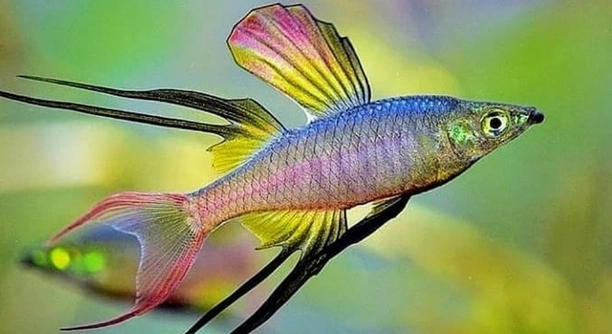
Do you ever notice your threadfin swimming with its head pointing downward and wonder if something is wrong? Observing their unusual posture can be concerning, especially for those who care deeply about the health of their fish.
Threadfin swimming with the head down is often caused by a combination of environmental, dietary, and health-related factors. Poor water quality, swim bladder disorders, infections, improper nutrition, stress, or physical injuries can all lead to this behavior.
Understanding the reasons behind this behavior can help you take the right steps to restore your threadfin’s wellbeing and prevent further complications in their environment.
Poor Water Quality
Poor water conditions are one of the most common reasons threadfin swim with their heads down. High levels of ammonia, nitrites, or nitrates can irritate their gills and stress them, affecting buoyancy. Sudden changes in pH or temperature can also shock their system. Regular water testing and proper filtration are essential to prevent these issues. It is important to change water gradually and avoid overcrowding tanks. Stress from poor water quality can make threadfin more susceptible to disease. Even minor debris or leftover food can affect oxygen levels, causing sluggish swimming. Observing your fish daily helps detect early signs of distress, including unusual swimming patterns. Maintaining a stable, clean aquatic environment encourages normal behavior and overall health. By addressing water quality first, many cases of head-down swimming can be resolved before more serious interventions are needed. Consistency is key, as threadfin thrive in stable conditions.
Maintaining proper filtration and conducting regular water changes can prevent most water-related health problems in threadfin.
Regular testing and cleaning of the tank ensures that your threadfin remain healthy and active. It also helps you notice minor changes early, reducing the risk of stress-related conditions. A stable environment prevents infections and supports proper buoyancy control. By carefully monitoring water parameters, you provide the conditions necessary for natural swimming behavior. Consistent attention to cleanliness and chemical balance creates a comfortable habitat. Over time, this reduces the likelihood of recurrent problems. Healthy water quality not only keeps your fish physically safe but also encourages normal appetite and social behavior. Taking these small but consistent steps makes a significant difference in the overall wellbeing of threadfin, preventing head-down swimming caused by environmental stressors.
Swim Bladder Disorders
Swim bladder issues can make threadfin tilt downward while swimming.
Swim bladder disorders occur when the organ that controls buoyancy becomes inflamed, infected, or compressed. Poor diet, injury, or sudden temperature changes can contribute. Fish may struggle to maintain balance, often sinking to the bottom or floating awkwardly. Overfeeding or feeding low-quality food can worsen the problem, while stress from other tankmates may trigger symptoms. Correcting swim bladder problems usually involves adjusting diet, water conditions, and, if necessary, consulting a veterinarian. Some cases require fasting for a short period or feeding peas to help digestion. Avoiding rapid temperature shifts and maintaining a calm environment supports recovery. With attention, many threadfin recover normal swimming behavior, although chronic issues may require ongoing management. Early detection improves success, so observing feeding habits and swimming patterns daily is important. Proper care ensures long-term buoyancy control and prevents repeated episodes.
Infections
Bacterial, fungal, or parasitic infections can affect threadfin, causing them to swim with their head down. Early signs include lethargy, clamped fins, or discoloration. Treating infections quickly is essential to prevent long-term damage or death.
Infections disrupt normal bodily functions, including the swim bladder. Poor water quality, stress, or injuries can make threadfin more susceptible. Symptoms may include slow swimming, rubbing against objects, or loss of appetite. Identifying the specific type of infection is important because treatments vary; antibiotics, antifungal medication, or antiparasitic remedies may be necessary. Preventive measures such as quarantining new fish and maintaining clean water can reduce the risk. Ignoring early signs often worsens the condition, making recovery longer and more difficult. Regular observation is key to catching infections before they affect swimming behavior.
Even minor infections can impact buoyancy, making head-down swimming more pronounced. By monitoring behavior and taking prompt action, most infections can be treated effectively. Maintaining a balanced diet and reducing stress also support immune function. Over time, these steps help restore normal swimming patterns. Early intervention is critical, as prolonged infection can weaken the fish and affect overall tank health.
Improper Nutrition
Feeding threadfin low-quality or unbalanced food can lead to head-down swimming. Insufficient protein or essential vitamins may affect energy levels and swim bladder function.
Nutritional deficiencies interfere with the normal functioning of internal organs, including the swim bladder. Overfeeding or feeding inappropriate food can cause digestive issues, which in turn affects buoyancy. Threadfin require a diet rich in protein and specific nutrients to maintain energy and stability. Frozen, live, or specially formulated pellets are ideal, as they provide essential nutrients and support healthy growth. Feeding small portions multiple times a day helps prevent bloating or constipation. Consistently providing high-quality food reduces the risk of head-down swimming caused by poor nutrition. Monitoring your fish’s weight and behavior helps identify dietary issues early, allowing quick correction.
A consistent, balanced diet improves overall health and buoyancy control. Proper nutrition not only prevents swim bladder problems but also strengthens immunity. Observing how your threadfin reacts to different foods ensures they receive necessary nutrients. Small dietary adjustments can quickly improve swimming posture. Over time, good nutrition supports both activity and appearance, keeping your fish lively and stable.
Stress
Stress from overcrowding, aggressive tankmates, or sudden environmental changes can cause threadfin to swim with their head down. Reducing stress improves overall behavior and health.
Providing hiding spaces and maintaining a calm tank environment helps threadfin feel secure. Monitoring interactions between fish can prevent bullying and minimize stress.
Physical Injuries
Injuries from sharp decorations, rough handling, or fights with other fish can impair mobility. Damaged fins or internal trauma may affect balance, causing head-down swimming. Immediate care and gentle handling reduce the risk of long-term issues.
Temperature Fluctuations
Sudden or extreme temperature changes can disorient threadfin, leading to head-down swimming. Consistent temperature control supports their stability and prevents stress-related health problems.
FAQ
What should I do if my threadfin swims with its head down?
The first step is to check the water quality. Test for ammonia, nitrites, nitrates, and pH levels. Clean the tank regularly and perform partial water changes to stabilize the environment. Observe your fish for other symptoms like clamped fins, slow swimming, or loss of appetite. Correcting environmental issues often improves swimming behavior quickly.
Can poor diet cause head-down swimming in threadfin?
Yes, improper nutrition can affect buoyancy and energy levels. Threadfin need a balanced diet rich in protein and essential vitamins. Overfeeding or giving low-quality food can cause digestive issues that make swimming difficult. Feeding small, nutrient-rich meals several times a day can help maintain proper health.
Are swim bladder disorders common in threadfin?
Swim bladder problems are a frequent reason for head-down swimming. The organ controlling buoyancy can be affected by diet, injury, or infections. Symptoms include difficulty maintaining balance, floating upside down, or sinking. Adjusting diet, fasting briefly, and maintaining clean water usually improves swim bladder function.
Could stress affect my fish’s swimming posture?
Absolutely. Stress from overcrowding, aggressive tankmates, or sudden environmental changes can cause abnormal swimming. Providing hiding spaces, maintaining a calm tank, and keeping compatible fish together reduces stress and helps restore normal behavior.
Do infections always show visible symptoms?
Not always. Some bacterial, fungal, or parasitic infections can start subtly. Lethargy, loss of appetite, and minor discoloration may appear before severe symptoms. Early detection and treatment are crucial. Quarantining new fish and keeping water clean lowers the risk of infection.
Can injuries lead to head-down swimming?
Yes. Physical injuries from decorations, rough handling, or fighting with other fish can damage fins or internal organs. This may affect balance and swimming posture. Gentle handling and careful tank arrangement reduce injury risk, while early observation ensures proper care and recovery.
How do temperature fluctuations affect threadfin behavior?
Sudden or extreme changes in temperature can disorient threadfin, making them swim head down. Maintaining a consistent temperature prevents stress and supports normal swimming patterns. Using a reliable heater and monitoring daily ensures a stable environment for your fish.
Is it possible to prevent these issues entirely?
While it’s difficult to prevent all problems, careful maintenance greatly reduces the risk. Consistent water quality checks, balanced nutrition, gentle handling, and stress reduction keep threadfin healthy. Regular observation allows you to catch problems early, improving recovery and long-term wellbeing.
How long does it take for a threadfin to recover?
Recovery depends on the cause. Correcting water quality or diet issues may show improvement within a few days. Treating infections or injuries can take several weeks. Consistency in care and monitoring daily behavior is key to a full recovery.
When should I consult a veterinarian?
If head-down swimming persists despite proper water quality, diet, and care, professional advice is recommended. Chronic swim bladder problems, severe infections, or unexplained injuries require veterinary attention to prevent lasting damage and ensure your threadfin’s health.
What signs indicate my fish is improving?
Improvement includes normal swimming posture, regular feeding, increased activity, and vibrant coloration. Gradual restoration of balance and interaction with tankmates shows that interventions are effective. Tracking daily behavior helps confirm recovery and prevent relapses.
Can multiple causes occur simultaneously?
Yes, more than one factor can affect swimming. Poor water quality, stress, diet, and minor infections can combine, complicating recovery. Addressing all possible issues and maintaining a stable, healthy environment improves the chances of full rehabilitation.
Are there long-term effects of head-down swimming?
If left untreated, prolonged head-down swimming can weaken muscles, increase stress, and make fish more susceptible to disease. Early intervention prevents permanent damage and ensures the threadfin continues to swim naturally and remain active.
How often should I monitor my tank?
Daily observation is ideal. Checking water parameters weekly, cleaning the tank regularly, and watching for changes in behavior helps catch issues early. Prompt action prevents minor problems from turning into serious health concerns.
Can preventive care eliminate head-down swimming completely?
While no method guarantees prevention, consistent care significantly reduces the likelihood. Balanced nutrition, stable water conditions, minimal stress, and regular monitoring create the best environment for threadfin to thrive and maintain normal swimming behavior.
This FAQ covers most common questions about threadfin swimming with the head down. Following these guidelines helps maintain their health and minimizes the chances of repeated problems.
Threadfin swimming with their head down can be concerning, but understanding the causes makes it easier to address. Many of the issues stem from environmental factors, health problems, or dietary concerns. Poor water quality, such as high ammonia or nitrite levels, is one of the main reasons for this behavior. Regular testing, proper filtration, and consistent water changes are key to keeping the tank stable. Observing your fish daily helps you notice early signs of stress or illness. Even small changes, like adjusting the temperature slowly or removing uneaten food, can make a big difference. By maintaining a clean, stable environment, you provide your threadfin with the best chance to swim normally and stay healthy. Attention to these basic aspects of care often prevents minor problems from becoming serious.
Nutrition plays a significant role in your threadfin’s ability to maintain balance and energy. Feeding a well-balanced diet rich in protein and essential vitamins supports proper swim bladder function and overall health. Overfeeding or giving low-quality food can lead to digestive issues that affect buoyancy. Providing small, frequent meals with high-quality pellets, frozen, or live food helps your fish maintain proper weight and energy levels. Observing feeding behavior is also important. If your threadfin seems lethargic, refuses food, or shows signs of bloating, these could indicate dietary problems or swim bladder stress. Adjusting feeding habits or improving the diet often corrects these issues and restores normal swimming patterns. Consistency in feeding ensures that your fish remains strong, active, and less prone to health problems.
Finally, health issues, stress, and injuries can all contribute to head-down swimming. Infections, swim bladder disorders, or physical injuries may require special care or veterinary attention. Stress from overcrowding, aggressive tankmates, or sudden environmental changes can also affect behavior. Providing hiding spaces, maintaining compatible tankmates, and keeping a calm environment reduce stress and encourage normal swimming. Early detection and intervention are critical. The sooner you address a problem, the more likely your threadfin will recover fully. Paying attention to behavior, environment, and diet creates a balanced and healthy habitat. With proper care and observation, most causes of head-down swimming can be resolved, allowing your threadfin to thrive and maintain a natural swimming posture.

Hello,
If you enjoy the content that we create, please consider saying a "Thank You!" by leaving a tip.
Every little bit helps us continue crafting quality advice that supports the health, happiness, and well-being of pets around the world, for pets of all shapes, sizes, and species.
We really appreciate the kindness and support that you show us!