
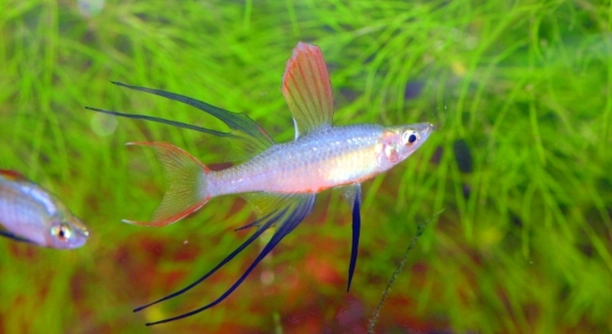
Threadfins are known for their graceful movements and shimmering scales, often seen gliding effortlessly through shallow waters. Observing them, one might notice they tend to circle the same area repeatedly throughout the day, creating a quiet rhythm in their habitat.
Threadfins often remain in a specific spot due to abundant food availability, suitable shelter, and favorable water conditions. This behavior reduces energy expenditure while maximizing feeding efficiency and safety from predators, ensuring their survival and stability in a familiar environment.
Understanding why threadfins circle can reveal insights about their feeding habits, habitat preferences, and how they interact with the surrounding ecosystem. This knowledge provides a clearer picture of their daily routines and environmental needs.
Daily Patterns and Feeding Spots
Threadfins often choose specific spots because those areas consistently provide the best feeding opportunities. Small crustaceans, plankton, and insects tend to gather in predictable locations, making it easier for threadfins to find food without wasting energy. Observing them in these spots reveals a methodical approach to survival. By circling the same area repeatedly, they increase their chances of catching prey efficiently. These areas also tend to have calmer currents and safer conditions, which reduces stress and the risk of predation. Staying within a familiar zone allows threadfins to monitor their environment and respond quickly if danger appears. This consistent pattern also supports social behavior, as multiple threadfins may feed together in the same location. Over time, this repetition becomes a stable routine that supports both feeding and safety. Their movement appears graceful, but it is highly purposeful and adaptive to the conditions around them.
Habitual patterns in specific feeding spots save threadfins energy and improve their daily survival.
Circling familiar feeding areas helps threadfins maintain access to abundant resources while minimizing unnecessary movement. By sticking close to reliable spots, they conserve energy for growth, reproduction, and evading predators. This consistent behavior also reinforces knowledge of local conditions, allowing them to react efficiently to changes in water flow, predator presence, or prey availability. Over time, this strategy strengthens their overall resilience and ensures they remain in optimal conditions without constantly seeking new locations. Observing threadfins in these areas provides insight into how aquatic species develop routines to balance energy use and safety while sustaining their daily needs. Their predictable movements are a testament to adaptation and survival in a dynamic environment.
Social Behavior and Safety
Threadfins often circle the same spot because it offers both safety and social benefits.
Staying close to others reduces the risk of attack from predators and allows for cooperative feeding strategies.
Threadfins rely on group behavior to increase survival chances. Circling the same location allows them to observe each other, alert to potential threats, and coordinate movements if danger arises. Safety in numbers helps individuals stay vigilant while focusing on feeding. In addition, familiar spots provide shelter from stronger currents and nearby predators, which encourages group formation. The repeated movements within a known area allow them to establish territory boundaries and reduce conflicts with other groups. This combination of social interaction and environmental awareness ensures they thrive in both food availability and security. By maintaining these routines, threadfins balance their need for nourishment with protection, showing how behavior is shaped by both social and environmental factors. Understanding these patterns provides a clear view of how threadfins interact with their habitat and with each other over time.
Water Conditions and Movement
Stable water conditions are a key reason threadfins remain in one spot. Calm currents and consistent temperature create an ideal environment for feeding and resting.
Threadfins adjust their movements to the flow of water, often choosing areas where currents are mild. These spots allow them to conserve energy while searching for food. Sudden changes in temperature, salinity, or current strength can push them to move, but in areas with steady conditions, they tend to repeat the same patterns daily. Familiar water conditions reduce stress and create a predictable space where feeding and social behaviors can occur efficiently.
Water clarity and oxygen levels also influence their choice of location. Threadfins prefer areas with clear water to easily detect prey and avoid predators. Oxygen-rich zones support their activity without forcing excessive movement, making it easier to maintain energy levels. This consistent environment encourages repeated circling, as it combines safety, food availability, and comfort, allowing threadfins to thrive in a single area rather than spreading out unpredictably.
Territorial Behavior
Threadfins often establish territories around reliable feeding spots, limiting movement beyond these areas. Their territorial behavior reduces competition for resources.
Maintaining a specific area allows threadfins to defend food sources from others while keeping track of local predators. They mark boundaries through repeated swimming patterns, often circling the perimeter of their preferred zone. These movements also signal to neighboring fish that the area is occupied, minimizing conflicts and ensuring a consistent food supply. Stronger individuals may dominate larger sections, while weaker ones adapt by staying at the edges, creating a balance within the group.
Territorial habits also help threadfins navigate and memorize their environment. By consistently circling the same area, they become familiar with every detail of their surroundings, including hiding spots, food concentrations, and escape routes. This knowledge allows them to act quickly in response to threats while maintaining access to resources. Territorial behavior supports social hierarchy, feeding efficiency, and overall safety, reinforcing why threadfins often appear to follow repetitive patterns within a confined space.
Energy Conservation
Threadfins conserve energy by limiting their movements to familiar areas. Staying in one spot reduces the effort needed to search for food and navigate currents.
Circling a known location allows them to feed efficiently while keeping energy reserves for growth, reproduction, and predator avoidance.
Predation Avoidance
Remaining in a single area helps threadfins monitor their surroundings closely. They can quickly detect threats and escape when necessary. Familiar territory improves their ability to hide and react, reducing the chances of being caught by predators.
Reproductive Behavior
Threadfins often select consistent areas that provide safety and resources for spawning. These locations support mating activities and increase offspring survival by keeping eggs and juveniles in protected, resource-rich zones.
Environmental Familiarity
Familiarity with a specific area helps threadfins navigate obstacles, find food, and respond to environmental changes efficiently. This knowledge allows them to adapt quickly without expending extra energy exploring unknown locations.
FAQ
Why do threadfins circle the same spot repeatedly?
Threadfins circle familiar areas mainly for feeding efficiency and safety. Repeated movements allow them to locate food like small crustaceans, plankton, and insects without wasting energy. Staying in one spot also helps them avoid predators and monitor their environment closely. Familiarity reduces stress and supports predictable routines.
Do water conditions affect their movement?
Yes, stable water conditions strongly influence threadfin behavior. They prefer areas with mild currents, clear water, and sufficient oxygen. Calm conditions allow them to feed efficiently while conserving energy. Sudden changes in temperature, salinity, or current may force them to move, but otherwise, consistent water encourages them to remain in one area.
How does social behavior influence their patterns?
Threadfins benefit from circling the same spot in groups. Social presence improves safety through alertness to predators. Group feeding also increases efficiency and allows them to establish a social hierarchy. Repeated movement helps individuals coordinate, maintain boundaries, and communicate through visual cues, reinforcing both safety and access to food resources.
Do threadfins defend their area?
Threadfins often establish small territories around reliable feeding spots. Territorial behavior reduces competition and ensures consistent access to resources. Circling the perimeter signals occupancy to other fish, while dominant individuals control prime spots. This behavior maintains balance in the group and allows weaker fish to adapt by staying at the edges.
Does energy conservation drive their behavior?
Energy efficiency is a major factor. By limiting movement to known areas, threadfins reduce energy spent on searching for food and avoiding predators. Circling familiar spots allows them to focus energy on growth, reproduction, and quick reactions to threats, which increases their overall survival chances.
Are certain locations preferred for reproduction?
Yes, threadfins often choose stable, resource-rich areas for spawning. These spots provide safety for eggs and juveniles, with consistent food and protection from strong currents or predators. Returning to the same location improves offspring survival by keeping them in familiar, optimal conditions.
How do threadfins respond to predators while staying in one spot?
Familiarity with their environment allows threadfins to react quickly to threats. They can escape using known hiding places or take advantage of nearby obstacles. Circling the same area also helps them detect unusual movement early, reducing risk. Group vigilance adds another layer of protection, enhancing survival.
Does environmental familiarity improve feeding efficiency?
Yes, repeated movement in the same spot allows threadfins to memorize where prey is most concentrated. They know the best locations, times, and techniques for catching food. This reduces wasted effort and ensures a steady intake while conserving energy for other essential behaviors like mating and evading predators.
Do threadfins move at different times of day?
Threadfin activity can vary with light, tides, and prey availability. Early morning or late afternoon may see more active feeding, while midday might involve resting in shaded or calm areas. Despite minor variations, they often return to familiar zones repeatedly, keeping their routine predictable and efficient.
Can human activity affect their circling behavior?
Yes, disturbances such as boating, fishing, or pollution can disrupt threadfin routines. Sudden changes in water quality or noise may force them to relocate temporarily. However, once conditions stabilize, they tend to return to familiar spots, highlighting their preference for predictable, safe environments.
How does schooling affect their safety and feeding?
Schooling reinforces both protection and feeding efficiency. Circling in a group makes it harder for predators to target a single fish. It also allows threadfins to exploit food resources more effectively. Collective movement provides cues about threats and food locations, creating a coordinated system within the school.
Do threadfins always return to the same spot year-round?
Generally, threadfins show site fidelity, returning to preferred spots when conditions remain favorable. Seasonal changes, breeding cycles, or environmental shifts may prompt temporary movement. Still, they tend to favor consistent areas where food, shelter, and safety align, demonstrating a strong preference for familiarity.
How can observing threadfins help understand aquatic habitats?
Studying threadfin patterns reveals much about food availability, predator presence, and water quality. Their movement and site fidelity indicate which areas are productive and safe. Observations can also show environmental changes over time, providing insight into the health of local aquatic ecosystems.
Do all threadfins behave the same way?
Individual behavior varies slightly depending on age, size, and dominance. Younger or weaker fish may stay at the edges, while stronger ones control prime feeding areas. Despite these differences, the overall pattern of circling familiar spots is consistent across the species, reflecting shared survival strategies.
What happens if food becomes scarce?
Threadfins may expand their range temporarily when local food decreases. They explore nearby areas while balancing energy expenditure and safety. Once resources return, they typically resume circling familiar spots, demonstrating adaptability without abandoning established routines.
How do threadfins balance feeding and predator avoidance?
Their circling behavior balances energy intake and safety. Familiar areas allow them to feed efficiently while monitoring for threats. Group presence, territorial knowledge, and environmental awareness all contribute to reducing risk while maintaining steady nutrition, showing how behavior integrates survival needs seamlessly.
Can environmental changes permanently alter their patterns?
Significant long-term changes, like habitat loss or water pollution, may force threadfins to establish new routines. While they prefer consistency, adaptability ensures survival when conditions shift. Their behavior reflects a balance between site fidelity and responsiveness to environmental pressures, highlighting their resilience.
Do threadfins interact with other species in these spots?
Yes, shared feeding zones often include other fish or aquatic creatures. Interactions may involve competition or avoidance, but threadfins’ repeated movement helps them negotiate space efficiently. Their awareness of surroundings ensures coexistence while maintaining access to key resources.
What can observing threadfins teach about survival strategies?
Watching their repeated circling shows how energy efficiency, safety, social behavior, and environmental familiarity work together. Threadfins demonstrate how predictable routines and careful territory management support both individual and group survival in complex aquatic habitats.
How long do threadfins maintain these habits?
Many threadfins maintain consistent circling patterns for months or even years if conditions remain favorable. This long-term routine supports feeding, reproduction, and safety, reflecting the effectiveness of their behavior in stable environments.
Final Thoughts
Threadfins’ habit of circling the same spot all day is a clear example of how behavior in aquatic species is shaped by both survival and efficiency. By remaining in familiar areas, threadfins conserve energy while maintaining access to consistent food sources. This behavior reduces the need to constantly search for prey, which can be unpredictable and costly in terms of effort. Staying in a known location allows them to monitor their environment carefully, giving them an advantage when detecting predators or changes in water conditions. Over time, this repetitive movement becomes a stable routine that supports feeding, safety, and overall well-being. It may appear as a simple pattern to an observer, but it reflects a carefully balanced strategy for meeting daily needs in a dynamic environment.
Group behavior also plays a significant role in why threadfins remain in one area. Circling familiar spots with others improves safety, as multiple eyes can watch for potential threats. It also allows fish to establish social hierarchies, where stronger individuals control prime feeding areas while others adapt to less dominant positions. Repeated movements in a defined area help threadfins coordinate with one another, minimizing conflicts and maximizing efficiency. Social interaction is intertwined with environmental familiarity, creating a balance that benefits both individual fish and the group as a whole. This combination of safety, social structure, and resource access explains why threadfins rarely wander far from their chosen spots, even if the area may seem small or limited.
Environmental factors further reinforce this behavior. Threadfins prefer areas with stable water conditions, suitable temperature, and sufficient oxygen levels. Calm currents make it easier to feed without expending unnecessary energy, while clear water allows them to locate prey and avoid predators efficiently. Areas that support spawning or juvenile survival are especially valuable, as they provide both safety and food for the next generation. Even when minor changes occur in the environment, threadfins often return to familiar locations, showing a strong preference for stability. Their repeated circling reflects an adaptive strategy shaped by feeding needs, predator avoidance, social behavior, and environmental conditions. Observing this behavior offers a clear example of how fish can balance multiple factors in daily routines, highlighting the intricate relationship between animals and their habitats.

Hello,
If you enjoy the content that we create, please consider saying a "Thank You!" by leaving a tip.
Every little bit helps us continue crafting quality advice that supports the health, happiness, and well-being of pets around the world, for pets of all shapes, sizes, and species.
We really appreciate the kindness and support that you show us!