
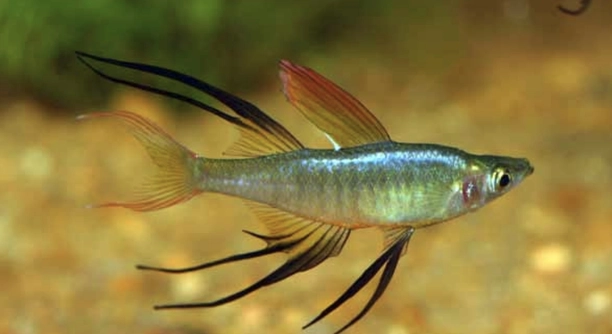
Have you ever noticed your threadfins behaving differently when the water feels cooler than usual? Their actions can shift quickly, leaving them restless, stressed, and struggling to adapt in their aquatic environment.
When threadfins are cold and unhappy, they become sluggish, lose their appetite, and may even isolate themselves. These fish thrive in warmer waters, and when temperatures drop, their metabolism slows, reducing energy levels and overall activity.
Understanding these changes can help you create a more comfortable environment for them, ensuring better health, stability, and harmony in their tank.
Why Threadfins React Poorly to Cold Temperatures
Threadfins are sensitive fish that need warm, stable water to thrive. When temperatures drop, their bodies slow down, making it difficult for them to swim, feed, or interact normally. Cold water stresses their immune systems, leaving them more vulnerable to illness. You might notice them becoming less active, hiding more often, or refusing to eat. This change in behavior is not random—it is their natural response to unfavorable conditions. Since their metabolism depends on heat, cooler temperatures interrupt digestion and energy use. Over time, this leads to weakened health, shorter lifespan, and increased susceptibility to infections. Keeping them warm helps maintain balance.
When these fish feel cold and stressed, it often shows first through appetite loss and a tendency to isolate. Paying attention to these small changes can help you recognize discomfort early before it affects their overall well-being.
By understanding their needs, you can prevent problems before they escalate. Threadfins thrive in consistent temperatures around the upper tropical range, so monitoring your aquarium setup is essential. Investing in a reliable heater ensures the water stays within their comfort zone. Consistency helps their bodies function properly and reduces the stress linked to sudden temperature drops. With these small adjustments, your threadfins can remain active, healthier, and more comfortable.
Signs That Your Threadfins Are Unhappy
When threadfins are unhappy, their behavior becomes noticeably different. They might stop eating, hide more often, or swim less actively. These signs are small warnings that their environment may not feel right to them.
Threadfins are naturally lively swimmers, so when they appear sluggish, it is a sign of discomfort. Cold water slows their metabolism, which not only decreases their energy but also disrupts digestion. This is why they often refuse food during colder conditions. Stress from fluctuating temperatures can also weaken their immune system, making them more prone to illnesses like fin rot. Another clear indicator is when they choose isolation, separating themselves from the rest of the group. Observing these shifts helps you respond quickly with adjustments, such as stabilizing the temperature or checking water quality. Addressing these issues promptly can restore comfort, encourage normal feeding habits, and bring back their playful swimming behavior.
How to Keep Threadfins Comfortable
A stable water temperature is the most important step to keep threadfins comfortable. These fish are highly sensitive to sudden changes, so using a dependable heater and thermometer makes a big difference in their daily well-being.
Maintaining the water between 75–82°F ensures their metabolism runs properly, allowing them to stay active and eat regularly. It is also important to monitor fluctuations caused by seasonal changes or drafts near the aquarium. Adding insulation or moving the tank away from windows can prevent unexpected drops. Consistency in warmth keeps them healthier and reduces stress-related problems.
Along with warmth, water quality plays a key role. Threadfins thrive in clean, balanced conditions, so regular testing and water changes are vital. Poor water quality, paired with cold temperatures, quickly makes them unhappy. Taking time to keep their environment stable not only prevents illness but also helps them display their natural, graceful swimming behavior.
Feeding Habits During Cold Stress
When threadfins experience cold stress, their appetite decreases noticeably. They may avoid food altogether or spit it out after tasting. This happens because their slowed metabolism makes digestion harder, leading them to conserve energy instead of eating.
During this time, offering easily digestible foods can help. Live or frozen options such as brine shrimp or daphnia are more appealing than dry flakes. Small, frequent feedings reduce waste while ensuring they receive nutrients without overwhelming their slowed digestion. It is equally important to maintain water quality, as leftover food can pollute the tank. Warmer, stable temperatures will naturally bring back their appetite. By staying observant, you can quickly adjust feeding routines to match their comfort level, preventing unnecessary stress.
The Role of Stress in Threadfin Health
Cold water places extra stress on threadfins, lowering their resistance to disease. Stress weakens their natural defenses, leaving them more open to infections. This is why maintaining steady, warm water conditions is essential for their survival.
Stress can also affect behavior, leading to hiding, aggression, or reduced interaction with other fish. These shifts show discomfort and can upset the balance in a community tank. By noticing these early signs, you can respond before health declines further.
Environmental Adjustments That Help
Small environmental adjustments can make a big difference. Adding plants or decorations provides shelter, helping threadfins feel safer when stressed. Gentle filtration maintains clean water without strong currents, as they prefer calm conditions. Stable lighting patterns also help reduce stress, creating a more natural and reassuring environment for them.
Observing Behavior Closely
Watching for changes in activity, appetite, or interaction is important. Early observation allows you to act before minor discomfort turns into larger health issues, giving your threadfins the best chance to stay happy and thriving.
FAQ
Why are my threadfins not eating?
Cold water slows their metabolism, making digestion difficult. Threadfins may lose interest in food or refuse it entirely until the temperature stabilizes. Offering small amounts of easily digestible food like brine shrimp or daphnia can encourage eating without stressing their digestive system.
How can I tell if my threadfins are stressed?
Signs include sluggish movement, hiding more than usual, swimming less actively, or isolating themselves. Appetite loss and fin clamping are also indicators. Monitoring these behaviors closely helps detect stress early so you can adjust water temperature, filtration, and tank setup.
What is the ideal water temperature for threadfins?
Threadfins thrive in temperatures between 75–82°F. Consistent warmth ensures their metabolism functions properly, supports feeding, and reduces the risk of illness. Avoid sudden drops by using a reliable heater and monitoring seasonal or environmental changes around the tank.
Do threadfins need special feeding during cold periods?
Yes. During cooler conditions, offer small, frequent portions of soft, digestible food. Avoid overfeeding, as uneaten food can pollute the water and worsen stress. Warming the water gradually helps restore appetite naturally.
How often should I check water conditions?
Daily checks for temperature, pH, and cleanliness are ideal. Threadfins are sensitive to fluctuations, and minor changes can affect their health. Regular water changes and monitoring prevent issues before they become severe.
Can threadfins recover from stress caused by cold water?
Yes, recovery is possible with consistent warmth, clean water, and proper feeding. Providing hiding spots and maintaining a calm environment reduces stress and helps them regain normal activity levels. Patience is key, as recovery can take several days.
What should I do if my threadfins hide constantly?
Hiding often signals discomfort. Check water temperature, quality, and tank setup. Adding plants or decorations can provide security, but ensure warmth and filtration are stable. Observing for other stress signs ensures you address underlying causes rather than just symptoms.
Are threadfins more vulnerable to disease in cold water?
Absolutely. Cold stress weakens their immune system, making infections like fin rot or bacterial issues more likely. Keeping water warm and clean helps prevent illness and supports natural defense mechanisms, reducing the need for medical intervention.
How can I make the tank more comfortable for cold-sensitive threadfins?
Maintain stable water temperature, provide gentle filtration, and add shelters like plants or decorations. Keep lighting consistent and avoid sudden changes. Small adjustments create a safer, less stressful environment that supports their natural behavior.
Is it normal for threadfins to be inactive in cooler temperatures?
Yes. Reduced activity is a natural response to cold water, as their metabolism slows to conserve energy. Ensuring warmth and consistent feeding helps them return to normal activity levels without risking health complications.
How long does it take for threadfins to adapt after a temperature change?
Adjustment varies depending on the drop and individual fish. Minor fluctuations may require a day or two, while prolonged cold can take several days of stable, warm conditions to fully restore normal behavior and appetite.
Can stress from cold water cause long-term health issues?
Prolonged stress can weaken the immune system and stunt growth. Maintaining warmth and consistent care minimizes risks, but chronic exposure may leave lasting effects. Observing behavior and acting quickly prevents long-term damage and supports overall well-being.
What signs indicate a threadfin is fully comfortable again?
They swim actively, interact with tank mates, and show a healthy appetite. Fins are relaxed, hiding is reduced, and they explore their environment confidently. Consistent warmth and stable conditions usually restore these behaviors within days.
Are there any supplements to help threadfins during stress?
Some fish-safe vitamins can support immunity during recovery, but the most important factor is a stable, warm environment. Supplements are only supportive, not a replacement for proper tank conditions and care.
How important is monitoring behavior compared to water parameters?
Both are critical. Water quality ensures basic health, but observing behavior provides early warnings of stress or illness. Together, they allow timely adjustments to prevent long-term issues and maintain a thriving aquarium.
Threadfins are delicate fish that respond quickly to changes in their environment. Cold water can make them sluggish, reduce their appetite, and increase stress levels. Paying attention to their behavior is essential because small signs of discomfort often appear before serious health problems develop. By noticing when your threadfins are hiding more than usual, swimming less actively, or refusing food, you can take early steps to correct the situation. Consistently monitoring water temperature, quality, and feeding habits helps prevent long-term issues. Simple adjustments like maintaining warmth, providing gentle filtration, and offering easily digestible food can make a significant difference in their daily comfort and overall health.
Providing a stable and comfortable environment is key to keeping threadfins healthy and happy. Their metabolism is highly sensitive to temperature, so fluctuations can impact their energy and immune system. A reliable heater and thermometer help maintain consistent warmth, while regular water checks ensure that pH, ammonia, and nitrate levels stay within safe ranges. Adding plants, hiding spots, and decorations can also reduce stress by giving them secure areas to retreat when they feel uneasy. These measures support natural behavior and help threadfins feel more confident in their surroundings. Paying attention to both the physical conditions and behavioral cues allows you to address potential problems before they escalate, ensuring that your fish remain active, social, and eating well.
Caring for threadfins requires patience and observation, but the effort is worthwhile. Cold and stress can be managed with small, practical steps that promote their health and comfort. By maintaining consistent temperature, clean water, and appropriate feeding, you create an environment where threadfins can thrive. Observing their behavior daily not only allows you to catch issues early but also strengthens your understanding of their natural patterns and needs. Over time, these practices make your aquarium a stable, safe, and enjoyable habitat for threadfins, helping them remain energetic, healthy, and balanced. Creating this stable environment ensures they can recover from stress quickly and continue to display their natural, graceful swimming patterns without the complications caused by cold water or unhappiness.

Hello,
If you enjoy the content that we create, please consider saying a "Thank You!" by leaving a tip.
Every little bit helps us continue crafting quality advice that supports the health, happiness, and well-being of pets around the world, for pets of all shapes, sizes, and species.
We really appreciate the kindness and support that you show us!