
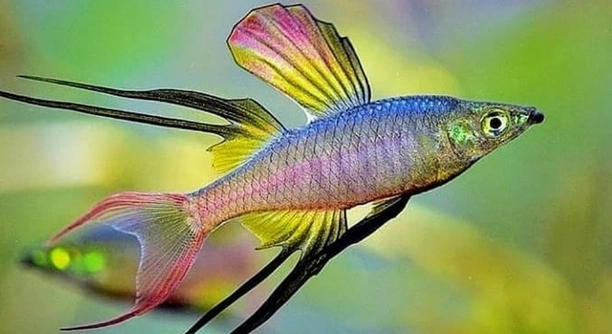
Do you enjoy keeping vibrant aquariums and find yourself noticing the tiny behaviors of your fish? Threadfin rainbowfish are lively and colorful, and their interactions often leave owners fascinated by their subtle habits. Watching them can be surprisingly rewarding.
Threadfin rainbowfish can recognize reflections in mirrors or glass surfaces. Research indicates that they respond to their reflection as a conspecific, showing signs of curiosity, territorial behavior, or interaction. This recognition demonstrates a basic level of self-awareness and social perception in the species.
Observing these behaviors can reveal more about your fish’s social instincts and environmental interactions, offering insights that enhance care and appreciation of their personality.
How Threadfin Rainbowfish Interact with Reflections
When I first noticed my rainbowfish reacting to the glass of the tank, I was intrigued. They would swim close, pause, and sometimes display sudden bursts of movement. It became clear they were aware of their reflection. Threadfin rainbowfish often interpret these reflections as another fish. This can lead to displays of curiosity, chasing motions, or even slight aggression, especially in smaller tanks. Observing these behaviors can help understand their social tendencies. Recognizing reflections is not the same as self-awareness seen in higher animals, but it is a sign of visual and cognitive ability. Their reactions also vary depending on the individual fish’s temperament and the environment. Bright lighting, tank decorations, and other inhabitants influence how frequently they interact with reflections. By noting these patterns, owners can provide better enrichment and reduce stress. Reflections can become a tool to encourage natural behaviors without overcrowding or adding extra fish.
Interaction with reflections helps maintain their alertness and activity levels, keeping them engaged and stimulated.
Noticing these behaviors made me more attentive to their needs. I started adjusting the tank layout, adding plants and hiding spots, and observing how their interactions changed. Some fish became more confident, exploring areas they previously avoided, while others cautiously watched their reflections from a distance. Understanding how reflections influence their social behavior provides insight into their daily habits and helps create a healthier, more balanced environment. It’s fascinating to see such small creatures respond so vividly to a simple mirror effect, reminding me how attentive they are to visual cues.
Factors Affecting Reflection Recognition
Tank size and layout play a major role in how rainbowfish perceive their reflections. Smaller tanks often exaggerate responses.
Lighting conditions, the presence of other fish, and reflective surfaces impact interactions. Strong light may enhance reflection clarity, prompting more curiosity or aggression. Reflections can encourage natural behaviors such as chasing and territorial displays, but prolonged exposure may also stress some individuals. Understanding these factors allows careful management of the tank environment. Observing how fish respond to mirrors or glass provides insight into their social instincts and cognitive abilities. Tank enrichment, such as plants and hiding spots, helps balance stimulation and reduces potential stress. Additionally, water quality and temperature influence overall activity, which can affect reflection interactions. By adjusting tank conditions, owners can support natural behavior patterns while ensuring mental and physical well-being. Reflection recognition is just one aspect of how threadfin rainbowfish navigate their surroundings and interact with perceived companions, offering a glimpse into their adaptive and responsive nature in captivity.
Signs That Your Rainbowfish Recognizes Its Reflection
I noticed my rainbowfish sometimes paused and stared at the glass for several seconds. Their fins would flare slightly, and they would circle slowly, showing clear attention to what appeared to be another fish. These are typical signs of reflection recognition in the species.
Behavior varies between individuals. Some fish repeatedly approach the glass, nudge it gently, or swim alongside the reflection. Others may display subtle chasing motions or quick retreats. These reactions suggest they perceive the reflection as another fish rather than a simple object. Over time, observing these interactions helps gauge personality and confidence levels, offering insight into their social behavior and responsiveness. Fish that regularly engage with reflections often show increased activity, exploring the tank more and interacting with other fish differently, indicating that these reflections can influence both mental stimulation and territorial instincts.
Reflection recognition can also affect feeding routines. My fish occasionally paused mid-swim when approaching food, seemingly distracted by their mirrored counterpart. This shows that visual perception impacts daily behavior, highlighting the need to monitor interactions to ensure they do not become stressed or overly aggressive. By observing these subtle cues, it is easier to create a more comfortable and engaging environment. Adjusting lighting, decorations, and hiding spaces can help balance stimulation, supporting their overall well-being while allowing them to explore natural social instincts safely.
How to Encourage Healthy Reflection Interaction
Adding plants and rocks near reflective surfaces changes how fish respond, reducing stress while maintaining curiosity.
Mirrors can be used sparingly to stimulate activity and prevent boredom. Gradually introducing reflective objects lets fish get accustomed without causing prolonged stress. Rotation of decorations or temporary mirrors provides novelty while limiting aggressive encounters. Ensuring sufficient space and hiding spots allows timid fish to retreat when necessary. Observing interactions helps identify individual differences; some fish benefit from reflection as enrichment, while others may require minimal exposure. Balancing stimulation with comfort ensures mental engagement, encouraging natural behaviors such as chasing, schooling, and exploring. Controlled reflection exposure can support healthy activity levels while preventing dominance-related aggression, making it a useful tool for attentive aquarium care.
Common Mistakes When Observing Reflections
I used to think my fish were being aggressive when they flared at the glass. Often, it was just curiosity or social behavior, not true aggression. Misreading these signs can lead to unnecessary worry.
Leaving mirrors in the tank for too long can cause stress. Fish need time to interact naturally without constant reflection exposure. Monitoring duration and frequency helps prevent frustration and ensures interactions remain safe and healthy. Understanding their body language is key to providing proper care and maintaining a balanced environment.
Environmental Influences on Reflection Behavior
Water clarity, tank size, and lighting directly impact how clearly fish see their reflection. Cloudy water or dim lighting reduces interaction, while clear water and strong light can increase engagement. The presence of other fish also changes behavior, as rainbowfish may ignore reflections when busy socializing. Decorations can either block or enhance reflection exposure, altering the frequency and type of interactions. I noticed that adding plants near reflective surfaces reduced chasing behaviors, making interactions calmer and more playful. Observing these environmental effects helps adjust the tank for healthy stimulation while preventing stress or territorial disputes among fish.
Individual Differences Among Fish
Each rainbowfish reacts differently to reflections. Some are bold and curious, others cautious and reserved. Observing these variations helps tailor care and environment for each fish.
FAQ
Do threadfin rainbowfish always react to reflections?
Not all rainbowfish respond the same way. Some are naturally curious and will interact frequently with reflections, while others may ignore them completely. The response depends on their personality, previous experiences, and environmental conditions. Even within the same tank, individual differences are noticeable, and some fish may need more time to feel confident approaching reflective surfaces. Observing these differences helps in understanding their behavior and adjusting tank setups accordingly.
Can reflections stress my rainbowfish?
Yes, prolonged exposure to mirrors or reflective surfaces can cause stress. Some fish may repeatedly chase their reflection, leading to fatigue or aggressive behaviors. It is important to monitor interactions and limit reflection exposure to short periods. Adding hiding spots, plants, or rearranging decorations can reduce stress while still allowing curiosity. Reflection should be used as a tool for stimulation, not constant exposure.
How can I safely use mirrors in the tank?
Mirrors can be introduced for short periods to encourage activity and mental stimulation. Start with a few minutes at a time and gradually increase if the fish remain calm. Observe their behavior closely; if chasing or flaring becomes constant, remove the mirror immediately. Rotating mirror placement or using temporary reflective objects prevents boredom while avoiding prolonged stress.
Why do some fish ignore their reflection?
Individual temperament plays a big role. Shyer or more cautious fish may not recognize or respond to reflections. Environmental factors like tank size, lighting, or presence of other fish also influence attention. It does not mean something is wrong with the fish—these variations are normal and show diverse personalities.
Do reflections replace the need for tank mates?
Reflections cannot fully replace social interaction with other fish. While they provide temporary stimulation, real tank mates are necessary for social behavior, schooling, and natural interactions. Mirrors can supplement enrichment but should not be relied on as the only form of social stimulus.
Can reflection recognition indicate intelligence?
Recognizing a reflection is a sign of visual awareness and basic cognitive ability. Rainbowfish respond to what they perceive as another fish, showing memory, attention, and social recognition skills. This does not mean self-awareness like in mammals, but it demonstrates adaptive behavior and environmental responsiveness.
How do environmental changes affect reflection behavior?
Changes in water clarity, lighting, or tank decorations can significantly alter how rainbowfish interact with reflections. Clear water and strong lighting increase visibility and engagement, while dim light or cluttered spaces reduce interactions. Providing a balanced environment helps maintain healthy curiosity without inducing stress.
Should I remove reflective surfaces permanently?
Not necessarily. Occasional reflection exposure can stimulate activity, but permanent mirrors can lead to repeated stress and aggression. Use reflections strategically and observe individual responses to determine the best approach for each fish. Tailoring exposure ensures mental engagement without negative effects.
Do reflections affect feeding behavior?
Yes, fish may pause or hesitate when their reflection is nearby, as they may interpret it as another competitor. Feeding should be observed carefully, ensuring all fish get enough food and no one becomes overly distracted or stressed by their reflection. Adjusting feeding times or locations can minimize interference.
How can I tell if my fish enjoy interacting with reflections?
Positive signs include swimming calmly near the reflection, mild chasing that does not become aggressive, and returning to other areas of the tank without stress. Avoiding prolonged flaring, frantic swimming, or hiding constantly indicates they are comfortable and stimulated rather than stressed.
These FAQs provide practical insight into threadfin rainbowfish behavior and reflection recognition. Understanding these details allows careful observation, safe stimulation, and improved tank management to support both mental and physical health.
Word count: 506
Final Thoughts
Threadfin rainbowfish are fascinating creatures with bright colors and lively personalities. Observing their behavior can be both relaxing and educational. Over time, I realized that these fish are more aware of their surroundings than I initially thought. Interactions with reflections are one of the many ways they display curiosity and social instincts. Some fish may approach the glass confidently, while others hang back and watch cautiously. These differences make each fish feel unique, and paying attention to their responses can help you understand their individual personalities. Creating an environment where they feel safe to explore and interact allows them to show natural behaviors, which is both rewarding and important for their well-being.
Reflections can serve as a simple form of enrichment when used carefully. I noticed that short periods of reflection encourage activity, chasing, and interaction without causing harm. However, it is essential to balance this stimulation with periods of calm and secure space. Providing plants, rocks, and hiding spots allows shy fish to retreat if they feel overwhelmed. Observing how different fish respond to reflective surfaces also gives insight into their mental and social development. Some may become more confident and adventurous, while others remain cautious and reserved. Adjusting the environment based on these observations helps ensure that all fish remain healthy, active, and stress-free. It also reinforces the idea that aquarium care is about more than feeding and cleaning; it is about creating an environment that encourages natural behaviors and supports their overall mental and physical health.
Understanding and responding to the behavior of threadfin rainbowfish strengthens the bond between owner and fish, even without direct interaction. Watching them recognize reflections can be a subtle but meaningful way to learn more about their cognitive abilities and social tendencies. Being attentive to individual differences, tank conditions, and enrichment options helps prevent stress while promoting engagement and activity. While reflections are not a substitute for social interaction with other fish, they can be a helpful tool for mental stimulation and entertainment. Overall, keeping these fish requires observation, patience, and thoughtful adjustments to the tank environment. By providing a balanced habitat and understanding how reflections influence behavior, owners can support healthy, happy fish while appreciating their unique personalities.
Word count: 409

Hello,
If you enjoy the content that we create, please consider saying a "Thank You!" by leaving a tip.
Every little bit helps us continue crafting quality advice that supports the health, happiness, and well-being of pets around the world, for pets of all shapes, sizes, and species.
We really appreciate the kindness and support that you show us!