
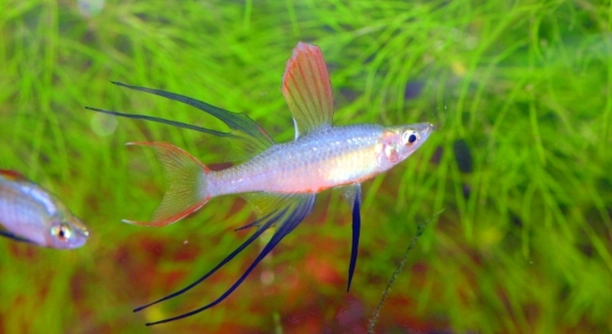
Have you ever noticed your Threadfin Rainbowfish swimming separately instead of together in a school? It can be surprising, especially when these fish are usually active and social. Understanding why they stop schooling helps in keeping them healthy.
Threadfin Rainbowfish may stop schooling due to stress, illness, poor water quality, inappropriate tank size, lack of companions, dietary deficiencies, or sudden changes in their environment. Each factor can disrupt their natural social behavior and overall well-being.
Learning about these causes will help you ensure your fish thrive and maintain their usual schooling behavior in a stable aquarium environment.
Stress in Threadfin Rainbowfish
Threadfin Rainbowfish are sensitive creatures, and stress is one of the main reasons they may stop schooling. Stress can be caused by sudden changes in water temperature, loud noises, or aggressive tank mates. Even subtle disturbances like rearranging decorations or introducing new fish can make them uneasy. Stressed fish may hide more often, swim erratically, or lose interest in social interaction. Over time, prolonged stress can weaken their immune system, making them more susceptible to diseases. Observing your fish regularly helps in identifying early signs of stress, allowing you to act quickly. Maintaining stable water conditions, minimizing sudden changes, and ensuring a calm environment will help your Rainbowfish feel secure. A quiet tank with plenty of hiding spots can encourage them to return to normal schooling patterns. Stress management is not just about preventing separation; it also ensures long-term health and vitality for your fish.
Stress can make Rainbowfish stop schooling, leading them to hide or swim alone instead of with the group.
By understanding their triggers, you can adjust the tank setup and interactions. Gentle changes, proper tank mates, and a calm environment often help them regain comfort and socialize normally.
Water Quality Issues
Poor water quality is a serious concern for Threadfin Rainbowfish. High ammonia, nitrite, or nitrate levels can affect their health and behavior.
Water parameters directly influence fish behavior and overall vitality. Dirty water can irritate their gills, reduce oxygen levels, and make them lethargic. Sudden changes in pH or hardness can also stress them, leading to schooling disruption. Regular testing of water, partial water changes, and maintaining a good filtration system are crucial. Consistent monitoring helps prevent minor issues from turning into major health problems. Threadfin Rainbowfish thrive in clean, well-oxygenated water with stable conditions. By keeping water quality high, they are more likely to maintain natural social behavior. Tank decorations and plants should be cleaned periodically to avoid debris buildup. Proper feeding practices also play a role, as leftover food can quickly pollute the water. Ensuring a balanced, stable environment supports both their physical health and their instinct to school together.
Illness and Disease
Illness can cause Threadfin Rainbowfish to stop schooling. Sick fish often isolate themselves to recover, showing unusual swimming patterns or loss of appetite.
Diseases like parasitic infections, bacterial infections, or fungal growth can weaken Rainbowfish, making them avoid group swimming. Even mild illness can disrupt their social behavior. Quarantining new fish and monitoring for early symptoms can prevent the spread of disease. Maintaining clean water and a balanced diet supports their immune system. When illness is detected, prompt treatment with appropriate medication is necessary. Stress from illness can compound the problem, so creating a calm, stable environment is important. Observation is key—small changes in behavior often indicate the fish needs care before the condition worsens.
A fish showing signs of lethargy, clamped fins, or unusual markings should be isolated and treated promptly. Early intervention improves recovery and helps them return to normal schooling behavior.
Tank Size and Space
Insufficient tank space can make Threadfin Rainbowfish uncomfortable and stop them from schooling properly. Crowded conditions reduce movement and social interaction.
A tank that is too small limits swimming space and makes Rainbowfish feel stressed or confined. They need room to swim in coordinated patterns, and tight quarters can force them into isolation. Ideally, a group of Threadfin Rainbowfish should have a tank that allows at least 10 gallons per fish. Overcrowding increases aggression, competition for food, and can lead to disease outbreaks. Providing open areas alongside hiding spots encourages natural schooling while allowing fish to retreat when needed. Regularly evaluating tank size and stocking levels ensures fish remain active and social. Adjusting decorations to create open swimming lanes and avoiding sharp or cramped spaces helps maintain schooling behavior. Proper tank setup supports both physical health and social stability.
Lack of Companions
Threadfin Rainbowfish are social fish, and a lack of companions can cause them to stop schooling. They feel safer and more confident when in groups of three or more.
Without enough companions, Rainbowfish may swim alone or hide. Group dynamics are essential for their natural behavior and sense of security.
Dietary Deficiencies
A poor diet can affect their energy levels and social interaction. Nutritional deficiencies may make them weak, less active, and reluctant to join the school. A varied diet with high-quality flakes, pellets, and occasional live or frozen food supports both health and schooling behavior.
Sudden Environmental Changes
Sudden changes, like moving the tank or altering lighting, can stress Rainbowfish. They need time to adjust to avoid disrupting their schooling habits.
FAQ
Why do Threadfin Rainbowfish suddenly stop schooling after adding new fish?
Adding new fish can disrupt the existing social structure. Rainbowfish are cautious and may feel threatened by unfamiliar tank mates. They often separate temporarily while assessing the newcomers. Maintaining stable water conditions and introducing new fish gradually can help the original group regain confidence and return to normal schooling behavior over time.
Can water temperature affect schooling behavior?
Yes. Threadfin Rainbowfish prefer stable water temperatures, typically between 74–78°F. Sudden fluctuations can stress them, causing them to isolate or swim erratically. Using a reliable heater and monitoring temperature consistently ensures their environment remains comfortable, which encourages natural schooling.
Do aggressive tank mates impact their schooling?
Aggressive fish can intimidate Rainbowfish, forcing them to hide or swim alone. Stress from bullying interrupts social cohesion. Choosing peaceful tank mates and providing hiding spots reduces conflict, helping Rainbowfish feel secure enough to resume schooling.
How does illness influence social behavior?
Sick Rainbowfish often separate from the group to conserve energy and recover. Symptoms like lethargy, clamped fins, or abnormal swimming indicate a health problem. Prompt treatment and maintaining clean water are essential for recovery and restoring normal social behavior.
Does tank size really matter for schooling?
Yes, it does. Overcrowded tanks limit movement and create stress, making schooling difficult. Threadfin Rainbowfish need open swimming space to coordinate with each other. Providing at least 10 gallons per fish and arranging decorations to create swimming lanes supports healthy schooling patterns.
Can poor diet cause them to stop schooling?
A lack of proper nutrition reduces energy and activity. Rainbowfish on an unbalanced diet may become weak or disinterested in swimming with the group. Offering a mix of high-quality flakes, pellets, and occasional live or frozen foods keeps them active and encourages normal social interaction.
How do sudden environmental changes affect schooling?
Rapid changes like moving the tank, adjusting lighting, or rearranging decorations can stress Rainbowfish. Stress may lead them to isolate temporarily. Gradual adjustments and maintaining familiar surroundings help them adapt, minimizing disruption to schooling behavior.
Is stress reversible for Rainbowfish that stop schooling?
Yes. By identifying the stress source—whether it’s water quality, tank mates, or environmental changes—and addressing it, Rainbowfish often return to normal schooling. Consistency, stable conditions, and observation are key to helping them regain confidence and social cohesion.
How long does it take for Rainbowfish to resume schooling after stress or illness?
Recovery time varies depending on the severity of stress or illness. Minor stress may resolve in a few hours to days, while illness recovery can take one to two weeks with proper care. Patience, clean water, and a calm environment encourage a smooth return to normal schooling behavior.
What are the signs that schooling behavior is returning?
Fish begin swimming more actively in groups, showing coordinated movements. They stay closer to other Rainbowfish and reduce hiding. Increased energy, interest in food, and social interaction indicate their schooling behavior is returning to normal.
Can tank decorations influence schooling?
Yes, decorations can either help or hinder schooling. Open swimming lanes allow coordinated movement, while crowded or sharp decorations can create stress and limit interaction. Arranging plants and ornaments thoughtfully encourages natural schooling behavior.
Is it normal for Rainbowfish to school less as they age?
Older Rainbowfish may slow down or spend more time resting, but they usually maintain social interaction. If schooling drastically decreases, it’s important to check for health or environmental issues, as age alone rarely causes complete disruption in schooling.
Can lighting affect their willingness to school?
Proper lighting helps Rainbowfish feel secure. Too bright or inconsistent lighting can stress them, while stable, moderate light encourages normal activity and group swimming. Observing their response and adjusting light gradually supports their schooling habits.
How can I prevent schooling issues in the first place?
Maintaining clean water, a stable environment, appropriate tank mates, proper diet, and enough space are the most effective preventive measures. Regular observation and timely adjustments ensure Rainbowfish remain active, healthy, and socially cohesive.
This FAQ provides practical steps and insights for maintaining schooling behavior in Threadfin Rainbowfish, helping them thrive in a balanced aquarium environment.
Word count: 510
Final Thoughts
Threadfin Rainbowfish are beautiful and social fish that naturally enjoy swimming together in schools. Watching them move as a group can be calming and rewarding, but it can also be worrying when they suddenly stop schooling. There are several reasons this may happen, including stress, illness, poor water quality, small tank size, aggressive tank mates, dietary issues, or sudden changes in their environment. Each factor can affect their behavior differently, and understanding these causes is important for maintaining a healthy and active aquarium. By paying attention to their daily behavior, you can notice early signs that something is off, such as unusual swimming patterns, hiding, clamped fins, or reduced appetite. Addressing these issues early is crucial because prolonged stress or illness can weaken their immune system and make them more vulnerable to disease.
Maintaining a stable and supportive environment is key for Threadfin Rainbowfish. Consistent water temperature, proper filtration, regular water changes, and monitoring parameters like pH, ammonia, nitrite, and nitrate levels all contribute to their overall health. Tank size and setup are equally important, as these fish need space to swim freely and feel safe. A tank that is too small or overcrowded can create stress and make schooling difficult. Including plenty of hiding spots and arranging decorations to allow open swimming lanes can reduce anxiety and encourage social behavior. Providing a balanced and varied diet with high-quality flakes, pellets, and occasional live or frozen foods ensures they receive the nutrients they need to stay active and maintain energy for schooling. Paying attention to the fish individually, as well as the group dynamics, can help identify any behavioral changes early and prevent small issues from becoming larger problems.
Finally, patience and careful observation are essential for keeping Threadfin Rainbowfish healthy and schooling normally. It is common for them to react to new tank mates, environmental changes, or minor stress, but these disruptions can usually be corrected with proper care and attention. Isolating sick fish when needed, gradually introducing changes, and ensuring a calm and stable environment help them regain confidence and social interaction. Understanding the natural behavior of Rainbowfish and the specific needs of your tank can make a significant difference in preventing schooling disruptions. When all factors are addressed, and their environment is stable, Rainbowfish are likely to return to their usual lively and coordinated schooling patterns. Consistent care, observation, and adjustments create a safe and comfortable habitat where these fish can thrive, swim together, and display the social behavior that makes them such a rewarding species to keep.
Word count: 414

Hello,
If you enjoy the content that we create, please consider saying a "Thank You!" by leaving a tip.
Every little bit helps us continue crafting quality advice that supports the health, happiness, and well-being of pets around the world, for pets of all shapes, sizes, and species.
We really appreciate the kindness and support that you show us!