
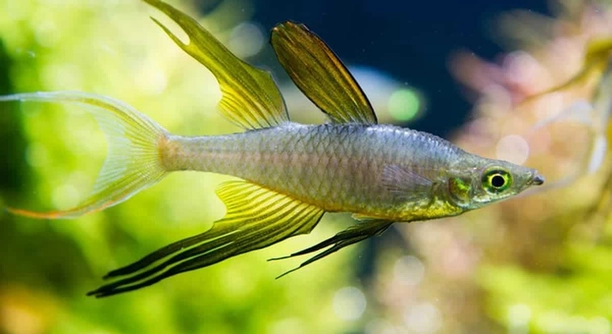
Have you ever found yourself needing to place your threadfins in a smaller container, even just for a short period of time? Sometimes space, transportation, or temporary setups may lead you to wonder how they will handle such changes.
Threadfins can be temporarily housed in small containers, but only under strict conditions. Adequate water quality, aeration, and limited time are crucial to avoid stress and harm. Long-term confinement in small spaces is unsuitable for their well-being.
Knowing the limits of temporary housing helps prevent unnecessary risks and ensures that your threadfins remain safe, comfortable, and healthy.
Understanding the Needs of Threadfins
Threadfins are sensitive fish that require stable conditions to thrive, even when kept in temporary setups. When placed in smaller containers, they are more vulnerable to poor water quality and oxygen depletion. These factors can quickly lead to stress, illness, or even death if not carefully monitored. It is important to remember that small spaces do not provide the natural swimming room these active fish need. The key to keeping them safe lies in strict attention to water changes, proper aeration, and minimizing the time spent in these conditions. Owners should always prepare a larger tank as the primary housing, using smaller containers only as a short-term solution. Proper preparation ensures that the temporary move does not harm the fish.
Threadfins have delicate fins that can easily tear or become damaged in cramped spaces, making them even more dependent on careful handling during temporary housing.
Providing the right environment, even in a limited container, makes a significant difference. While a large aquarium is always best, short-term adjustments can work if the fish are monitored and supported. This requires planning, attention, and awareness of how quickly conditions can change in smaller volumes of water.
Setting Up a Temporary Container
When using a small container for threadfins, the most important factor is water quality. Without adequate filtration and aeration, harmful waste can accumulate quickly. Frequent water changes are necessary to keep ammonia levels low and oxygen levels stable.
A small container should be clean, free of sharp edges, and large enough for the fish to move comfortably, even if only slightly. Adding an air stone ensures consistent oxygen supply, while using treated water prevents harmful chemical exposure. The container should never be placed in direct sunlight or near heat sources, as small volumes of water are prone to sudden temperature swings. Threadfins are highly sensitive to these fluctuations, so a stable environment is key. It is also important to limit the time spent in these conditions. A few hours to a day may be manageable with close monitoring, but extended housing increases stress levels and health risks. Temporary containers are not substitutes for proper tanks.
Monitoring Stress in Threadfins
Threadfins display stress quickly when confined to small containers. Clamped fins, rapid breathing, or reduced movement are signs that conditions are becoming harmful. Paying attention to these changes helps prevent long-term damage and keeps the fish safe.
Stress in threadfins often develops because small containers restrict their ability to swim naturally. Limited space also causes waste buildup, which affects water quality. When these factors combine, fish show visible signs of discomfort. Regular checks are necessary, and owners should be ready to return the fish to a proper tank if stress increases. Early intervention reduces risks.
Close observation is the most effective way to protect threadfins in temporary housing. Watch for abnormal behavior such as erratic swimming or constant hiding. If these signs appear, improve aeration, change water, or relocate them promptly. Small changes can make conditions safer and reduce unnecessary stress for the fish.
Time Limits for Small Containers
Threadfins should only remain in small containers for short periods, ideally a few hours. Keeping them confined longer increases the risk of health problems and stress. The goal should always be to transfer them back to a proper aquarium as soon as possible.
Temporary housing works best when treated as a brief solution. Threadfins are active swimmers and cannot adapt to cramped conditions for extended periods. Leaving them too long in a small container leads to weakened immunity, fin damage, and reduced appetite. Planning ahead ensures they spend minimal time outside their main aquarium. Always prepare the larger setup first before using a smaller one.
Water Quality Concerns
Small containers make it harder to maintain stable water conditions. Ammonia can rise quickly, and oxygen levels drop fast. Frequent water changes and consistent monitoring are essential to prevent harm and keep threadfins stable during short stays.
Temperature swings are another risk with small volumes of water. Even slight changes in the room can cause stress to threadfins. Using treated water at a consistent temperature helps reduce problems and ensures the environment remains safe while they are temporarily housed.
Proper Handling Practices
Handling threadfins with care is important when moving them to smaller containers. Their delicate fins are prone to tearing, so always use soft, fine nets or small cups when transferring. Rough handling causes unnecessary injury and adds extra stress.
Signs It’s Time to Transfer Back
If threadfins show reduced activity, labored breathing, or clamped fins, they should be returned to their main aquarium immediately. Keeping them longer only increases the risk of permanent harm. Monitoring closely ensures their safety.
FAQ
Can threadfins survive in small containers for more than a day?
Threadfins should not be kept in small containers longer than a day. While they may survive slightly longer under constant monitoring, extended confinement increases stress, lowers immunity, and exposes them to poor water quality. Returning them to their aquarium quickly is best.
What size container is safe for short-term use?
A container should be large enough for the fish to swim a little and turn around without difficulty. Anything too cramped puts pressure on their fins and limits movement. A few liters of clean, aerated water is the minimum for short-term safety.
Do threadfins need an air stone in temporary containers?
Yes, using an air stone is strongly recommended. Small containers hold less oxygen, which depletes quickly. An air stone helps maintain circulation and oxygen levels, reducing stress and lowering the risk of suffocation when threadfins are housed temporarily.
Is it safe to transport threadfins in small containers?
Transportation in small containers can be safe if done carefully. Water should be clean, treated, and properly oxygenated. The container should also be covered to prevent spills. Limit travel time, and always transfer them back to a stable tank quickly.
How often should the water be changed in a small container?
Water changes should be frequent, sometimes every few hours, depending on the number of fish and the container size. Ammonia builds up rapidly in small spaces. Replacing with conditioned water prevents toxic buildup and ensures the environment remains stable.
Do threadfins eat while kept in small containers?
Feeding is not recommended in temporary housing. Leftover food decays quickly, worsening water quality. Since the stay should be short, threadfins can safely go without food for a few hours. Focus on clean, oxygenated water instead of feeding.
What signs show that threadfins are stressed in small containers?
Clamped fins, rapid breathing, darting movements, or lack of activity all signal stress. If these signs appear, immediate adjustments should be made, such as water changes, improved aeration, or moving them back to their main aquarium to reduce harm.
Can threadfins be kept overnight in a small container?
Keeping them overnight is risky and should only happen if no alternative is available. Constant monitoring, aeration, and water changes are required. Even then, prolonged confinement increases the likelihood of health issues. A larger tank should always be prioritized.
What is the biggest risk of using small containers?
The biggest risks are poor water quality, oxygen depletion, and temperature swings. These problems occur faster in small spaces compared to aquariums. Without frequent care, conditions can become harmful within hours, making small containers unsuitable for long-term housing.
How can I reduce stress when moving threadfins?
Move them gently using soft nets or small cups. Avoid chasing them, as it damages their fins and increases stress. Keep handling brief and smooth. Preparing the container in advance also helps reduce the time they spend outside water.
Are threadfins more sensitive than other fish in small containers?
Yes, threadfins are delicate compared to many species. Their fins are easily damaged, and they are sensitive to sudden water changes. This makes temporary housing riskier for them. Careful monitoring and proper handling are more important than with hardier fish.
Can multiple threadfins share the same small container?
It is not recommended. Multiple fish increase waste buildup and reduce available oxygen. They may also bump into one another, damaging fins. If absolutely necessary, use a larger temporary container with strong aeration to lower the risks.
What should the water temperature be in a temporary setup?
The temperature should match their main aquarium, usually between 74–80°F. Small containers fluctuate quickly, so avoid placing them near windows, heaters, or direct sunlight. Consistency is more important than exact numbers when threadfins are housed temporarily.
Should I add plants or decorations in the small container?
Adding plants or decorations is unnecessary in short-term housing. Extra items take up space and can injure delicate fins. A bare container with clean, aerated water is safest. Focus on stability rather than creating a decorated environment for brief stays.
How quickly do water conditions decline in a small container?
Water quality can decline within hours, especially without aeration. Waste builds up, oxygen depletes, and toxins rise faster in small volumes. That is why constant monitoring, frequent water changes, and minimizing time in the container are essential for threadfin safety.
Final Thoughts
Threadfins are delicate fish that require special care, especially when they are placed in smaller containers. While temporary housing may be necessary at times, it should always be approached with caution and preparation. Small containers do not provide the same stability as aquariums, making threadfins more vulnerable to stress, injury, and health problems. Clean water, aeration, and consistent monitoring are key to keeping them safe, but even with these precautions, small spaces are never a replacement for proper housing. Their sensitive fins and active swimming behavior make them less adaptable to cramped conditions compared to other species. For this reason, the use of small containers should always remain a short-term solution rather than a standard practice.
The most important factor in protecting threadfins is awareness. Many owners underestimate how quickly water quality can decline in small setups, leading to ammonia buildup and oxygen depletion within just a few hours. Even slight temperature changes can create added stress in such environments. By keeping a close eye on these factors, owners can minimize risks and respond quickly if the fish show signs of discomfort. Threadfins often communicate stress through clamped fins, rapid breathing, or unusual swimming patterns. Observing these signals allows for timely intervention, whether that means changing water, improving aeration, or moving them back to their main tank. Taking time to notice these details ensures their well-being and helps avoid long-term harm.
Ultimately, keeping threadfins in small containers is about balancing necessity with responsibility. If used for transport or temporary holding, such setups can serve their purpose when managed properly. However, they should never replace a well-maintained aquarium designed for their needs. Planning ahead makes a big difference, whether that means preparing clean, conditioned water, setting up an air stone, or limiting the amount of time they spend in the container. Every choice in their care affects their health, and small mistakes can have lasting consequences for such sensitive fish. By understanding their needs and respecting their limits, owners can ensure that threadfins remain healthy, comfortable, and safe. In the end, a proper aquarium will always be the best environment, but with careful attention, short-term housing can be managed without unnecessary risk.

Hello,
If you enjoy the content that we create, please consider saying a "Thank You!" by leaving a tip.
Every little bit helps us continue crafting quality advice that supports the health, happiness, and well-being of pets around the world, for pets of all shapes, sizes, and species.
We really appreciate the kindness and support that you show us!