
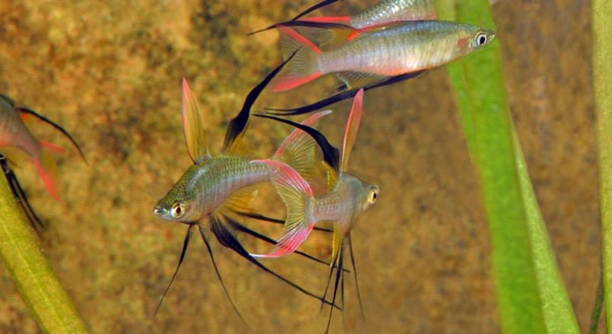
Do you ever find yourself observing your threadfins and wondering how their environment shapes their behavior in your aquarium? Threadfins are active, graceful fish, and their reactions often change depending on tank conditions.
Threadfins exhibit distinct behavioral differences in bare tanks versus heavily decorated tanks. In minimalistic environments, they swim openly with high activity levels and clear visibility, whereas densely decorated tanks encourage hiding, reduced movement, and more cautious interactions due to perceived cover and security.
Understanding these behavioral patterns can improve your tank setup and ensure your threadfins thrive in a comfortable, balanced environment. Proper observation will help you create an ideal aquatic habitat.
Behavior in Bare Tanks
In bare tanks, threadfins often display high levels of activity. They swim openly across the entire tank, exploring every corner without hesitation. The lack of hiding spaces means their movements are easily observed, and they often form visible shoals. This environment can encourage dominance behaviors because there are no physical barriers to separate fish, making interactions more direct. Feeding patterns also become easier to monitor as the fish are consistently visible. Some threadfins may appear stressed at first due to the openness, but many adjust quickly if the water quality is stable and the tank size is sufficient. The simplicity of a bare tank allows owners to notice subtle behaviors, such as fin flicking or changes in swimming speed. However, constant exposure can sometimes make the fish more vulnerable to sudden disturbances, as there is no place to retreat when stressed. Regular observation is essential to ensure their comfort and health.
Bare tanks provide clarity in observing activity but may reduce natural hiding behaviors and cautious interactions among threadfins.
While minimalistic tanks allow easier monitoring and interaction, it is important to consider that threadfins may require occasional shelter for stress reduction. Open spaces encourage swimming but do not fully replicate their natural environment. Careful management of water quality and tank conditions ensures that these active fish remain healthy and adapt well to simplified surroundings. Owners can focus on feeding schedules, behavior observation, and social dynamics, making bare tanks useful for study and monitoring. Despite their openness, occasional use of simple decorations like flat stones or small platforms can provide optional retreat areas without compromising the bare tank’s advantages. Balancing visibility and comfort helps maintain both the health of the fish and the ease of aquarium care, offering a controlled yet stimulating environment.
Behavior in Heavily Decorated Tanks
Heavily decorated tanks encourage threadfins to explore cautiously and make use of cover. They frequently hide behind plants, rocks, and ornaments.
Dense decorations create a sense of security, reducing aggressive interactions and promoting natural hiding behaviors. Threadfins may swim slower and more deliberately, often peeking out from behind objects before venturing further. The abundance of cover can reduce stress, especially in newly introduced or more timid individuals, by providing safe zones. Feeding behavior may change, as fish often search for food among decorations rather than swimming openly. Shoaling patterns can become less uniform, with subgroups forming in different areas. Monitoring individual health can be more challenging due to obstructed views, requiring careful observation during feeding and cleaning. While activity levels might appear reduced, heavily decorated tanks support mental stimulation through exploration and offer a closer approximation of their natural habitat, encouraging behaviors like foraging, resting in shaded areas, and interacting with environmental features in ways that a bare tank cannot replicate.
Social Interactions
Threadfins in bare tanks interact openly, often forming visible shoals. Aggression can be higher without barriers, and dominance behaviors are easy to spot.
In heavily decorated tanks, social interactions become more subtle. Fish often split into smaller groups, using decorations as temporary boundaries. Submissive individuals take advantage of hiding spots, reducing direct confrontations. Shoaling patterns are less uniform, and territorial behaviors appear around favored shelters. Observing these interactions requires careful attention, as fish can remain partially hidden for extended periods. Decorated tanks support a balance of activity and caution, allowing threadfins to engage socially while feeling secure within their environment.
Decorations influence social dynamics, encouraging more cautious, strategic interactions. Fish use cover to avoid stress, creating a more varied and natural hierarchy. Individual personalities emerge more clearly as dominant and shy fish adapt to available spaces. This variation promotes a healthier social structure, supporting both physical and mental well-being. Owners benefit by noticing these differences and adjusting tank arrangements or adding objects to balance visibility, activity, and comfort for all threadfins.
Feeding Behavior
Threadfins in bare tanks feed openly, quickly locating food without obstruction.
In decorated tanks, feeding behavior changes as fish explore hiding spots for food. Some fish wait near cover, darting out to capture morsels, while others forage cautiously among plants and rocks. This environment encourages natural foraging instincts, requiring fish to search actively and sometimes compete for resources in partially concealed areas. The slower pace can reduce feeding stress and mimic wild conditions more closely. Observation becomes essential to ensure all fish receive adequate nutrition, as some may struggle to access food in dense areas. Decorated tanks promote engagement and mental stimulation during feeding.
Feeding in heavily decorated tanks can also reveal individual traits. Dominant fish may monopolize open areas while timid ones rely on hidden zones to feed. This dynamic encourages adaptability and patience among threadfins. Managing feeding involves spreading food across multiple zones, ensuring equitable access. The added complexity supports natural behaviors, reduces stress, and keeps fish active. Proper placement of food enhances environmental enrichment, helping threadfins develop healthy routines while maintaining balance within the tank ecosystem.
Stress Levels
Threadfins in bare tanks may appear more exposed and alert, reacting quickly to sudden movements or disturbances. Their stress can be higher without cover.
In heavily decorated tanks, stress levels are generally lower. Hiding spots and shaded areas allow fish to retreat and feel secure, promoting calmer behavior and more consistent activity.
Activity Patterns
In bare tanks, threadfins swim continuously across open spaces, showing high energy levels. They cover the entire tank, often moving in coordinated shoals. This constant motion helps maintain fitness but can increase vulnerability to sudden disturbances. Observation of these patterns is straightforward, as movements are fully visible.
Environmental Enrichment
Decorations encourage exploration and interaction with the surroundings, keeping threadfins mentally engaged and promoting natural behaviors.
FAQ
How do threadfins adjust to bare tanks?
Threadfins adapt to bare tanks by using open spaces to swim actively and explore. They often form visible shoals and display high energy levels. Without hiding spots, they may initially appear cautious or stressed, but most adjust over time if water conditions remain stable. Regular observation helps ensure they remain comfortable and healthy.
Do heavily decorated tanks reduce stress for threadfins?
Yes, heavily decorated tanks provide hiding spots and shaded areas that allow threadfins to retreat and feel secure. These environments reduce direct exposure to disturbances, lower stress responses, and encourage calmer, more deliberate movements. Timid individuals particularly benefit from having multiple shelters to avoid aggressive encounters.
Will feeding behavior change in different tank setups?
Feeding behavior differs between bare and decorated tanks. In bare tanks, threadfins feed openly and actively, capturing food quickly. In decorated tanks, fish forage among plants, rocks, and ornaments, which encourages natural hunting instincts. Some fish may feed cautiously from behind cover, so distributing food in multiple areas ensures all fish access nutrition.
Are threadfins more social in bare tanks?
Bare tanks encourage more visible social interaction. Fish often swim together in groups, and dominance behaviors are easier to observe. Without barriers, direct interactions are frequent, and subgroups rarely form. While this allows easy monitoring of social hierarchy, some fish may feel exposed and more reactive to sudden movements.
Do decorations affect activity levels?
Decorations can reduce constant open-water swimming while promoting exploratory behavior. Fish move deliberately, interacting with structures and using them for short rest periods. Activity levels appear lower compared to bare tanks, but mental stimulation increases. Natural behaviors like hiding, investigating, and foraging are encouraged, creating a more balanced and enriched environment.
Is water quality more important in bare tanks?
Water quality is critical in bare tanks because fish are constantly exposed without cover. Issues like high ammonia or nitrite spikes can stress fish immediately. Bare tanks make it easier to notice water problems quickly, allowing faster intervention. Regular testing and maintenance ensure threadfins remain healthy and active.
How does tank density influence threadfin behavior?
Tank density affects movement, aggression, and hiding. In crowded tanks, decorated or bare, dominant fish may control key areas, while submissive fish rely on shelters to avoid conflict. Providing sufficient space and strategically placing decorations helps maintain balance and reduces stress among all individuals.
Can bare tanks be enriched for threadfins?
Yes, even bare tanks can include enrichment. Floating platforms, small stones, or temporary objects can break monotony without fully covering open space. These additions encourage exploration, short resting spots, and mild foraging activity, supporting physical exercise and mental stimulation while preserving visibility.
Do threadfins prefer one environment over another?
Preference depends on personality. Some threadfins thrive in open, bare tanks due to higher visibility and constant movement, while others prefer heavily decorated tanks that offer safety and mental stimulation. Observing your fish’s behavior can help determine which setup aligns with their comfort and natural tendencies.
How should I monitor threadfins in decorated tanks?
Monitoring requires careful observation. Watch feeding habits, interaction patterns, and hiding behavior. Regular checks during feeding ensure all fish receive food, and occasional rearrangement of decorations can prevent territorial dominance and encourage exploration. Patience is key, as fish may be partially hidden for long periods.
What are signs of stress in different tank setups?
In bare tanks, stress may appear as frantic swimming, hiding near tank edges, or sudden darting. In decorated tanks, prolonged hiding, reluctance to feed, or reduced interaction can indicate stress. Maintaining proper water parameters, sufficient space, and appropriate shelter helps mitigate these behaviors and promote well-being.
How can I balance visibility and comfort?
Combining open areas with strategic decorations achieves balance. Bare zones allow observation and swimming, while structures provide retreat options. This setup supports social interaction, reduces stress, and encourages natural behavior, offering both the benefits of activity and the security of cover.
Are heavily decorated tanks harder to maintain?
Decorated tanks require extra effort. Debris, uneaten food, and waste can accumulate in crevices. Regular cleaning, water changes, and careful monitoring are necessary to maintain water quality. Despite this, the benefits of stress reduction, environmental enrichment, and natural behavior often outweigh the additional maintenance.
Can threadfins in bare tanks coexist with other species?
Yes, but careful planning is required. Open spaces allow visibility and reduce hiding, which may increase tension with more aggressive species. Compatibility depends on tank size, species temperament, and activity levels. Observing interactions and providing minimal cover for shy fish can improve coexistence.
What is the best approach for beginners?
Beginners often benefit from starting with a bare or minimally decorated tank. It allows easier observation, monitoring of feeding, and maintenance of water quality. Gradually adding simple decorations provides enrichment and security as fish become more comfortable and familiar with their environment.
How does lighting affect threadfin behavior?
Lighting influences activity and stress. Bright, consistent lighting can make fish more visible and active, but overly harsh light may increase stress in both bare and decorated tanks. Dimming lights slightly or using natural light cycles can help fish feel secure and maintain normal behavioral patterns.
Do threadfins require periodic rearrangement of decorations?
Yes, rearranging decorations occasionally encourages exploration and prevents territorial behavior from becoming rigid. It also reduces boredom and stimulates natural behaviors like investigation and foraging, keeping the fish engaged in their environment without causing stress.
Can I measure comfort in threadfins?
Comfort can be inferred from behavior. Relaxed swimming, regular feeding, balanced shoaling, and minimal hiding indicate low stress. Frequent darting, excessive hiding, or reduced activity may signal discomfort. Adjusting tank setup according to these observations helps maintain healthy and happy threadfins.
Are there specific plants or ornaments recommended?
Dense plants, small rocks, and low-profile ornaments provide hiding spots without overcrowding. Smooth surfaces prevent injury, and open swimming areas should remain accessible. Balancing structure and openness supports both activity and security for threadfins, promoting natural and comfortable behavior throughout the tank.
How long does it take for threadfins to adapt?
Adaptation varies with personality and tank setup. Some fish adjust within days, while others may take weeks to become comfortable. Gradual introduction to new decorations or bare environments helps minimize stress and encourages natural behavior, making transitions smoother and promoting long-term well-being.
Is observation more important in one setup than the other?
Observation is crucial in both setups but differs in focus. Bare tanks allow easy visibility, making activity and social behaviors clear. Decorated tanks require careful monitoring for feeding, hiding, and stress, as fish may remain partially concealed for extended periods. Consistent attention ensures health and comfort.
Do seasonal changes affect behavior in decorated vs. bare tanks?
Seasonal light and temperature changes can impact activity and feeding. In bare tanks, movement patterns may increase during warmer periods. In decorated tanks, fish may utilize more hiding spots when water temperature fluctuates. Monitoring and minor adjustments help maintain stability throughout seasonal variations.
Can I mix bare and decorated zones?
Yes, combining open swimming areas with partial decorations provides the best of both worlds. Threadfins can exercise and socialize in open spaces while using structures for retreat and exploration. This hybrid setup encourages natural behaviors, reduces stress, and keeps the tank visually engaging.
How does tank size interact with decoration?
Larger tanks allow both open areas and sufficient decorations without overcrowding. In small tanks, excessive decor can limit swimming space and increase stress. Proper balance ensures fish remain active, comfortable, and able to express natural behaviors regardless of tank size.
Are there behavioral signs indicating too many decorations?
Fish hiding constantly, limited swimming, or reduced feeding can indicate overcrowding. If dominant individuals monopolize shelters, submissive fish may be forced into stressful situations. Observing patterns and adjusting decorations ensures sufficient space for exploration, feeding, and social interaction.
What is the overall best practice for maintaining healthy behavior?
Maintain water quality, balance open and decorated areas, monitor feeding, and observe social interactions. Gradual adjustments and attention to stress signals help threadfins thrive in either environment. Providing both comfort and stimulation encourages natural behaviors while supporting long-term health and activity levels.
Final Thoughts
Creating the right environment for threadfins requires careful consideration of their natural tendencies and comfort. Bare tanks allow full visibility and open swimming, making it easier to observe activity, social interactions, and feeding behavior. Fish in these environments tend to form visible shoals and display higher energy levels, moving freely across the tank. The simplicity of a bare tank allows owners to quickly notice changes in behavior, such as sudden stress, illness, or aggression, which is particularly useful for monitoring health. However, the lack of hiding spots can initially increase stress in more timid fish. While some threadfins adapt quickly to these open spaces, others may require more time to feel secure. Monitoring water quality and providing adequate space is essential in bare tanks to prevent stress and promote overall well-being.
Heavily decorated tanks offer a different set of benefits, especially for fish that seek security and mental stimulation. Dense plants, rocks, and ornaments provide hiding spots, shaded areas, and exploration opportunities, reducing stress and promoting calmer, more deliberate behaviors. Fish in decorated tanks often split into smaller groups, using cover to interact with each other while avoiding confrontations. Feeding behavior also changes, as threadfins forage among decorations rather than feeding openly in the center of the tank. This environment encourages natural behaviors, including cautious exploration and use of shelters, which can support mental enrichment and a sense of safety. While activity may appear lower than in bare tanks, the presence of decorations encourages engagement in a way that is closer to their natural behavior. Observation requires more patience because some fish may remain hidden for long periods, but this setup can improve long-term health and reduce chronic stress.
Balancing visibility and comfort is key when deciding on a tank setup. Both bare and decorated tanks have advantages, and the choice depends on the personality and behavior of the fish. Some threadfins thrive in open spaces, displaying energetic swimming and social interaction, while others prefer the security and stimulation provided by decorations. Combining open zones with selective decorations is often the best approach, offering both activity and shelter. Regular observation, careful feeding practices, and attention to social dynamics are important for maintaining a healthy environment. Understanding how threadfins respond to different tank conditions allows for more informed care and ensures that they remain active, comfortable, and healthy. By paying attention to these factors, owners can create an aquarium environment that supports the natural behaviors and long-term well-being of their threadfins.

Hello,
If you enjoy the content that we create, please consider saying a "Thank You!" by leaving a tip.
Every little bit helps us continue crafting quality advice that supports the health, happiness, and well-being of pets around the world, for pets of all shapes, sizes, and species.
We really appreciate the kindness and support that you show us!