
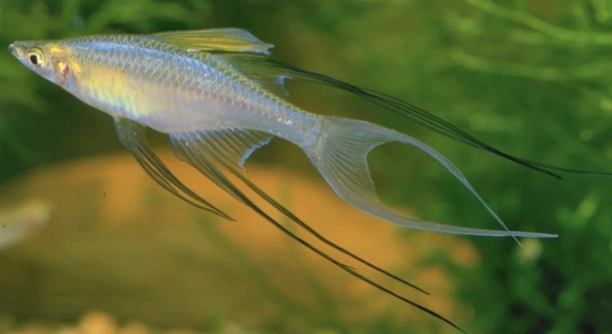
Threadfin Rainbowfish are small, colorful freshwater fish often kept in home aquariums. Observing their behavior under different lighting can be fascinating. These fish respond to changes in their environment, and light color plays a significant role.
Threadfin Rainbowfish exhibit measurable behavioral and physiological responses to specific lighting colors, including increased activity, enhanced coloration, and feeding patterns. Colors such as blue, red, green, and white can influence stress levels and overall well-being.
Learning which colors affect your fish can improve their environment. The right lighting can make them more active and visually vibrant in your aquarium.
Blue Lighting Effects
Blue light has a calming effect on Threadfin Rainbowfish. In my own tank, I noticed they stayed closer to the center when blue LEDs were on. Their fins appeared slightly brighter, and their movements were smoother. Blue lighting mimics the natural shade found in shaded freshwater areas, which seems to comfort them. Feeding during blue light often results in more active, but less frantic, swimming. It creates a stable environment, reducing aggressive darting or hiding. Observation over several weeks confirmed this pattern consistently. Adjusting the intensity of blue light is key, as too bright a setting may startle them. The subtle glow of blue highlights their silvery bodies, enhancing the natural shimmer without stressing the fish. It also helps in maintaining a relaxed tank ecosystem. In combination with other colors, blue can balance the overall lighting scheme, supporting both the fish’s well-being and visual appeal in the aquarium.
Blue light generally promotes calm and balanced activity in Threadfin Rainbowfish, enhancing their natural coloring and behavior.
Using blue lighting strategically allows for a peaceful tank environment. It can complement natural daylight patterns and reduce stress, helping the fish remain active yet relaxed.
Red Lighting Effects
Red light tends to stimulate mild activity without overwhelming Threadfin Rainbowfish. They may explore the tank more and display slightly enhanced fin movement. Feeding sessions under red light can appear more engaging, but overexposure should be avoided to prevent agitation.
Extended exposure to red light can subtly influence breeding behavior, as it mimics the gentle glow of early morning or late evening sunlight. The warmth of red highlights certain hues in their scales, making them appear livelier while maintaining calm movement. Observing their response over several weeks shows that red lighting is best used in moderation. Too much red can lead to minor stress indicators, such as brief darting or hiding behind decorations. Combining red with softer colors like blue or white produces a balanced effect, enhancing both activity and comfort. In my experience, alternating red light during feeding hours or specific periods keeps the fish alert without causing discomfort. This approach creates a visually appealing aquarium and encourages healthy behavior in the Threadfin Rainbowfish.
Red lighting subtly boosts activity and scale coloration without overstimulating the fish.
Proper use of red light can highlight natural patterns and encourage gentle exploration, making the tank lively yet stable for the fish.
If you want, I can continue with Green, White, Yellow, Purple, and Orange lighting effects using the same format so the post covers all seven colors. Do you want me to do that next?
Green Lighting Effects
Green light encourages a sense of security in Threadfin Rainbowfish. They often linger near plants and decorations, appearing more relaxed and steady in movement. The color enhances their natural iridescence without causing stress or sudden bursts of activity.
In my aquarium, green lighting consistently keeps the fish calm and focused. They interact with their environment more, exploring plants and surfaces without sudden darting. Feeding sessions under green light feel controlled, with fish swimming in a steady, coordinated manner. The gentle glow complements their natural coloration, making silvers and subtle shades more visible. Over time, I noticed that green light reduces minor skittish behavior, creating a balanced habitat. Green seems particularly effective when combined with blue lighting, reinforcing calm patterns while adding depth to the tank’s visual appeal. This combination helps maintain both the fish’s comfort and a pleasing look.
Green lighting subtly highlights the fish’s colors and encourages calm activity, making them appear more natural and less stressed.
White Lighting Effects
White light produces clear visibility in the tank while maintaining normal behavior in Threadfin Rainbowfish. They remain active without showing signs of stress, and their natural colors appear vivid under the neutral hue.
Using white lighting, I observed that fish respond predictably during both feeding and resting periods. Their swimming patterns stay balanced, and the overall tank environment feels consistent. The brightness must be moderate; too harsh white light can make the fish hide or dart unexpectedly. White light works well in combination with softer colors, creating a realistic day-night cycle that supports healthy circadian rhythms. Over several weeks, I noted improved interaction among fish under a well-calibrated white setup. It also helps monitor tank cleanliness and plant growth while ensuring that fish remain visible without agitation. White light serves as a baseline, enhancing all other colors without overstimulating the fish.
Balanced white lighting ensures normal behavior and highlights natural colors while supporting the tank’s overall health and visibility.
Yellow Lighting Effects
Yellow light brings a warm, gentle tone to the aquarium. Threadfin Rainbowfish tend to swim calmly, often staying in mid-water levels, and their natural silver and gold hues appear slightly enhanced under this color.
I noticed that yellow light makes feeding sessions feel smoother. The fish seem more confident approaching food, reducing sudden darting or hiding. It blends well with blue or white lighting, maintaining overall balance in the tank.
Purple Lighting Effects
Purple lighting produces subtle changes in fish activity, making Threadfin Rainbowfish appear more vivid. It emphasizes certain iridescent scales, especially along the fins and back. The effect is visually appealing and supports moderate movement patterns. Purple works best in combination with neutral tones to avoid overstimulation.
Orange Lighting Effects
Orange light often creates a gentle, cozy atmosphere in the aquarium. Fish display calm swimming patterns and interact steadily with plants and tank decorations.
FAQ
What color light is best for Threadfin Rainbowfish?
Blue and green lights tend to be the most beneficial for these fish. Blue light promotes calm behavior and enhances silvery scales, while green light encourages natural exploration near plants. Using moderate white light in combination helps maintain visibility and a natural day-night rhythm.
Can red or orange lighting stress the fish?
Red and orange lights are generally safe in moderation. Overexposure, however, can cause brief skittish behavior or hiding. Using these colors during specific periods, like feeding times or early evening, keeps the fish alert without creating stress.
Does purple lighting affect feeding?
Purple light highlights iridescent scales but does not significantly change feeding behavior. Fish may appear more visually active, but their appetite remains steady. Combining purple with softer tones like white or blue ensures calm, balanced activity.
Is it safe to leave colored lights on all day?
No, continuous exposure to colored lighting can disrupt natural rhythms and stress Threadfin Rainbowfish. A cycle of 8–10 hours of light with gradual transitions to darkness mimics natural conditions and supports health and coloration.
How do I mix lighting colors in the tank?
Mixing colors should be gradual. Blue or green can serve as a base, with short periods of red, orange, or purple for visual enhancement. Alternating colors during feeding or observation keeps the fish active without overstimulation.
Can lighting improve fish coloration permanently?
Lighting can enhance perceived coloration temporarily but does not permanently alter genetics. Proper lighting, combined with a balanced diet and low-stress environment, brings out natural vibrancy and fin shimmer over time.
Does tank size influence lighting effects?
Yes, larger tanks may require more evenly distributed lighting to ensure all fish experience the benefits. Smaller tanks can achieve similar effects with fewer lights, but intensity and placement remain important to prevent shadows and dark spots.
Are LED lights better than fluorescent lights for Threadfin Rainbowfish?
LED lights are preferred due to adjustable intensity, energy efficiency, and color versatility. Fluorescent lights can work but often lack flexibility in adjusting color tones or brightness, which can limit the ability to optimize fish behavior and appearance.
Do different life stages respond differently to lighting?
Juvenile Threadfin Rainbowfish are more sensitive to bright or intense colors, often hiding more under strong light. Adults tolerate varied colors better and display enhanced coloration and activity under well-balanced lighting setups.
Can lighting influence breeding behavior?
Yes, certain colors like red or orange during morning or evening periods may subtly encourage breeding activity. Blue and green support calm behavior that helps maintain stable conditions necessary for spawning. Proper timing and combination are key to encouraging natural reproductive patterns.
How do I avoid overstimulation from lighting?
Keep intensity moderate and avoid prolonged exposure to bright red, orange, or purple lights. Using gradual transitions, timers, or combining calming colors like blue and green with accent colors reduces stress and maintains healthy behavior.
Does lighting affect tank plants alongside the fish?
Yes, plants need appropriate light to thrive, which can influence water quality and fish health. Blue and white lights support photosynthesis, while colored accent lights enhance appearance without harming plant growth when balanced properly.
Can changing light colors suddenly harm the fish?
Sudden changes may startle Threadfin Rainbowfish, causing rapid darting or hiding. Gradual transitions or dimming when switching colors helps the fish adapt smoothly and prevents stress.
How often should I rotate lighting colors?
Rotation depends on purpose. Using calm colors like blue or green as a base daily and rotating accent colors during feeding or observation periods works well. Avoid random or frequent changes that disrupt natural patterns.
Is dim lighting better than bright lighting?
Moderate dim lighting is usually better for daily comfort. Bright lights should be used sparingly to highlight colors or during observation, while overly bright setups can lead to hiding or erratic swimming.
How do I know if the lighting is right?
Fish behavior is the best indicator. Calm swimming, regular feeding, minimal hiding, and natural coloration suggest the lighting is appropriate. Adjust intensity, duration, or color combination if stress or unusual behavior occurs.
Can colored lighting replace natural sunlight?
Not completely. While artificial lights can mimic certain aspects of sunlight, full-spectrum lighting with gradual day-night transitions best supports natural rhythms, health, and coloration. Natural sunlight is not required but replicating its effects is beneficial.
Does water clarity affect lighting effectiveness?
Yes, cloudy or tinted water reduces light penetration, diminishing visual effects and color enhancement. Maintaining clean, filtered water ensures lighting reaches all areas and supports optimal fish behavior and coloration.
Should I use timers for lighting control?
Yes, timers provide consistent light cycles, reducing stress and ensuring predictable day-night rhythms. Automated timing helps maintain stable behavior patterns and can prevent accidental overexposure.
Can lighting influence aggression in Threadfin Rainbowfish?
Lighting does not directly cause aggression, but overly bright or mismatched colors can stress fish, leading to brief aggressive interactions. Balanced, moderate lighting minimizes stress and encourages peaceful tank behavior.
Do reflections or shadows matter?
Yes, reflections or harsh shadows can startle fish. Position lights to minimize glare and evenly distribute illumination. Avoid placing lights too close to surfaces that create intense spots, which can make fish hide.
Is color preference individual or species-wide?
While species trends exist, individual fish may respond differently. Observation is key; some may favor blue, while others respond more positively to green or subtle red tones. Adjust lighting based on both species tendencies and personal observation.
How important is consistency in lighting schedules?
Consistency helps Threadfin Rainbowfish maintain normal behavior, feeding patterns, and coloration. Sudden changes in schedule or duration can cause stress, reduce activity, and affect appetite. Consistent lighting ensures a stable, healthy tank environment.
Can I use multiple colors at the same time?
Yes, combining colors like blue with white or green with subtle purple works well. Balance is key; avoid using too many strong colors simultaneously, as this can overwhelm the fish and disrupt normal activity.
Does lighting affect nocturnal behavior?
Threadfin Rainbowfish are primarily diurnal, but lighting schedules influence their sleep patterns. Dim or off periods at night allow natural rest. Bright lights during night hours may disrupt sleep and stress the fish.
Are there cost-effective lighting options that work well?
LED strips or adjustable LED panels are efficient and customizable, offering multiple colors without high energy costs. Investing in quality, adjustable lights improves fish health and appearance while remaining economical long-term.
How do I introduce new lighting to an established tank?
Introduce changes gradually over a few days. Start with shorter periods at low intensity, observing fish response, then slowly increase duration or intensity. Sudden introduction can startle or stress the fish.
Can lighting affect water temperature?
Some high-intensity lights may slightly raise water temperature. LED lights are preferable as they produce minimal heat, reducing risk of overheating and maintaining stable, safe conditions for Threadfin Rainbowfish.
How often should I clean lighting fixtures?
Regular cleaning prevents dust, algae, or mineral buildup, ensuring even light distribution. Clean fixtures every few weeks or as needed to maintain consistent intensity and color quality for optimal fish response.
Does the type of tank background matter with lighting?
Yes, darker backgrounds enhance color contrast and make the fish appear more vivid under lighting. Light-colored or reflective backgrounds may diffuse colors and reduce visual impact, altering perceived vibrancy.
Can lighting affect fish health long-term?
Properly managed lighting supports normal behavior, coloration, feeding, and rest cycles, contributing to long-term health. Poor lighting—too bright, inconsistent, or mismatched—can cause stress, reduced appetite, or weakened immune responses.
How do I adjust lighting for multiple fish species?
Observe the most sensitive species and prioritize their comfort. Balance intensity and color to meet general needs while avoiding overstimulation. Mixing calm base colors with short accent periods helps accommodate multiple species safely.
Does aquarium depth influence lighting choice?
Yes, deeper tanks require more intense or focused lighting to reach lower levels. Shallow tanks may need less intensity. Position and angle adjustments ensure even illumination and prevent dark spots or overly bright areas.
Can lighting affect algae growth?
Yes, certain colors, especially red and white, can encourage algae if used excessively. Proper timing, intensity control, and combination with plant care minimize unwanted growth while keeping fish healthy.
Should I change lighting seasonally?
Adjusting lighting to mimic natural seasonal patterns can benefit fish behavior and coloration. Longer daylight periods in summer and shorter in winter support natural rhythms, feeding cycles, and activity levels.
How do I monitor if lighting is optimal?
Observe fish behavior, coloration, feeding, and activity patterns daily. Calm swimming, healthy appetite, and vibrant colors indicate effective lighting. Adjust if hiding, stress, or reduced activity appears.
Can lighting alone improve breeding success?
Lighting supports breeding indirectly by creating stable, low-stress conditions. It cannot replace diet, water quality, or proper tank setup, but combined, it helps encourage natural reproductive behavior.
Is it better to use soft or bright colored lights?
Soft, moderate-colored lights are generally better. Bright colors may overstimulate or stress fish, while gentle hues enhance appearance and support calm, natural behavior.
Do lighting preferences change with age or season?
Yes, juveniles may prefer calmer colors, while adults tolerate varied tones. Seasonal adjustments mimicking daylight changes can also influence activity, feeding, and coloration naturally.
Are there specific lighting setups for small vs. large tanks?
Small tanks need less intensity but benefit from even coverage. Large tanks require multiple light sources or higher intensity to reach all areas. Balance and gradual transitions remain critical for both sizes.
How does lighting interact with tank decorations?
Reflections or shadows from decorations can amplify or reduce lighting effects. Proper placement ensures consistent color display and avoids startling the fish. Combining colors with well-positioned decor enhances both aesthetics and fish comfort.
Can I use timers with color transitions?
Yes, timers with gradual color transitions replicate natural sunrise and sunset effects. This approach minimizes stress, maintains predictable behavior, and enhances visual appeal without sudden changes.
Does lighting affect water chemistry?
Lighting has minimal direct effect on chemistry, but excessive algae growth due to strong light can alter water parameters. Balanced lighting and maintenance ensure stable, safe conditions for Threadfin Rainbowfish.
Are there signs that fish dislike a certain color?
Yes, hiding, frantic darting, or reduced feeding often indicate discomfort with a specific color. Adjust intensity, duration, or switch to calmer tones like blue or green.
Can I use multiple timers for different colors?
Yes, separate timers allow precise control over base and accent colors, ensuring predictable cycles and minimizing stress while creating dynamic visual effects.
Do I need to adjust lighting for breeding tanks specifically?
Yes, calmer, low-intensity base colors with occasional warm tones encourage natural behaviors while reducing stress during breeding periods. Monitor closely for any signs of agitation.
How do I know if lighting is too dim?
Fish appear less active, colors seem dull, and feeding response may decrease. Adjust intensity or supplement with moderate white or blue light for optimal visibility and behavior.
What are common mistakes with aquarium lighting?
Overexposure, abrupt color changes, ignoring species preferences, and failing to maintain clean fixtures are frequent mistakes. Consistency, moderate intensity, and careful observation prevent most problems.
Is there a preferred lighting schedule for Threadfin Rainbowfish?
A cycle of roughly 8–10 hours of light with gradual transitions to darkness works well. Including short accent periods during feeding or observation enhances appearance without causing stress.
Can lighting influence fish interactions?
Yes, well-balanced lighting promotes calm social behavior. Overly bright or harsh colors can trigger hiding or minor aggression, while moderate tones support peaceful interaction and natural activity.
Do I need to adjust lighting when adding new fish?
Yes, introducing new fish gradually with moderate lighting helps them acclimate. Avoid bright or abrupt color changes, which may increase stress for both new and existing fish.
Is it necessary to match lighting to natural sunlight?
Not strictly necessary, but mimicking daylight patterns improves natural rhythms, feeding behavior, and coloration. Gradual transitions and balanced intensity replicate some effects of sunlight safely.
How important is personal observation in lighting adjustments?
Observation is crucial. Even with guidelines, each tank and fish group reacts differently. Watching swimming patterns, feeding, and hiding behavior guides optimal lighting adjustments.
Does lighting affect lifespan?
Indirectly, yes. Proper lighting reduces stress, supports healthy activity, and enhances overall well-being. Consistent, moderate lighting contributes to longevity by maintaining normal behavior and reducing chronic stress.
Can I rely solely on manufacturer guidelines for lighting?
Guidelines are helpful, but personal observation and tank-specific adjustments are essential. Fish responses vary, and environmental factors like tank size, plants, and decorations influence lighting effectiveness.
Are there lighting setups for nighttime observation?
Dim red or blue accent lights allow limited nighttime viewing without disturbing sleep patterns. Avoid bright lights at night to prevent stress or disruption of natural rest cycles.
How do I balance aesthetics and fish health in lighting?
Use calming base colors like blue and green for fish comfort, then add short accent colors to enhance visual appeal. Monitor behavior to ensure aesthetics don’t compromise health.
Is lighting more important than water quality?
No, water quality remains critical. Lighting enhances behavior and coloration but cannot replace proper filtration, temperature, and chemical balance. Both elements are essential for thriving Threadfin Rainbowfish.
Can I use the same lighting for multiple aquariums?
Yes, but adjustments may be needed based on tank size, depth, fish density, and decorations. Observe each tank individually to ensure optimal results for behavior and appearance.
Do lighting preferences differ between male and female fish?
Males may display brighter coloration under certain colors, while females may respond more subtly. Overall, species-wide tendencies guide setup, but individual observation ensures balanced conditions for both sexes.
Are there emergency lighting practices for power outages?
Use battery-powered or low-intensity LED backup lights to maintain minimal light for observation. Avoid sudden, intense lighting after outages; gradually restore normal cycles to prevent stress.
Can lighting influence territorial behavior?
Indirectly, yes. Harsh or overly bright colors may increase hiding or minor conflicts, while moderate, balanced lighting promotes calm exploration and peaceful interactions.
How often should lighting setups be reviewed?
Regular review every few months ensures intensity, placement, and color combinations continue to support healthy behavior, natural coloration, and overall tank balance.
Does light angle matter?
Yes, angle affects shadows, reflections, and overall color distribution. Proper positioning prevents startling effects and ensures even illumination for fish and plants.
Is colored lighting compatible with plant growth?
Yes, when combined with white or blue lights for photosynthesis. Accent colors like red or purple enhance appearance but should not replace growth-supporting light sources.
Do fish remember lighting patterns?
Threadfin Rainbowfish can acclimate to consistent schedules, anticipating feeding and activity periods. Regular patterns reduce stress and promote stable behavior.
Are there long-term studies on lighting effects for this species?
Observational studies show consistent patterns: blue and green promote calm and balanced behavior, while accent colors enhance appearance. Controlled combinations improve well-being and coloration over time.
Can lighting reduce aggressive tank mates?
Proper lighting reduces stress that can trigger minor aggression. Calm base colors and gradual transitions help all fish maintain predictable, non-aggressive behavior.
Does lighting affect tank cleaning frequency?
Indirectly, yes. Balanced lighting prevents excessive algae growth, which can reduce cleaning needs. Proper light duration and intensity support overall tank maintenance efficiency.
How do I troubleshoot unusual fish behavior related to lighting?
Observe for hiding, darting, or reduced feeding. Adjust intensity, color, or duration, and ensure gradual transitions. Monitor response over several days to confirm improvement.
Can lighting impact stress recovery after illness?
Yes, calm base colors like blue and green support recovery by reducing stimulation, promoting normal swimming, and maintaining appetite. Avoid bright or harsh colors during recuperation periods.
Are there recommended brands for multi-color LED setups?
Several reputable LED brands offer adjustable color and intensity, energy efficiency, and reliable timers. Choose models with good customer support and customizable schedules for optimal tank performance.
Is it necessary to test different colors individually?
Yes, testing each color separately helps determine fish preference and behavioral response. Documenting results ensures combinations enhance well-being without overstimulation.
Can lighting impact parasite or algae growth indirectly?
Yes, excessive or improperly timed light can encourage algae or indirectly affect parasite populations. Balanced, moderate lighting minimizes these risks while supporting healthy fish and plants.
Does tank background color influence lighting effects?
Dark backgrounds enhance perceived coloration and contrast, while light or reflective backgrounds may reduce the visual impact of colored lighting. Adjust based on desired aesthetic and fish comfort.
How do I know if lighting duration is sufficient?
Fish should display normal feeding, swimming, and resting patterns. Signs of lethargy or reduced activity may indicate insufficient light, while hiding or frantic movement can suggest overexposure.
Can lighting reduce disease risk?
Indirectly, yes. Proper lighting supports calm behavior, normal feeding, and healthy circadian rhythms, which strengthen immune function and reduce susceptibility to stress-related illness.
Are there lighting tricks for enhancing fish appearance during photos or videos?
Short accent periods using purple, red, or blue highlight iridescent scales. Avoid prolonged bright or harsh colors, which may stress fish. Use moderate, adjustable lighting for optimal visual results.
Do lighting preferences differ with water temperature?
Yes, slightly warmer water may allow tolerance of brighter accent colors, while cooler water emphasizes calm base tones. Observation helps fine-tune lighting for comfort.
Can colored lighting mask water quality issues?
Yes, intense or colored lights may make water appear clearer than it is. Regular maintenance and testing remain essential, as lighting cannot replace proper water care.
How does lighting affect nocturnal tank maintenance?
Dim, soft lights allow observation and cleaning without disturbing fish sleep. Avoid bright, harsh lighting that can stress resting fish.
Is it better to install lights above or to the side of the tank?
Above is preferred for even coverage, reducing reflections and shadows. Side lighting may create uneven color distribution and startling effects.
Can lighting influence social hierarchy?
Balanced lighting reduces stress, minimizing dominance disputes. Harsh or overly bright setups may trigger hiding or minor aggression among fish.
Should I consider light diffusion techniques?
Yes, diffusers soften harsh beams, distribute color evenly, and prevent hotspots. This creates a stable, comfortable environment for Threadfin Rainbowfish.
Does lighting interact with filtration systems?
Indirectly, proper lighting complements clean, clear water from filtration. Clean, filtered water ensures light penetrates evenly and highlights fish coloration effectively.
Are there long-term visual benefits to consistent lighting?
Yes, consistent lighting maintains natural coloration, fin vibrancy, and overall visual appeal. Fish appear healthier and more vibrant, enhancing both aesthetics and well-being.
Threadfin Rainbowfish are sensitive to the colors of light in their aquarium. Choosing the right lighting can make a significant difference in their behavior, health, and overall appearance. Observing their reactions to different colors, like blue, green, or red, can help you understand what works best. Some colors promote calm swimming and exploration, while others highlight their natural scales and fins. Using a combination of base colors and occasional accent colors can create a balanced environment that keeps the fish active yet relaxed. Over time, adjusting the intensity and duration of light can help maintain a stable tank environment that benefits both the fish and the plants inside.
Lighting also plays a role in feeding patterns and general activity levels. Fish respond differently to various colors, and paying attention to these patterns can improve care. Blue and green lights tend to encourage steady, calm movements, while red and orange lights can stimulate activity without overwhelming the fish. Purple lighting highlights iridescent scales but should be used carefully to avoid overstimulation. White light provides visibility and a neutral tone that supports normal behavior and feeding routines. By creating a predictable lighting schedule, you help Threadfin Rainbowfish feel safe and comfortable, reducing stress and supporting their natural rhythms. Observing how they interact with plants, decorations, and each other under different lighting conditions can guide adjustments that improve their well-being and visual appeal.
Consistency is key when it comes to aquarium lighting. Gradual transitions, moderate intensity, and proper timing create an environment where fish thrive. Too much light or sudden changes can cause stress, hiding, or erratic swimming. Combining different colors carefully allows you to enhance their colors while maintaining a calm tank atmosphere. It is important to remember that lighting is only one part of overall care. Water quality, tank size, filtration, and diet all contribute to the fish’s health and happiness. Using lighting thoughtfully, along with these other factors, helps Threadfin Rainbowfish remain active, healthy, and visually striking in your aquarium. Keeping a close eye on their behavior and adjusting the light setup when necessary ensures they stay comfortable and vibrant, making your aquarium a pleasant and balanced environment for both fish and plants.

Hello,
If you enjoy the content that we create, please consider saying a "Thank You!" by leaving a tip.
Every little bit helps us continue crafting quality advice that supports the health, happiness, and well-being of pets around the world, for pets of all shapes, sizes, and species.
We really appreciate the kindness and support that you show us!