
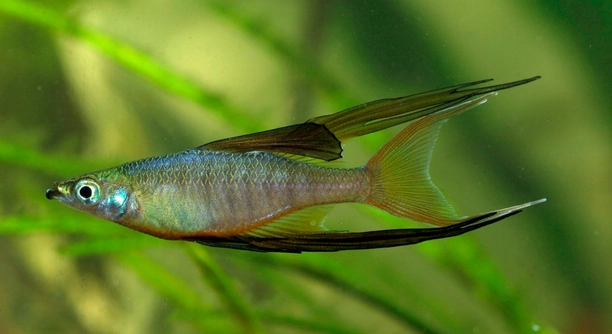
Threadfins are graceful fish that bring elegance to freshwater aquariums. Their slender bodies and shimmering fins make them a popular choice among hobbyists who enjoy observing peaceful, active fish in community tanks.
Threadfins can generally be kept with peaceful barbs if tank conditions are suitable. Ensuring ample swimming space, consistent water parameters, and monitoring interactions are essential. Both species exhibit active schooling behavior, so careful observation and proper tank setup minimize stress and aggression.
Maintaining harmony in a mixed-species aquarium requires attention, proper planning, and understanding the needs of each fish. Following these practices will help create a balanced and visually appealing tank.
Understanding Threadfin Behavior
Threadfins are naturally active and schooling fish, which makes their behavior interesting but sometimes unpredictable in a community tank. They prefer open swimming spaces and moderate current, which helps them display their full grace. While generally peaceful, threadfins can become stressed if overcrowded or if their environment lacks hiding spots. Observing their interactions with other species is essential, as some barbs may be slightly more boisterous. Feeding habits are straightforward, but threadfins appreciate a varied diet that includes small live or frozen foods. Proper nutrition supports their energy levels and vibrant coloration. When placed in a well-structured tank with compatible species, they thrive and show calm, consistent schooling patterns. Providing plants and low decorations can help reduce stress and give them the freedom to explore while maintaining their natural behavior. Their adaptability to water conditions also contributes to their overall health, making them suitable for community tanks when monitored closely.
Monitoring interactions daily ensures peace among tank mates and reduces potential conflicts before they escalate.
Keeping threadfins with barbs requires attention to individual temperaments. Some barbs are more active and may chase slower fish, which can stress threadfins. Introducing both species gradually allows threadfins to acclimate and establish territories. Tank size is critical; a spacious aquarium allows each species to swim freely without constant confrontation. Observing feeding times helps ensure that threadfins are not outcompeted, maintaining their health. Hiding spots and plants create refuge areas, reducing stress during more active periods. Regular water changes and maintaining stable temperature and pH prevent environmental stressors. Overall, careful planning and daily observation create a harmonious setup where threadfins and peaceful barbs coexist with minimal tension. This setup allows their natural behaviors to flourish, enhancing the visual appeal and balance of the aquarium.
Choosing Compatible Barbs
Not all barbs are suitable for threadfins, so selecting calmer species is key.
Peaceful barbs such as cherry barbs or gold barbs are ideal companions for threadfins. They share similar water requirements and swimming patterns, reducing territorial disputes. Avoid aggressive or highly active barbs, as these can stress threadfins and disrupt the tank’s balance. Monitoring initial introductions closely helps gauge compatibility and adjust if necessary. Gradually adding barbs allows threadfins to maintain their schooling and reduces sudden stress. Pairing compatible species ensures both thrive and display natural behaviors.
Cherry and gold barbs are smaller, less aggressive, and adapt well to community tanks. Introducing them in groups matching threadfins’ schooling numbers creates a balanced social structure. Careful feeding ensures all fish receive adequate nutrition. Observing interactions allows you to notice early signs of stress or aggression, which can be mitigated by rearranging decorations or adding more hiding spots. Overcrowding should be avoided, as it increases competition and potential conflicts. By considering size, temperament, and activity levels, you can create a harmonious community tank where threadfins and peaceful barbs coexist successfully. This attention to compatibility fosters a stable environment, supporting the health and well-being of every fish in the aquarium.
Tank Setup Considerations
A spacious tank is essential for threadfins and barbs to coexist peacefully. Open swimming areas with scattered plants allow movement while providing hiding spots. Proper filtration and moderate current help maintain water quality and mimic natural conditions, reducing stress.
Providing at least 55 gallons of space ensures both species have room to school. Plants should be placed strategically, leaving open areas for swimming while offering shelter during active periods. Decorations like driftwood or rocks can break sightlines, minimizing chasing behavior. Maintaining stable water parameters, including temperature and pH, is critical to avoid stress. A gentle current encourages natural swimming patterns and supports overall health. Regular observation helps adjust tank layout if aggression or stress signs appear. Proper tank setup directly impacts the comfort and harmony of all fish.
Lighting and substrate also influence behavior. Soft lighting prevents stress in threadfins, and a sandy or smooth substrate reduces injury risk. Avoid sharp décor, as threadfins are delicate. Careful placement of plants and decorations can create a sense of security. Aeration should be gentle but sufficient, supporting oxygen levels. Observing fish behavior daily helps identify any adjustments needed. Maintaining consistent water parameters and a clean environment reduces disease risk. A well-planned tank encourages natural schooling, reduces conflicts, and promotes the health of both threadfins and barbs, ensuring a balanced community aquarium.
Feeding and Diet Management
Threadfins and barbs require balanced diets for health and color maintenance. High-quality flakes or pellets supplemented with live or frozen foods keep them active and healthy.
Feeding small portions multiple times a day helps prevent overfeeding and ensures all fish receive adequate nutrition. Threadfins benefit from protein-rich foods like brine shrimp or daphnia, while barbs thrive on a mix of flakes, pellets, and occasional live foods. Observing feeding behavior allows you to spot weaker or stressed fish that may need extra attention. Removing uneaten food promptly reduces water contamination and prevents algae growth. Regularly varying their diet promotes vibrant colors and supports growth. Consistent feeding routines also reinforce social harmony, as all fish learn feeding times and reduce aggressive competition.
Supplementing diets with occasional vegetables like blanched spinach or peas improves digestion and overall health. Monitoring fish weight and appearance helps detect early nutritional issues. Feeding in multiple locations prevents dominant fish from monopolizing food. A well-managed diet ensures threadfins and barbs remain active, reduces aggression related to hunger, and enhances their natural coloration. Careful planning of feeding schedules and portion sizes supports growth and maintains a stable, healthy community tank environment, benefiting all species present.
Water Parameters and Maintenance
Stable water conditions are crucial for both threadfins and barbs. Regular water changes, proper filtration, and monitoring temperature and pH keep the environment safe and comfortable for all fish.
Threadfins prefer slightly acidic to neutral water, while peaceful barbs tolerate a similar range. Consistent maintenance prevents stress and disease, supporting healthy behavior and growth.
Observation and Behavior Monitoring
Daily observation helps identify signs of stress or aggression early. Watch for chasing, hiding, or loss of appetite, which can indicate issues in the tank environment. Regular monitoring allows timely adjustments to prevent conflicts and maintain a peaceful community.
Adjusting Tank Environment
Changes to plants, decorations, or flow can improve harmony. Rearranging elements provides hiding spots and breaks line-of-sight, reducing chasing and stress.
Breeding Considerations
Threadfins and barbs have different breeding needs. Providing separate breeding tanks or specific conditions helps manage reproduction without affecting the main community tank.
FAQ
Can threadfins live peacefully with all types of barbs?
No, not all barbs are suitable tank mates. Aggressive or overly active species can stress threadfins. Cherry barbs, gold barbs, and other peaceful, small to medium-sized barbs are better options. Compatibility depends on size, activity level, and temperament of both species.
How many threadfins should be kept together?
Threadfins are schooling fish and feel most comfortable in groups of at least six. A larger group helps reduce stress, encourages natural schooling behavior, and minimizes bullying from more active barbs. Small groups can lead to timid behavior or uneven social dynamics.
What is the ideal tank size for threadfins and peaceful barbs?
A minimum of 55 gallons is recommended, with larger tanks preferred. Open swimming space is essential, along with plants and decorations that provide shelter. Proper spacing reduces chasing and stress, allowing both species to maintain healthy social behavior.
How often should I feed threadfins and barbs?
Small, frequent feedings are best. Two to three times daily in controlled portions ensures all fish get enough nutrition without overfeeding. Protein-rich foods like brine shrimp or daphnia for threadfins and a mix of flakes and pellets for barbs maintain health and color.
What water conditions are best for these fish?
Maintain slightly acidic to neutral water with a temperature between 74–80°F. pH should be stable around 6.5–7.5. Moderate current and good filtration help mimic natural conditions and support oxygenation. Regular monitoring prevents stress and disease.
Do threadfins require special decorations or plants?
Yes, they benefit from open swimming areas with scattered plants and hiding spots. Avoid sharp decorations, as threadfins are delicate. Driftwood, smooth rocks, and soft substrate help prevent injury and create a comfortable environment.
Can these fish breed in a community tank?
Breeding is difficult in a mixed-species tank. Separate breeding tanks or controlled conditions are better. Threadfins and barbs have different reproductive needs, and eggs or fry may be eaten by other fish in the main tank.
What signs indicate stress or aggression?
Look for hiding, chasing, loss of appetite, or color fading. Excessive darting or one fish dominating the space are warning signs. Adjust tank layout, add hiding spots, or separate aggressive individuals if needed.
Is it necessary to monitor interactions daily?
Yes, daily observation is important. Early detection of stress or aggression allows quick action to prevent injuries or long-term issues. Observing feeding and swimming behavior gives insight into fish health and tank harmony.
Can threadfins live with other peaceful species besides barbs?
Yes, they can coexist with similarly peaceful, medium-sized schooling fish. Species with slow to moderate activity levels are ideal. Avoid overly aggressive or territorial fish, as they can stress threadfins and disrupt social behavior.
How important is water change frequency?
Very important. Weekly water changes of 20–30% maintain quality, reduce toxins, and prevent disease. Consistent maintenance supports natural behavior, healthy growth, and vibrant colors. A well-maintained tank promotes long-term harmony among all fish.
What is the role of tank lighting?
Moderate lighting reduces stress and allows threadfins to display natural colors. Soft lighting is preferable over harsh bright lights. Adequate lighting also supports plant growth, which helps create shelter and improves water quality.
Can I keep juveniles with adults?
Yes, but monitor closely. Adults may unintentionally outcompete juveniles for food or chase them. Providing hiding spots and multiple feeding locations helps ensure juveniles thrive without stress.
How do I reduce aggression during feeding?
Feed in multiple areas of the tank to prevent dominant fish from monopolizing food. Small, frequent feedings and varied food types reduce competition and help maintain peace. Observing feeding behavior ensures all fish receive proper nutrition.
Is tank size more important than species selection?
Both are critical. Adequate space reduces stress and chasing, while proper species selection ensures compatibility. Large tanks allow schooling and natural behavior, minimizing conflicts and supporting healthy community dynamics.
Can stress from poor tank conditions cause illness?
Yes, stress weakens the immune system, making fish more susceptible to disease. Stable water conditions, proper diet, and environmental enrichment are key to preventing stress-related illnesses.
How do I know if threadfins are happy?
Signs include active schooling, bright coloration, regular feeding, and smooth swimming patterns. Calm behavior with minimal hiding or chasing indicates a well-balanced and comfortable environment.
Should I quarantine new barbs before introducing them?
Absolutely. Quarantining new fish for 2–3 weeks prevents disease introduction and allows monitoring for aggressive tendencies. It also gives time to acclimate them to water conditions without stressing existing fish.
What common mistakes should be avoided?
Overcrowding, aggressive tank mates, poor water quality, inconsistent feeding, and insufficient hiding spots are common issues. Addressing these factors prevents stress, illness, and conflicts, ensuring a healthy, harmonious community tank.
How long do threadfins typically live?
With proper care, they can live 5–7 years. Maintaining stable water parameters, balanced nutrition, and a peaceful environment contributes to longevity and overall well-being in a community setup.
Final Thoughts
Threadfins are graceful and active fish that bring elegance to a community aquarium. Their slender bodies and flowing fins make them visually striking, and they thrive best when kept in appropriate groups with peaceful tank mates. Pairing threadfins with compatible barbs requires careful planning, attention to behavior, and a commitment to maintaining stable water conditions. Choosing the right species of barbs is essential, as overly aggressive or highly active barbs can cause stress and disrupt schooling patterns. Observing interactions regularly helps ensure that all fish remain healthy, comfortable, and stress-free. A harmonious setup allows threadfins to display natural behaviors, maintain bright coloration, and contribute to a lively and balanced aquarium environment.
Tank size, layout, and environment play a key role in maintaining peace among threadfins and barbs. A spacious aquarium with open swimming areas gives both species the room they need to move freely, while strategically placed plants and decorations provide shelter and reduce aggressive encounters. Smooth substrates and safe decorations prevent injuries, particularly for delicate threadfins. Filtration and moderate water flow maintain water quality and mimic natural conditions, which keeps both species active and healthy. Lighting should be gentle enough to reduce stress while supporting plant growth, creating a stable and natural-feeling habitat. Regular water changes, careful monitoring of water parameters, and attention to nutrition are all important in promoting overall well-being. Paying attention to these factors prevents stress, disease, and behavioral problems, allowing the aquarium to remain balanced over time.
Feeding and diet management are equally important for sustaining health and harmony in the tank. Both threadfins and peaceful barbs benefit from a varied diet that includes high-quality flakes or pellets, supplemented with live or frozen foods. Small, frequent feedings ensure that all fish receive adequate nutrition without creating competition or overfeeding, which can lead to poor water quality. Occasional vegetables like blanched spinach or peas support digestion and overall health. Observing feeding behavior helps identify weaker or stressed individuals that may need extra attention. Providing a stable, consistent feeding routine and maintaining a clean tank environment support the natural behavior of both species. When combined with proper care, a well-planned tank setup and compatible species selection create a peaceful, thriving community aquarium where threadfins and barbs coexist successfully for years.

Hello,
If you enjoy the content that we create, please consider saying a "Thank You!" by leaving a tip.
Every little bit helps us continue crafting quality advice that supports the health, happiness, and well-being of pets around the world, for pets of all shapes, sizes, and species.
We really appreciate the kindness and support that you show us!