
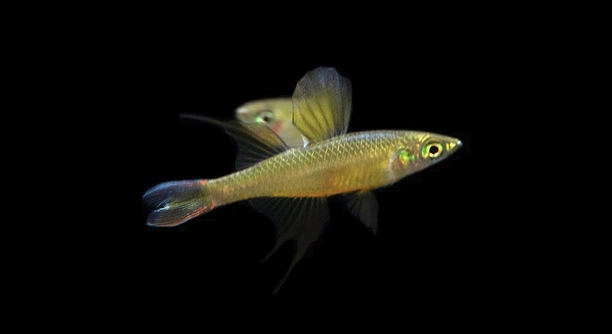
Threadfin Rainbowfish are small, vibrant freshwater fish often admired for their shimmering colors and graceful movements. Observing them can be a calming experience, as they swim with fluid motions that appear deliberate and expressive within their aquarium environment.
Research suggests that Threadfin Rainbowfish display variations in swimming patterns that correlate with environmental stimuli and social interactions. These movements can indicate stress, excitement, or comfort, providing subtle insight into their emotional state without definitive behavioral expressions.
Understanding these patterns allows enthusiasts to better interpret their fish’s well-being and enhances the overall experience of maintaining a healthy aquatic environment.
How Threadfin Rainbowfish Express Through Movement
Threadfin Rainbowfish often communicate subtle cues through their swimming patterns. Rapid darting across the tank can signal excitement or alertness, while slow, deliberate movements often indicate a relaxed state. Changes in fin positioning or body angle can reflect comfort or mild stress. Observing these nuances provides insight into how they respond to their environment. Groups of fish will synchronize their swimming when feeding or exploring, showing social cohesion and a form of nonverbal communication. When kept in spacious aquariums with proper conditions, their movements appear more natural and expressive. Lighting, tank size, and presence of hiding spots all influence how these fish move. Even minor disturbances outside the tank can prompt sudden bursts of movement. By paying attention to these behaviors, caretakers can better adjust tank conditions and anticipate the fish’s needs, ensuring a healthier and more stable aquatic habitat. Regular observation helps identify patterns unique to each individual.
Their movement can serve as a practical guide to assessing overall health.
With patience, you can detect stress, happiness, or curiosity simply through careful watching. Patterns are often consistent when conditions remain stable.
Reading Emotional Signals in Groups
Observing multiple Threadfin Rainbowfish together reveals social dynamics.
In groups, synchronized swimming is common, especially during feeding or exploration. Fish often mirror each other’s movements, which indicates social bonds and comfort. Disruptions in this pattern can reflect stress or unfamiliar changes in their environment. Some fish may temporarily separate, displaying caution, while others maintain group cohesion. Leaders often emerge, guiding direction, with followers adjusting speed and positioning to stay aligned. Minor fin flares or tail movements also contribute to group communication. Understanding these interactions provides insight into their emotional responses. Careful placement of hiding spots and plants can reduce tension, encouraging natural movement. Over time, observation allows recognition of individual personalities within the group. This awareness can enhance tank management and overall fish well-being, supporting a more harmonious aquarium setting. By noting how each fish reacts in specific situations, it becomes easier to anticipate needs and reduce stress-induced behaviors, creating a calmer, more expressive environment for all inhabitants.
Signs of Stress in Threadfin Rainbowfish
Stress in Threadfin Rainbowfish is often reflected in sudden changes in swimming speed or erratic movements. Hiding more frequently and staying near the bottom of the tank are also common indicators. Monitoring these behaviors helps identify environmental or social stressors promptly.
Environmental factors like water temperature, pH levels, and tank cleanliness significantly influence fish behavior. If water parameters fluctuate or filtration is inadequate, the fish may show lethargy, loss of appetite, or rapid gill movement. Overcrowding or aggressive tank mates can further increase stress, leading to constant darting or isolation. Providing a balanced environment with stable conditions helps minimize these reactions, allowing fish to display normal and healthy movement patterns. Stress management through careful observation ensures that the fish remain active and resilient over time, improving both their physical health and behavioral expression.
Observing subtle body language also reveals stress levels. Fin clamping, sudden jerks, or hovering near specific areas can indicate discomfort. Adjustments in feeding schedules or tank setup often alleviate these issues, creating a calmer environment.
Encouraging Positive Behavior
Creating a stimulating environment encourages natural and confident movement.
Including plants, rocks, and open swimming areas allows Threadfin Rainbowfish to express themselves freely. Variety in tank layout prevents boredom and promotes exploration. Fish respond positively to a balanced diet and consistent lighting, which supports their overall vitality and encourages social interactions.
Social interaction among fish is vital for emotional expression. When fish are comfortable, they explore actively, interact with group members, and display synchronized swimming. Gentle introduction of new tank mates, maintaining proper water conditions, and minimizing sudden disturbances help sustain positive behaviors. Tracking individual tendencies over time allows you to recognize when a fish is thriving versus when adjustments are needed. By fostering an environment that balances stimulation and safety, fish movements become more expressive, revealing curiosity, comfort, and social cohesion. This approach enhances well-being and provides a clearer understanding of how Threadfin Rainbowfish communicate nonverbally through motion.
Understanding Comfort Levels
Threadfin Rainbowfish often display comfort through relaxed, smooth swimming. They explore open areas of the tank confidently and interact with other fish without hesitation. Observing these patterns helps assess whether the environment meets their needs and reduces stress.
Comfort is also shown in fin movement. Extended fins and gentle tail flicks indicate the fish feel secure.
Adjusting Tank Conditions
Maintaining stable water temperature, proper pH, and clean filtration directly affects fish behavior. Sudden changes can lead to hesitation, erratic movements, or hiding. Ensuring consistency in lighting and feeding schedules supports natural activity levels. Adding plants and decorations provides safe areas, encouraging exploration and social interaction, which further reflects comfort and emotional stability. Careful monitoring of these factors allows for a more responsive approach to tank management. Fish respond quickly to positive adjustments, and over time, their movements become smoother and more expressive. Creating a balanced habitat reduces stress and promotes natural, healthy behavior across the group.
Feeding and Interaction
Regular feeding routines and interaction encourage active, predictable movement patterns in Threadfin Rainbowfish.
FAQ
How can I tell if my Threadfin Rainbowfish is stressed?
Stress in Threadfin Rainbowfish is often visible through changes in swimming patterns. Rapid darting, fin clamping, or hiding frequently are common signs. Fish may also stay near the tank bottom or refuse food. Observing these behaviors consistently allows you to identify stress early and make adjustments.
What environmental factors affect their movement?
Water temperature, pH, and cleanliness are critical. Fluctuating temperatures or improper pH can cause lethargy or erratic swimming. Poor filtration leads to decreased oxygen, which affects energy levels. Overcrowding or aggressive tank mates also impact movement. Maintaining stable, clean conditions encourages natural swimming and social behavior.
Do Threadfin Rainbowfish communicate with each other?
Yes, they use body positioning, synchronized swimming, and fin movements to interact. Groups often mirror movements during feeding or exploration. Leaders emerge in some situations, guiding direction, while followers adjust speed and placement. Subtle tail flicks or fin displays signal comfort, curiosity, or mild stress within the group.
Can their movement indicate happiness?
Smooth, fluid swimming in open areas shows contentment. Fish that explore freely, interact socially, and display extended fins are generally comfortable. Increased activity during feeding or exploration is also a positive sign. Calm, confident movement reflects a well-adjusted and emotionally stable fish.
How can I reduce stress in my tank?
Maintaining consistent water conditions and a stable environment is essential. Adding hiding spots, plants, and decorations provides security. Gentle handling, predictable feeding schedules, and gradual introduction of new tank mates minimize stress. Avoid sudden changes in lighting or water parameters, as these can trigger defensive or erratic behaviors.
Is it normal for them to dart suddenly?
Occasional bursts of movement can occur due to minor disturbances, curiosity, or social interactions. Frequent, unexplained darting may indicate stress, poor water conditions, or aggressive tank mates. Monitoring patterns over time helps differentiate normal activity from potential issues that need addressing.
How do group dynamics affect their behavior?
In groups, synchronized swimming demonstrates social cohesion. Fish respond to one another’s movements, maintaining alignment and speed. Disruptions, such as introducing new tank mates, can cause temporary separation or hesitation. Observing group interactions reveals comfort levels, social bonds, and potential stressors within the aquarium environment.
What role does feeding play in movement patterns?
Feeding routines influence activity. Fish become more active during mealtime, showing coordinated movements and exploration. Sudden changes in diet or irregular feeding schedules can alter behavior, leading to lethargy or aggression. Consistency supports natural swimming patterns and helps maintain group harmony.
Can I improve emotional well-being through tank design?
Yes. Providing plants, rocks, and open swimming areas encourages exploration and reduces stress. Hiding spots allow retreat during disturbances, while open areas support social interaction and natural movement. A well-designed tank balances safety and stimulation, promoting positive behavior and emotional stability.
How long does it take to notice changes in behavior?
Changes in swimming patterns can appear quickly in response to stress or environmental shifts. Gradual adjustments in tank conditions, social structure, or feeding often take a few days to show consistent improvement. Regular observation helps identify subtle cues before they become significant problems.
Are there signs of discomfort besides movement?
Yes. Loss of appetite, clamped fins, rapid gill movement, or staying in one area for extended periods can indicate discomfort. Combining observation of movement with other physical cues provides a clearer understanding of overall well-being.
How can I encourage positive social interactions?
Maintaining stable groups and providing adequate space helps fish interact naturally. Avoid overcrowding and introduce tank mates slowly. Structured environments with hiding spots and open swimming areas reduce competition and aggression, supporting harmonious behavior. Positive interactions result in synchronized swimming and calmer, confident movement.
What should I do if one fish behaves differently from the group?
Individual variation is normal, but sudden deviations may indicate illness, stress, or discomfort. Check water parameters, feeding, and tank conditions first. Isolating the fish temporarily or observing for additional symptoms can prevent further stress and support recovery.
Can lighting affect their emotional expression?
Yes. Gradual, consistent lighting supports natural activity patterns. Bright or flickering lights may cause anxiety, leading to hiding or erratic movements. Low, even lighting allows fish to display normal swimming and interact comfortably with their environment.
How often should I observe their behavior?
Daily observation is ideal. Short, consistent monitoring sessions allow you to notice subtle changes, identify stressors early, and adjust conditions promptly. Over time, patterns emerge, helping you better understand individual and group behavior.
Do Threadfin Rainbowfish show excitement?
Excitement is visible through faster swimming, sudden bursts of movement, and interaction with other fish. Feeding or environmental enrichment often triggers this behavior. Recognizing these signs helps differentiate excitement from stress or agitation.
Can decorations impact their movement patterns?
Yes. Plants, rocks, and hiding spots create natural pathways and stimulate exploration. Properly arranged decorations reduce conflict and provide security. Overcrowded or sparse tanks may hinder natural movement, causing stress or lethargy. A balanced setup encourages healthy activity and expression.
Is water quality the most important factor for behavior?
Water quality is critical. Stable temperature, pH, and cleanliness directly influence energy levels, stress, and social interaction. Poor water quality often leads to erratic movements, hiding, or aggression. Regular monitoring ensures fish remain active, comfortable, and expressive.
How can I track emotional cues over time?
Keeping a simple log of swimming patterns, social behavior, and responses to feeding or environmental changes helps. Over time, trends become apparent, allowing you to anticipate needs and maintain a healthy, expressive aquarium environment. Consistency in observation is key.
Do they recover quickly from stress?
Recovery depends on the cause and tank conditions. Minor disturbances may resolve within hours, while prolonged stress or poor water quality can take days to improve. Prompt adjustments in environment, diet, and social conditions accelerate recovery and restore normal movement patterns.
Final Thoughts
Threadfin Rainbowfish are expressive in ways that may not be immediately obvious. Their movement patterns provide clues about comfort, stress, and social dynamics. Smooth, fluid swimming often indicates a relaxed and healthy state, while erratic or abrupt movements can signal discomfort or stress. Observing these behaviors consistently allows caretakers to respond appropriately and ensure their fish are thriving. Even small changes in swimming speed, fin position, or body angle can reveal a lot about their emotional state. Paying attention to these subtle cues is an essential part of responsible care. Over time, recognizing these patterns becomes easier, helping you understand each individual fish’s personality and habits.
Environmental conditions play a significant role in shaping the behavior of Threadfin Rainbowfish. Stable water temperature, proper pH levels, and effective filtration are critical to maintaining healthy movement and natural social interactions. Introducing hiding spots, plants, and open swimming areas encourages exploration and reduces stress, creating a balanced habitat that supports emotional well-being. Group dynamics also influence behavior, as synchronized swimming and social interaction are key indicators of comfort. By carefully observing how the fish interact with each other and with their environment, adjustments can be made to improve tank conditions. Even small improvements in lighting, feeding schedules, or tank layout can have a noticeable impact on their overall behavior and activity levels. Creating a space where fish can express themselves naturally is essential to maintaining their health and well-being.
Monitoring Threadfin Rainbowfish requires patience and attention to detail. Patterns of movement, group interactions, and individual behaviors all provide valuable insight into their emotional and physical state. By noting changes over time, potential stressors or environmental issues can be identified and addressed promptly. Providing a stable, stimulating environment encourages healthy movement and fosters social bonds within the group. Regular observation also helps distinguish normal activity from signs of illness or discomfort, ensuring that interventions are timely and effective. Ultimately, understanding their subtle forms of expression enhances the experience of keeping these fish, creating a healthier and more engaging aquarium environment. Consistent care and attention allow the fish to display natural behaviors, reflecting both their well-being and the quality of their habitat.

Hello,
If you enjoy the content that we create, please consider saying a "Thank You!" by leaving a tip.
Every little bit helps us continue crafting quality advice that supports the health, happiness, and well-being of pets around the world, for pets of all shapes, sizes, and species.
We really appreciate the kindness and support that you show us!