
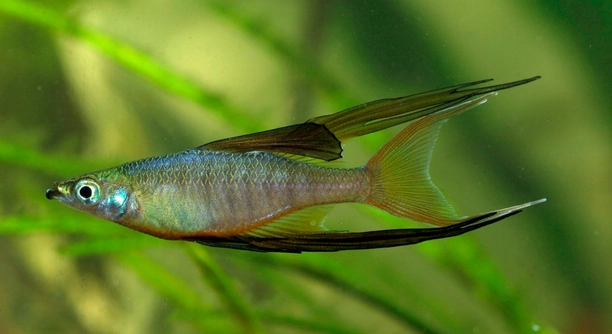
Have you ever noticed one of your threadfin rainbowfish disappearing from the tank without explanation? This small, colorful fish can be surprisingly quick and elusive, leaving owners concerned when it suddenly vanishes from sight in their aquarium.
The first step when a threadfin rainbowfish goes missing is to thoroughly check the tank environment. Inspect decorations, plants, and filters, as these fish often hide in small spaces. Ensuring proper water quality and observing other fish behavior can help locate the missing individual.
Knowing where these fish prefer to hide and what factors influence their behavior will make it easier to prevent future disappearances and maintain a healthy, safe aquarium environment.
Checking the Tank Thoroughly
When a threadfin rainbowfish goes missing, the first step is to carefully inspect the tank. These fish are small and agile, so they often squeeze into decorations, plants, or tight corners. Remove ornaments one at a time and check behind or inside them. Driftwood, rock formations, and artificial plants are common hiding spots. Look near the filter and heater as well, since fish may seek refuge there if they feel stressed. Even if you do not see the fish immediately, it may be resting in a shaded or narrow area. Make sure the tank is quiet during your search, as sudden movements or vibrations can push the fish further into hiding. Regularly inspecting the tank and knowing where your fish prefer to hide reduces panic and helps you respond quickly. Taking a methodical approach ensures nothing is overlooked and increases the chances of locating the missing fish safely.
Hiding behavior is natural for threadfin rainbowfish, and most disappearances are temporary as they explore safe spaces within the tank.
After identifying likely hiding spots, monitor these areas closely. You may need to adjust decorations to create more open swimming spaces, reducing stress. Keep other fish calm to avoid chasing or cornering the missing individual. Maintaining proper lighting and gentle water flow encourages the fish to emerge, making recovery easier and supporting overall tank harmony.
Preventing Future Disappearances
Secure decorations and plants to reduce tight gaps where fish can hide.
To prevent threadfin rainbowfish from going missing, consider the tank layout and social dynamics. Avoid overcrowding, as competition for space can push fish into hard-to-reach areas. Introduce visual barriers with plants or rocks, but ensure there are clear swimming paths. Maintain consistent water quality, temperature, and lighting, since sudden changes can trigger hiding. Monitor feeding habits, as stress or food competition may also encourage hiding. Observe fish behavior regularly to spot early signs of discomfort or illness. Providing sufficient space, enrichment, and hiding spots that are easily accessible keeps fish calm and reduces the likelihood of prolonged disappearances. Regular checks and preventive adjustments help maintain a balanced, healthy tank environment, giving your threadfin rainbowfish confidence and security to swim openly without fear or stress.
Observing Fish Behavior
Watch how your other fish act in the tank. Sometimes they reveal where the missing threadfin rainbowfish is hiding or indicate if stress or aggression is causing it to disappear. Quiet observation can provide important clues without disturbing the tank environment.
Pay attention to unusual patterns like chasing, hiding, or sudden bursts of movement. Threadfin rainbowfish are sensitive to changes in their surroundings, and aggressive or dominant fish may force them into tight spaces. Note feeding habits, as a missing fish may come out only during mealtime or seek shelter afterward. Monitoring these behaviors over several hours or days helps identify problem areas in the tank and provides insight into potential causes of the disappearance. Adjusting the tank layout, feeding routines, or social groupings based on these observations can encourage the missing fish to reappear safely and reduce stress for all inhabitants.
If the fish remains unseen, gently inspecting water parameters and overall tank conditions is helpful. Improper water quality or sudden changes may cause fish to hide more than usual. Ensuring consistent temperature, pH, and cleanliness supports recovery.
Using Traps and Temporary Measures
Small, non-harmful traps can be used to safely catch the fish if it remains hidden.
Place a fine mesh net or a temporary trap in areas where the fish tends to hide. Use food to attract it gently, and avoid stressful or aggressive handling. Monitor the trap continuously and remove it once the fish is safely inside. These measures should be temporary and combined with observation of the overall tank environment. Always prioritize calm, slow movements to prevent startling the fish.
Temporary isolation in a separate small tank may also be useful if the missing fish is injured or stressed. Prepare a holding tank with proper water parameters, minimal decorations, and hiding spots. Transfer the fish carefully using a soft net or container to reduce stress. Maintain regular feeding and observation during this period to allow recovery. After the fish becomes comfortable and active again, gradually reintroduce it to the main tank. Combining temporary measures with adjustments to the main tank ensures long-term safety and reduces the chances of future disappearances.
Checking Tank Equipment
Inspect filters, heaters, and other equipment carefully. Threadfin rainbowfish can sometimes get trapped or hide near strong currents, making it important to ensure nothing is obstructing or harming them. Regular maintenance reduces this risk.
Ensure all openings are secure, and check tubing or intakes where fish may accidentally enter. Adjust flow or add protective covers to prevent future incidents and keep your tank safe.
Maintaining Water Quality
Consistently test water for ammonia, nitrite, nitrate, and pH levels. Threadfin rainbowfish are sensitive to changes, and poor water quality can cause stress or hiding behavior. Keeping stable conditions supports their health and encourages them to swim openly.
Providing Safe Hiding Spots
Offer plants or decorations that allow secure hiding without tight spaces. This reduces stress while preventing the fish from getting stuck or lost in the tank.
FAQ
How long can a threadfin rainbowfish hide before being found?
Threadfin rainbowfish often hide for a few hours up to a couple of days, especially if stressed or in a new environment. They prefer tight spaces or shaded areas, and their small size allows them to remain unseen for extended periods. Regular observation and gentle searching usually reveal their location.
What should I do if I cannot find my fish after checking the tank?
First, review all decorations, plants, and equipment carefully. Inspect filter intakes, heater areas, and any tubes or hollow ornaments. If the fish is still missing, consider using a small, non-harmful trap or temporarily relocating it to a safe quarantine tank to monitor for injury or illness.
Can poor water quality make my fish disappear?
Yes, threadfin rainbowfish are sensitive to water changes, including temperature fluctuations, pH shifts, or high ammonia and nitrate levels. Poor water quality can cause hiding, lethargy, or stress. Regular testing and stable tank conditions reduce hiding and support overall health.
Is it normal for fish to hide when other fish are present?
Yes, social dynamics affect behavior. Aggressive or dominant tank mates may push threadfin rainbowfish into corners or dense plants. Observing fish interactions and providing enough space, visual barriers, and safe hiding spots can minimize this behavior and prevent prolonged hiding.
Should I move decorations to catch my missing fish?
Moving decorations can help, but do it carefully to avoid stressing or injuring the fish. Remove one item at a time, checking behind and inside each piece. Avoid sudden movements or shaking the tank, as this may cause the fish to dart into harder-to-reach spots.
Can a missing fish survive outside the main tank?
Yes, temporarily relocating a fish to a quarantine tank can be safe if done properly. Ensure water parameters match the main tank, provide gentle filtration, minimal decorations, and secure hiding areas. Feeding and monitoring behavior during this period supports recovery and reduces stress.
How can I prevent future disappearances?
Secure decorations, maintain consistent water quality, and avoid overcrowding. Provide safe hiding areas that are accessible and reduce stress factors. Monitor social dynamics, feeding habits, and fish behavior regularly to detect early signs of discomfort. Adjustments to the tank layout and conditions help ensure your fish remain visible and healthy.
Do all threadfin rainbowfish hide in the same way?
Behavior varies by individual. Some may prefer dense plants, while others hide behind rocks or driftwood. Recognizing your fish’s typical patterns helps predict hiding spots and respond appropriately when they vanish. Regular observation supports a healthier, more predictable environment.
How often should I check the tank for missing fish?
Frequent, brief checks are best. Observing multiple times a day allows you to notice hiding patterns or unusual behavior early. Avoid constant disturbance, as this may increase stress. Focus on key hiding areas and overall tank dynamics to maintain balance.
Is it dangerous if the fish hides for several days?
Extended hiding can indicate stress, illness, or poor water conditions. Monitor water parameters closely and watch for signs of injury or lethargy. Using safe observation methods and temporary measures can help the fish reappear while ensuring it remains healthy.
What signs indicate a fish is injured while hiding?
Look for torn fins, faded colors, labored breathing, or lethargy. Injured fish may prefer deeper hiding spots and avoid swimming openly. Temporary isolation, gentle observation, and maintaining water quality are essential for recovery.
Can diet affect hiding behavior?
Yes, inadequate or inconsistent feeding can cause stress, prompting fish to hide. Regular, balanced feeding and observing who eats first can reduce competition and encourage the missing fish to emerge. Supplementing with small, high-quality meals supports energy and recovery.
How do I safely encourage a hiding fish to come out?
Maintain calm water conditions, reduce sudden movements, and feed the fish near its hiding spot. Gentle lighting and minimal disturbances help the fish feel secure. Over time, it will gain confidence and swim openly again, especially in a stable, well-arranged tank.
Are younger fish more likely to hide than older fish?
Younger threadfin rainbowfish often hide more due to smaller size, vulnerability, and inexperience with the tank environment. Adults may still hide occasionally, but juveniles are more prone to stress-driven concealment. Providing safe spaces and monitoring interactions helps younger fish adjust safely.
Does tank size influence hiding behavior?
Yes, smaller or overcrowded tanks increase hiding. Limited swimming space, insufficient decorations, or poor water circulation can stress fish. Ensuring adequate tank size, proper layout, and accessible hiding spots reduces prolonged hiding and improves overall fish health.
Can lighting affect hiding?
Bright lights may encourage hiding, while dimmed or gradual lighting can help the fish feel safe. Adjusting lighting patterns to mimic natural conditions reduces stress and encourages the fish to explore and swim more freely.
What is the best way to monitor a hiding fish without disturbing it?
Use quiet, brief observation periods. Look for movement near plants, rocks, or tank equipment without tapping or shaking the tank. Watching from different angles can reveal hiding spots. Patience and careful observation allow you to track your fish’s health and location safely.
When should I seek professional advice?
If the fish remains hidden for several days, shows signs of injury, or water parameters are unstable despite efforts, consult an experienced aquarist or veterinarian. Prompt advice ensures proper care and reduces risk of long-term health issues.
Is it common for fish to hide after tank changes?
Yes, rearranging decorations, introducing new fish, or adjusting water conditions often triggers temporary hiding. Gradual changes, consistent monitoring, and safe hiding spots help fish adapt without prolonged stress.
How do I know if hiding is due to illness?
Ill fish may be lethargic, lose appetite, or display color changes. Hiding is often accompanied by unusual swimming, gasping, or clamped fins. Observing behavior and water quality can help determine if medical attention or isolation is needed.
Can multiple missing fish occur simultaneously?
Yes, stress, poor water quality, or overcrowding can lead multiple fish to hide at once. Carefully inspect the tank, monitor social interactions, and ensure safe spaces are available to encourage reappearance and reduce ongoing stress.
How long should temporary traps be left in the tank?
Traps should be monitored constantly and removed as soon as the fish is safely inside. Leaving traps for extended periods can stress all fish. Use them briefly and combine with observation to locate and recover missing individuals efficiently.
Are there signs a hiding spot is unsafe?
Yes, sharp edges, small gaps, or strong currents can trap or injure fish. Inspect hiding areas regularly and adjust decorations or equipment to create safe, accessible spaces. Prevention is key to avoiding future disappearances.
Does the presence of other species affect hiding?
Yes, territorial or aggressive species can push threadfin rainbowfish into hiding. Providing visual barriers, sufficient space, and monitoring interactions can reduce stress and encourage all fish to swim confidently.
Is it necessary to quarantine the fish after being missing?
Quarantine may help if the fish was stressed, injured, or exposed to poor conditions. A separate tank with proper water parameters and hiding spots supports recovery before reintegration into the main tank, ensuring overall health and safety.
Can hiding behavior become habitual?
Repeated stress or unsafe tank conditions can make hiding a regular behavior. Adjusting tank layout, social dynamics, water quality, and feeding routines encourages more confident swimming and reduces prolonged concealment.
How does tank maintenance affect hiding behavior?
Regular cleaning, water changes, and inspection of equipment reduce stress and prevent hiding. Consistency helps fish feel secure, minimizes surprises, and supports a stable environment where they are less likely to disappear.
What is the best long-term approach to prevent disappearances?
Combine stable water parameters, secure decorations, proper feeding, safe hiding spots, and monitoring fish interactions. Gradual changes and attentive observation create a confident, healthy environment where threadfin rainbowfish can thrive openly without frequent hiding.
Final Thoughts
Losing sight of your threadfin rainbowfish can be stressful, but it is a common experience for many aquarists. These fish are naturally curious and cautious, often seeking out quiet or hidden areas when feeling stressed or unsure about their environment. Understanding this behavior is key to addressing their disappearance without causing additional anxiety for the fish or yourself. Observation, patience, and careful attention to the tank setup are essential steps that help ensure the fish is safe and eventually comes out of hiding. The first step is always to calmly assess the situation, checking the usual hiding spots like dense plants, decorations, and equipment areas. Small, gradual changes to the tank and monitoring the behavior of other fish can make a noticeable difference.
Maintaining proper water quality and stable conditions is crucial for encouraging a missing threadfin rainbowfish to return to visible areas. These fish are sensitive to changes in temperature, pH, ammonia, nitrite, and nitrate levels, so regular testing and adjustments are necessary to prevent prolonged hiding. Overcrowding, aggressive tank mates, or insufficient hiding spots may also contribute to the problem. Providing safe spaces for the fish to retreat to can reduce stress, while ensuring the main areas of the tank remain open and inviting encourages exploration. Temporary measures, such as using a quarantine tank or gentle traps, can be useful when the fish is injured, stressed, or difficult to locate, but these should be applied carefully and with the fish’s well-being in mind. Consistency in feeding, lighting, and environmental conditions helps the fish regain confidence and return to normal activity.
A thoughtful, attentive approach to tank management will prevent future disappearances and support the overall health of your threadfin rainbowfish. Regular observation allows you to notice early signs of stress or hiding tendencies before they become problematic. Adjusting the tank layout, ensuring adequate space, and monitoring social dynamics among tank mates all contribute to a safer and more predictable environment. Patience is essential, as fish may take time to adjust or feel secure enough to emerge. By maintaining a calm, well-organized tank and paying attention to the specific needs of your fish, you reduce the risk of prolonged hiding and create a stable habitat where threadfin rainbowfish can thrive openly. With careful attention, consistent routines, and an understanding of their natural behavior, your fish will likely reappear, healthy and active, adding vibrancy to the aquarium once again.

Hello,
If you enjoy the content that we create, please consider saying a "Thank You!" by leaving a tip.
Every little bit helps us continue crafting quality advice that supports the health, happiness, and well-being of pets around the world, for pets of all shapes, sizes, and species.
We really appreciate the kindness and support that you show us!