
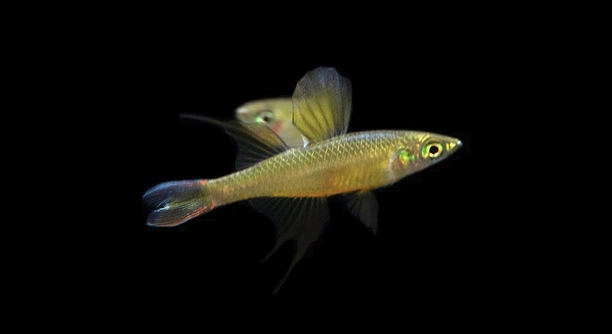
Have you ever set up a new aquarium only to find your Threadfin Rainbowfish not thriving as expected? These vibrant fish can brighten any tank, but beginners often face unexpected challenges when caring for them.
Many common mistakes arise from improper tank setup, overfeeding, and inadequate water quality management. Ensuring the correct environment, diet, and regular maintenance is essential to support the health, coloration, and behavior of Threadfin Rainbowfish.
Learning the basics now will help prevent stress and illness, making your fishkeeping experience more enjoyable and successful.
Inadequate Tank Size
Threadfin Rainbowfish are active swimmers that need plenty of space. A small tank can lead to stress, stunted growth, and weaker immune systems. Many beginners choose tanks that are too small, underestimating how much room these fish require. Ideally, a tank should be at least 30 gallons for a small school. It is also important to provide open swimming areas alongside hiding spots, such as plants or decorations. Crowding the tank not only affects swimming space but also increases waste accumulation, which can degrade water quality quickly. Poor water conditions may lead to diseases or lethargy. Monitoring tank dimensions and stocking numbers is crucial for maintaining a healthy environment. Proper filtration, regular water changes, and testing for ammonia, nitrites, and nitrates will help ensure the fish thrive. A spacious, well-maintained tank supports natural behavior, vibrant coloration, and overall fish health, making the aquarium a more enjoyable and sustainable setup.
Providing adequate space prevents stress and supports their active behavior, growth, and health in the long term.
Proper planning before adding Threadfin Rainbowfish helps avoid overcrowding and ensures a stable, balanced environment. Choosing the right tank size, along with a reliable filtration system, creates a suitable habitat. Observing swimming patterns and behavior helps gauge if the space is sufficient. Additionally, a larger tank reduces the frequency of water changes and stabilizes water chemistry. Including plants and decorations allows natural hiding spots without restricting swimming space. Beginners often underestimate how quickly these fish can grow, so planning ahead prevents the need for urgent upgrades. Maintaining a stable community requires attention to tank size, population, and layout. Overall, a well-sized tank is the foundation for thriving Threadfin Rainbowfish, ensuring their health, coloration, and longevity while reducing stress-related problems.
Overfeeding and Diet Mistakes
Overfeeding is a common problem that can lead to obesity, water pollution, and illness in Threadfin Rainbowfish. Feeding small amounts several times a day is better than one large feeding.
Threadfin Rainbowfish need a balanced diet that includes flakes, pellets, and occasional live or frozen foods.
Providing the correct diet enhances coloration, supports growth, and maintains overall health. Observing feeding behavior helps avoid excess food. Mixing protein-rich options with plant-based foods ensures a well-rounded diet. Overfeeding can cause digestive issues and increase nitrate levels in the tank, which affects water quality. Beginners may give too much out of concern for the fish’s nutrition, but moderation is key. Implementing a feeding schedule, removing uneaten food promptly, and monitoring fish weight will prevent health problems. Rotating food types also keeps the fish interested and provides essential vitamins and minerals. Healthy feeding practices reduce stress, support immune function, and encourage natural activity patterns. By learning to feed properly, you can maintain a cleaner tank and healthier fish, making daily care easier and more rewarding.
Poor Water Quality
Even minor changes in water parameters can stress Threadfin Rainbowfish. Regular testing for ammonia, nitrites, nitrates, and pH levels is essential. Water changes of 20–30% weekly help maintain stability and prevent toxic buildup, keeping fish healthy and active.
Maintaining clean, stable water is critical for these fish. Filtration systems must be appropriate for tank size, and filter media should be cleaned regularly without disturbing beneficial bacteria. Temperature should be monitored, staying between 72–78°F, with gradual adjustments to prevent shock. Beginners often neglect testing, leading to hidden stressors that affect immune response. Consistent water care reduces disease risk and supports natural behavior. Using dechlorinated water and checking for sudden parameter shifts will protect your fish from unnecessary harm.
High-quality water encourages vibrant coloration and healthy growth. Avoid overcrowding, remove uneaten food promptly, and maintain proper circulation. Observing fish behavior helps identify potential water issues early, making adjustments easier and more effective.
Incompatible Tank Mates
Threadfin Rainbowfish thrive in peaceful communities. Aggressive or overly large species can intimidate or injure them. Choosing compatible tank mates prevents stress and promotes natural swimming behavior.
Incompatible tank mates may compete for food or establish dominance, causing chronic stress. Stress weakens the immune system and can reduce lifespan. Keeping fish with similar size and temperament ensures harmony. Schooling fish should be kept in groups of at least six to encourage social interaction. Avoid fin-nipping species or overly territorial fish, as this disrupts natural behavior and may lead to injury. Observing interactions regularly allows early intervention if conflicts arise. Planning tank composition carefully supports long-term health and reduces behavioral problems.
Selecting appropriate companions enhances activity, coloration, and overall well-being. Thoughtful pairing ensures a calm, balanced environment that supports growth and reduces the risk of injury or disease.
Ignoring Schooling Needs
Threadfin Rainbowfish are social and do best in groups of six or more. Keeping only a few can lead to stress, hiding, and decreased activity.
A proper school encourages natural behavior, reduces aggression, and enhances coloration. Observing them together helps ensure they are comfortable and thriving.
Neglecting Temperature Stability
Sudden changes in water temperature can shock Threadfin Rainbowfish, weakening their immune systems. Maintaining a stable range of 72–78°F is essential. Avoid placing the tank near windows, heaters, or air conditioners that cause fluctuations. Consistent temperature supports feeding, growth, and overall health.
Overcrowding
Too many fish in one tank increases stress, waste, and disease risk. Providing sufficient space ensures healthier, more active Threadfin Rainbowfish.
FAQ
How many Threadfin Rainbowfish should I keep together?
Threadfin Rainbowfish are schooling fish and need groups of at least six to feel secure. Smaller numbers can lead to stress, hiding, or aggression. Keeping them in a proper school encourages natural behavior, social interaction, and vibrant coloration. Observing their swimming patterns will show if they are comfortable and active.
What is the ideal tank size for Threadfin Rainbowfish?
A minimum of 30 gallons is recommended for a small school. Larger tanks allow for open swimming space, reduce stress, and improve water stability. Overcrowding can cause rapid deterioration of water quality, leading to disease and stunted growth. Proper filtration and regular water changes are essential.
What should I feed Threadfin Rainbowfish?
A balanced diet is essential for health and coloration. Offer high-quality flakes or pellets daily, supplemented with frozen or live foods like brine shrimp or daphnia a few times a week. Avoid overfeeding, as excess food pollutes the water and may cause digestive issues. Feed small amounts multiple times rather than a single large meal.
How often should I change the water?
Weekly water changes of 20–30% help maintain clean, stable water. Monitoring ammonia, nitrite, and nitrate levels ensures water quality remains safe. Using dechlorinated water and gradually adjusting temperature prevents shock. Regular maintenance protects the fish from stress, illness, and behavioral problems.
What temperature is best for Threadfin Rainbowfish?
Keep the water between 72–78°F. Sudden changes can stress the fish, weaken their immune system, and affect feeding and activity. Avoid placing the tank near windows, heaters, or air conditioners that cause fluctuations. Using a reliable heater and thermometer helps maintain stability.
Can Threadfin Rainbowfish live with other fish?
Yes, but only with peaceful, similarly sized species. Avoid aggressive, territorial, or fin-nipping fish. Proper tank mates prevent stress and injury. Observing interactions helps identify any issues early. Schooling behavior is best supported in a calm, balanced community.
Why are my Threadfin Rainbowfish hiding or inactive?
Hiding or inactivity is often a sign of stress. Causes include small tank size, poor water quality, incorrect temperature, or incompatible tank mates. Check water parameters, ensure adequate space, and maintain a proper school to encourage normal activity and health.
How can I prevent disease in Threadfin Rainbowfish?
Regular water changes, stable temperature, and a clean tank are key. Avoid overfeeding, maintain proper stocking levels, and quarantine new fish before introducing them. Observing behavior and coloration helps catch early signs of illness, allowing timely treatment.
Do Threadfin Rainbowfish need plants in their tank?
Yes, plants provide hiding spots and reduce stress. They also help improve water quality by absorbing excess nutrients. A mix of open swimming areas and plant-covered spots balances security with space for natural behavior. Choose hardy species that can tolerate community tank conditions.
How long do Threadfin Rainbowfish live?
With proper care, they can live 5–8 years. Longevity depends on stable water conditions, a balanced diet, proper schooling, and avoiding stress from poor tank management. Consistent attention to these factors ensures healthy, active, and long-lived fish.
What should I do if my fish show signs of stress?
Signs include hiding, loss of appetite, or dull coloration. Check water quality, temperature, tank size, and tank mates immediately. Correcting environmental issues and maintaining a stable routine will help the fish recover and resume normal behavior.
Can I breed Threadfin Rainbowfish at home?
Breeding is possible but requires careful preparation. Use a separate breeding tank with soft, slightly acidic water and plenty of plants for egg-laying. Feed a high-protein diet and separate fry once hatched. Observing the adults and maintaining water quality ensures successful breeding.
Is lighting important for Threadfin Rainbowfish?
Moderate lighting enhances their coloration and supports plant growth. Avoid excessive brightness that can stress the fish. Providing a consistent day-night cycle promotes healthy behavior and natural activity patterns.
How do I handle sudden changes in behavior?
Behavior changes often indicate stress, illness, or poor water conditions. Monitor the tank environment, check water parameters, and review feeding practices. Addressing these factors promptly prevents health problems and maintains a stable, comfortable habitat for the fish.
Can I keep Threadfin Rainbowfish in a planted tank only?
Yes, but balance is key. Provide enough open swimming space alongside plants. Dense planting without swimming room can stress these active fish. A well-planned layout ensures hiding spots while allowing natural movement and schooling behavior.
What is the best way to acclimate new Threadfin Rainbowfish?
Float the bag in the tank to equalize temperature, then gradually mix tank water into the bag over 30–60 minutes. Slowly releasing them reduces shock and stress. Monitor their behavior closely for the first few days to ensure proper adjustment.
How can I improve coloration in Threadfin Rainbowfish?
A balanced diet, clean water, proper schooling, and stable conditions enhance natural colors. Avoid stress from overcrowding or incompatible tank mates. Occasional live or frozen foods rich in protein also support brighter and more vibrant coloration.
Are Threadfin Rainbowfish sensitive to pH changes?
Yes, they prefer a slightly acidic to neutral pH around 6.5–7.5. Sudden fluctuations can stress the fish. Monitoring water regularly and using buffers when necessary helps maintain stable conditions, supporting overall health and behavior.
How do I know if my school is stressed?
Signs include hiding, erratic swimming, loss of appetite, or pale coloration. Check tank size, water quality, temperature, and tank mates immediately. Addressing these issues promptly reduces stress and promotes healthy, active behavior.
What type of filtration is best?
A reliable filter suitable for the tank size is essential. Ensure gentle flow to avoid stressing the fish while maintaining clean water. Regular maintenance and media cleaning support water quality without disturbing beneficial bacteria.
How often should I feed my fish?
Feed small amounts 1–2 times daily. Overfeeding can lead to water pollution and digestive problems. Observing how quickly the fish consume food helps regulate portions and maintain a healthy environment.
Can Threadfin Rainbowfish live in soft water?
Yes, they adapt well to soft or moderately hard water. Maintaining stable parameters and gradual adjustments prevents stress. Proper water preparation supports health, coloration, and breeding potential.
Do they need supplemental vitamins?
A balanced diet typically provides necessary nutrients. Occasional supplements can support color and health, especially if feeding mostly processed foods. Follow dosing instructions carefully to avoid overdosing, which can harm fish or water quality.
How do I prevent aggression in the tank?
Provide adequate space, a proper school, and compatible tank mates. Stress and overcrowding often trigger aggression. Observing interactions and adjusting stocking or layout helps maintain harmony and reduces conflicts.
Is it necessary to quarantine new fish?
Yes, quarantining prevents introducing disease into the main tank. Monitor new arrivals for at least two weeks before adding them to established fish. This step protects the health of all tank inhabitants.
What is the best substrate for Threadfin Rainbowfish?
Sand or fine gravel works well, allowing easy movement and maintaining water quality. Avoid sharp substrates that can injure delicate fins. A natural-looking substrate supports plants and overall tank aesthetics.
How do I clean the tank without harming fish?
Use gentle siphoning for water changes, clean decorations with soft brushes, and avoid harsh chemicals. Maintain beneficial bacteria in the filter and substrate. Regular, careful cleaning keeps the environment safe and healthy.
Can they coexist with shrimp or snails?
Yes, peaceful invertebrates like shrimp or snails usually coexist well. Avoid aggressive or predatory species. They can help control algae and detritus while providing an additional dynamic element to the tank ecosystem.
Are Threadfin Rainbowfish jumpers?
They can jump, especially if startled. A tight-fitting lid or aquarium cover is recommended. Minimizing sudden movements or disturbances near the tank reduces the risk of escape.
What is the best way to monitor health daily?
Observe behavior, appetite, coloration, and interactions. Early detection of stress or illness allows prompt action. Checking water parameters regularly supports ongoing health and reduces potential problems before they escalate.
Can lighting affect breeding?
Yes, consistent day-night cycles encourage natural reproductive behavior. Avoid extreme brightness or long periods of darkness. Moderate, stable lighting supports spawning and healthy fry development.
How do I encourage natural behavior?
Provide a mix of open swimming space, plants, and a proper school. Balanced feeding, stable water conditions, and compatible tank mates support natural activity patterns. Observing fish daily helps ensure behavior remains normal and stress-free.
Are Threadfin Rainbowfish sensitive to chemicals?
Yes, they are sensitive to chlorine, heavy metals, and medications. Use dechlorinated water and follow dosage instructions carefully. Minimizing chemical exposure maintains health and prevents stress.
Can I use a heater in a small tank?
Yes, a reliable heater with a thermostat maintains stable temperature. Avoid sudden changes by gradually adjusting water. Monitoring the thermometer ensures consistency for health and activity.
What should I do if coloration fades?
Fading may indicate stress, poor diet, or water issues. Check water quality, adjust feeding with nutrient-rich foods, and ensure proper schooling. Maintaining stability and minimizing stress supports vibrant colors.
Is it necessary to trim plants?
Yes, trimming prevents overcrowding and maintains swimming space. Healthy plants provide hiding spots while open areas allow schooling behavior. Regular maintenance balances aesthetics and fish well-being.
Can they live in a community tank with tetras?
Yes, peaceful tetras are suitable companions. Ensure similar size and temperament to prevent stress. Observe interactions to maintain harmony and natural behavior.
How do I prevent fin damage?
Avoid aggressive tank mates, sharp decorations, and overcrowding. Providing plants for hiding and gentle water flow reduces the risk. Observing behavior helps identify potential problems early.
Are Threadfin Rainbowfish suitable for beginners?
Yes, with proper care. Attention to water quality, diet, tank size, temperature, and schooling ensures health and activity. Consistent maintenance and monitoring create a rewarding experience.
How can I improve water circulation?
Use a filter or powerhead to maintain gentle flow. Proper circulation reduces stagnant areas, improves oxygenation, and supports a healthier environment for all fish.
Do Threadfin Rainbowfish require special lighting for plants?
Moderate lighting is sufficient for most hardy plants. Ensure light supports both plant growth and fish comfort without stressing the aquarium’s inhabitants.
How do I prevent algae overgrowth?
Avoid overfeeding, maintain proper lighting, and ensure regular water changes. Including algae-eating species like snails or shrimp can also help control buildup naturally.
Can I keep Threadfin Rainbowfish with gouramis?
Yes, peaceful gourami species are compatible. Avoid aggressive or territorial types. Observing interactions ensures a calm, balanced tank environment.
What is the recommended water hardness?
They prefer soft to moderately hard water (4–15 dGH). Consistent hardness levels support health, behavior, and coloration. Abrupt changes can cause stress or illness.
How often should I check water parameters?
At least once a week, or more frequently for new tanks. Regular monitoring prevents hidden problems and maintains a stable environment. Early detection ensures prompt corrective action.
Can I use tap water directly?
No, tap water should be treated to remove chlorine, chloramines, and heavy metals. Dechlorinated, conditioned water prevents stress and protects fish health.
How do I prevent lethargy?
Maintain proper water conditions, diet, and schooling. Stable environment and adequate swimming space support activity levels. Monitoring behavior helps identify early signs of stress or illness.
Are Threadfin Rainbowfish sensitive to noise?
Yes, excessive vibrations or loud sounds can stress them. Place the tank in a quiet area to support natural behavior and reduce anxiety.
Can I use synthetic plants instead of live ones?
Yes, but ensure they have no sharp edges. Artificial plants provide hiding spots but do not contribute to water quality or nutrient absorption like live plants.
How do I identify illness early?
Watch for changes in behavior, appetite, coloration, and swimming patterns. Early detection allows treatment before serious health issues develop.
Can Threadfin Rainbowfish adapt to new tanks quickly?
Gradual acclimation is key. Floating the bag and slowly mixing water reduces shock. Observing their behavior over the first few days ensures proper adjustment.
How do I reduce stress during maintenance?
Perform water changes gently, avoid sudden movements, and maintain stable conditions. Keeping a calm routine supports fish comfort and health.
Do Threadfin Rainbowfish need hiding spots?
Yes, plants, decorations, or rocks reduce stress and provide security. Balanced hiding areas with open swimming space encourage natural schooling and activity.
How important is consistency in care?
Consistent feeding, water changes, temperature, and observation are critical. Stability reduces stress, supports health, and enhances coloration and behavior.
Can I keep them with bettas?
It depends on the betta’s temperament. Peaceful bettas may coexist, but aggressive individuals can harm the rainbowfish. Monitoring behavior is essential for safety.
What should I do if water parameters fluctuate?
Test frequently, adjust slowly, and stabilize temperature and chemistry. Gradual corrections prevent stress and maintain a healthy environment for all fish.
How do I handle sudden deaths?
Remove affected fish, check water quality, and observe remaining fish. Investigate potential causes such as disease, poor water conditions, or stress to prevent further losses.
Can Threadfin Rainbowfish live in a heavily planted tank?
Yes, if sufficient open swimming space is provided. Dense planting offers hiding spots but should not restrict movement, allowing natural schooling and activity.
How do I reduce nitrate levels?
Regular water changes, proper filtration, avoiding overfeeding, and including live plants help control nitrate accumulation. Monitoring ensures safe levels for fish health.
Can I mix different rainbowfish species?
Some species are compatible, but research is essential. Ensure similar size, temperament, and water requirements. Careful observation prevents aggression or stress.
Do they need supplemental oxygen?
Not usually in a well-aerated tank. Proper filtration, circulation, and surface agitation provide sufficient oxygen. Monitor behavior for signs of low oxygen.
How do I clean the substrate?
Use a siphon to remove debris without disturbing beneficial bacteria. Regular cleaning maintains water quality and prevents buildup that could stress fish.
Can I keep them with cichlids?
Only peaceful, small cichlids are suitable. Aggressive species may harm or stress rainbowfish. Careful selection and observation ensure a balanced community.
What is the best way to introduce new fish?
Float the bag to equalize temperature, gradually mix tank water, and release slowly. Observe interactions to prevent stress or aggression.
How do I prevent overpopulation?
Separate males and females or provide breeding control measures. Monitoring reproduction and tank population helps maintain balance.
Can they tolerate cooler water?
They prefer 72–78°F. Slightly cooler water may be tolerated temporarily, but prolonged exposure can stress fish and reduce immune function.
How often should I inspect equipment?
Weekly inspection of heaters, filters, and air pumps ensures proper function. Prompt maintenance prevents sudden failures that could impact fish health.
Do Threadfin Rainbowfish need a strong current?
Moderate flow is ideal. Too strong a current can stress them, while gentle circulation supports oxygenation and water quality.
How do I identify stress from aggression?
Look for chasing, fin nipping, hiding, or loss of appetite. Adjust stocking, tank mates, or layout to reduce conflicts and maintain harmony.
**Are
Final Thoughts
Caring for Threadfin Rainbowfish can be very rewarding, but it does take some attention and planning. These fish are active and social, so keeping them in a proper school is essential. A group of six or more ensures they feel secure and can show natural behaviors. Tank size also matters; a small tank can make them stressed and less colorful. Providing open swimming space and hiding spots with plants or decorations helps them thrive. Watching how they interact within the school can tell you a lot about their comfort level and overall health. When the fish are happy, they are active, colorful, and easy to observe, which makes the tank more enjoyable to maintain.
Water quality is a key factor in keeping these fish healthy. Regular water changes, monitoring temperature, and checking pH and hardness keep the environment stable. Threadfin Rainbowfish do best in slightly acidic to neutral water with temperatures around 72–78°F. Using a reliable filter and performing weekly maintenance prevents buildup of waste and harmful chemicals. Even small changes in water parameters can stress them, so consistent monitoring is important. Feeding is equally important. A balanced diet of high-quality flakes or pellets with occasional live or frozen foods supports growth, coloration, and immune function. Overfeeding or poor-quality food can cause health issues and water problems, so portion control and variety are essential.
Lastly, choosing tank mates carefully and providing a calm, stable environment reduces stress. Peaceful species of similar size work best, and aggressive fish should be avoided. Observing the fish daily for changes in behavior, appetite, or coloration helps identify problems early. Lighting should be moderate and consistent, and decorations or plants should allow both hiding and open swimming areas. Threadfin Rainbowfish are not difficult to care for, but they do need attention to details like water stability, diet, and social structure. With proper care, they can live several years, grow to their full potential, and display vibrant colors, making them a beautiful and engaging addition to a home aquarium.
Would you like me to create a smoother transition from this “Final Thoughts” section into the earlier FAQ so the article reads more cohesive?

Hello,
If you enjoy the content that we create, please consider saying a "Thank You!" by leaving a tip.
Every little bit helps us continue crafting quality advice that supports the health, happiness, and well-being of pets around the world, for pets of all shapes, sizes, and species.
We really appreciate the kindness and support that you show us!