
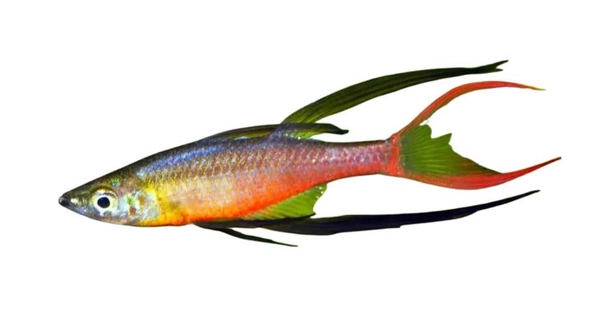
Threadfin Rainbowfish are small, active fish known for their shimmering colors and peaceful nature. They bring a lively presence to freshwater aquariums and often appeal to hobbyists seeking visually striking, community-friendly fish. Their movement adds energy to any tank.
Threadfin Rainbowfish can coexist with bettas under specific conditions. Providing ample space, maintaining proper water parameters, and ensuring hiding spots reduces territorial aggression. Monitoring interactions is essential, as individual betta temperaments vary, and adjustments may be needed to maintain harmony.
Understanding their compatibility helps create a more balanced and enjoyable aquarium environment. Proper planning ensures both species thrive peacefully together.
Understanding Betta Behavior
Bettas are naturally territorial fish, especially males. Their aggressive tendencies can appear suddenly, even in tanks that previously seemed calm. They flare their fins and chase other fish to assert dominance. Threadfin Rainbowfish, being peaceful and fast swimmers, can sometimes avoid direct conflict, but tension may still arise. It is important to recognize that bettas do not always tolerate tankmates, and even small disturbances can trigger displays of aggression. Observing their interactions daily allows adjustments to the aquarium layout or stocking to reduce stress. Decorations, plants, and hiding spots are crucial to giving each fish a safe retreat. Bettas may react differently depending on water conditions, lighting, and feeding schedules, so maintaining stability is key. Overcrowding worsens aggression, while a spacious tank helps rainbowfish move freely. Understanding these dynamics makes it easier to predict potential issues and take preventive measures before serious conflicts develop.
Even the calmest betta can become aggressive without warning. Proper observation is essential.
A balanced tank setup minimizes disputes and allows rainbowfish to swim freely. Plants and rocks provide escape routes, while keeping water conditions stable ensures both species remain healthy and active. Adjusting the number of rainbowfish and tank decorations helps maintain peace.
Tank Setup for Compatibility
A spacious tank with plenty of hiding spots reduces stress for both species.
The ideal setup for combining Threadfin Rainbowfish and bettas requires careful planning. A tank of at least 30 gallons is recommended to provide enough swimming space. Floating plants and dense vegetation help bettas feel secure and allow rainbowfish to move without triggering aggression. Smooth rocks and driftwood create additional territories and escape points. Filtration should maintain clean, oxygenated water, as both species are sensitive to poor conditions. Water temperature should remain steady between 75–82°F, and pH levels around 6.5–7.5 suit both species. Lighting should be moderate to avoid overstimulation, and hiding spots prevent constant stress. Careful monitoring during the first weeks is critical, as initial skirmishes may occur. Adjusting tank layout or temporarily separating fish can prevent injuries. With proper planning, a harmonious environment is achievable, allowing Threadfin Rainbowfish to display their colors and bettas to thrive without unnecessary confrontations.
Feeding Considerations
Threadfin Rainbowfish are active eaters and need frequent small meals. Bettas prefer protein-rich foods and may compete if feeding is not managed carefully. Separate feeding areas or sinking pellets help reduce conflicts and ensure both species get proper nutrition.
Providing a varied diet supports health and reduces aggression. Rainbowfish thrive on flakes, micro-pellets, and occasional live or frozen foods such as brine shrimp or daphnia. Bettas require high-protein options like betta pellets or frozen bloodworms. Feeding small portions multiple times a day prevents overfeeding and maintains water quality. Observing each fish during feeding ensures everyone eats without stress. Timing and placement of food can also minimize competition, as rainbowfish are fast swimmers and may outcompete slower bettas for surface food.
Overfeeding can quickly harm water quality and trigger health issues. Uneaten food can decay, raising ammonia levels, which affects both species. Using measured portions, monitoring eating habits, and removing leftovers promptly prevents water problems. Rotating foods ensures nutritional balance, keeping rainbowfish vibrant and bettas active. Consistency in feeding routines also stabilizes behavior, reducing stress-induced aggression.
Monitoring Tank Harmony
Frequent observation is essential to detect early signs of stress or aggression. Changes in behavior, hiding patterns, or fin damage should be addressed promptly.
Noticing subtle interactions helps maintain peace between Threadfin Rainbowfish and bettas. Rainbowfish may dart quickly, which can provoke a territorial betta. Bettas may flare fins, chase, or nip at smaller fish if they feel threatened. Recording behavior patterns over several days gives a clear view of compatibility. Immediate adjustments, like rearranging decorations or temporarily separating the fish, can prevent injuries. Maintaining water quality, consistent temperature, and adequate hiding spaces further reduces tension. Attention to feeding behavior also plays a role, as competition for food can escalate aggression. By observing daily, small issues can be resolved before they develop into serious problems.
Long-term harmony relies on maintaining a stable environment. Sudden changes in water parameters, tankmates, or lighting can trigger stress responses. Rainbowfish benefit from schooling behavior, so keeping a small group can distract bettas and reduce focus on a single fish. Consistent care, along with proactive monitoring, ensures both species coexist peacefully. Adjustments to tank layout, plant density, or feeding strategies help sustain a calm atmosphere, promoting healthy growth and vibrant colors. Careful attention prevents recurring conflicts, making the tank enjoyable and safe for both Threadfin Rainbowfish and bettas over time.
Choosing Compatible Betta Types
Male bettas are more aggressive and may not tolerate rainbowfish. Female bettas or young males tend to be calmer, reducing the risk of conflict. Observing individual temperament before permanent introduction is crucial to prevent injuries.
Betta temperament can vary widely. Some males are unusually peaceful, while others display constant territorial behavior. Selecting a betta with a history of tolerance toward other species increases the chance of coexistence. Introducing the betta gradually in a neutral tank helps both species adjust. Using tank dividers initially allows observation without risk, giving rainbowfish time to acclimate. Patience during this stage is key to avoiding unnecessary stress or aggression.
Water Parameters
Both species require clean, well-oxygenated water with stable temperatures around 75–82°F. pH should be maintained between 6.5 and 7.5.
Acclimation Process
Introducing rainbowfish and bettas slowly prevents stress and reduces aggressive encounters. Gradual acclimation allows both species to adapt to each other and the tank environment.
FAQ
Can Threadfin Rainbowfish live with male bettas?
Male bettas are highly territorial and can become aggressive toward smaller, fast-moving fish like Threadfin Rainbowfish. While some peaceful males may coexist, most male bettas will chase or nip at rainbowfish. Careful observation and a large tank with hiding spots are necessary if attempting this combination. Using dividers initially can prevent injuries.
Are female bettas safer tankmates?
Female bettas are generally less aggressive than males and tolerate tankmates better. Threadfin Rainbowfish usually adapt well alongside calm females. Even so, it is important to monitor their interactions, provide sufficient swimming space, and maintain plenty of hiding areas to reduce stress.
How many Threadfin Rainbowfish should I keep with a betta?
A small school of at least five rainbowfish helps disperse attention and reduces aggression from a betta. Keeping only one or two rainbowfish increases the risk of being singled out. Larger groups create natural schooling behavior that distracts bettas and promotes peaceful coexistence.
What tank size is recommended?
A minimum of 30 gallons is recommended when housing Threadfin Rainbowfish with a betta. More space allows rainbowfish to swim freely and gives bettas territory to feel secure. Adding plants, rocks, and decorations increases hiding spots and reduces territorial disputes.
How should I feed both species?
Rainbowfish need flakes, micro-pellets, or live/frozen foods, while bettas require protein-rich pellets or frozen options. Feeding in separate areas or using sinking and floating foods ensures both species get proper nutrition and reduces competition and stress during mealtime.
What water conditions suit both species?
Both species thrive in temperatures between 75–82°F and a pH of 6.5–7.5. Stable, well-filtered water with regular maintenance is crucial. Sudden changes in water parameters can trigger stress and aggressive behavior, so keeping conditions consistent helps maintain harmony.
How can I prevent aggression?
Providing a spacious tank, hiding spots, and visual barriers helps prevent conflicts. Observing behavior daily allows early intervention if aggression occurs. Rearranging decorations or temporarily separating fish may be necessary. Gradual introductions reduce stress and give both species time to adjust.
What signs indicate stress in either species?
Stress may appear as hiding, fin clamping, erratic swimming, or chasing behavior. Threadfin Rainbowfish may dart nervously, while bettas may flare fins or display constant territorial aggression. Identifying these signs early allows corrective measures before injuries occur.
Can rainbowfish school reduce betta aggression?
Yes, keeping rainbowfish in a small group helps disperse attention and reduces the likelihood of a betta focusing on a single fish. Schooling behavior makes the tank dynamic, allowing both species to coexist more peacefully.
How long should I monitor interactions?
The first two to three weeks are critical. During this time, behavior patterns become clear, and adjustments can be made if necessary. Gradual introductions and careful observation during this period reduce the risk of long-term conflict.
Is it necessary to rearrange the tank?
Rearranging plants and decorations can help reset territories and reduce aggression. Changes should be gradual to avoid additional stress. Visual barriers give rainbowfish escape routes and allow bettas to establish territories without direct confrontation.
Can bettas and rainbowfish share a small tank?
Small tanks increase stress and the likelihood of aggression. Both species need swimming space and hiding spots. Attempting to keep them in a tank smaller than 30 gallons is not recommended, as it often leads to injuries and long-term stress.
How do I introduce new fish safely?
Introduce new fish slowly using dividers or separate acclimation containers. Gradual exposure helps both species recognize each other without immediate physical contact. Monitor reactions closely and be ready to intervene if aggression appears.
Will bettas ever fully accept rainbowfish?
Acceptance varies by individual temperament. Some bettas coexist peacefully long-term, while others maintain territorial behavior indefinitely. Creating a balanced environment with proper tank size, hiding spots, and careful feeding routines improves chances of long-term harmony.
Can I mix multiple bettas with rainbowfish?
Mixing multiple bettas is not recommended, especially males, due to extreme territoriality. Female bettas may tolerate each other in very large tanks with sufficient hiding spaces, but the risk of aggression remains higher than with a single betta.
How important are hiding spots?
Hiding spots are crucial for both species. Rainbowfish need places to escape when bettas display aggression, while bettas use plants and decorations to feel secure. Dense vegetation, driftwood, and rocks provide safe retreats and help reduce stress for all fish.
Are there alternative tankmates for rainbowfish?
If bettas prove too aggressive, consider other peaceful species like danios, rasboras, or smaller tetras. These species are fast-moving, school well, and are less likely to provoke aggression compared to a territorial betta.
How can I tell if the tank setup is working?
A successful setup shows minimal chasing, active swimming, healthy appetite, and vibrant colors. Both species should display natural behavior without prolonged hiding or stress signals. Regular monitoring ensures the tank remains balanced and safe.
What maintenance routines help compatibility?
Regular water changes, monitoring water parameters, and cleaning the tank prevent stress-related aggression. Removing uneaten food promptly and maintaining stable temperatures contribute to a peaceful environment where both species can thrive.
Can rainbowfish survive long-term with bettas?
Yes, with proper tank size, careful selection of betta type, hiding spots, and monitoring, rainbowfish can coexist safely with bettas. Patience and consistent care are essential to ensure long-term compatibility.
What adjustments can reduce initial aggression?
Introduce decorations, rearrange plants, feed in separate areas, or use dividers. Gradual acclimation, small schooling groups of rainbowfish, and stable water parameters all help reduce early aggression and promote harmony.
How do I respond to sudden attacks?
Immediately separate the fish if injuries occur. Check for stress signs, adjust tank layout, and observe interactions closely. Temporary separation and gradual reintroduction help prevent repeated attacks.
Are there specific times of day aggression increases?
Aggression often rises during feeding or bright lighting. Providing hiding spots, multiple feeding areas, and consistent light schedules can reduce peak aggression periods, ensuring both species remain calm.
Do rainbowfish need companions even with a betta?
Yes, rainbowfish are schooling fish. A small group of at least five helps them feel secure and lessens the chance of a betta focusing on a single individual. This reduces stress and supports natural behavior patterns.
How can I encourage peaceful coexistence long-term?
Maintain water quality, stable temperature, adequate tank size, hiding spots, and a small school of rainbowfish. Observe daily, adjust as needed, and feed both species properly. Patience and consistency create a calm, balanced aquarium.
What signs indicate the tank setup is failing?
Frequent chasing, torn fins, constant hiding, and lack of appetite signal that adjustments are needed. Promptly changing tank layout, separating fish, or reevaluating tankmates can prevent injuries and stress.
Are there behavioral differences between young and adult bettas?
Young bettas are often less territorial and adapt more easily, while adult males show stronger dominance. Gradual introduction and proper acclimation are especially important when mixing adults with rainbowfish.
Can water temperature changes affect aggression?
Yes, fluctuations can stress both species, triggering aggression. Keeping temperature stable within 75–82°F helps maintain calm behavior and supports overall health.
Is it safe to add other species later?
Adding new fish should be done cautiously. Introduce one species at a time, monitor interactions, and ensure tank capacity is adequate. Sudden additions can trigger aggression in both bettas and rainbowfish.
Do decorations influence betta behavior?
Yes, decorations and plants create territories and hiding spots. They break line-of-sight, reduce aggression, and provide safe spaces for rainbowfish. Rearranging decorations can also reset territories when needed.
How often should I observe the tank?
Daily observation is best, especially during the first few weeks. This helps detect early signs of stress, aggression, or health issues, allowing prompt intervention.
What is the biggest factor for success?
Tank size, hiding spots, stable water parameters, and careful monitoring are key. Combining proper care with patience ensures Threadfin Rainbowfish and bettas coexist safely and harmoniously.
Are there long-term behavioral changes?
Some bettas may mellow over time, while others remain territorial. Rainbowfish may become more cautious initially but adapt to coexistence. Observing patterns allows proactive adjustments to maintain harmony.
Can stress affect fish coloration?
Yes, stressed fish often lose vibrancy. Adequate space, hiding spots, and consistent care help maintain bright colors and healthy behavior in both species.
How do I know if the tank setup is optimal?
Both species should swim actively, feed without competition, and show natural behavior. Minimal aggression and healthy, vibrant fish indicate a successful environment.
What is the final recommendation for pairing these fish?
Careful selection of betta type, a sufficient school of rainbowfish, a well-planned tank layout, and ongoing observation are essential. With patience, both species can thrive together safely.
Final Thoughts
Threadfin Rainbowfish and bettas can coexist in the same tank if the environment is properly prepared and monitored. Both species have distinct temperaments, and understanding these differences is key to reducing conflicts. Rainbowfish are fast, active swimmers that enjoy open space and schooling with other rainbowfish. Bettas, especially males, can be territorial and may react aggressively toward smaller, fast-moving fish. Choosing a calm, tolerant betta or a female betta increases the chance of peaceful interactions. Tank size is a crucial factor, as both species need enough space to establish territory, swim freely, and feel secure. A well-planned aquarium layout with hiding spots, plants, and decorations allows rainbowfish to retreat when threatened and gives bettas areas to claim as their own. Monitoring water parameters, temperature, and pH consistently helps maintain stability, as sudden changes can trigger stress and aggression.
Feeding is another important consideration when keeping these fish together. Rainbowfish require a varied diet, including flakes, micro-pellets, and occasional live or frozen foods. Bettas need high-protein diets, such as betta pellets or frozen bloodworms. Feeding in separate areas or using sinking and floating foods ensures that both species receive proper nutrition without competition. Overfeeding can lead to water quality issues, which may increase stress and cause aggressive behavior. Observing fish during feeding helps identify potential problems early and ensures that each fish is eating enough. Regular maintenance, including partial water changes and tank cleaning, further supports a healthy environment for both rainbowfish and bettas. A calm, consistent routine reduces stress and helps prevent sudden conflicts, allowing both species to thrive.
Long-term success depends on careful observation, patience, and adjustments as needed. Threadfin Rainbowfish benefit from being kept in a small school of at least five fish, which reduces the likelihood of being targeted by a territorial betta. Bettas may take time to accept the presence of other fish, so gradual introductions and temporary dividers can help both species adapt safely. Watching for signs of stress, such as hiding, fin clamping, or chasing, allows timely interventions before serious injuries occur. Rearranging plants and decorations occasionally helps break up territories and reduces repeated aggression. With attention to water quality, feeding practices, tank layout, and the temperament of each fish, Threadfin Rainbowfish and bettas can coexist peacefully. Creating a stable, structured environment ensures that both species remain healthy, active, and vibrant for the long term.

Hello,
If you enjoy the content that we create, please consider saying a "Thank You!" by leaving a tip.
Every little bit helps us continue crafting quality advice that supports the health, happiness, and well-being of pets around the world, for pets of all shapes, sizes, and species.
We really appreciate the kindness and support that you show us!